Artwork
Untitled
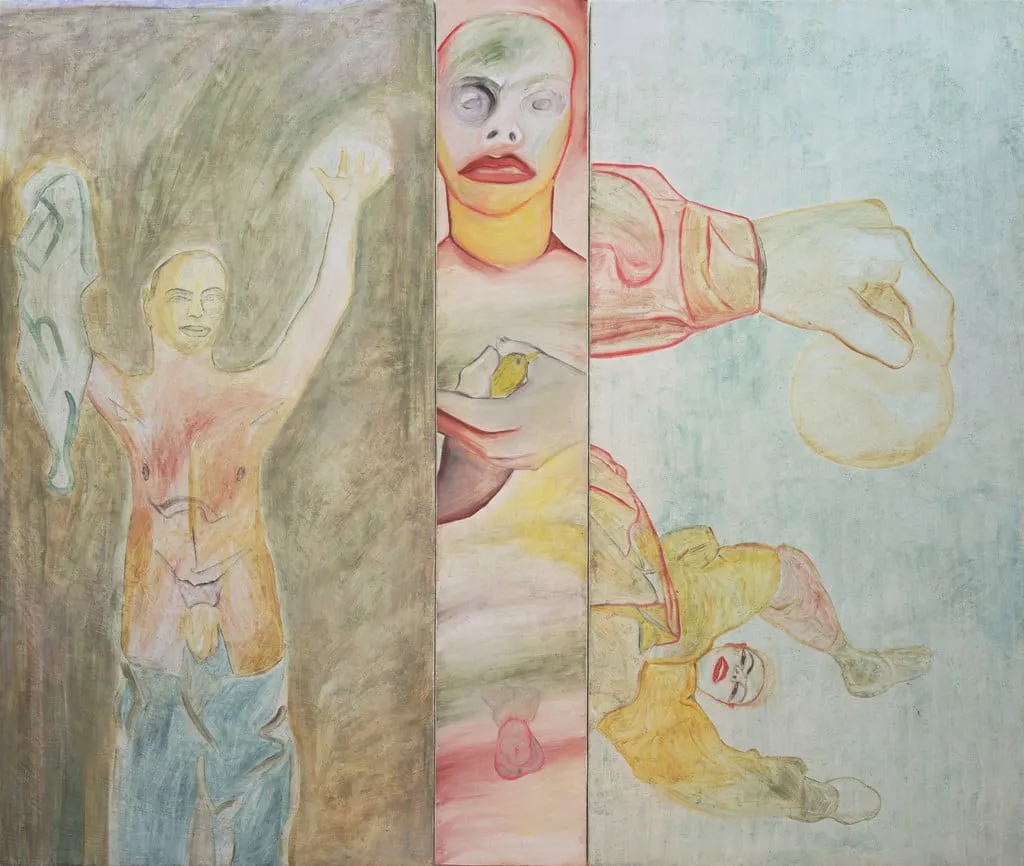
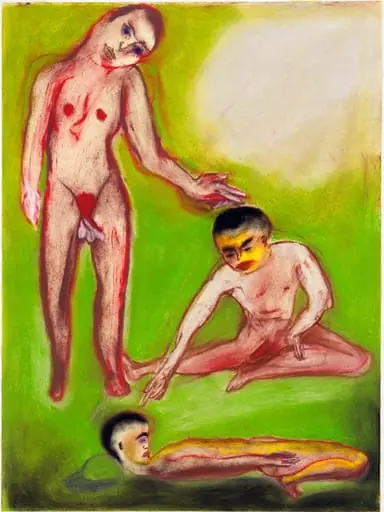
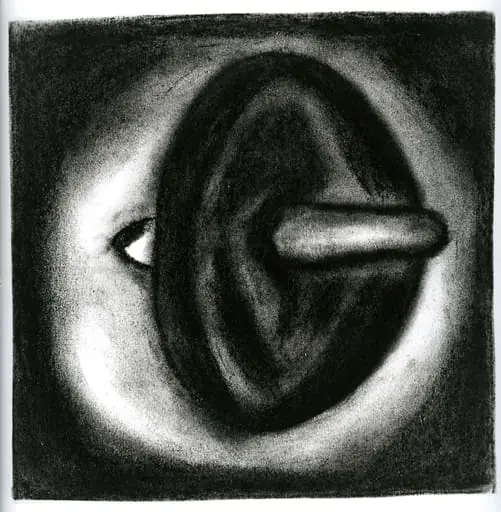
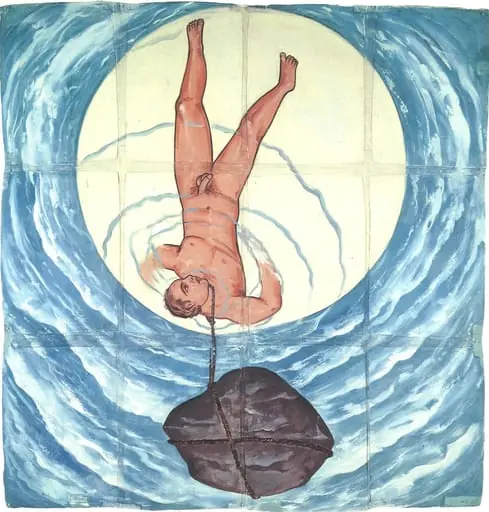
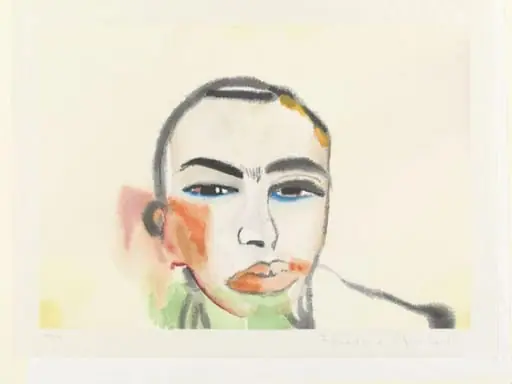
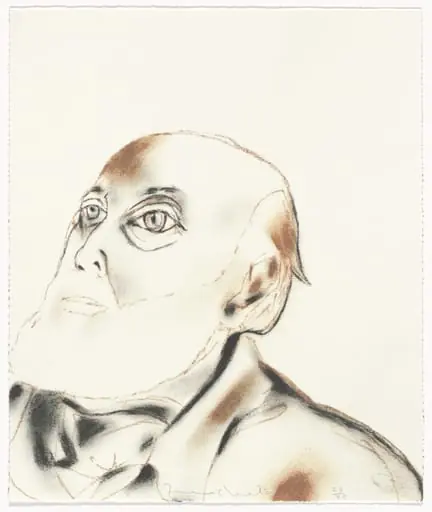
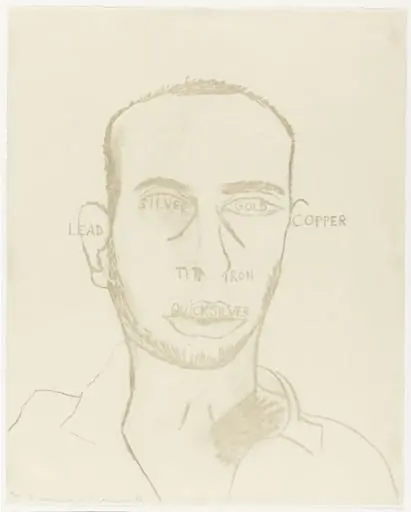
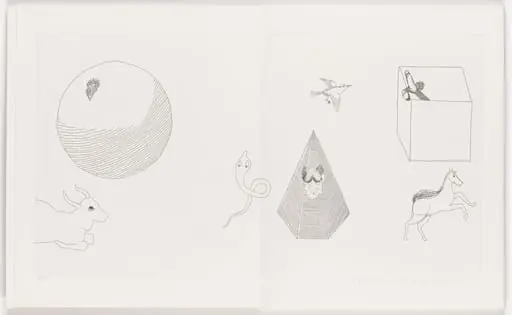
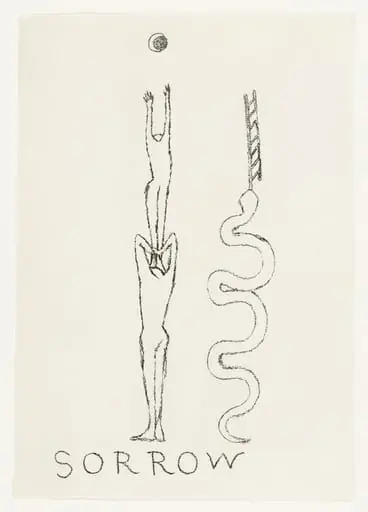
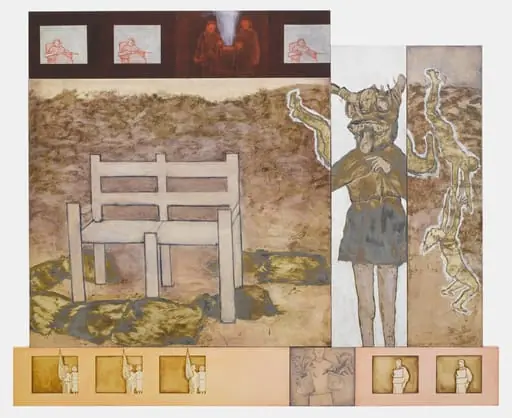
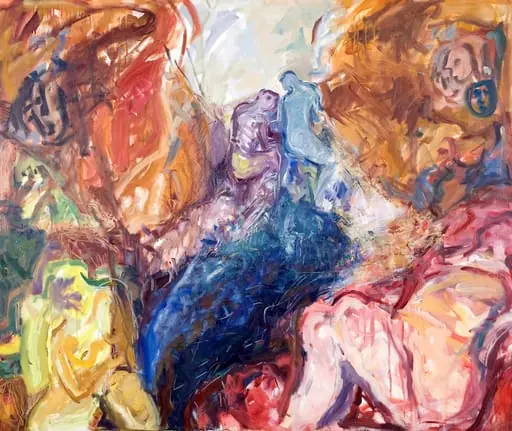
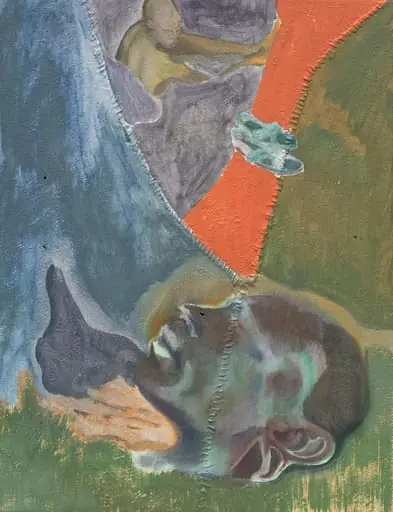
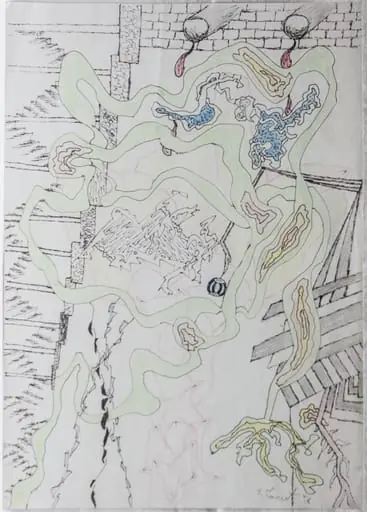
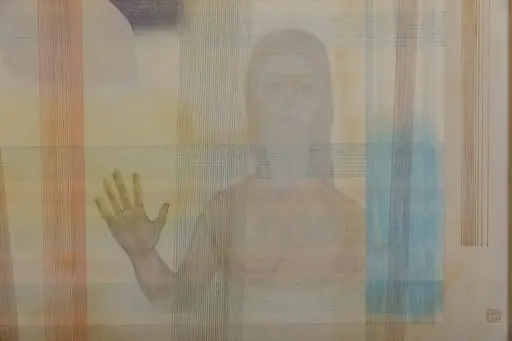
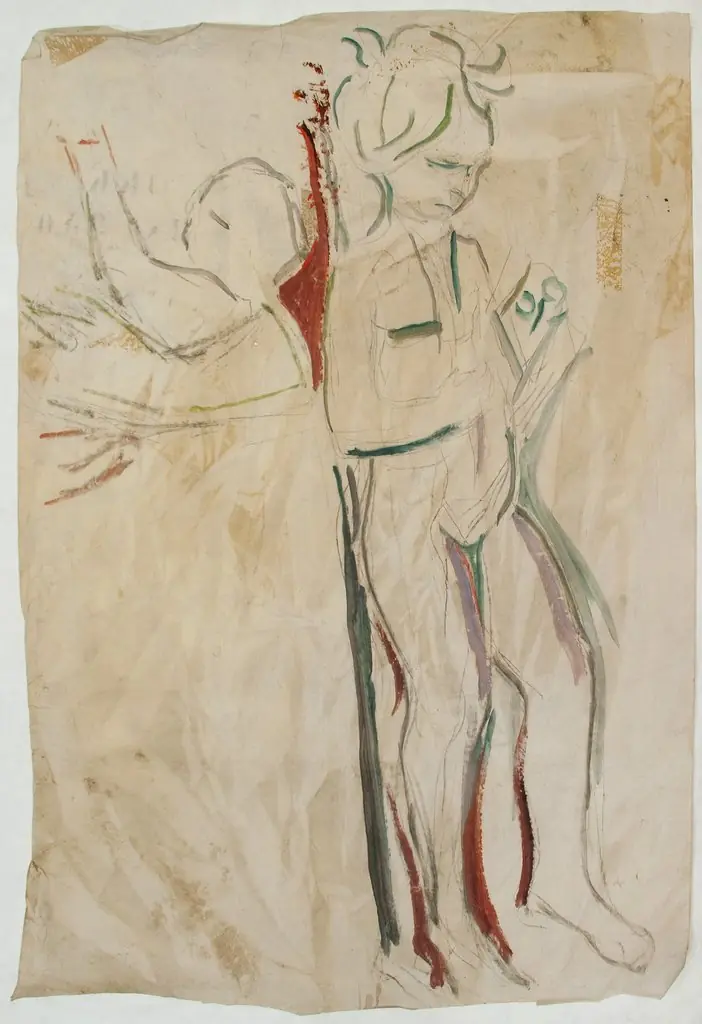
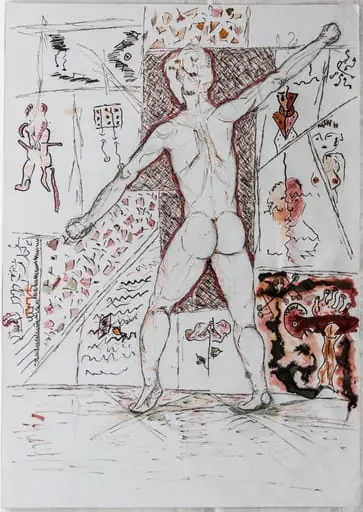
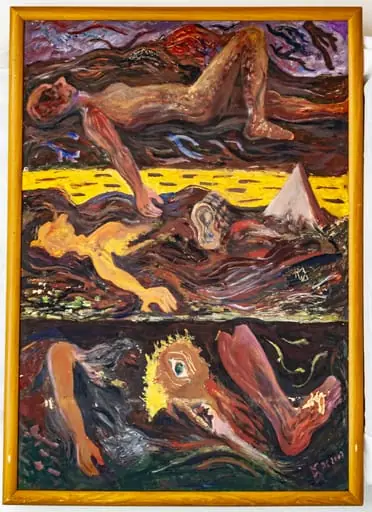
Untitled is a fresco painting by the Neo Expressionist artist Francesco Clemente. It dates from 1983 and is held in the collection of the Museum of Modern Art.
About this work
Overview
Executed in the traditional fresco technique, the work reflects Clemente’s engagement with spiritual and psychological themes during his time in India.
Created in 1983, this three-panel fresco by Francesco Clemente is a quiet, meditative composition that blends Italian and Indian artistic traditions. Executed in the traditional fresco technique, the work reflects Clemente’s engagement with spiritual and psychological themes during his time in India. It belongs to the broader Transavanguardia movement, which rejected minimalism in favor of emotionally charged figuration.
Subject & Meaning
The three panels suggest a narrative of inner states: stillness, introspection, and surrender. A figure with raised arms, a face holding a bird, and a reclining form with a circular outline evoke ritual, vulnerability, and transcendence. The absence of clear narrative cues invites contemplation rather than interpretation, aligning with symbolic traditions where imagery conveys inner experience over external events.
Technique & Style
Clemente applied pigment to wet plaster, using the fresco method to achieve a matte, integrated surface. Brushwork is loose and fluid, with forms emerging through subtle washes of pale blue, pink, and yellow. The figures appear weightless, their outlines blurred, enhancing a dreamlike quality. The technique echoes both Renaissance fresco and Indian miniature painting, merging historical methods with contemporary sensibility.
History & Provenance
Painted during Clemente’s extended stays in India, the work emerged from his immersion in local spiritual practices and artistic forms. It entered The Museum of Modern Art’s collection shortly after its completion, reflecting institutional interest in postmodern figurative painting. Its inclusion underscores the museum’s engagement with global influences on contemporary European art in the early 1980s.
Context
In the early 1980s, European art moved away from conceptual and minimalist trends toward emotionally resonant imagery. Clemente’s work, alongside other Transavanguardia artists, revived mythic and personal symbolism. His time in India introduced him to tantric iconography and devotional painting, which subtly informed the ethereal tone and iconography of this fresco, distinguishing it from Western Neo-Expressionist norms.
Legacy
This fresco exemplifies Clemente’s enduring interest in cross-cultural spiritual expression and the body as a site of inner life. It contributed to a broader reevaluation of traditional techniques in contemporary art, demonstrating how fresco could carry psychological depth beyond its historical associations. The work remains a reference point for artists exploring meditation, identity, and cultural hybridity.
Artist & collection
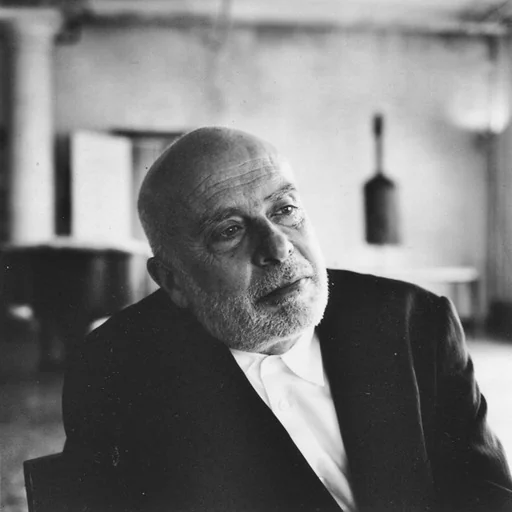
Artist
Francesco Clemente (born 23 March 1952) is an Italian contemporary artist. He has lived at various times in Italy, India and New York City. Some of his work is influenced by the traditional art and culture of India. He…