Artwork
Rest on the Flight into Egypt with the Infant Saint John the Baptist
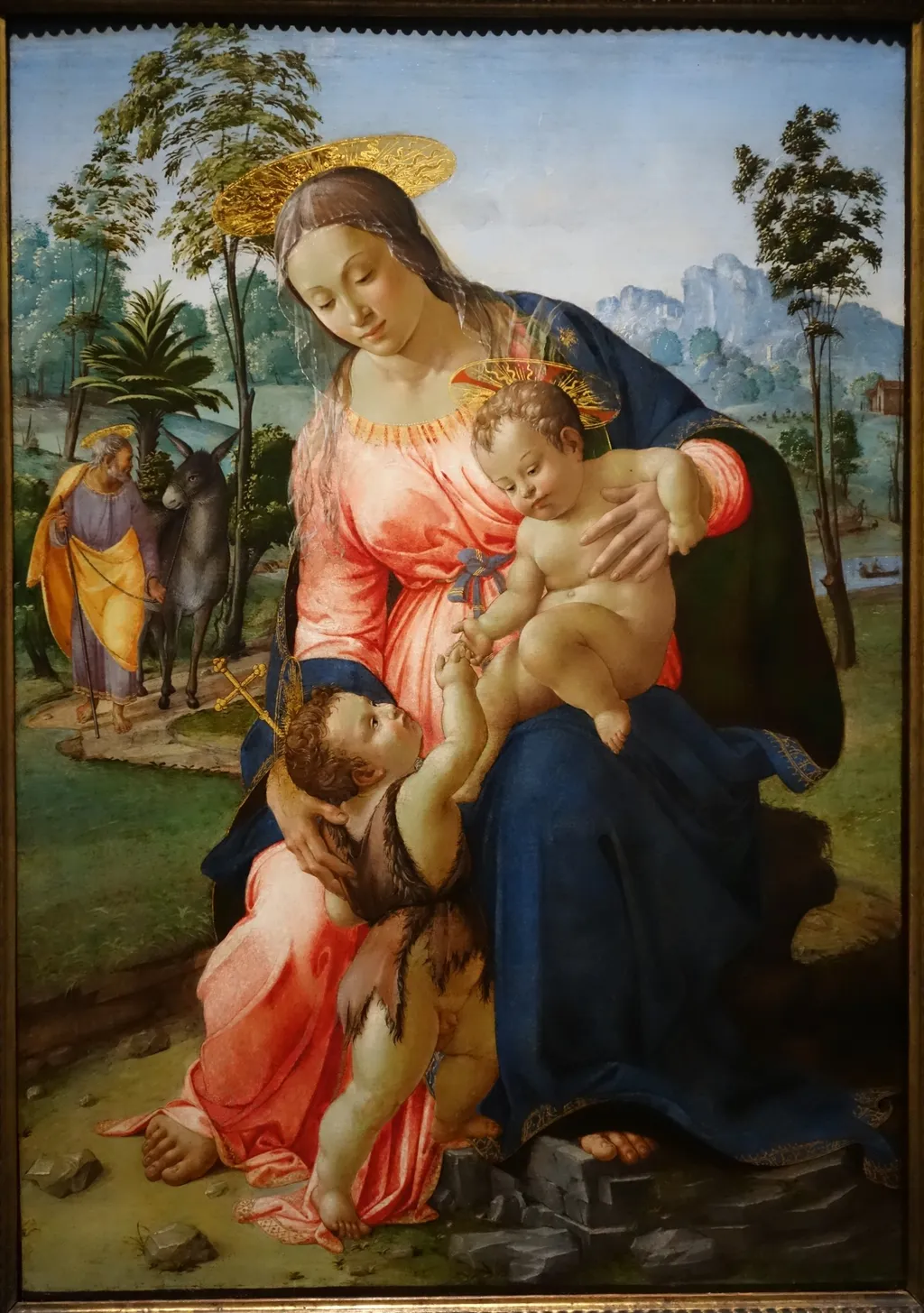
Rest on the Flight into Egypt with the Infant Saint John the Baptist is an unspecified painting by the Early Renaissance artist Francesco Granacci. It dates from 1498 and is held in the collection of the National Gallery of Ireland.
About this work
Overview
Painted in 1498 by Francesco Granacci, this work captures a quiet moment from the biblical Flight into Egypt.
Painted in 1498 by Francesco Granacci, this work captures a quiet moment from the biblical Flight into Egypt. Granacci, trained in Domenico Ghirlandaio’s Florentine workshop and a contemporary of Michelangelo, adhered to the early Renaissance emphasis on naturalism and devotional clarity. The painting is now part of the National Gallery of Ireland’s collection, where it remains a modest but carefully rendered example of late Quattrocento religious art.
Subject & Meaning
The scene portrays the Holy Family resting during their escape to Egypt, with the infant Saint John the Baptist included as a symbolic presence. His inclusion, though not biblical, reflects a devotional tradition that linked John’s future role as Christ’s forerunner with his childhood. The intimate grouping suggests divine protection amid exile, emphasizing tenderness over drama, and reinforcing themes of familial care and spiritual continuity.
Technique & Style
Granacci employs soft chiaroscuro to model forms with gentle gradations of light and shadow, particularly evident in the Virgin’s robes and the infants’ limbs. The light appears to emanate from above, creating a luminous glow on the Virgin’s face while deepening folds in fabric and contours of the body. The palette is restrained, with muted pinks and blues dominating, and the background features delicate, atmospheric hills and trees that recede with subtle perspective.
History & Provenance
Commissioned during Granacci’s early career, the painting reflects the devotional tastes of Florentine patrons in the late 15th century. It remained in private collections in Italy before entering the National Gallery of Ireland’s holdings. Its survival in relatively intact condition offers insight into the circulation of small-scale religious panels outside major ecclesiastical settings during the Renaissance.
Context
In late 15th-century Florence, religious imagery often blended scriptural narrative with human emotion. Granacci’s work aligns with contemporaries like Ghirlandaio in its focus on domestic serenity rather than grandeur. The inclusion of Saint John the Baptist as a child was a common devotional motif in Tuscany, reinforcing connections between Christ’s life and the prophetic tradition, and appealing to private worship practices of the time.
Legacy
Though Granacci is less known than his peers, this painting exemplifies the quiet refinement of Florentine workshop practice. It preserves the stylistic bridge between early Renaissance naturalism and the emerging High Renaissance sensibility. Its preservation in a public collection ensures continued study of how minor artists contributed to the visual language of sacred narrative in Renaissance Italy.
Artist & collection
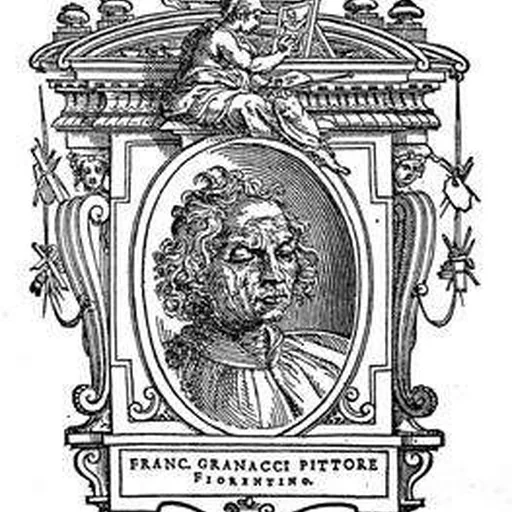
Artist
Francesco Granacci (1469 – 30 November 1543) was an Italian Renaissance painter active primarily in his native Florence.

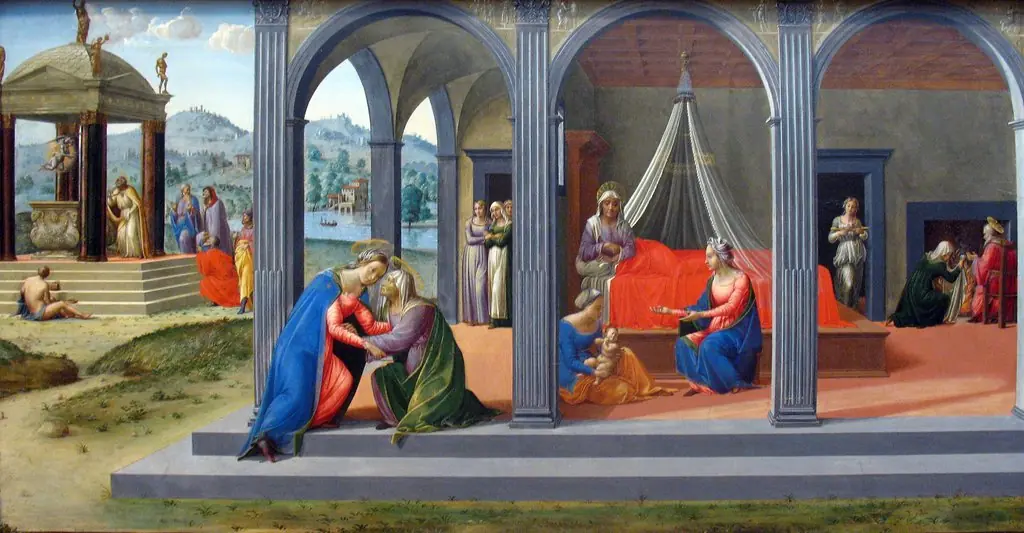
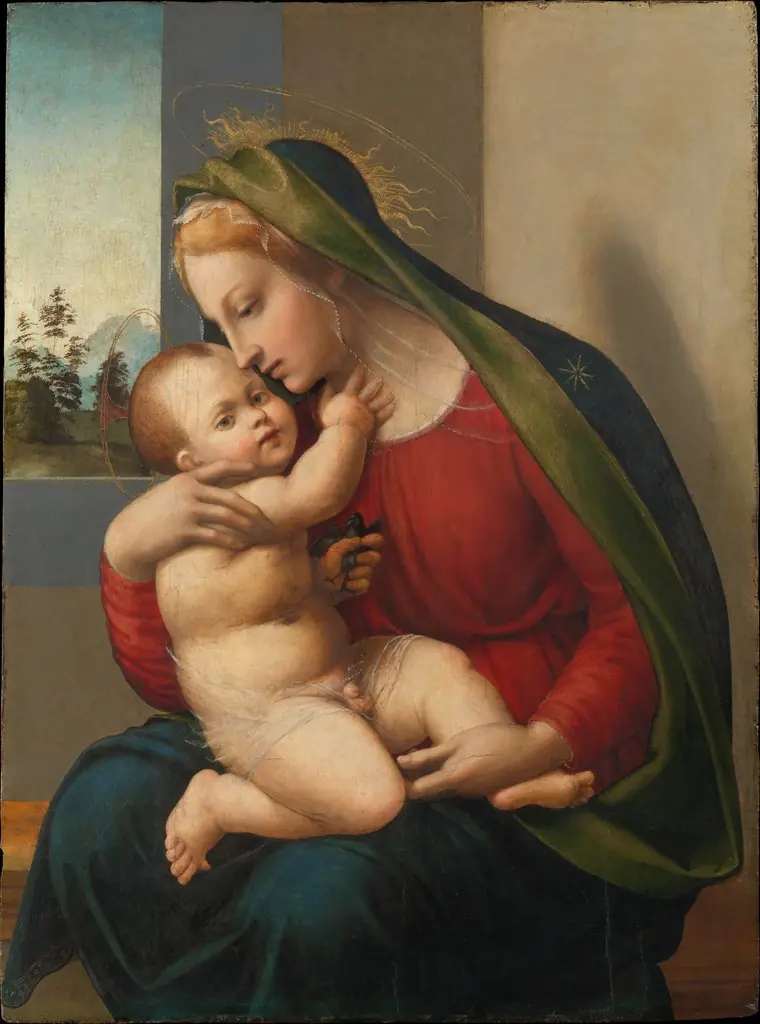
 Rest on the Flight into Egypt
 Rest on the flight into Egypt
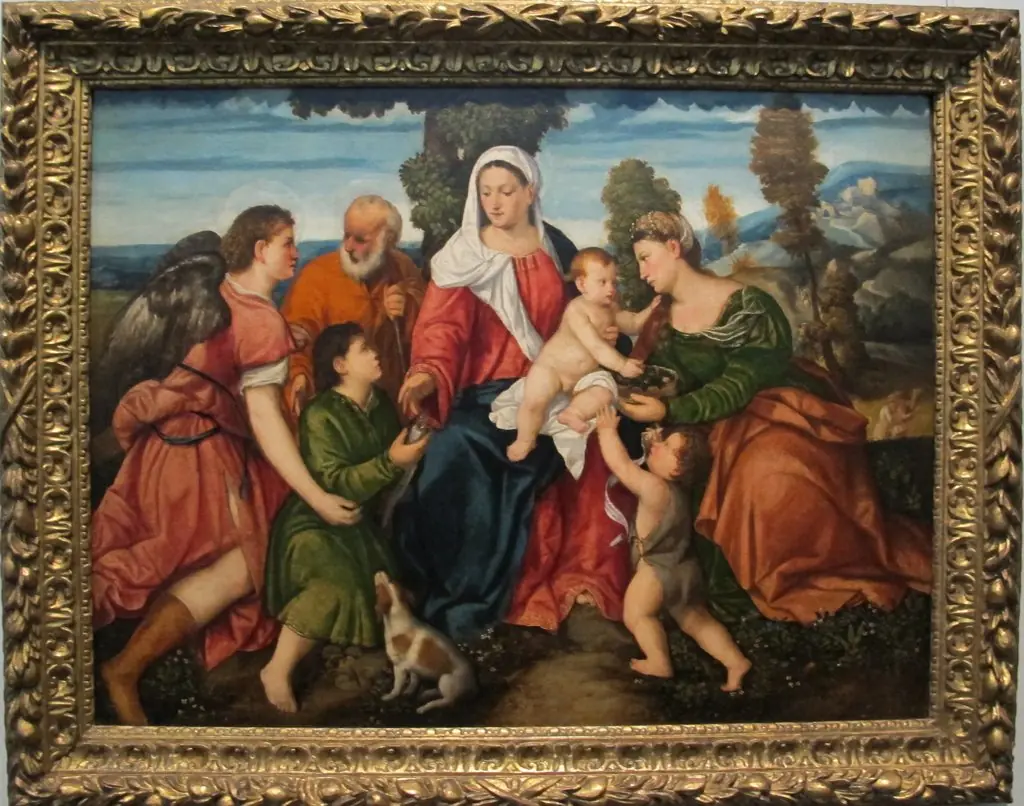 The Holy Family with Tobias and the Angel, Sts. Dorothy, and Infant John the Baptist
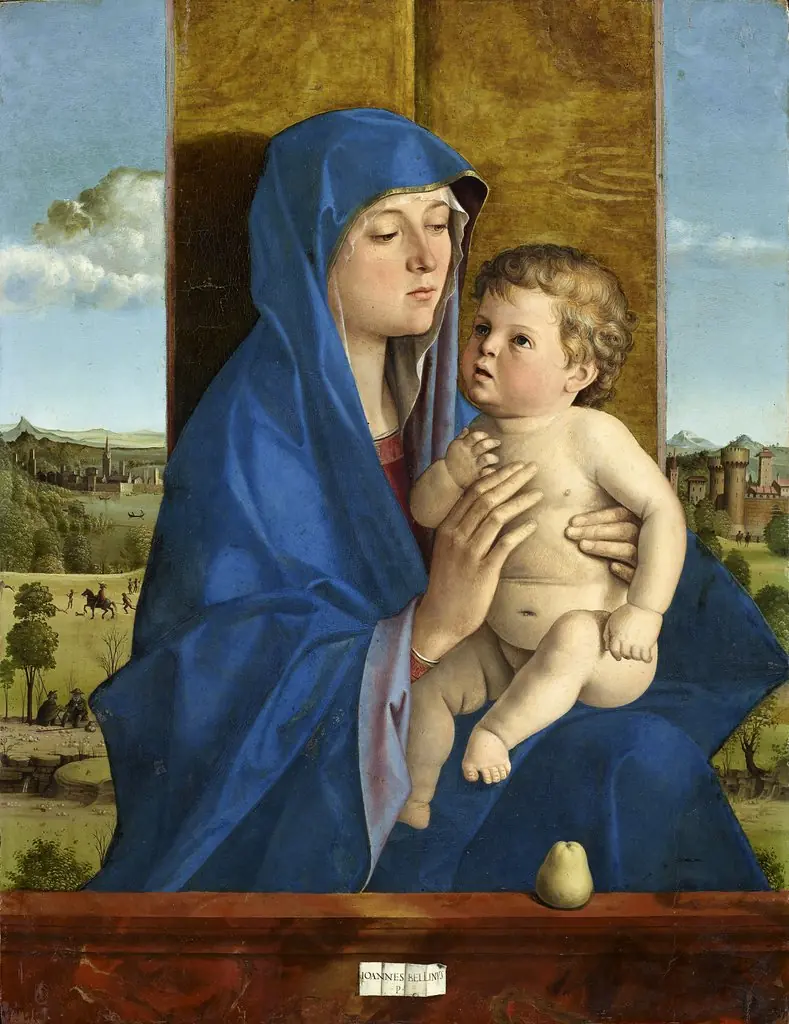 Alzano Madonna
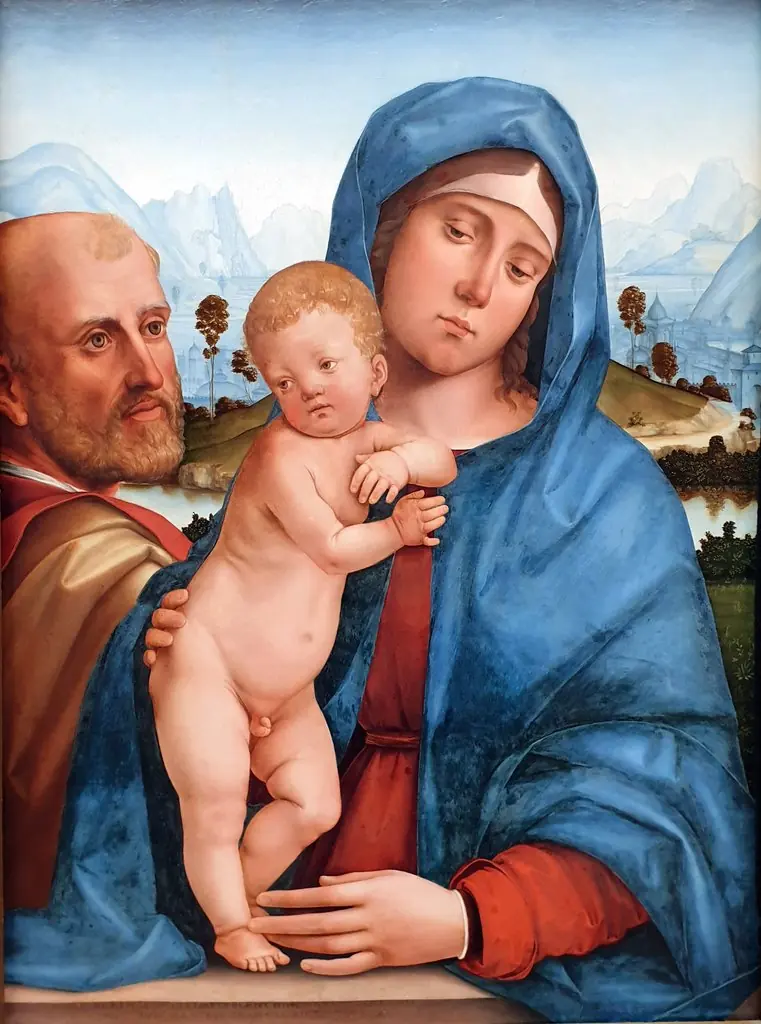 Holy Family
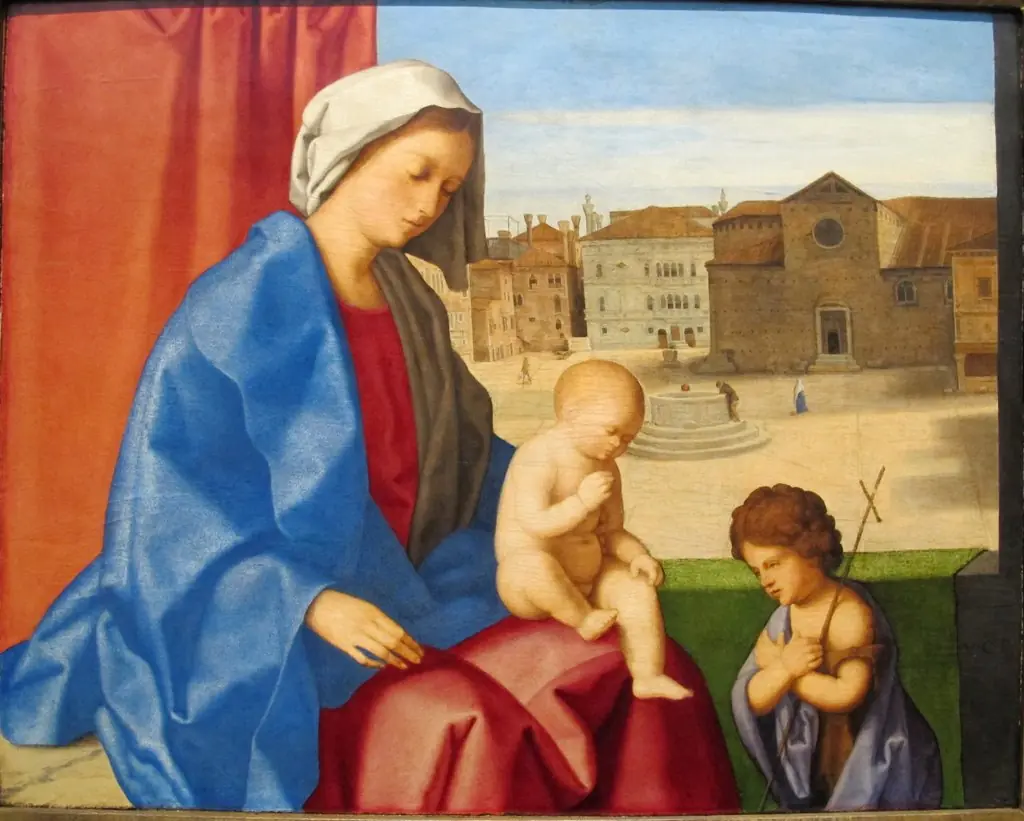 The Madonna and Child with the Infant Saint John the Baptist
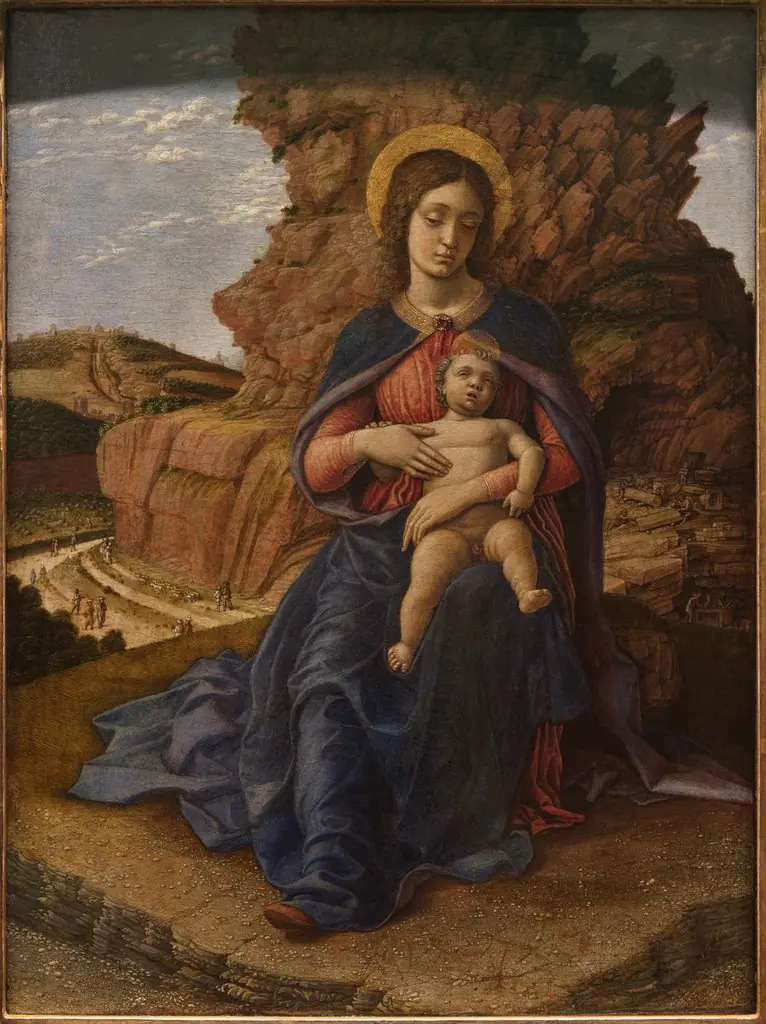 Madonna of the Caves
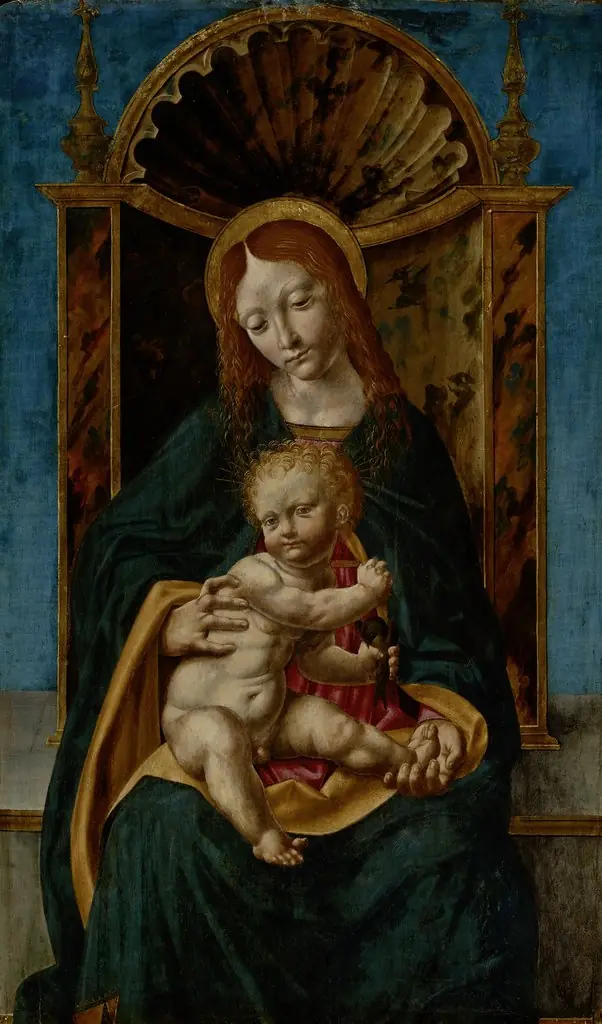 The Virgin and Child Enthroned
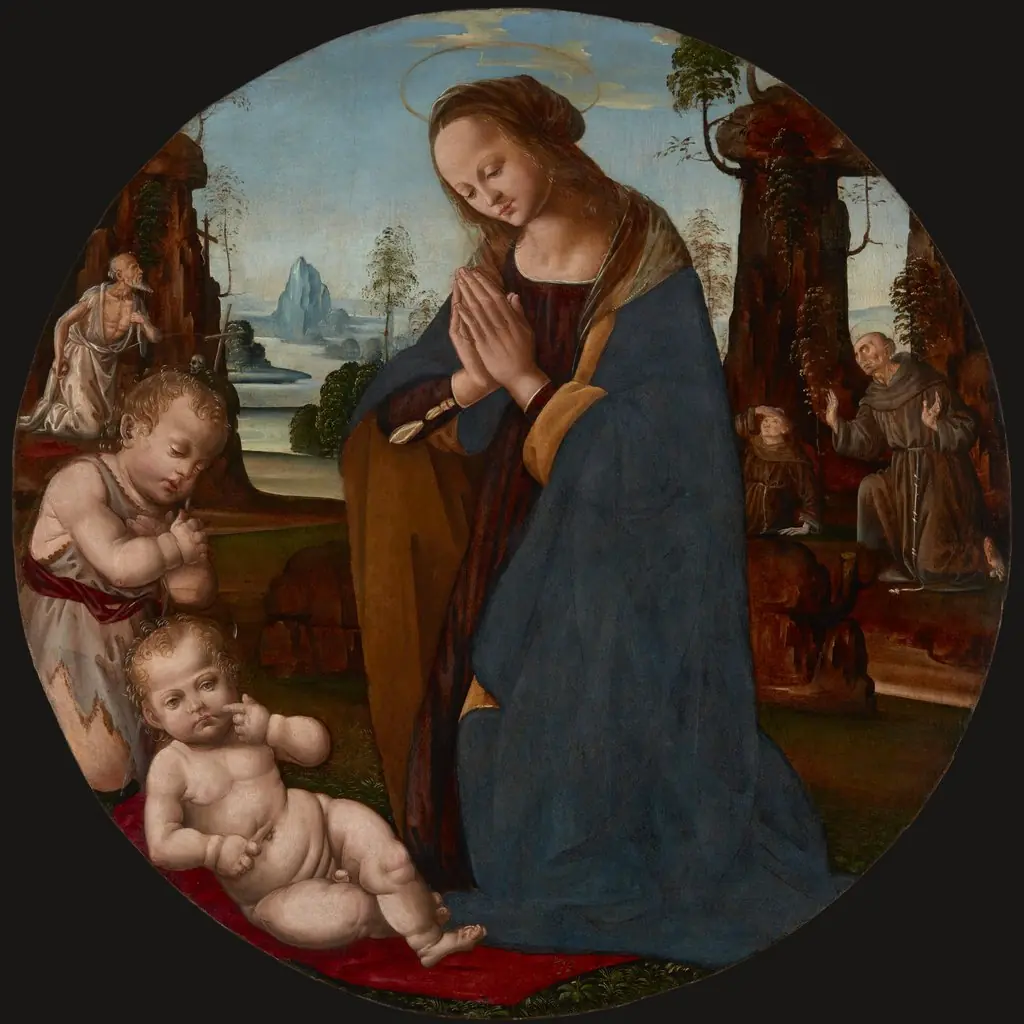 Adoration of the Child with Young St John the Baptist – Tondo
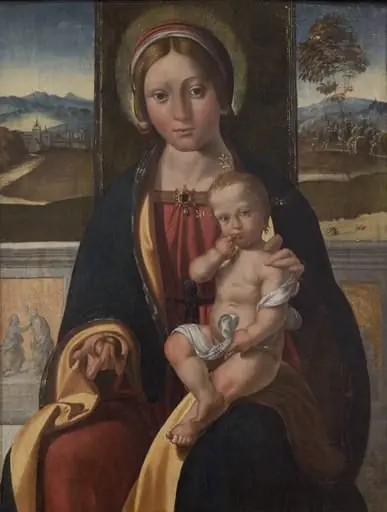 The Virgin and Child
 The Virgin and Child with the Young Saint John the Baptist
 The Holy Family