Artwork
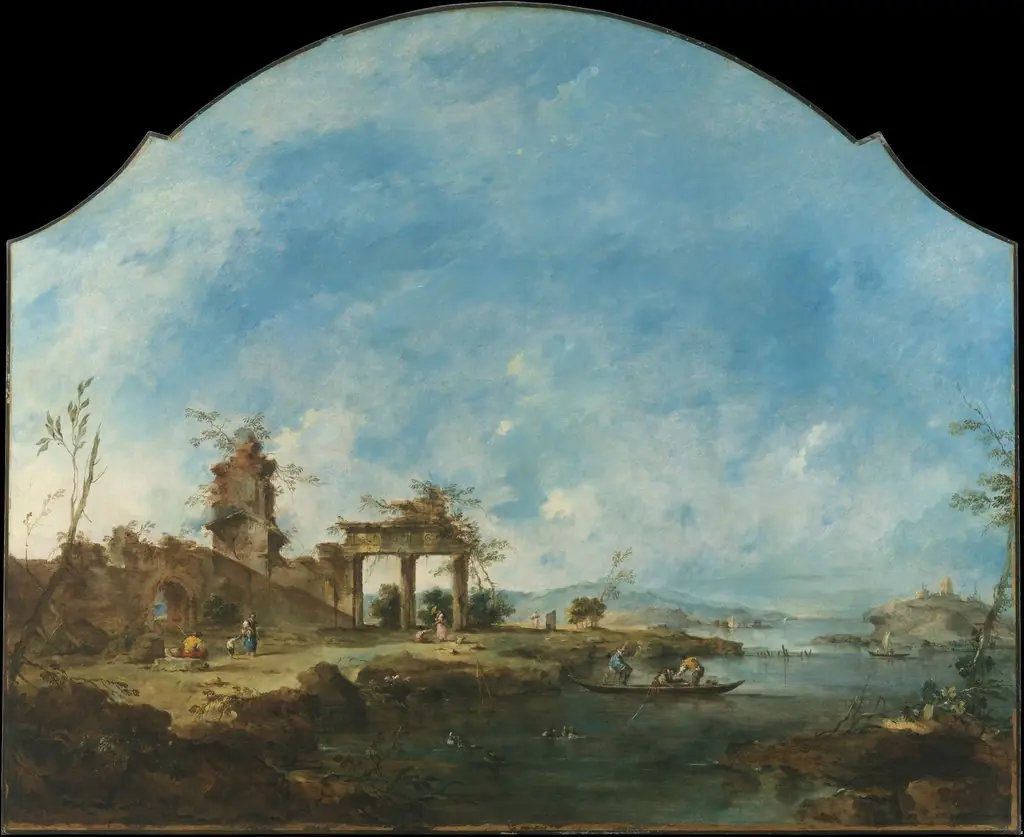
Capriccio with a Bridge
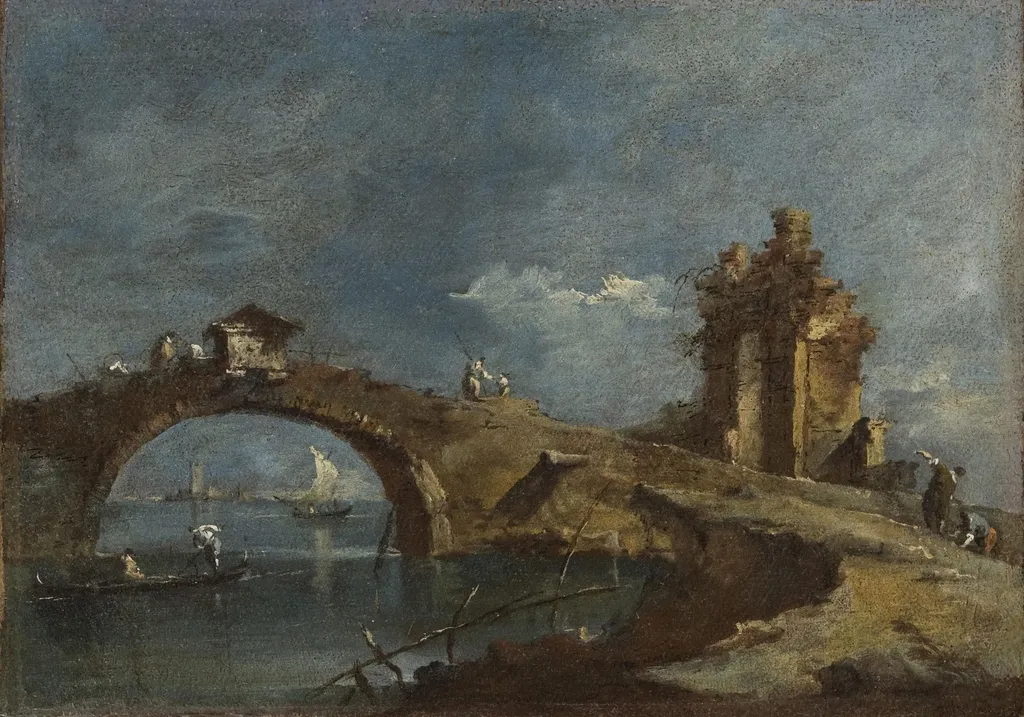
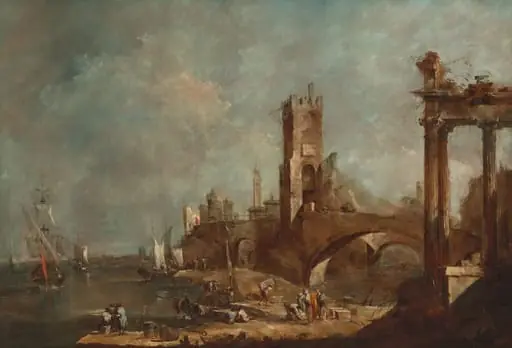
Capriccio with a Bridge is an oil painting by the Rococo painting artist Francesco Guardi. It dates from 1762 and is held in the collection of the Philadelphia Museum of Art.
About this work
Overview
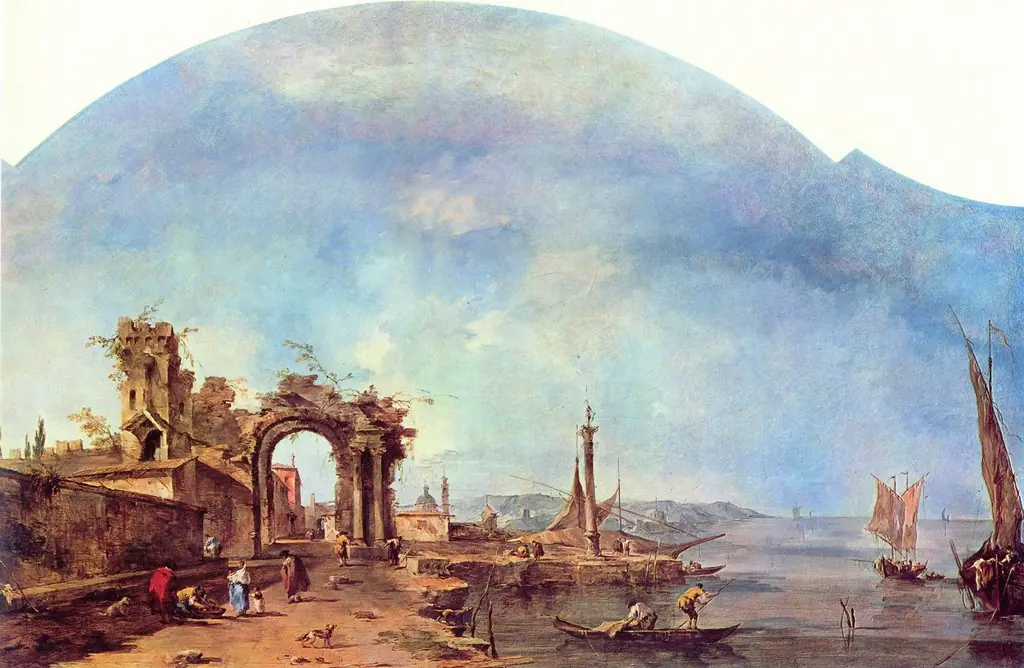
Painted around 1762 by Francesco Guardi, this oil-on-canvas work presents a fictional landscape blending real and imagined architectural elements.
Painted around 1762 by Francesco Guardi, this oil-on-canvas work presents a fictional landscape blending real and imagined architectural elements. Guardi, a Venetian artist associated with the Rococo era, moved from religious commissions toward vedute—evocative cityscapes that emphasized mood over topographical accuracy. The painting’s atmospheric quality and loose brushwork reflect his mature style, distinct from the precision of earlier Venetian painters.
Subject & Meaning
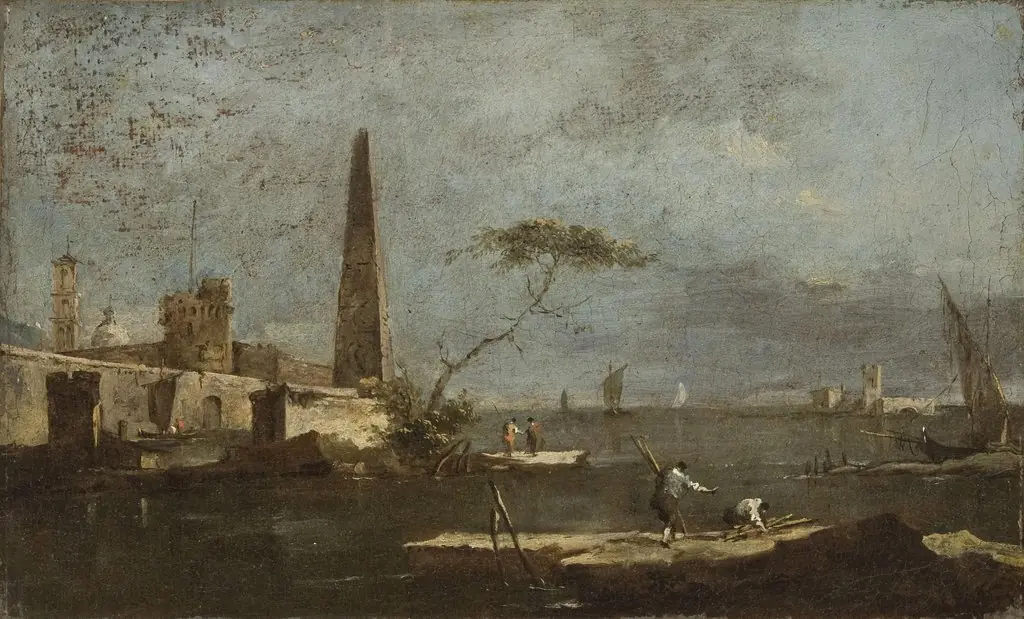
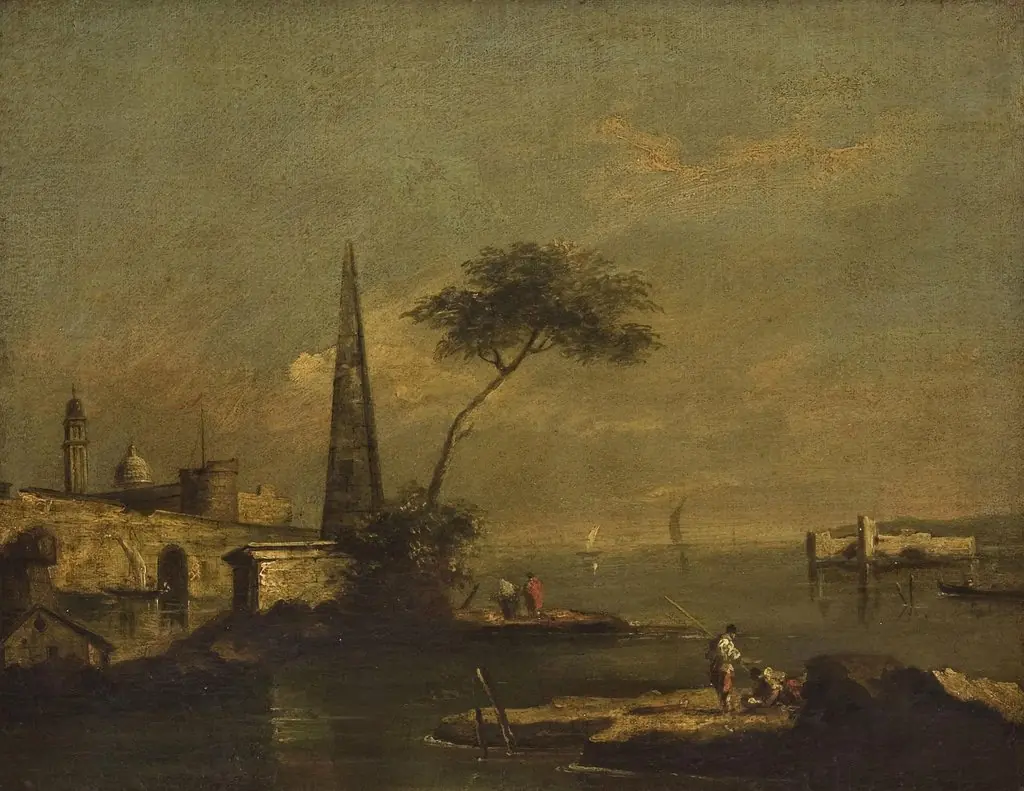
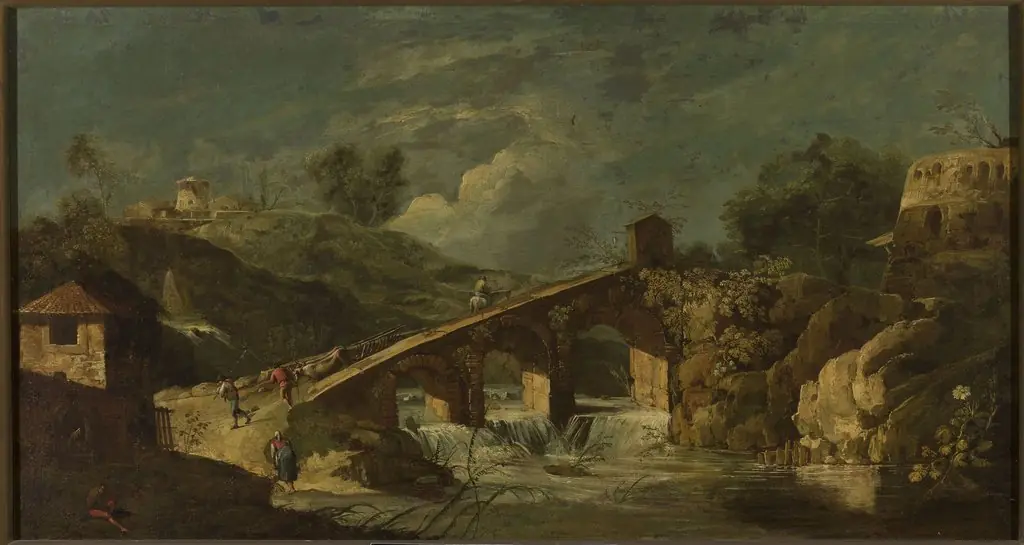
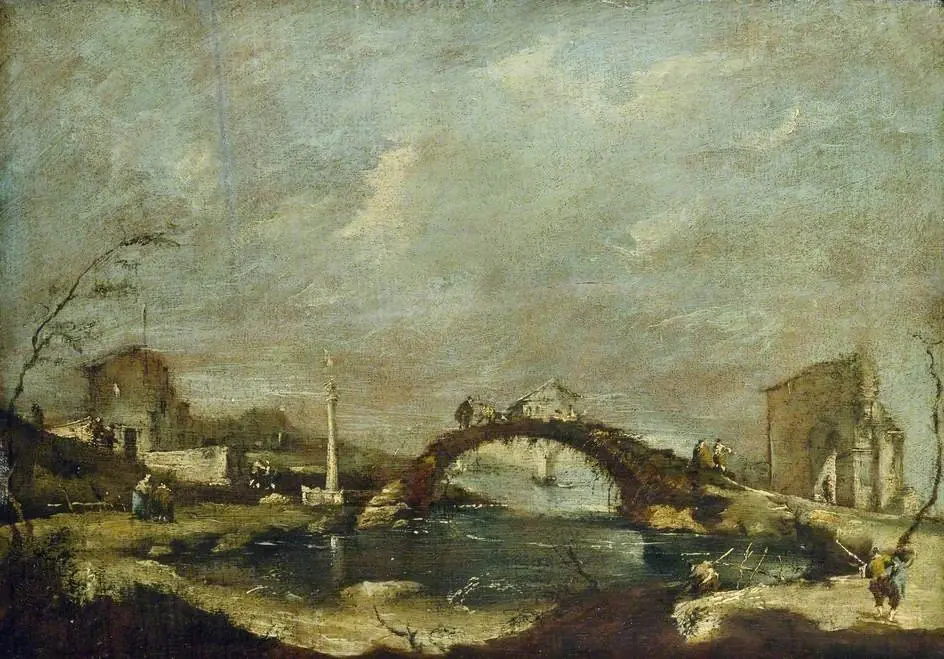
The scene centers on a stone arched bridge with a small structure atop it, spanning calm water. Behind it, crumbling ruins suggest antiquity, while a few figures and boats introduce quiet human presence. Rather than documenting a specific location, Guardi constructs a poetic fusion of Venetian and classical motifs, evoking nostalgia and the passage of time. The composition invites contemplation rather than narrative.
Technique & Style
Guardi employed a fluid, almost impressionistic brushwork, applying paint with visible, expressive strokes that suggest form rather than define it. Warm earth tones—browns, beiges, and soft ochres—dominate the palette, while subtle chiaroscuro models the architecture and water. Light filters through scattered clouds, enhancing the sense of depth and atmospheric haze, characteristic of his later vedute.
History & Provenance
The painting entered the collection of the Philadelphia Museum of Art in the 20th century, though its earlier ownership remains undocumented. It was likely produced during Guardi’s most prolific period, when he increasingly favored capricci—imaginary landscapes combining real and invented elements. Unlike his brother Gianantonio’s more formal works, Francesco’s paintings emphasized emotional resonance over architectural fidelity.
Context
In mid-18th-century Venice, tourism and the Grand Tour fueled demand for picturesque views. Guardi’s capricci catered to this market, offering idealized, melancholic scenes that appealed to foreign collectors. While contemporaries like Canaletto captured Venice with precision, Guardi’s looser handling reflected a shift toward Romantic sensibilities, prioritizing mood and light over topographical correctness.
Legacy
Guardi’s approach influenced later generations of landscape painters who valued emotional tone over documentary detail. His capricci helped redefine Venetian painting by introducing a more subjective, atmospheric mode. Though less celebrated in his lifetime than Canaletto, his work gained renewed appreciation in the 19th and 20th centuries for its poetic ambiguity and painterly freedom.
Own this work as a print
Artist & collection
Artist
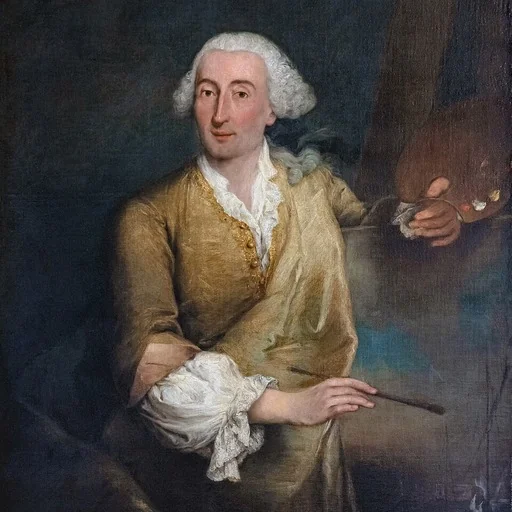
Francesco Lazzaro Guardi (Italian pronunciation: ; 5 October 1712 – 1 January 1793) was an Italian painter, nobleman, and a member of the Venetian School.