Artwork
A eclusa de Dolo
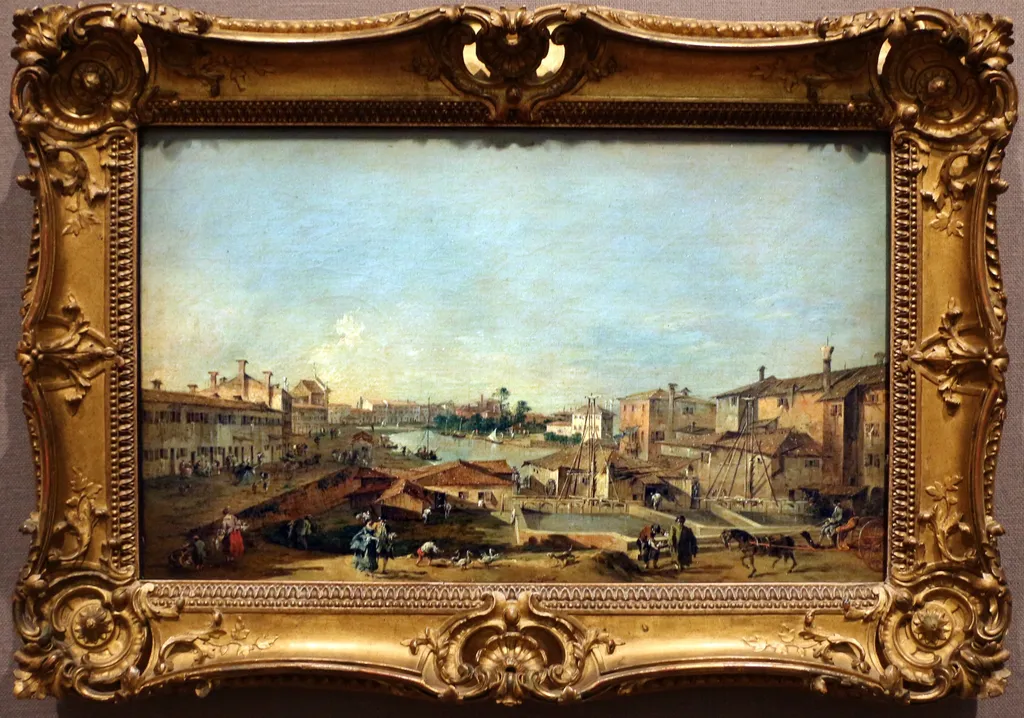
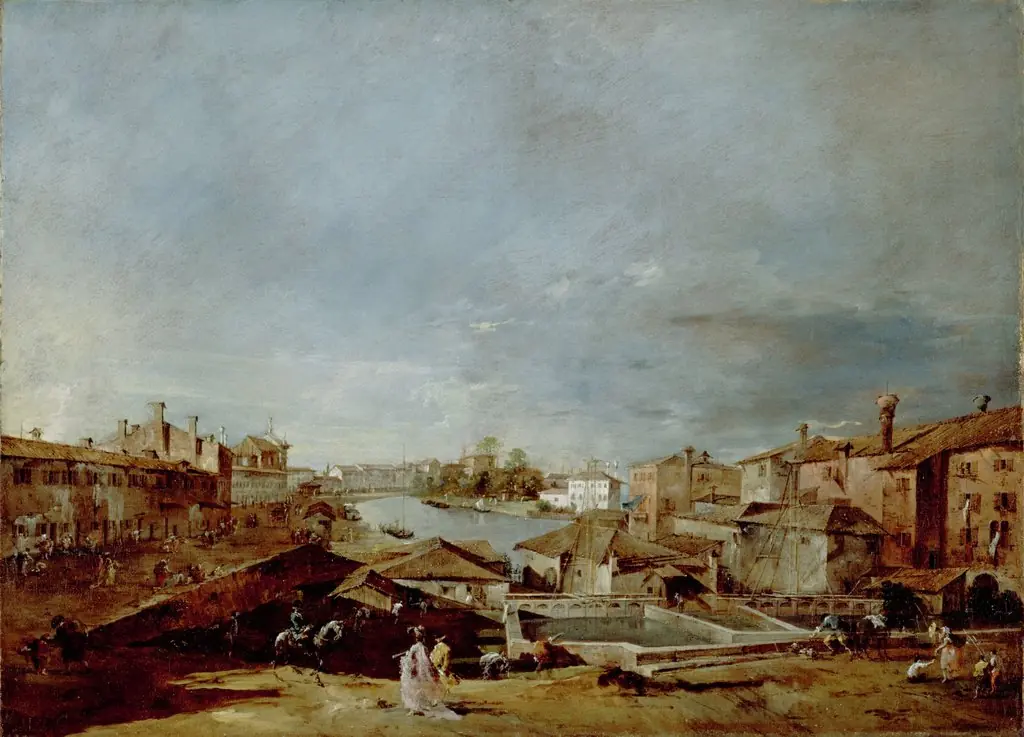
A eclusa de Dolo is an unspecified painting by the Rococo painting artist Francesco Guardi. It dates from 1774 and is held in the collection of the Calouste Gulbenkian Museum.
About this work
Overview
Guardi’s approach to the *veduta* genre emphasized mood over topographical precision, distinguishing his work within the late Venetian School.
Painted in 1774 by Francesco Guardi, *A eclusa de Dolo* is a Venetian landscape depicting a canal lock in the town of Dolo on the mainland. Created during the artist’s mature period, it reflects his shift from religious commissions to atmospheric views of everyday scenes. Guardi’s approach to the *veduta* genre emphasized mood over topographical precision, distinguishing his work within the late Venetian School.
Subject & Meaning
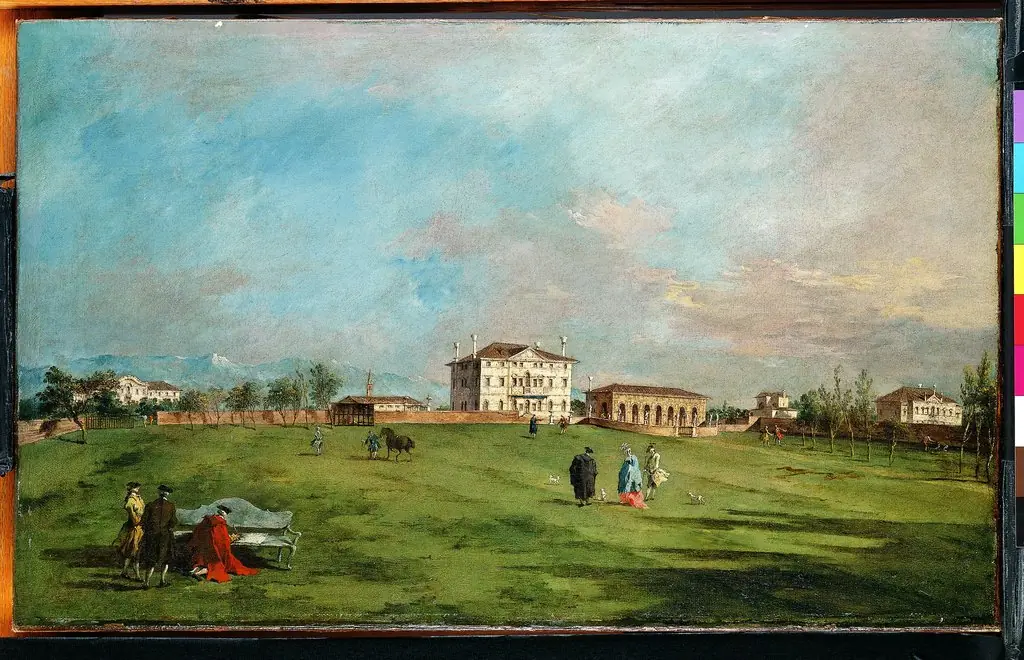
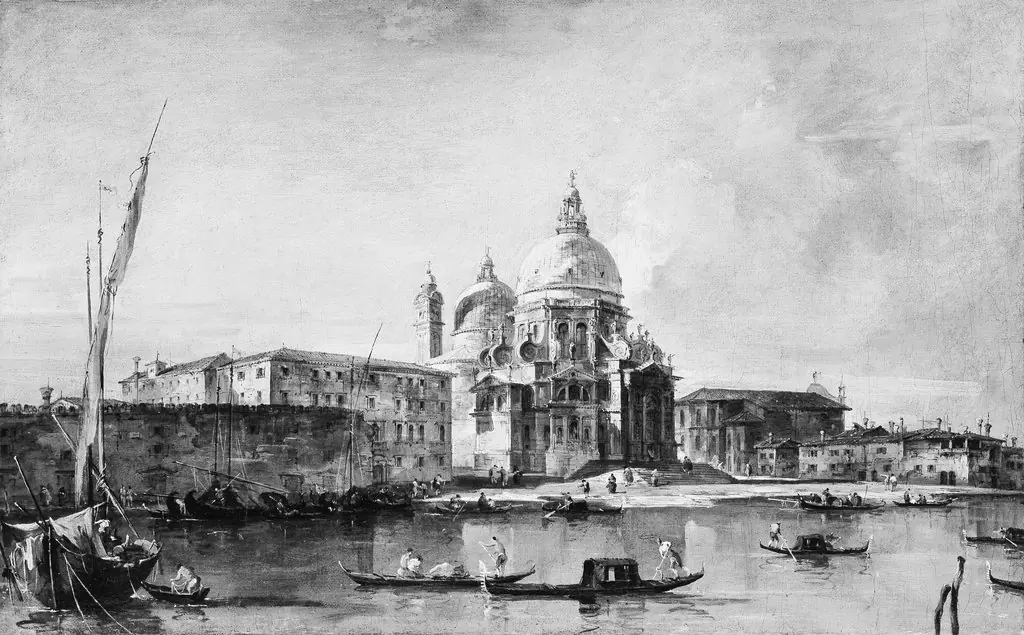
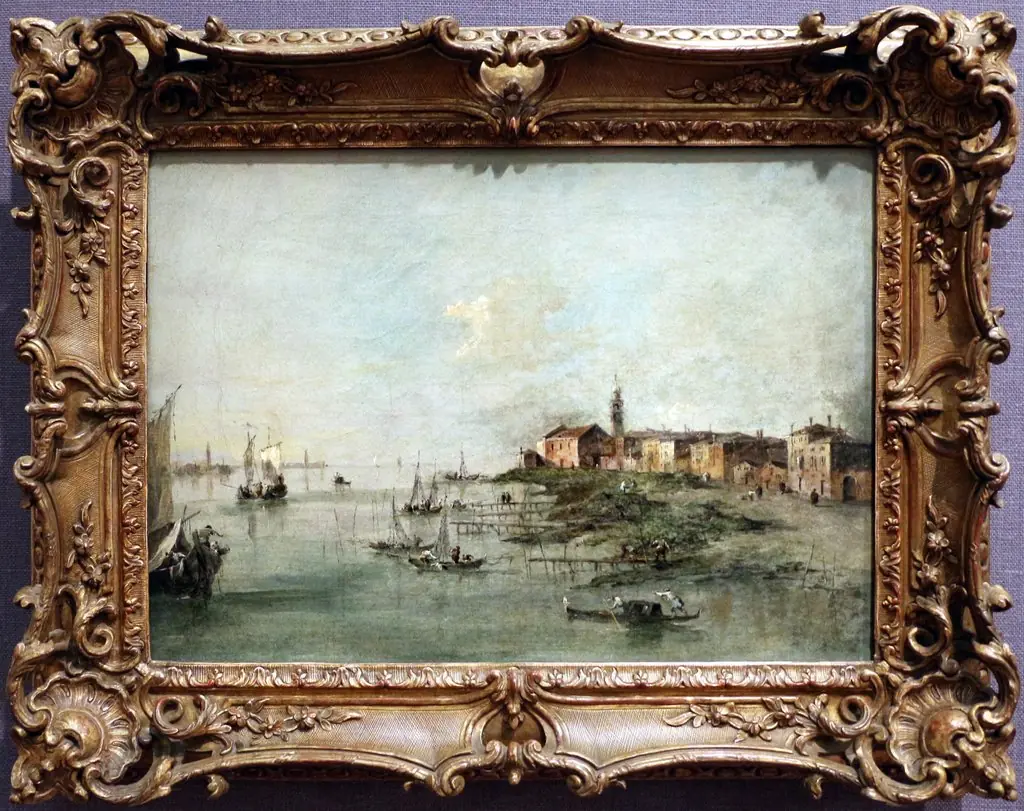
The painting captures a quiet moment at a canal lock, where locals gather near the water and move along its banks. No grand narrative is present—instead, the focus lies in the rhythm of daily life: figures engaged in routine tasks, boats gently moored, and the interplay of architecture and water. The scene reflects the quiet functionality of Venice’s inland waterways, valued for transport and commerce rather than spectacle.
Technique & Style
Guardi employed loose, fluid brushwork to suggest form rather than define it, using soft transitions between light and shadow to evoke atmospheric depth. The sky, rendered in pale blues, dissolves into the hazy horizon, while buildings are suggested with warm, muted tones and minimal detail. His technique prioritizes sensory impression over architectural accuracy, aligning with the expressive tendencies of late Rococo.
History & Provenance
The painting entered the collection of the Calouste Gulbenkian Museum in Lisbon, where it remains today. It was created during Guardi’s later years, following his earlier collaborations with his brother Gianantonio on religious subjects. As his style evolved, Guardi increasingly turned to secular landscapes, capturing the changing character of Venetian life as the Republic’s influence waned.
Context
In the late 18th century, Venice’s political power was declining, yet its visual culture remained vibrant. Guardi’s landscapes reflect this transition—scenes of ordinary canals and towns replaced the grand ceremonial views of earlier artists. His work resonates with a sense of quiet observation, capturing the everyday rhythms of a city and its hinterlands in a time of gradual transformation.
Legacy
Guardi’s atmospheric approach to landscape influenced later generations of painters, particularly those drawn to mood and light over detail. Though less celebrated in his own time than Canaletto, his work is now recognized for its emotional resonance and technical innovation. *A eclusa de Dolo* exemplifies his ability to transform mundane scenes into evocative studies of place and light.
Artist & collection
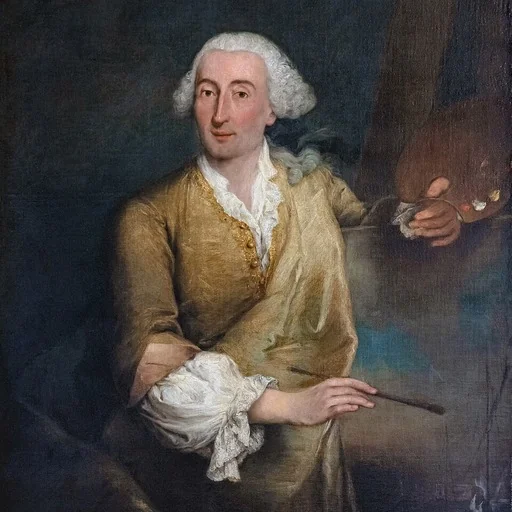
Artist
Francesco Lazzaro Guardi (Italian pronunciation: ; 5 October 1712 – 1 January 1793) was an Italian painter, nobleman, and a member of the Venetian School.