Artwork
Christ Carrying the Cross
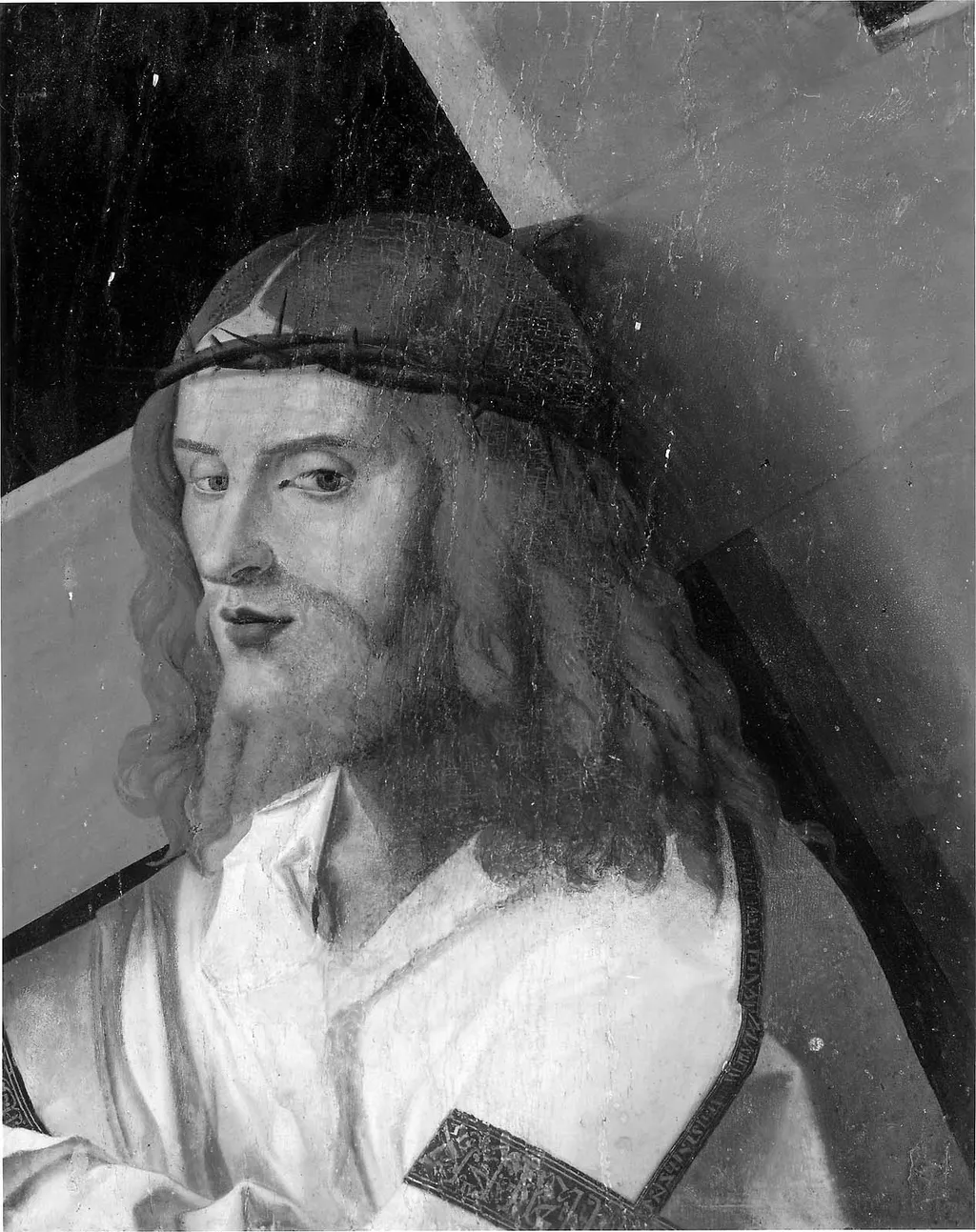
Christ Carrying the Cross is an unspecified painting by Francesco Rizzo da Santacroce. It dates from 1527 and is held in the collection of the Museum of Fine Arts Boston.
About this work
Overview
Christ Carrying the Cross, painted circa 1527 by Francesco Rizzo da Santacroce, is a Renaissance religious painting portraying a pivotal moment in Christian iconography. It is part of the Museum of Fine Arts Boston's collection.
Subject & Meaning
The painting depicts Jesus Christ bearing the cross, conveying a sense of weary burden through his facial expression and posture. The attire, including a white robe and dark hat, and the overall demeanor, evoke the weight of his mission.
Technique & Style
The work employs strong chiaroscuro, with a dark background that accentuates Christ's illuminated face, emphasizing emotional depth through pronounced shadows and highlights. This lighting technique draws focal attention to Christ's weary expression.
History & Provenance
Created between 1507 and 1545 during the artist's activity in Bergamo and Venice, the painting's specific provenance before its acquisition by the Museum of Fine Arts Boston is not detailed here.
Context
Reflective of Renaissance religious art, the piece aligns with the period's emphasis on emotional authenticity and the use of chiaroscuro to convey depth and feeling, common in Italian Renaissance works of the time.
Legacy
As part of a prominent museum collection, *Christ Carrying the Cross* contributes to the visibility of Santacroce's oeuvre and the broader study of Renaissance religious painting techniques and themes.
Artist & collection
Artist
Francesco Rizzo da Santacroce, also known as simply Francesco da Santacroce or Francesco di Bernardo de' Vecchi Da Santa Croce (active 1507 – 1545) was an Italian painter of the Renaissance period, active mainly in Bergamo and Venice.

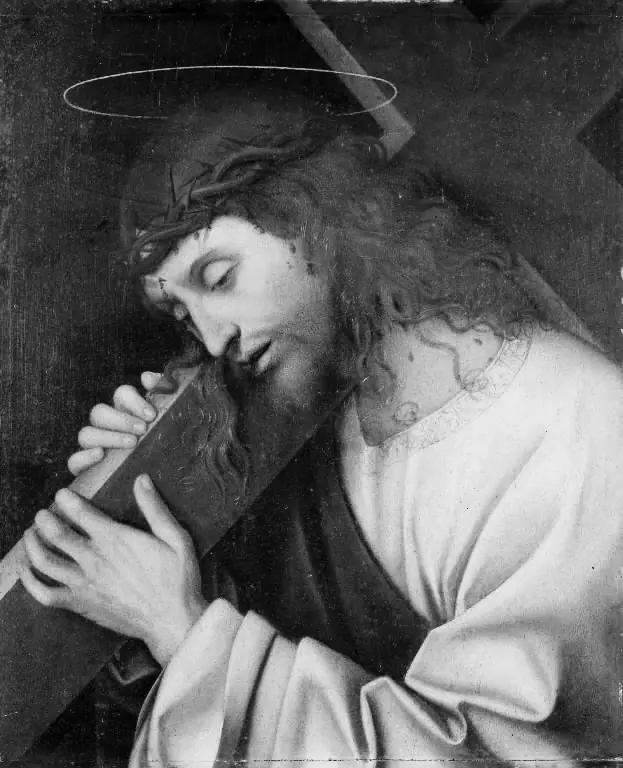 Christ Carrying the Cross
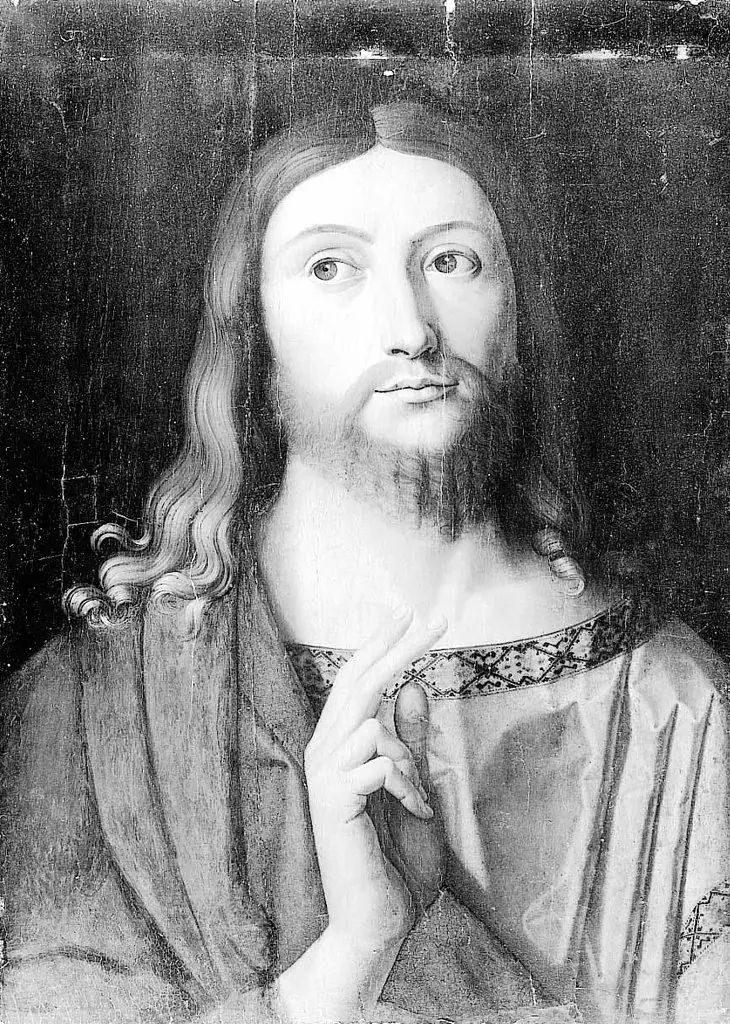 The blessing Christ
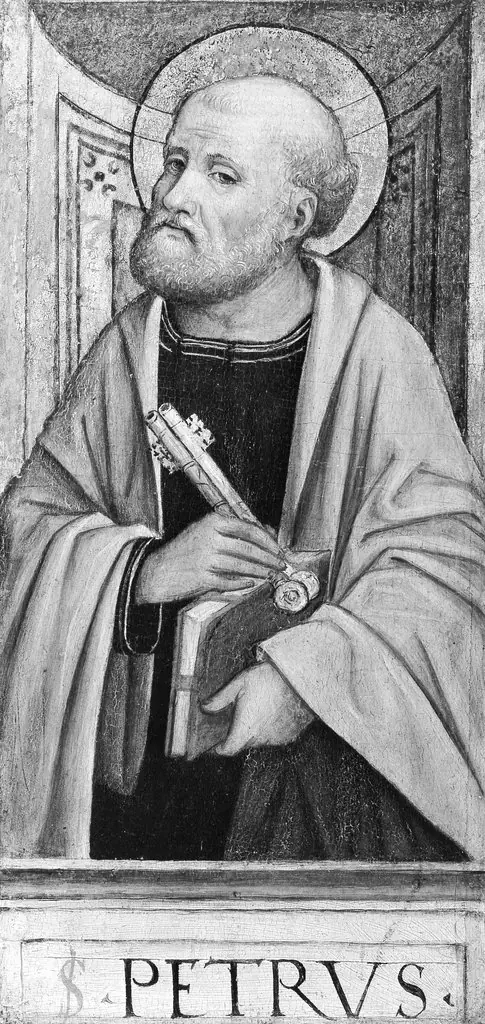 The Twelve Apostles: Saints Bartholomew, Andrew, Matthew, James the Greater, Thaddeus, Philip, James the Lesser, Simon, Peter, Paul, Thomas, and John
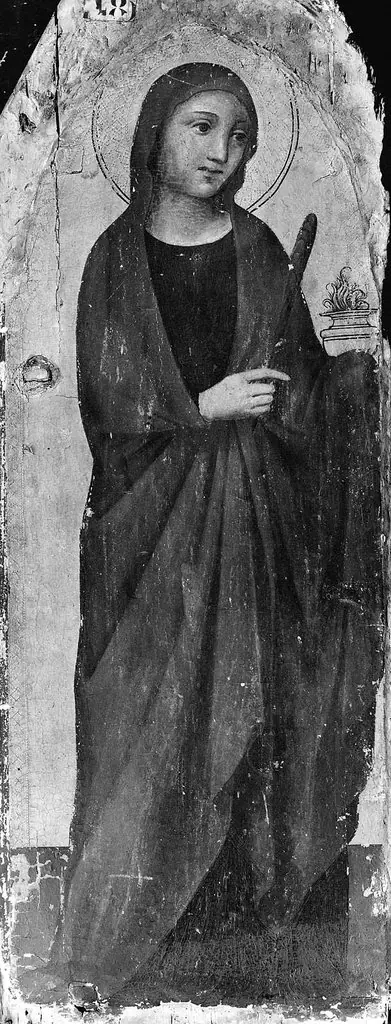 Saint Lucy
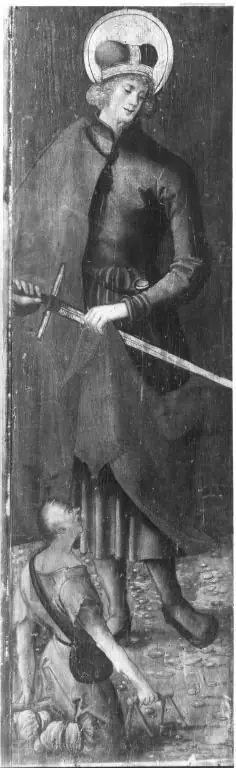 Der hl. Martin Rückseite: Hl. Stephanus(?)
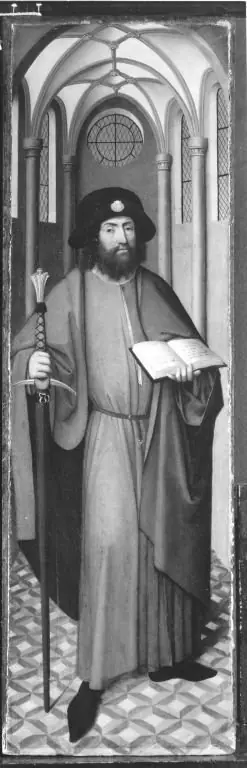 Saint James the Great
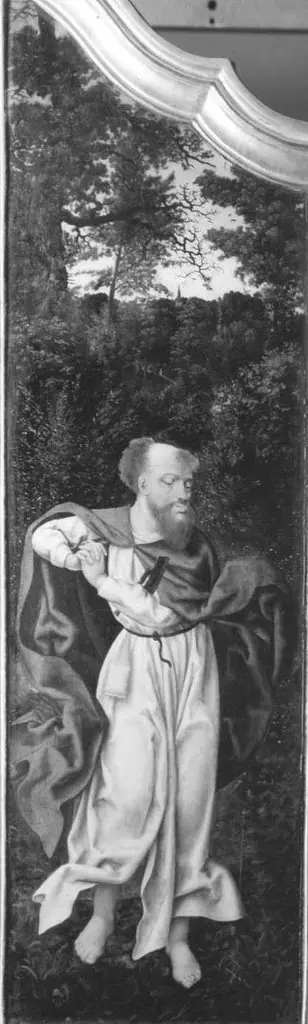 Lamentation triptych: St. Matthew On reverse: Maria of the Annunciation
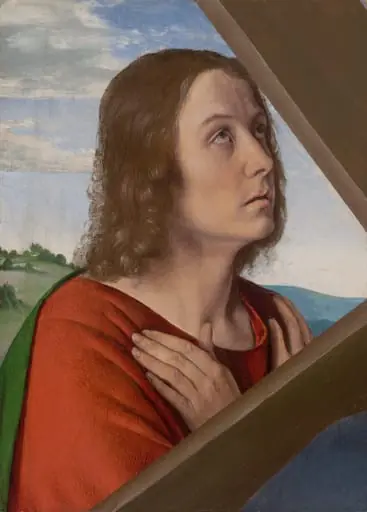 Fragment from Christ Carrying the Cross: Saint John the Evangelist
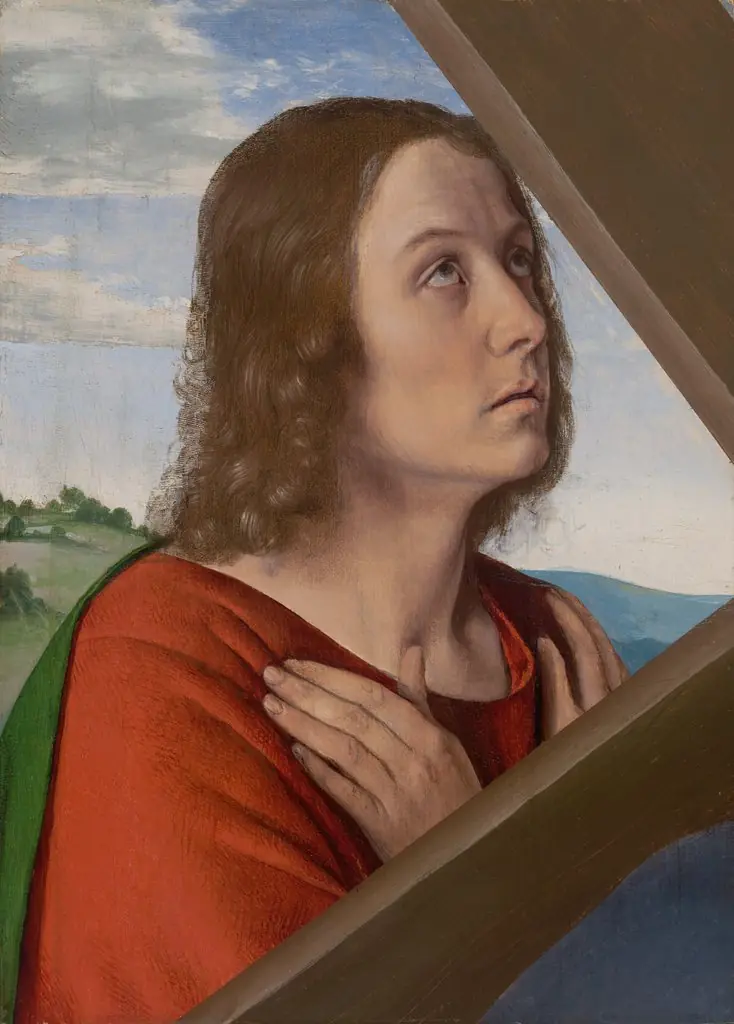 Fragment from Christ Carrying the Cross: Saint John the Evangelist
 Portrait of the Artist
 Saint Nicolas
 Portrait of the Artist