Artwork
Virgin and Child
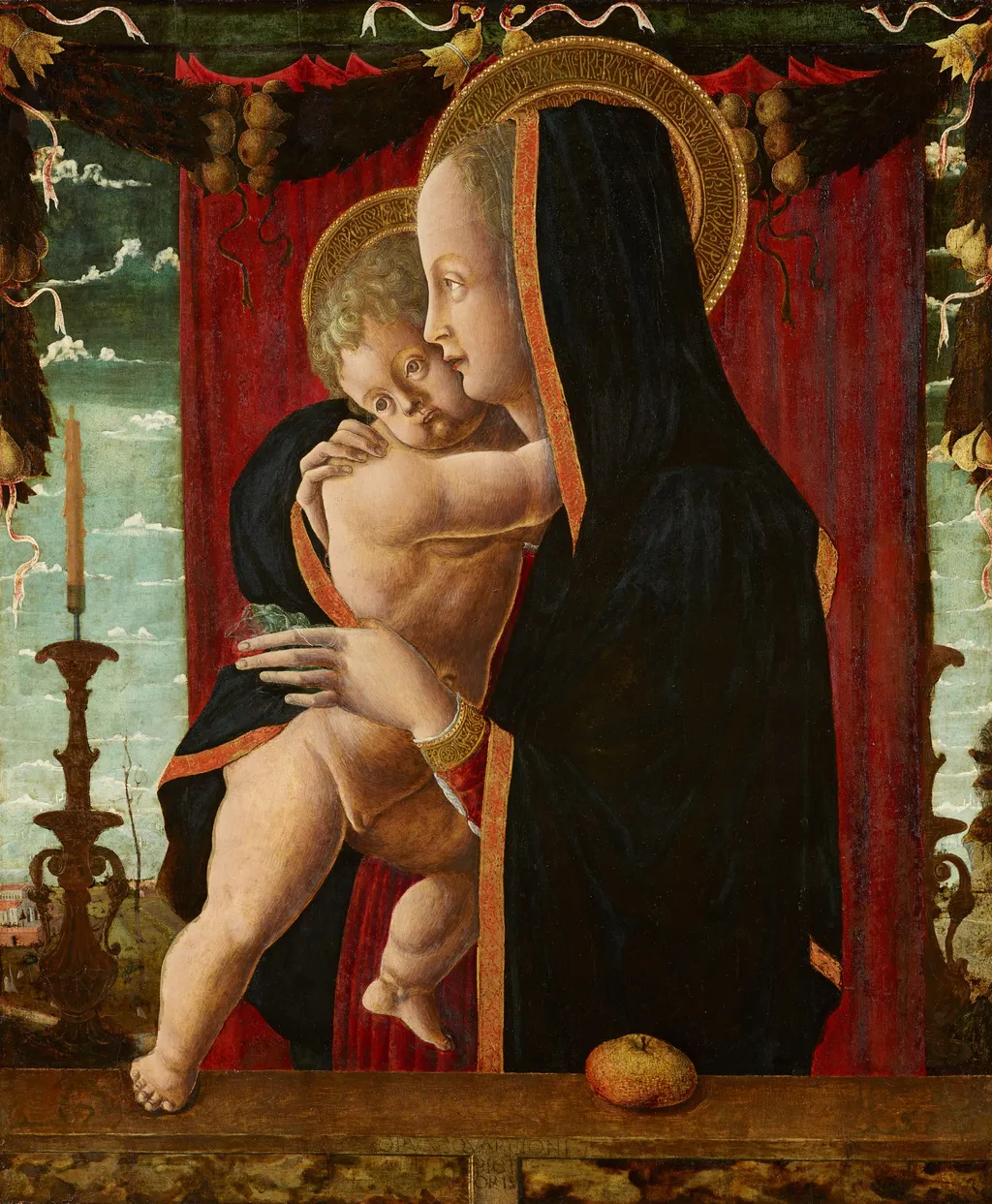
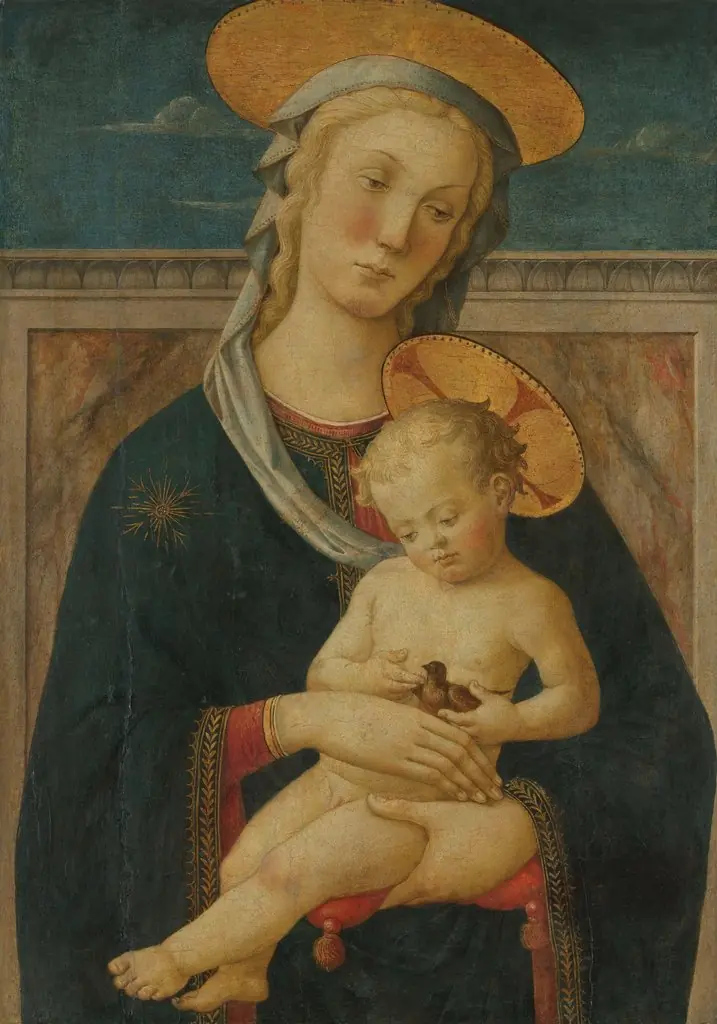
Virgin and Child is a paint painting by the Early Renaissance artist Francesco Squarcione. It dates from 1455 and is held in the collection of the Gemäldegalerie Berlin.
About this work
Overview
Created in 1455, the Virgin and Child is a tempera painting executed on a poplar panel. It bears the artist’s signature and date, confirming its attribution to Francesco Squarcione. The work is one of only two pieces that can be definitively linked to Squarcione, and it currently resides in Berlin’s Gemäldegalerie.
Subject & Meaning
The composition presents the Virgin Mary holding the infant Jesus, a conventional devotional theme in mid‑15th‑century Italy. The intimate interaction between mother and child reflects the period’s emphasis on humanizing sacred figures, inviting personal contemplation rather than presenting a strictly hierarchical iconography.
Technique & Style
Executed in tempera, the painting displays a crisp, linear quality and a careful handling of spatial depth. The clear contours and measured perspective reveal the influence of Donatello’s sculptural style, particularly his work in Padua during the 1440s, which Squarcione adapted to the painted medium.
History & Provenance
Signed and dated by Squarcione, the panel entered the collection of the Gemäldegalerie in Berlin, where it remains on public display. Its documented provenance is limited, but the work’s secure attribution and dating stem from the artist’s own inscription.
Context
During the decade Donatello resided in Padua (1443‑1453), his sculptural innovations spread among local painters. Squarcione, a prominent teacher in the Veneto, absorbed Donatello’s emphasis on linear perspective and anatomical clarity, integrating these elements into his own panel paintings, as seen in this Virgin and Child.
Own this work as a print
Artist & collection
Artist
Francesco Squarcione (c. 1395 – after May 1468) was an Italian artist from Padua. Squarcione is considered by some to be the head of the first independent school for painters. His pupils included Andrea Mantegna (with…