Artwork
Holy Family with the Infant St. John
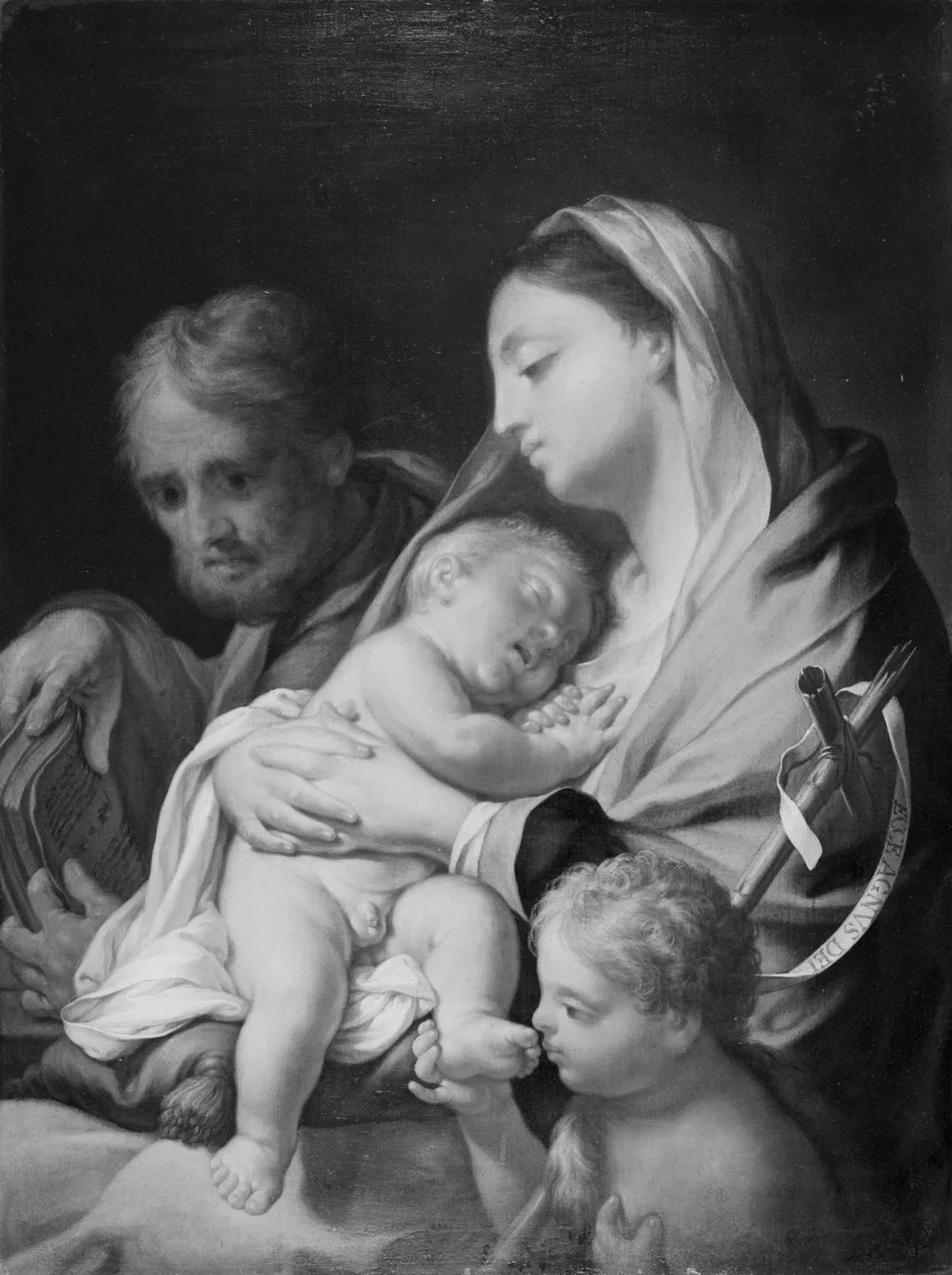
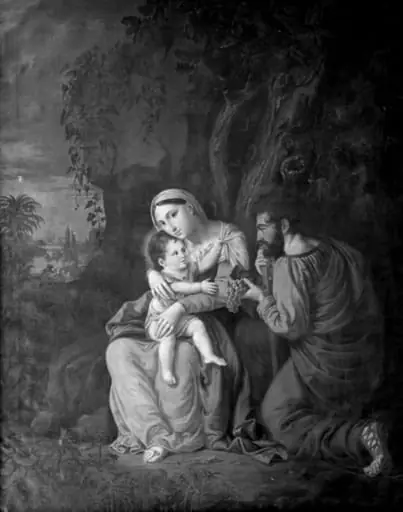
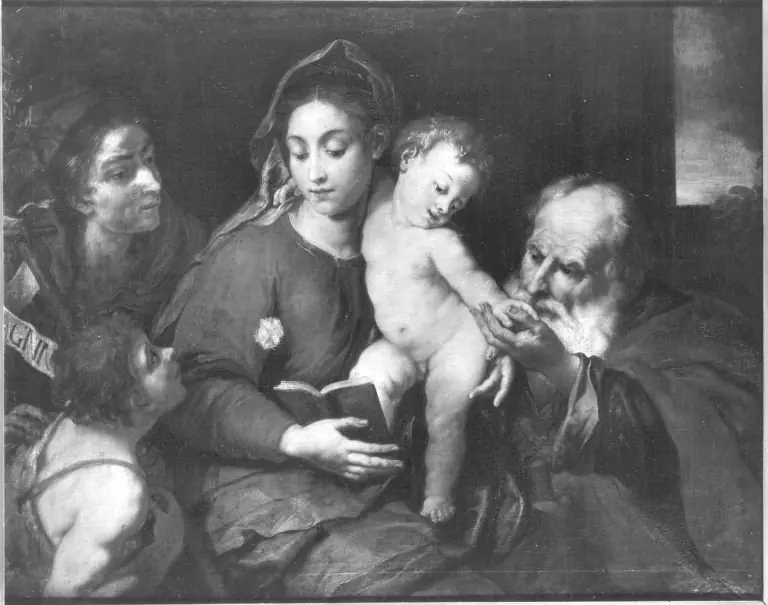
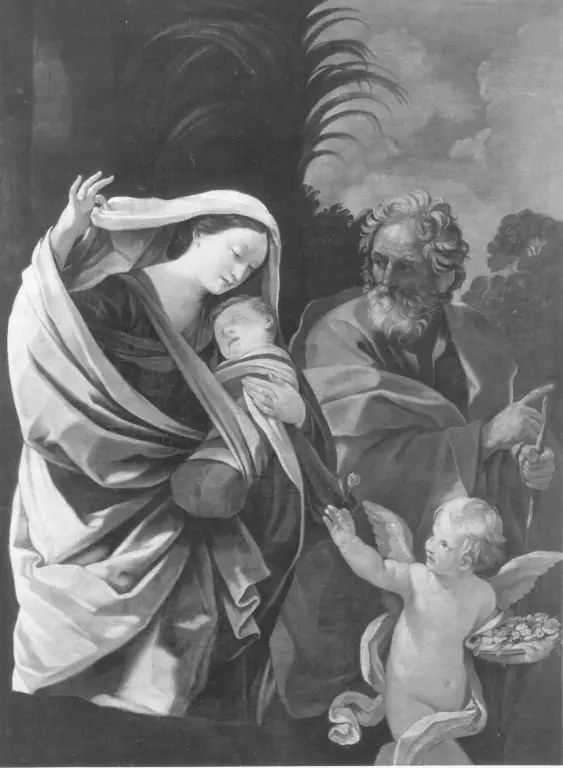
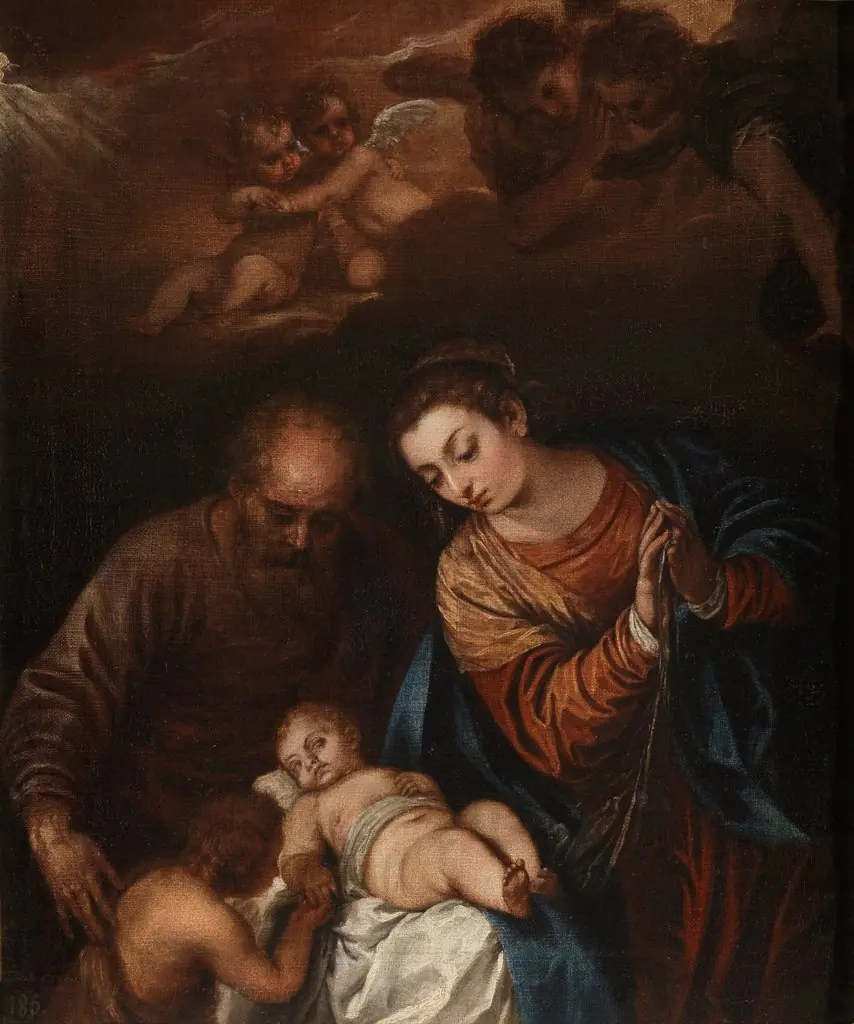
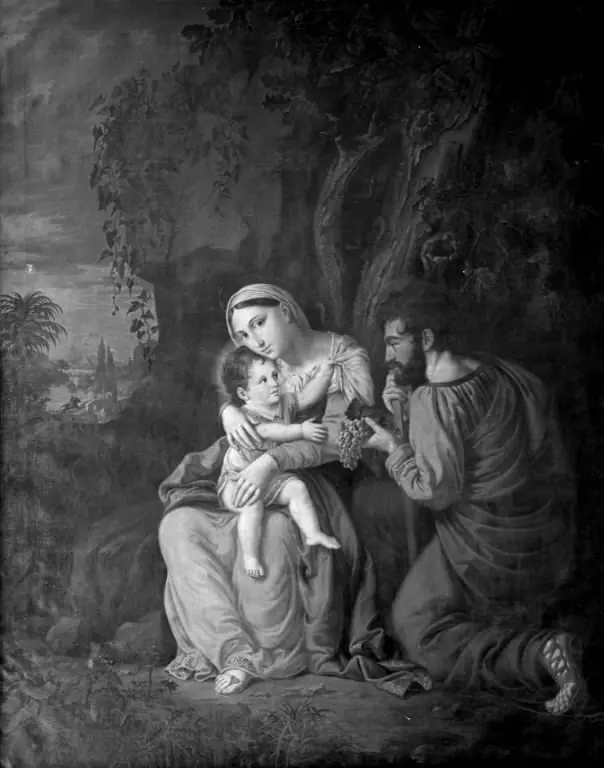
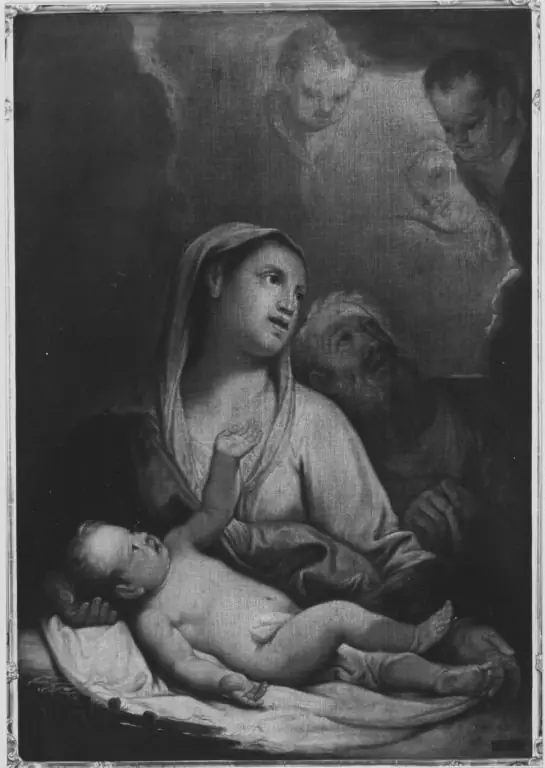
Holy Family with the Infant St. John is an oil painting by the Baroque artist Francesco Trevisani. It dates from 1700 and is held in the collection of the Art Institute of Chicago.
About this work
Overview
Painted around 1700 by Francesco Trevisani, this oil on canvas work presents a devotional scene of the Holy Family with the infant St.
Painted around 1700 by Francesco Trevisani, this oil on canvas work presents a devotional scene of the Holy Family with the infant St. John the Baptist. Trevisani, an Italian artist active in the transition from Baroque to Rococo, employed the medium to convey spiritual intimacy through naturalistic figures and soft lighting. The painting is part of the Art Institute of Chicago’s collection, reflecting its enduring presence in Western art historiography.
Subject & Meaning
The composition centers on the Virgin Mary, the Christ Child, and the young St. John the Baptist, gathered in a tender, domestic moment. Rather than emphasizing grandeur, the scene invites quiet contemplation, suggesting familial bonds as a reflection of divine harmony. The inclusion of St. John, traditionally depicted as a precursor to Christ, reinforces theological themes of recognition and devotion within an intimate setting.
Technique & Style
Trevisani applied oil paint with subtle gradations of light and shadow, employing chiaroscuro to model forms and enhance spatial depth. His palette favors warm, muted tones—ochres, soft reds, and creamy whites—that unify the figures in a hushed, enveloping glow. The brushwork is refined but unobtrusive, prioritizing emotional resonance over dramatic flourish, aligning with the restrained elegance of his mentor Carlo Maratta’s style.
History & Provenance
Created circa 1700, the painting emerged during Trevisani’s mature period, following his involvement in decorative fresco cycles such as those in San Silvestro in Capite (1695–96). While its early ownership remains undocumented, it entered the Art Institute of Chicago’s collection in the 20th century, where it has been preserved as an example of early 18th-century Roman religious painting.
Context
In early 18th-century Rome, religious imagery continued to dominate commissions, even as stylistic trends shifted toward gentler expressions. Trevisani’s work reflects this transition, balancing Baroque naturalism with emerging Rococo softness. His approach, influenced by Maratta, catered to ecclesiastical patrons seeking devotional clarity without theatricality, distinguishing his output from the more dynamic styles of his contemporaries.
Legacy
Though not widely known outside scholarly circles, Trevisani’s paintings like this one illustrate the quiet evolution of Italian religious art beyond the high Baroque. His emphasis on intimacy and controlled light helped bridge stylistic gaps between the grandeur of the 17th century and the delicate sensibilities of the 18th. The work remains a representative example of Roman studio practice during a period of stylistic transition.
Own this work as a print
Artist & collection
Artist
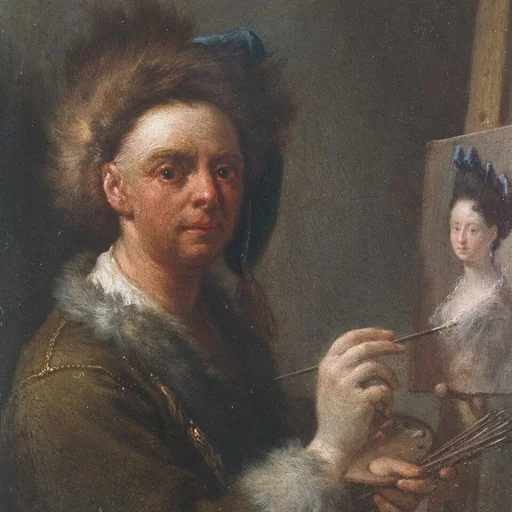
Francesco Trevisani (April 9, 1656 – July 30, 1746) was an Italian painter, active in the period called either early Rococo or late Baroque (barochetto).

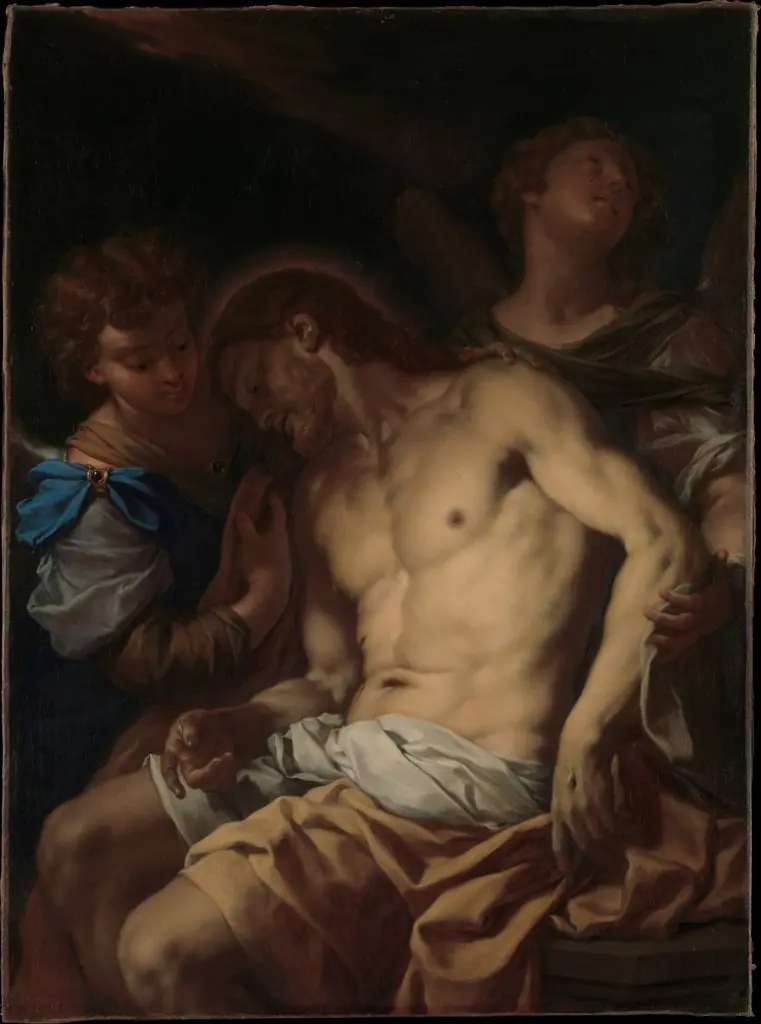 Dead Christ Supported by Angels
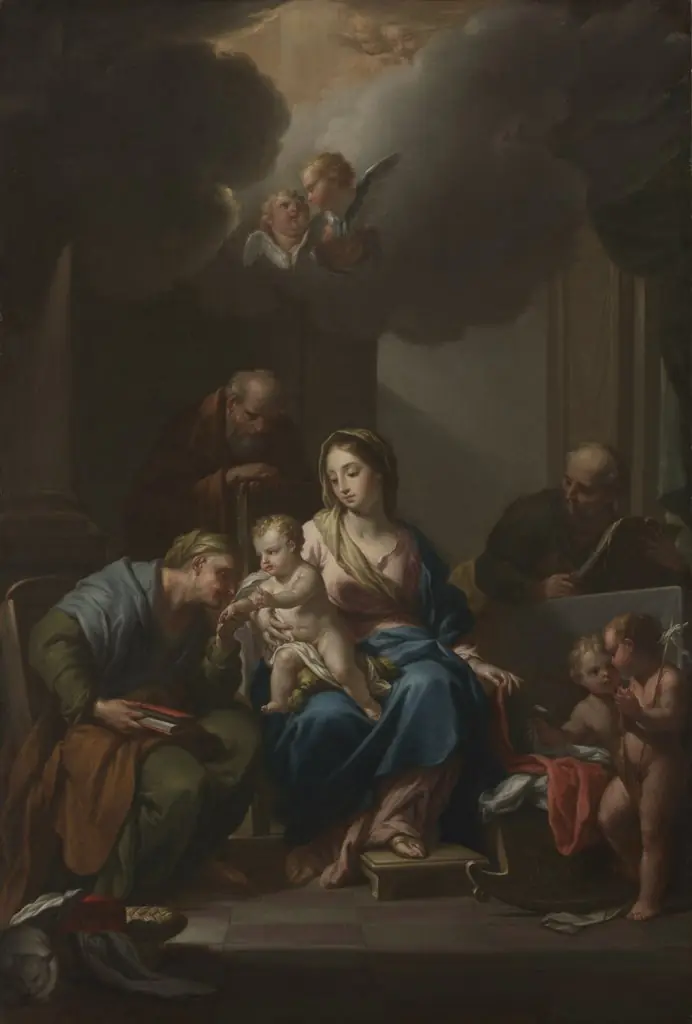 Presentation Sketch for "The Holy Family with Saints Anne, Joachim, and John the Baptist" (for Santa Maria in Via Lata, Roma)
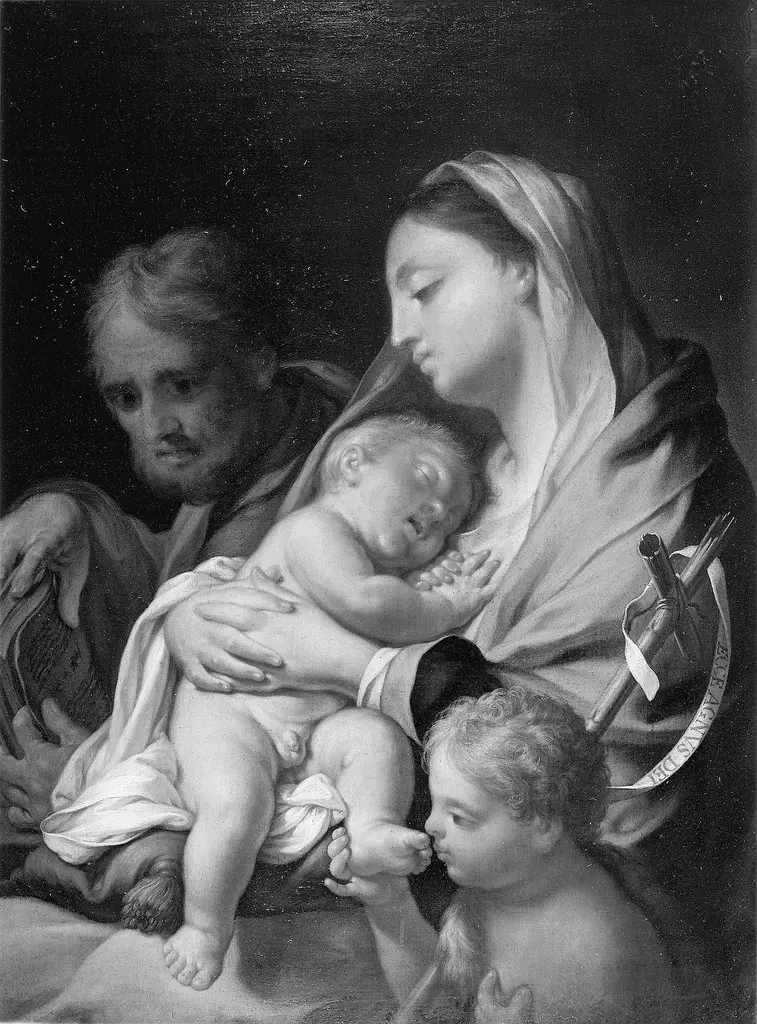 Holy Family with the Infant St. John
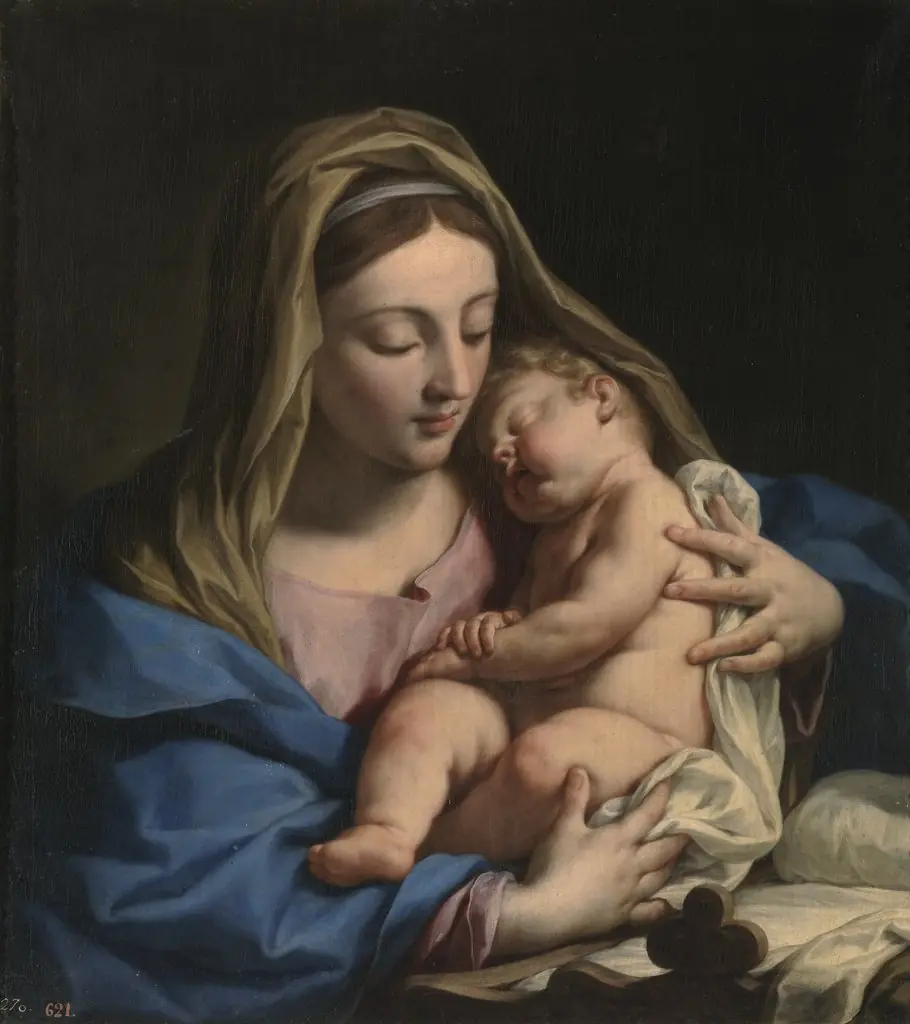 The Virgin and Child
 Hl. Sebastian
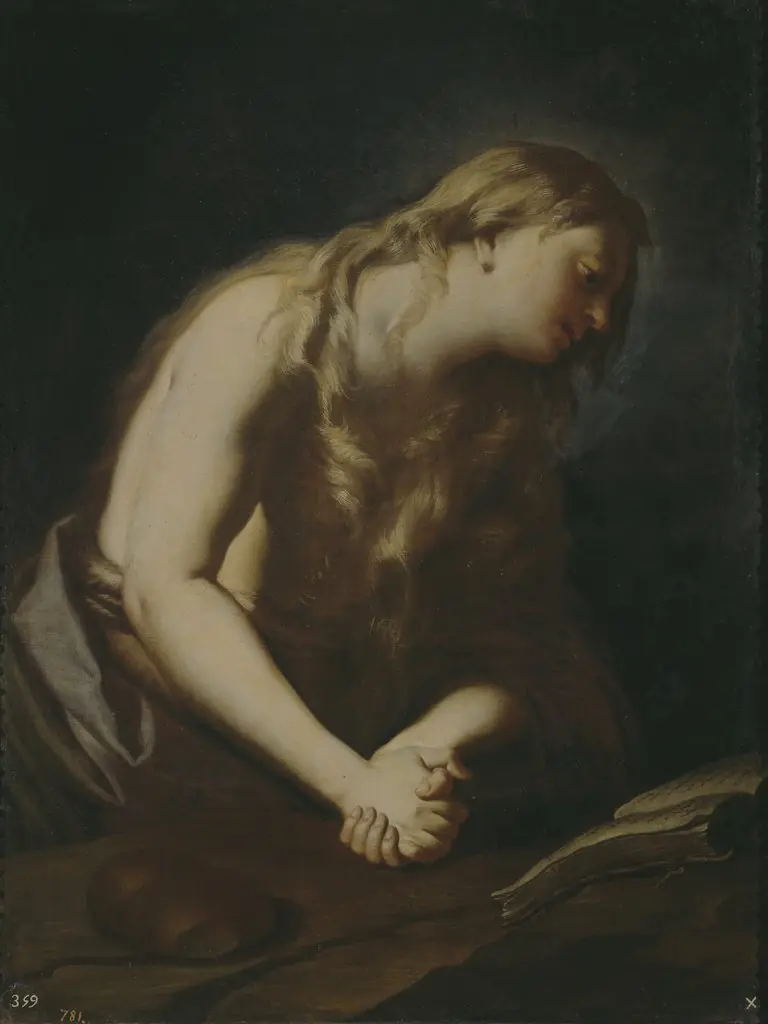 Penitent Magdalen
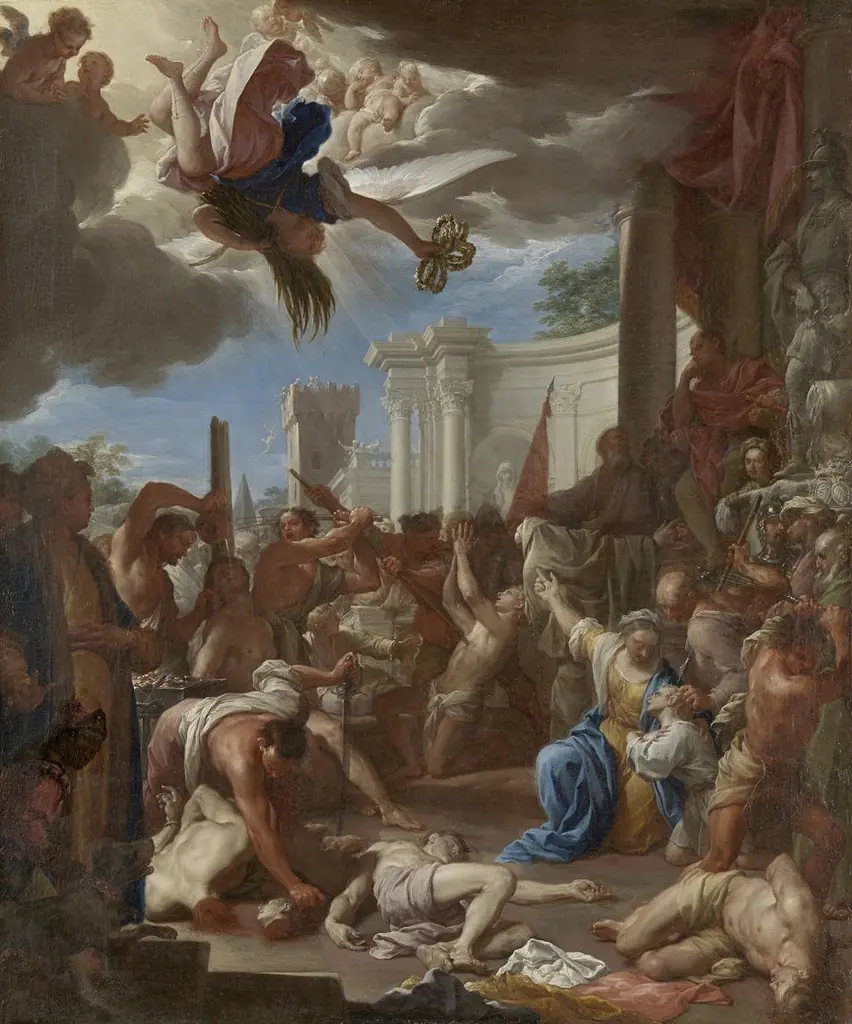 The Martyrdom of the Seven Sons of Saint Felicity
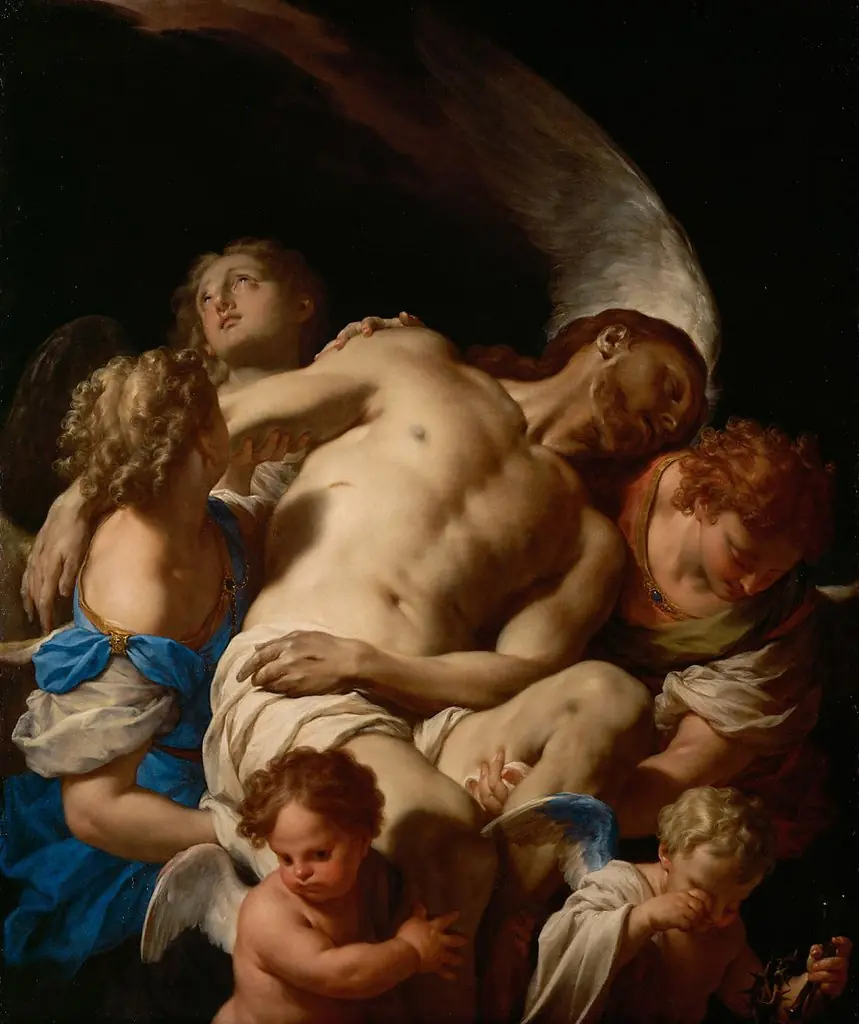 Body of Christ, held by angels