Artwork
Partridges and snipe
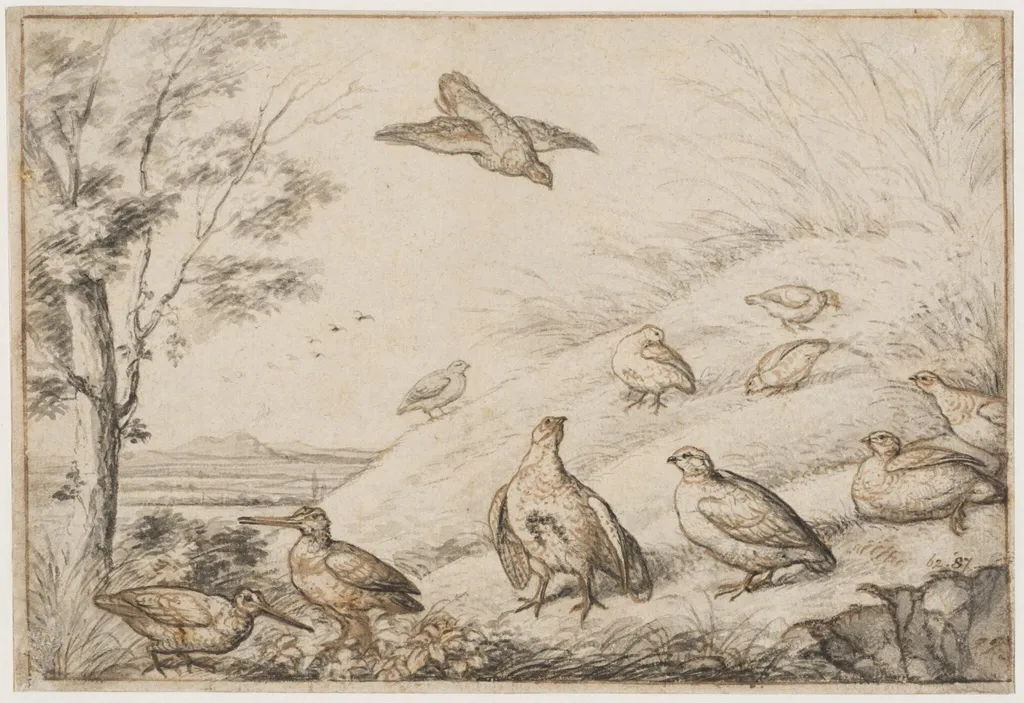
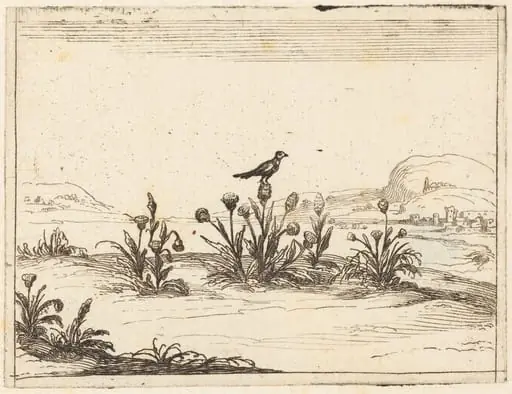
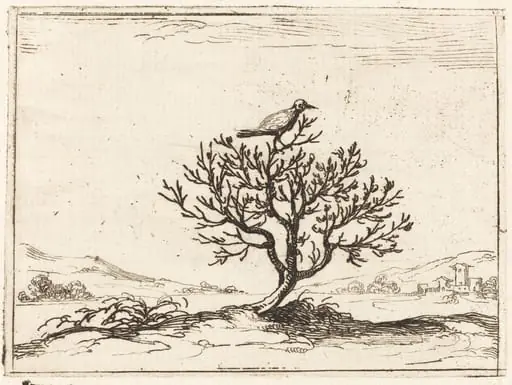
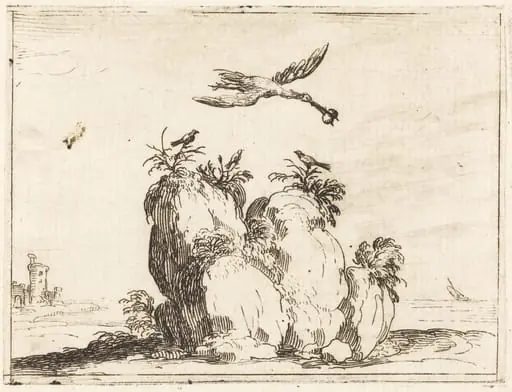
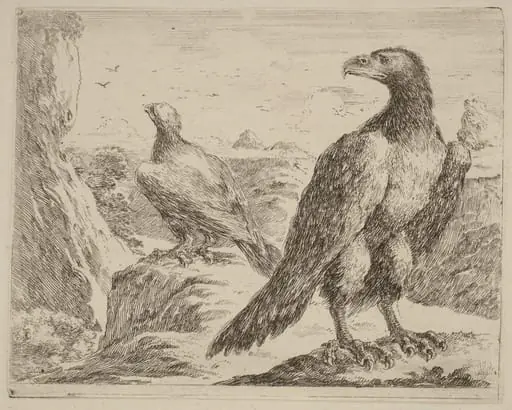
Partridges and snipe is a watercolor work on paper by the Baroque artist Francis Barlow. It dates from 1650 and is held in the collection of the Victoria and Albert Museum.
About this work
Overview
Created in 1650, this watercolour by Francis Barlow depicts a quiet rural scene featuring partridges and a snipe. Executed in delicate washes and light pencil, the work captures birds in natural postures within a minimal landscape. The paper shows signs of age, with subtle fading and surface wear, consistent with its age and handling over centuries.
Subject & Meaning
The composition presents partridges standing near the base of a tree and a snipe in mid-flight above them. No symbolic or narrative elements are evident; the focus is on observational accuracy. The birds are rendered as they might appear in the wild, suggesting an interest in natural history rather than allegory or ornamentation.
Technique & Style
Barlow employed loose, fluid watercolour washes and faint pencil lines to suggest feather texture and motion. The background is subdued—barely defined sky and ground—allowing the birds to dominate. The technique favors spontaneity over precision, reflecting an early naturalist approach that valued immediacy and lifelike presence over elaborate detail.
History & Provenance
The work dates from the mid-seventeenth century and is attributed to Barlow, a known illustrator of wildlife. Its survival in relatively intact condition is uncommon for works of this type and period. While its early ownership is undocumented, it has been preserved in institutional collections since at least the nineteenth century.
Context
Barlow worked during the Baroque era, a time when scientific curiosity about nature was growing alongside artistic innovation. His watercolours contributed to a rising interest in natural history illustration, preceding the more systematic studies of later naturalists. This piece reflects an emerging trend of depicting animals outside of mythological or aristocratic contexts.
Legacy
Though not widely exhibited, Barlow’s watercolours like this one influenced later British naturalist artists. His direct, unembellished style helped establish a visual language for wildlife observation that would be refined in the eighteenth and nineteenth centuries. This work remains a quiet example of early empirical art grounded in close looking.
Artist & collection
Artist
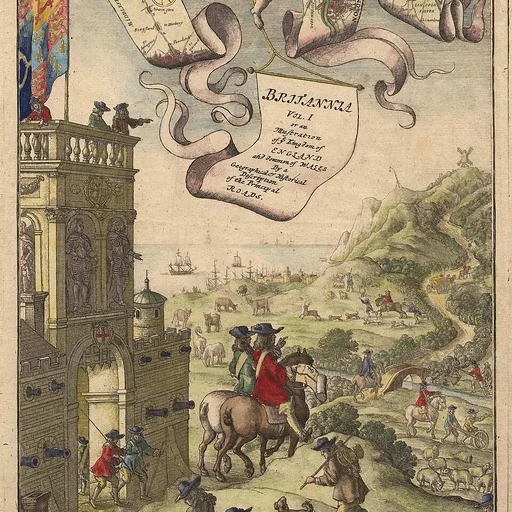
Francis Barlow (c. 1626 – 1704) was an English painter, etcher, and illustrator. He ranks among the most prolific book-illustrators and printmakers of the 17th century, working across several genres: natural history,…