Artwork
Bullfights: The Moors Settled in Spain, Giving Up the Superstitions of the Qur’an, Adopted this Art of Hunting, and Spear a Bull in the Open
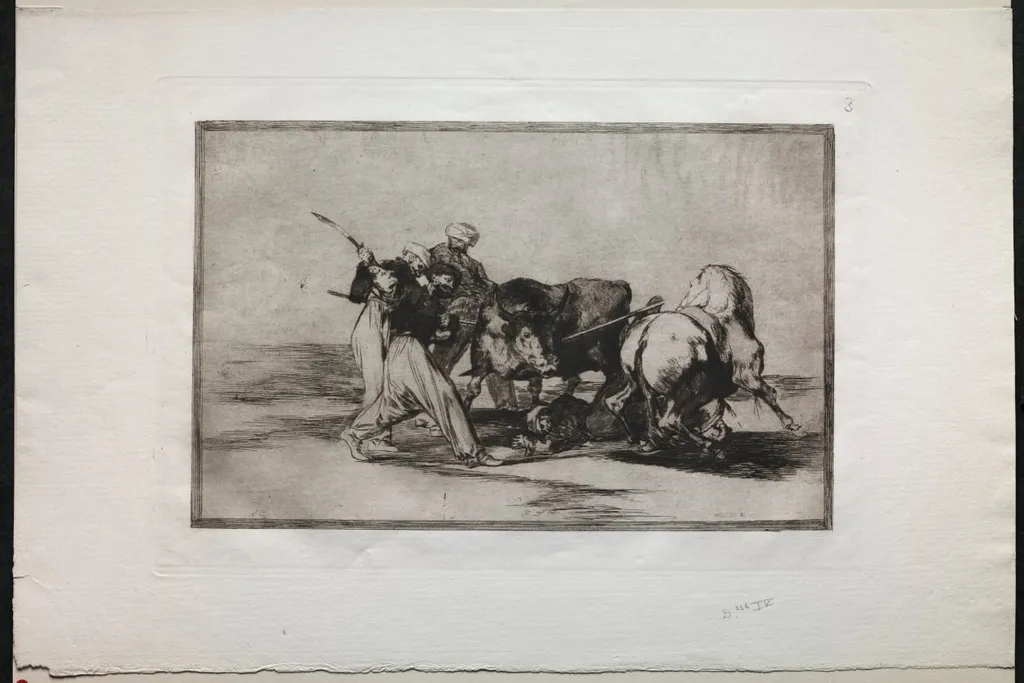
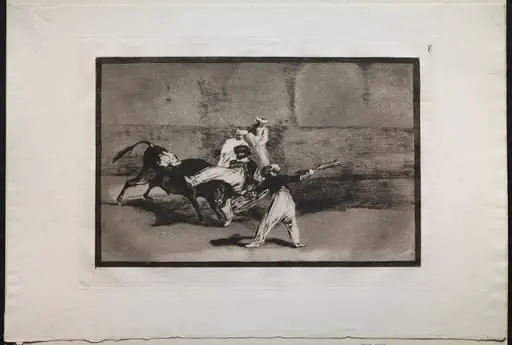
Bullfights: The Moors Settled in Spain, Giving Up the Superstitions of the Qur’an, Adopted this Art of Hunting, and Spear a Bull in the Open is a print by the Romanticist artist Francisco Goya. It dates from 1816 and is held in the collection of the Cleveland Museum of Art. Created in 1816 by Francisco de Goya, this ink drawing captures a moment in a Spanish bullfight.
About this work
Overview
Created in 1816 by Francisco de Goya, this ink drawing captures a moment in a Spanish bullfight. Executed with rapid, unrefined strokes, the work belongs to a series exploring rural traditions and cultural transformation. It is currently held at The Cleveland Museum of Art, where it is valued for its expressive immediacy and historical insight into early 19th-century Spanish life.
Subject & Meaning
The image suggests a cultural transition, where older religious customs give way to secular, performative rituals rooted in local identity.
The scene depicts three horsemen pursuing a bull in a muddy landscape, one poised to thrust a spear. Goya frames the event as a symbolic shift: the Moorish influence in Spain, once tied to Islamic traditions, is shown embracing the violent spectacle of bullfighting. The image suggests a cultural transition, where older religious customs give way to secular, performative rituals rooted in local identity.
Technique & Style
Goya employed loose, dark ink lines with minimal shading, creating a sense of motion and urgency. The figures and animal are rendered with energetic, almost chaotic strokes, emphasizing tension and instability. The lack of detail and absence of background depth focus attention on the physical struggle, reinforcing the raw, unpolished character of the moment and the artist’s interest in spontaneous observation.
History & Provenance
This drawing is part of a group of works Goya produced during his later years, often reflecting on Spanish customs and historical change. It entered The Cleveland Museum of Art’s collection through established acquisition channels in the 20th century. Its provenance traces back to Goya’s personal sketches, later preserved by collectors who recognized their documentary and artistic value.
Context
In early 19th-century Spain, bullfighting was evolving from a noble pastime into a popular public spectacle. Goya, observing this shift, linked it to broader societal changes—religious transformation, national identity, and the decline of feudal structures. His sketches, including this one, serve as visual commentaries on how tradition is reshaped by time and collective practice.
Legacy
Goya’s sketch contributed to a broader artistic movement that valued emotional truth over idealized form. Its raw aesthetic influenced later realist and modernist artists drawn to unvarnished depictions of human and animal behavior. The work remains a key example of how personal observation could illuminate complex cultural transitions without overt narration.
Artist & collection
Artist
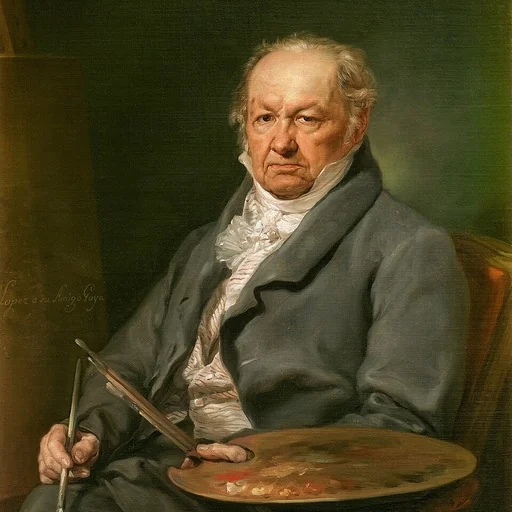
Francisco José de Goya y Lucientes (; Spanish: ; 30 March 1746 – 16 April 1828) was a Spanish romantic painter and printmaker.

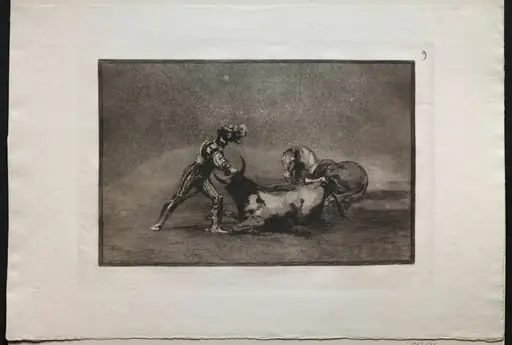 Bullfights: A Spanish Knight Kills the Bull After Having Lost His Horse
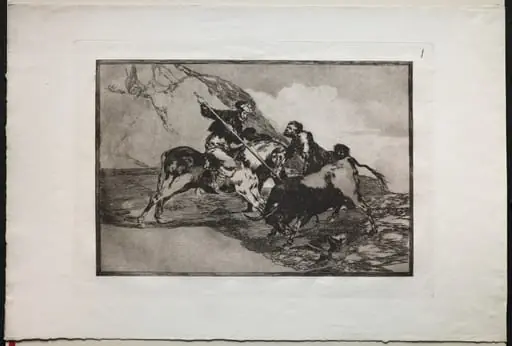 Bullfights: The Way in Which the Ancient Spaniards Hunted Bulls on Horseback in the Open Country
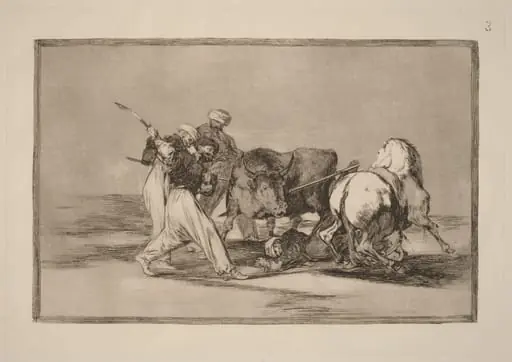 Los moros establecidos en Espana, prescindiendo de las supersticiones de su Alcoran, adoptaron esta caza y arte, y lancean un toro en el campo (The Moors Settled in Spain, Giving up the Superstitions of the Koran, Adopted This Art of Hunting, and Spear a Bull in the Open)
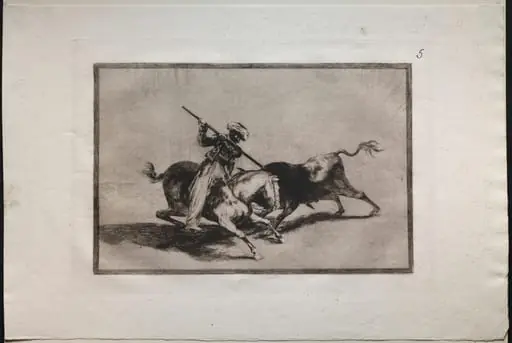 Bullfights: The Spirited Moor Gazul is the First to Fight According to the Rules
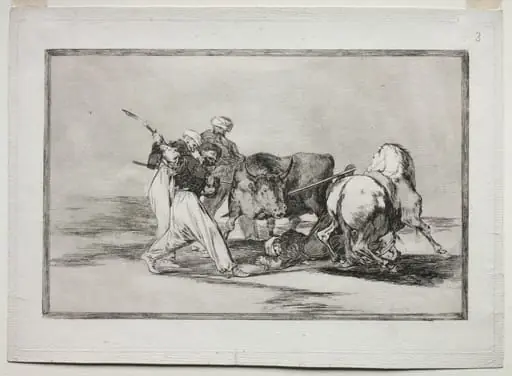 The Moors Settled in Spain, Giving Up the Superstitions of the Qur'an, Adopted this Art of Hunting, and Spear a Bull in the Open
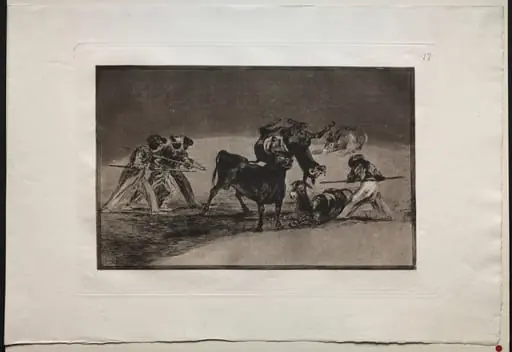 Bullfights: The Moors Use Donkeys as a Barrier to Defend Themselves Against the Bull Whose Horns Have Been Tipped with Balls
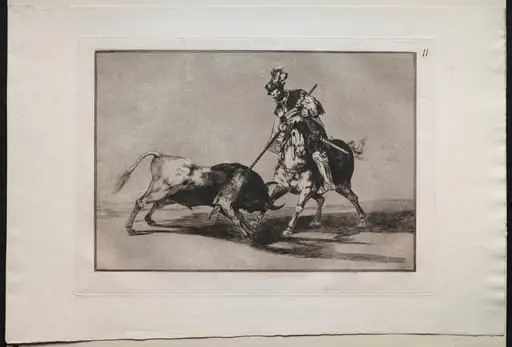 Bullfights: El Cid Campeador Spearing Another Bull
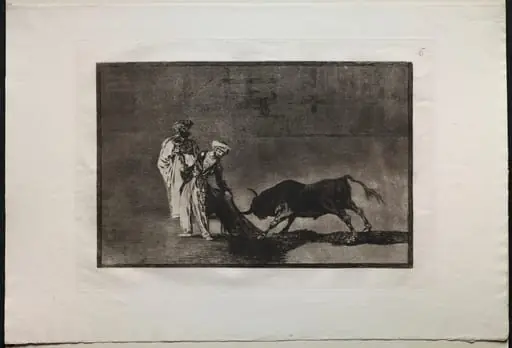 Bullfights: The Moors Make a Different Play in the Ring Calling the Bull with the Burnous
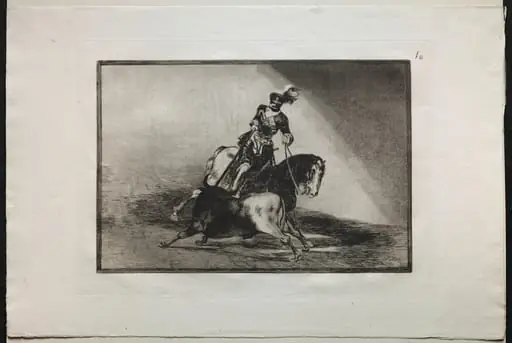 Bullfights: Charles V spearing a bull
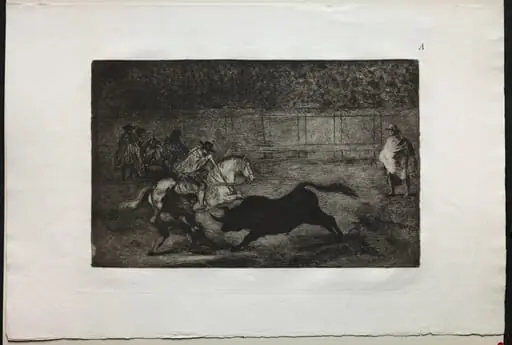 Bullfights: A Spanish Mounted Knight Breaking Short Spears with the Help of Assistants
 Bullfights: A Moor Caught by a Bull in the Ring
 Bullfights: The Same Man Throws a Bull in the Ring at Madrid