Artwork
Neither More Nor Less, Plate 41
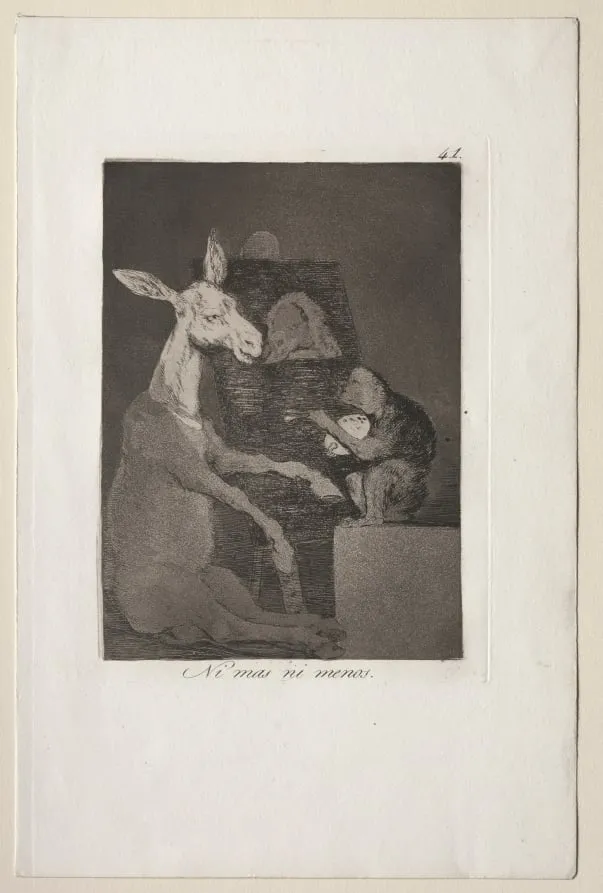
Neither More Nor Less, Plate 41 is a print by the Romanticist artist Francisco Goya. It dates from 1799 and is held in the collection of the Cleveland Museum of Art.
About this work
Try looking up the etching “The Sleep of Reason Produces Monsters” by Francisco de Goya (Spanish, 1746–1828).
This etching shows an old man in rags holding a small sign that reads “Ni más ni menos.” His face is lined deep with age and hardship. The background is plain white, so all focus stays on him and the sign.
Goya made this during a time when Spain was struggling. He often used his art to show the suffering of ordinary people. This print is part of a series that questions social inequality.
Try looking up the etching “The Sleep of Reason Produces Monsters” by Francisco de Goya (Spanish, 1746–1828).
Overview
“Neither More Nor Less, Plate 41” is an etching executed by the Spanish artist Francisco de Goya around 1799. The work is part of Goya’s larger series of prints that explore the conditions of the lower classes, and it is currently in the collection of the Cleveland Museum of Art.
Subject & Meaning
The image presents an elderly, rag‑clad figure clutching a modest placard that bears the words “Ni más ni menos.” The man’s deeply furrowed visage conveys a lifetime of hardship, while the stark white background isolates him, emphasizing his marginal status and the terse declaration of his existence.
Technique & Style
Created with the intaglio process of etching, the print relies on fine line work to render the subject’s weathered features and the crisp lettering of the sign. Goya’s restrained palette of black ink against a blank field heightens the contrast between the figure and the surrounding emptiness, a hallmark of his socially charged graphic oeuvre.
History & Provenance
The plate was produced in the late eighteenth century, a period when Goya was actively publishing series of prints that critiqued contemporary Spanish society. After changing hands among private collectors, the work entered the Cleveland Museum of Art’s holdings, where it remains accessible to scholars and the public.
Context
Goya created this image during a time of political and economic turbulence in Spain, marked by war, famine, and widespread poverty. The etching forms part of a broader visual commentary on social inequality, aligning with other works such as “The Sleep of Reason Produces Monsters,” which together expose the plight of ordinary citizens under oppressive conditions.
Artist & collection
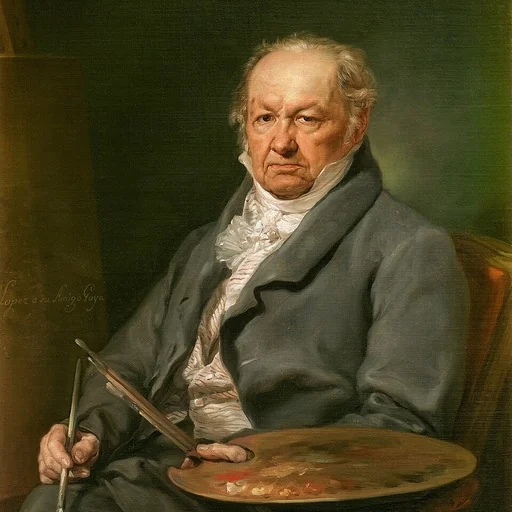
Artist
Francisco José de Goya y Lucientes (; Spanish: ; 30 March 1746 – 16 April 1828) was a Spanish romantic painter and printmaker.

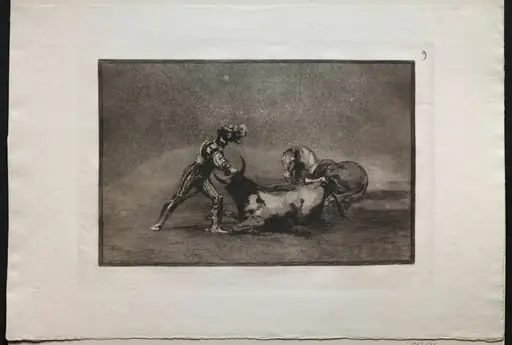 Bullfights: A Spanish Knight Kills the Bull After Having Lost His Horse
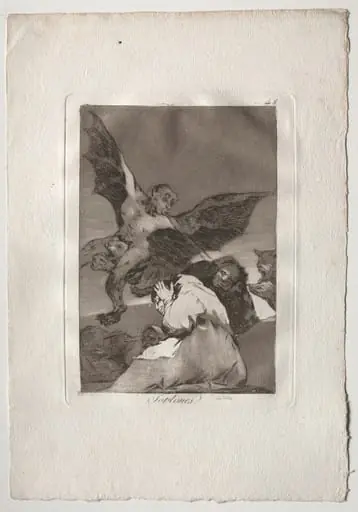 Tale-Bearers - Blasts of Wind, Plate 48
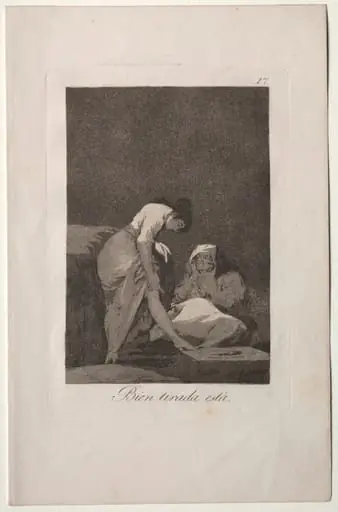 It is Nicely Stretched, Plate 17
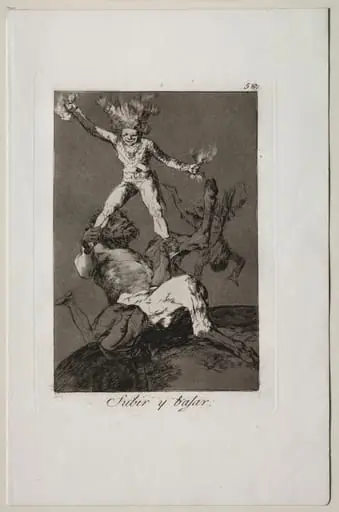 To Rise and to Fall, Plate 56
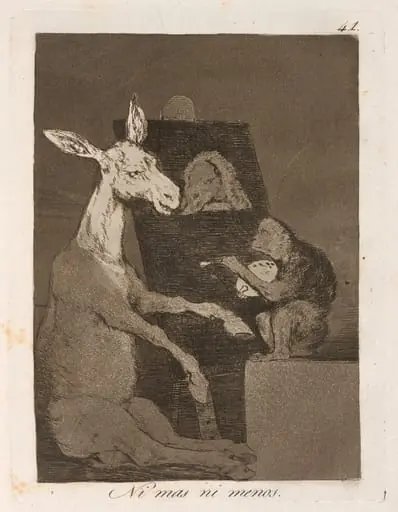 Ni mas ni menos (Neither More nor Less)
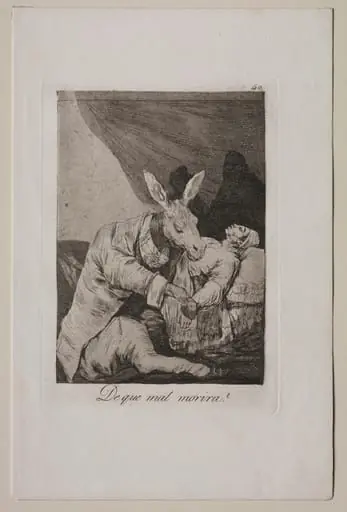 Of What Ill Will He Die?, Plate 40
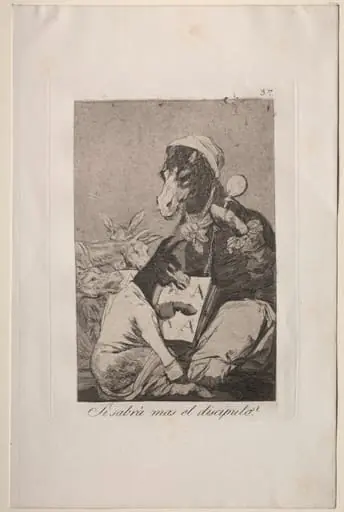 Might Not the Pupil Know More?, Plate 37
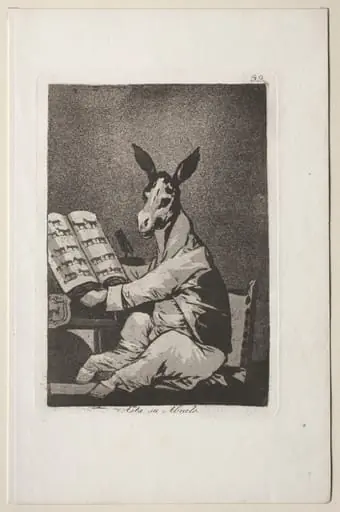 And So was His Grandfather, Plate 39