Artwork
Out Hunting for Teeth, Plate 12
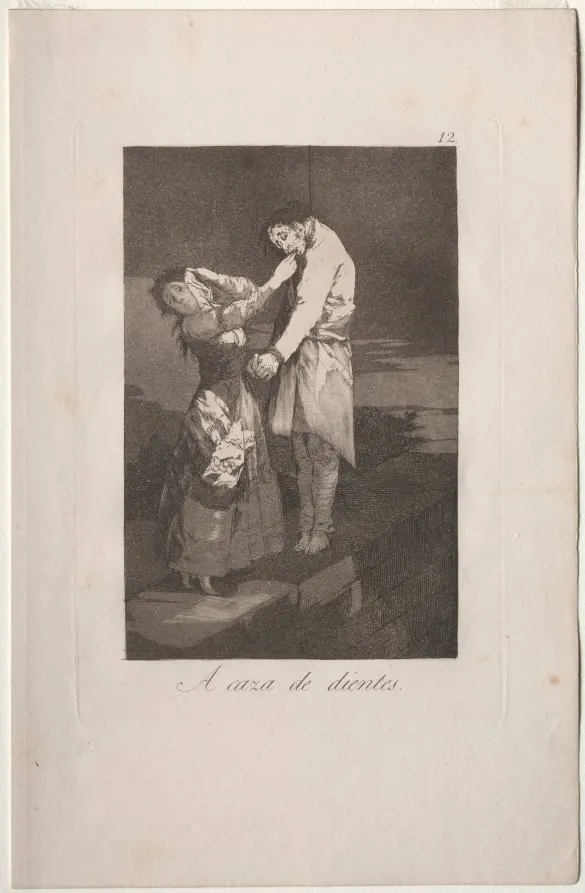
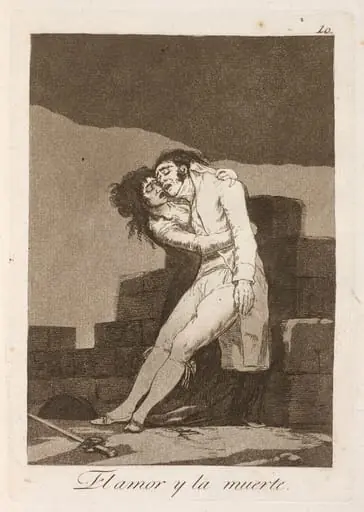
Out Hunting for Teeth, Plate 12 is a print by the Romanticist artist Francisco Goya. It dates from 1799 and is held in the collection of the Cleveland Museum of Art. Created around 1799, 'Out Hunting for Teeth' is the twelfth plate in Francisco de Goya's series 'Los Caprichos.
About this work
Overview
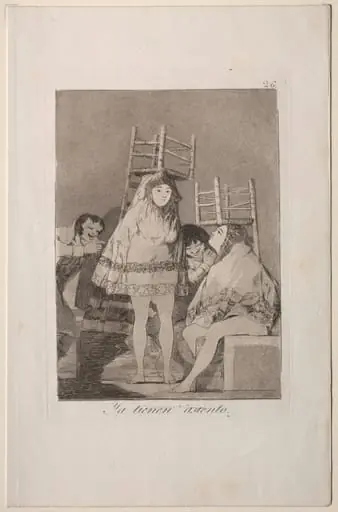
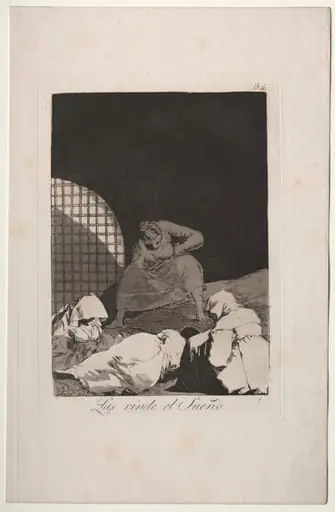
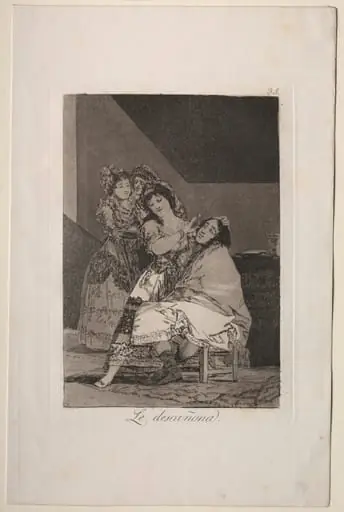
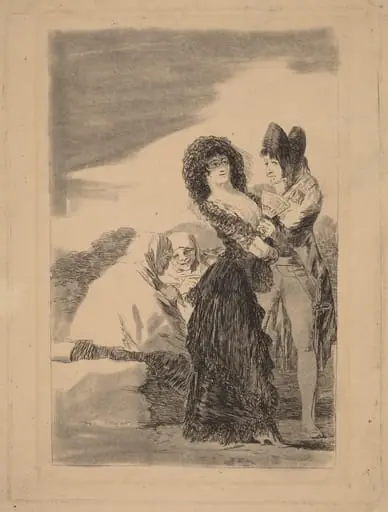
Created around 1799, 'Out Hunting for Teeth' is the twelfth plate in Francisco de Goya's series 'Los Caprichos.' It is a drypoint and aquatint print, notable for its unsettling imagery and psychological tension. The work is part of a larger collection that critiques social and moral failings in Spanish society. It is currently held in the collection of The Cleveland Museum of Art.
Subject & Meaning
The scene depicts a figure kneeling before another seated on a ledge, one hand held to the mouth as if extracting a tooth. The title suggests a grotesque metaphor, implying a violent or exploitative act disguised as care. The figures’ ambiguous roles—helper or aggressor—invite interpretation as a commentary on deception, superstition, or the abuse of power in everyday life.
Technique & Style
The figures emerge from near-total darkness, their forms rendered with rough, expressive lines that heighten emotional unease.
Goya employed drypoint and aquatint to achieve deep contrasts of light and shadow, emphasizing the claustrophobic atmosphere. The figures emerge from near-total darkness, their forms rendered with rough, expressive lines that heighten emotional unease. The lack of detail in the background focuses attention on the intimate, disturbing interaction, characteristic of Goya’s move toward darker, more psychological themes.
History & Provenance
The print was originally published in 1799 as part of Goya’s 'Los Caprichos,' a set of 80 satirical prints he privately issued. It passed through private collections before entering The Cleveland Museum of Art’s holdings. Its survival in good condition reflects its early recognition as a significant work within Goya’s graphic oeuvre.
Context
Created during a period of political and intellectual upheaval in Spain, the print reflects Goya’s disillusionment with Enlightenment ideals. 'Los Caprichos' as a whole targets ignorance, superstition, and corruption. 'Out Hunting for Teeth' aligns with this critique, using bodily violation as a symbol for societal exploitation and the erosion of trust.
Legacy
The print contributed to Goya’s reputation as a precursor to modern art’s engagement with psychological and social darkness. Its unflinching imagery influenced later artists exploring trauma and alienation. Though not widely exhibited, it remains a key example of how printmaking could convey complex, critical narratives beyond traditional portraiture or history painting.
Artist & collection
Artist
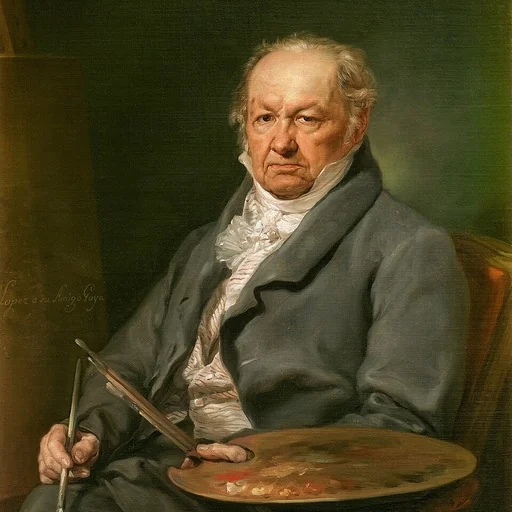
Francisco José de Goya y Lucientes (; Spanish: ; 30 March 1746 – 16 April 1828) was a Spanish romantic painter and printmaker.