Artwork
The Horrors of War: Even Worse
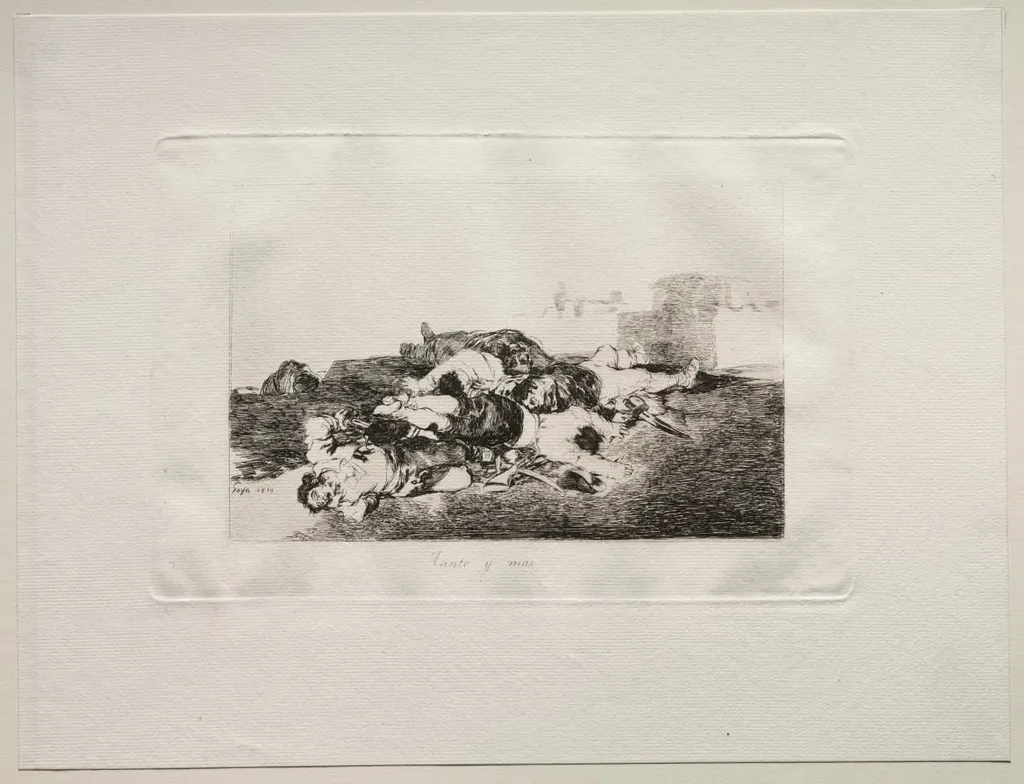
The Horrors of War: Even Worse is a print by the Romanticist artist Francisco Goya. It dates from 1810 and is held in the collection of the Cleveland Museum of Art. Created in 1810, this print by Francisco de Goya is part of a series responding to the violence of the Peninsular War.
About this work
Overview
Its raw immediacy distinguishes it from formal historical narratives, functioning instead as a visceral outcry against conflict.
Created in 1810, this print by Francisco de Goya is part of a series responding to the violence of the Peninsular War. Executed in dark, rapid ink lines, it depicts a grim shoreline littered with corpses. The title, 'Tanto y más'—'So much and more'—suggests the endless escalation of suffering. Its raw immediacy distinguishes it from formal historical narratives, functioning instead as a visceral outcry against conflict.
Subject & Meaning
The scene shows no heroes or battles, only the aftermath: bodies entangled among rocks, half-submerged or buried in debris. The absence of identifiable figures or symbols universalizes the loss. The title implies the horror depicted is not exceptional but representative of a broader, unrelenting brutality. Goya avoids glorification, focusing instead on the physical and moral decay wrought by war.
Technique & Style
Goya employed swift, jagged ink strokes to convey chaos and urgency. The lack of fine detail forces the viewer to confront the mass of suffering rather than individual stories. Contrasts between dark, dense forms and the empty, turbulent sea heighten the sense of desolation. The sketch-like quality suggests spontaneity, as if the image was drawn in real-time response to horror.
History & Provenance
The print was made during Goya’s series documenting the atrocities of the Napoleonic occupation of Spain. It was not published publicly at the time but circulated privately among intellectuals. The Cleveland Museum of Art acquired it as part of a larger collection of Goya’s graphic works, preserving its role as a private testament to wartime trauma.
Context
Produced amid the chaos of the Peninsular War, this work reflects Goya’s disillusionment with both French occupation and Spanish resistance. Unlike official war imagery, it rejects heroism and spectacle. It aligns with emerging Romantic sensibilities that valued emotional truth over idealized form, yet its rawness pushes beyond aesthetics into moral witness.
Legacy
This print contributed to a shift in how war was represented in art—away from glorification toward unflinching documentation of its human cost. Its influence can be traced in later anti-war imagery, particularly in 20th-century photography and printmaking that prioritized witness over narrative. Goya’s unembellished vision became a model for art as ethical testimony.
Artist & collection
Artist
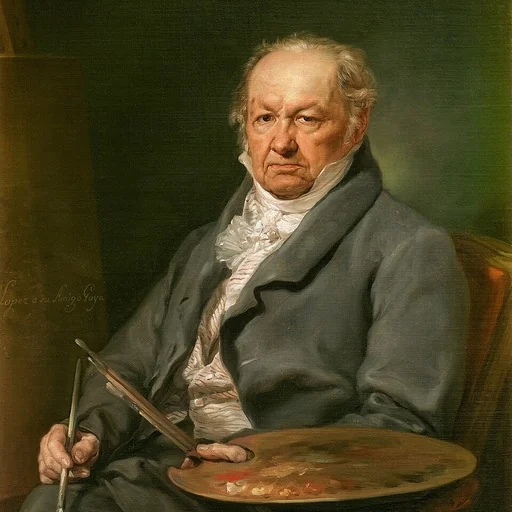
Francisco José de Goya y Lucientes (; Spanish: ; 30 March 1746 – 16 April 1828) was a Spanish romantic painter and printmaker.

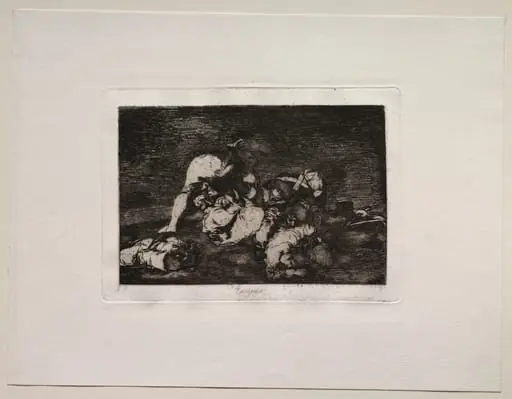 The Horrors of War: Nor (Do These) Either
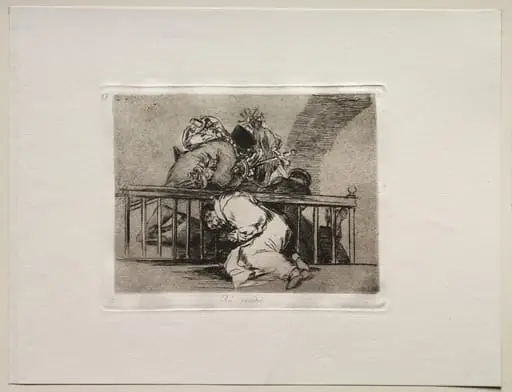 The Horrors of War: This is How it Happened
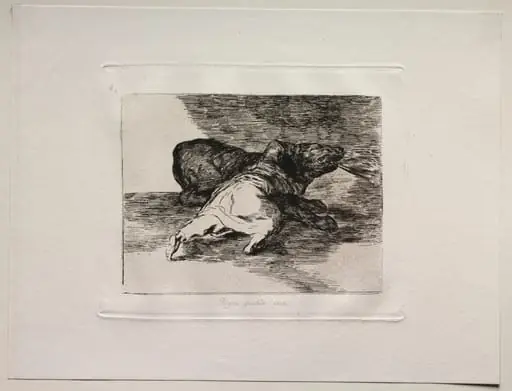 The Horrors of War: He Gets Something Out of It.
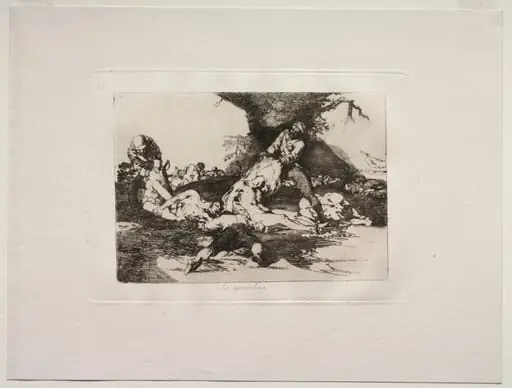 The Horrors of War: They Make Use of Them
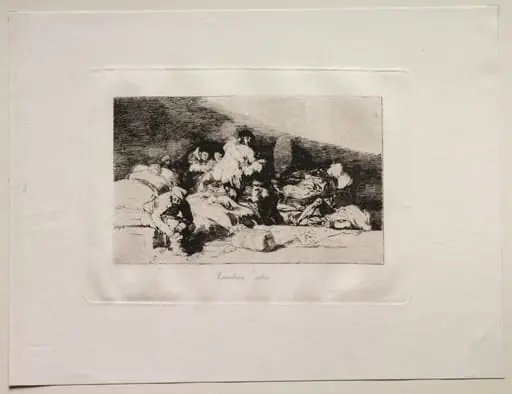 The Horrors of War: These Too
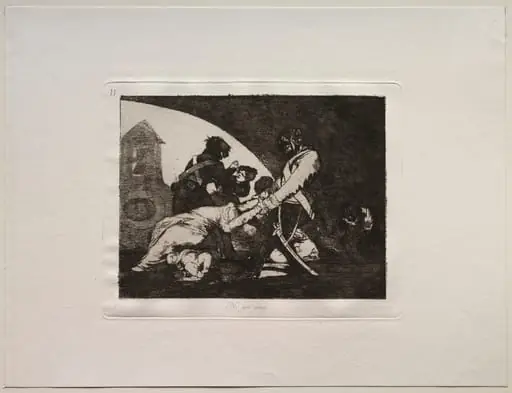 The Horrors of War: Neither Do These
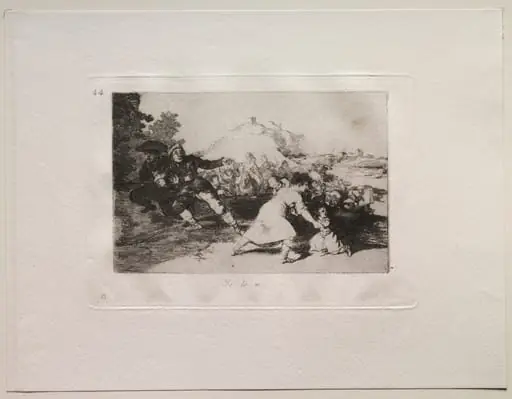 The Horrors of War: I Saw It
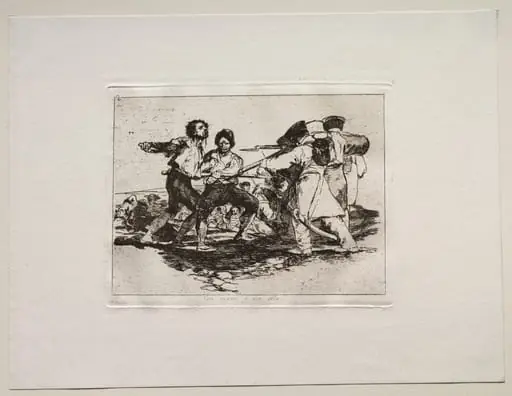 The Horrors of War: Rightly or Wrongly
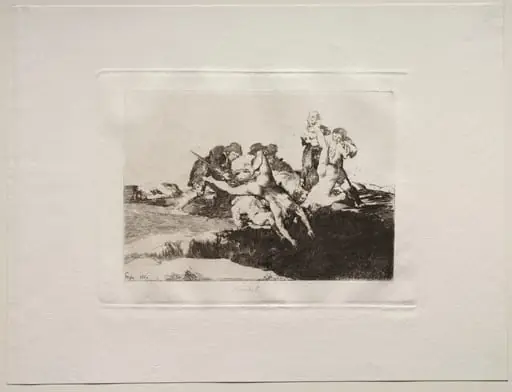 The Horrors of War: Charity