Artwork
The Horrors of War: It Serves You Right
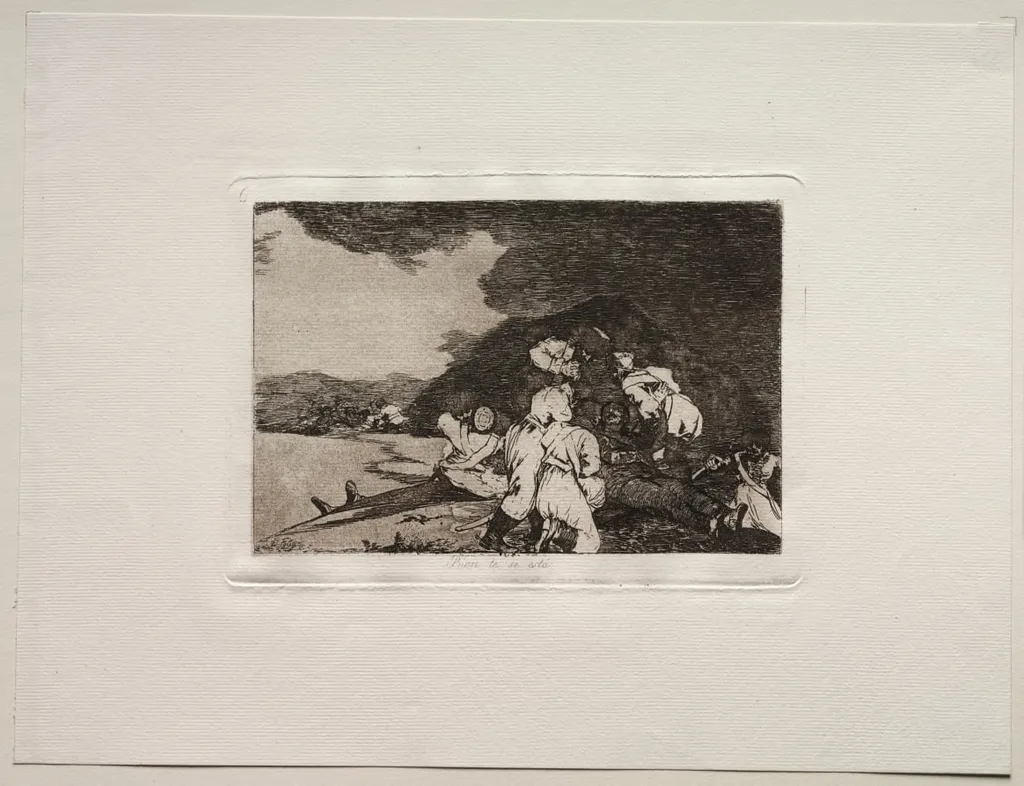
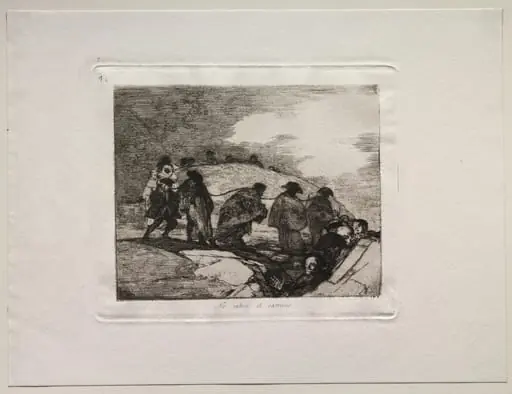
The Horrors of War: It Serves You Right is a print by the Romanticist artist Francisco Goya. It dates from 1815 and is held in the collection of the Cleveland Museum of Art.
About this work
Overview
Created around 1815, this black-and-white print by Francisco de Goya is part of a series reflecting on the violence and suffering of the Peninsular War. Executed as a drypoint and aquatint, it belongs to the collection of The Cleveland Museum of Art. The composition captures a moment of communal anguish near a riverbank, rendered without color to emphasize emotional gravity and moral ambiguity.
Subject & Meaning
The scene depicts a group of civilians in distress, some kneeling, others reaching or staring in horror, near a fallen figure. The title, 'It Serves You Right,' suggests a grim commentary on retribution or collective guilt. Goya avoids clear heroes or villains, instead presenting chaos and shared suffering, inviting viewers to confront the moral confusion of war’s aftermath.
Technique & Style
Goya employed drypoint and aquatint to achieve deep blacks and subtle gradations of gray. Strong chiaroscuro isolates figures against a brooding, storm-lit sky, heightening the sense of dread. The rough, expressive lines convey urgency and disarray, while the absence of color strips the scene of romanticism, focusing attention on raw human vulnerability.
History & Provenance
The print was produced during Goya’s later years, following his experience of the Napoleonic occupation of Spain. It was likely part of a private series later compiled as 'The Disasters of War.' The work entered The Cleveland Museum of Art’s collection in the 20th century, preserved as a key example of Goya’s unflinching social critique.
Context
Created after the end of the Peninsular War, the print reflects Goya’s disillusionment with violence on all sides—French, Spanish, and civilian. Unlike official war art, it rejects glorification, instead documenting the erosion of order and humanity. The landscape, barren and oppressive, mirrors the psychological toll of prolonged conflict on ordinary people.
Legacy
This print contributed to a shift in how war was represented in visual culture—away from heroism toward witness. Goya’s unvarnished imagery influenced later artists confronting conflict, from Otto Dix to contemporary photojournalists. Its enduring power lies in its refusal to offer resolution, leaving viewers to grapple with the weight of suffering.
Artist & collection
Artist
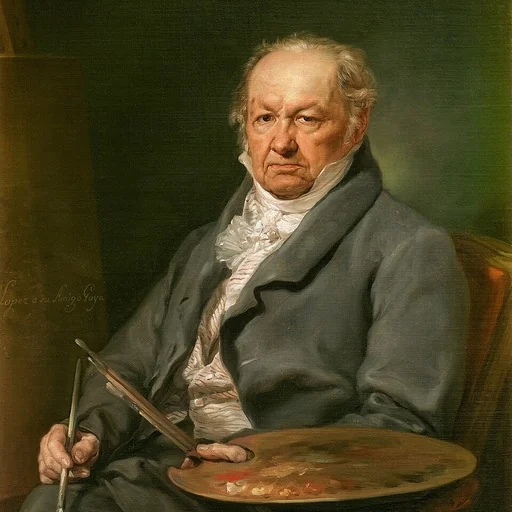
Francisco José de Goya y Lucientes (; Spanish: ; 30 March 1746 – 16 April 1828) was a Spanish romantic painter and printmaker.

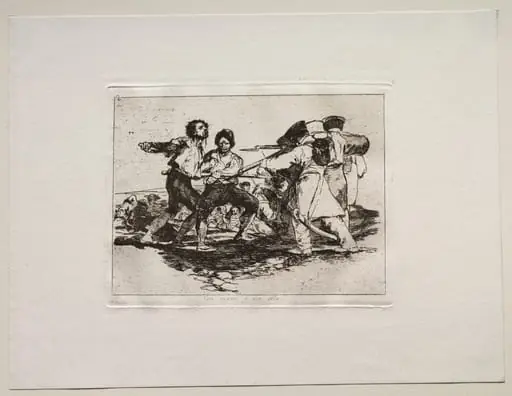 The Horrors of War: Rightly or Wrongly
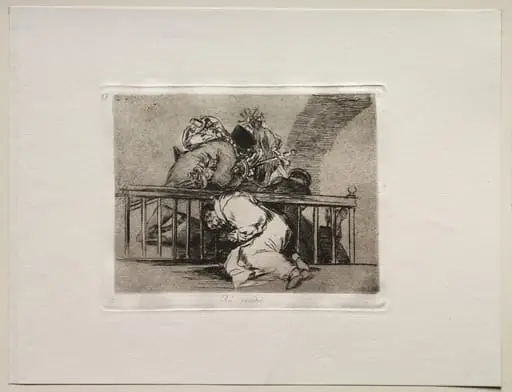 The Horrors of War: This is How it Happened
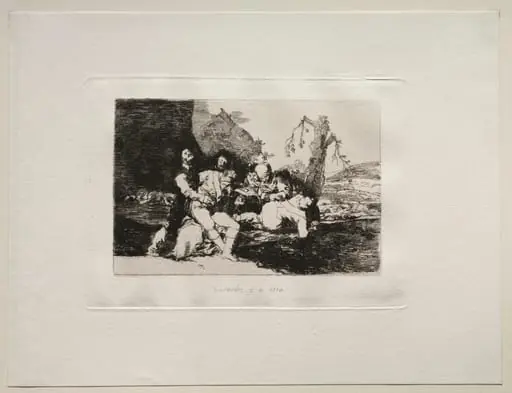 The Horrors of War: Get them Well and On to the Next
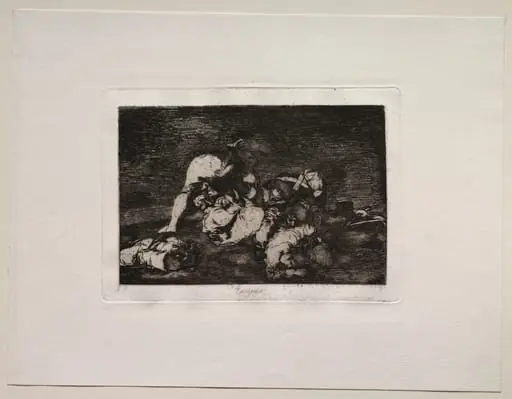 The Horrors of War: Nor (Do These) Either
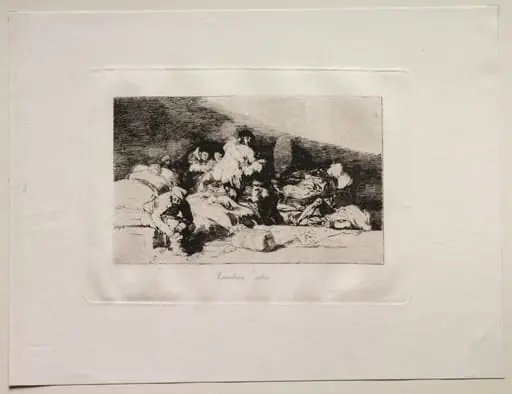 The Horrors of War: These Too
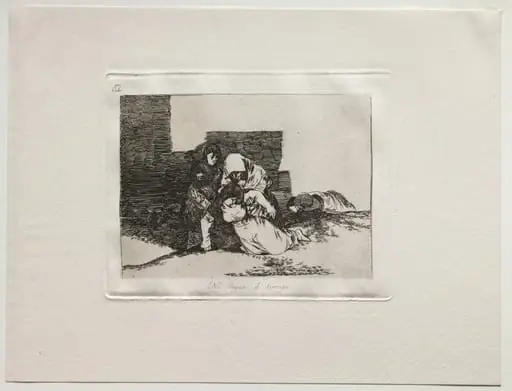 The Horrors of War: They Do Not Arrive In Time
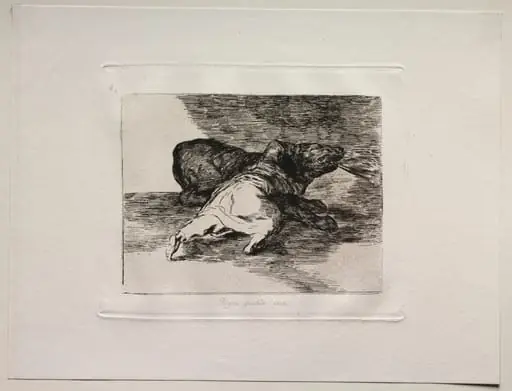 The Horrors of War: He Gets Something Out of It.
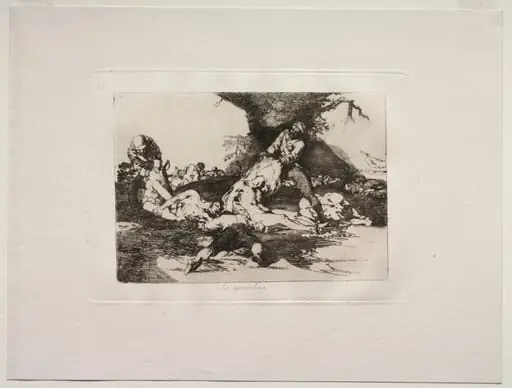 The Horrors of War: They Make Use of Them
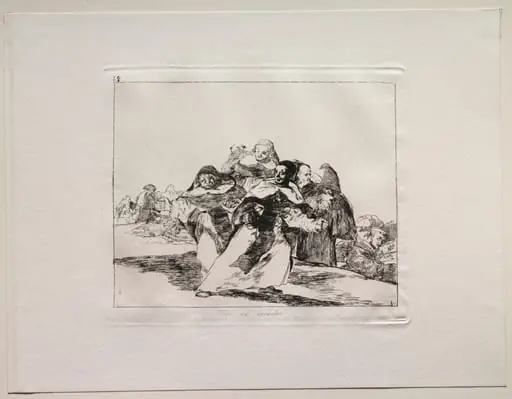 The Horrors of War: Everything is Topsy-Turvy
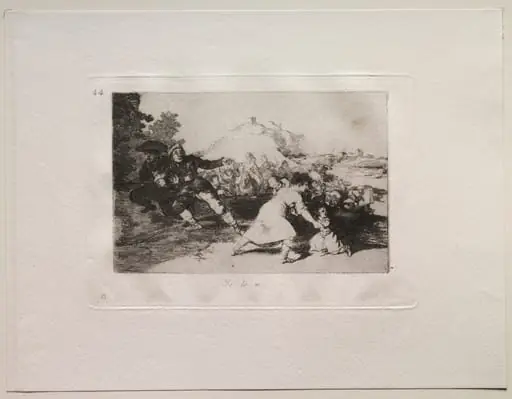 The Horrors of War: I Saw It
 The Horrors of War: They Do Not Know The Way