Artwork
The Horrors of War: That's Tough!
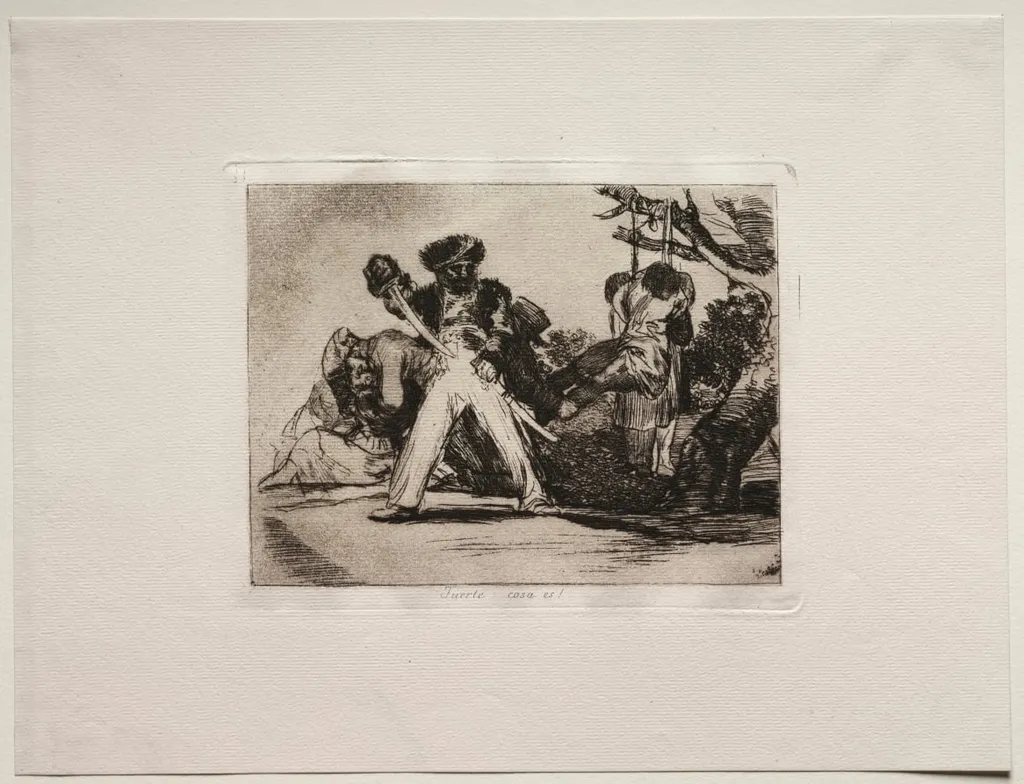
The Horrors of War: That's Tough! is a print by the Romanticist artist Francisco Goya. It dates from 1815 and is held in the collection of the Cleveland Museum of Art. Created around 1815, this print by Francisco de Goya is part of a series responding to the violence of the Peninsular War.
About this work
Overview
Created around 1815, this print by Francisco de Goya is part of a series responding to the violence of the Peninsular War. Unlike traditional history paintings, it does not glorify battle but instead conveys the raw disorder of conflict. Executed in etching and aquatint, it belongs to Goya’s later series exploring human suffering, and is now held in the collection of The Cleveland Museum of Art.
Subject & Meaning
The scene centers on a lone figure in white trousers and a dark coat, gripping a sword amid fallen bodies and struggling forms. No clear side is identified—combatants blur into a mass of anguish. The title, ironic and bleak, underscores the absurdity of war’s brutality. Goya rejects heroism, presenting chaos as the only truth, where violence is indiscriminate and futile.
Technique & Style
The rough texture and lack of fine detail reflect his shift toward expressive, almost abstract forms, moving beyond Neoclassical precision.
Goya employed etching and aquatint to achieve deep blacks and atmospheric gradations, enhancing the scene’s oppressive mood. Bold, uneven lines suggest motion and disarray, while the contrast between light and shadow isolates figures without clarifying narrative. The rough texture and lack of fine detail reflect his shift toward expressive, almost abstract forms, moving beyond Neoclassical precision.
History & Provenance
This work originated in Goya’s series 'The Disasters of War,' begun during the Napoleonic occupation of Spain and completed after the war’s end. Though not publicly exhibited in his lifetime, the plates were preserved by his family and later printed posthumously. The Cleveland Museum of Art acquired its impression in the 20th century, among the earliest American holdings of the series.
Context
Goya created this image amid Spain’s political turmoil and the collapse of Enlightenment ideals. The war, foreign invasion, and restored monarchy left him disillusioned. His prints from this period reject official narratives, instead documenting civilian trauma and moral decay. This work aligns with a broader European turn toward confronting the darker realities of human nature.
Legacy
Goya’s unflinching imagery influenced later artists confronting war’s brutality, from Otto Dix to Francis Bacon. By abandoning spectacle for psychological intensity, he redefined the role of art in documenting suffering. The print remains a touchstone for its refusal to sanitize violence, establishing a precedent for modern visual testimony.
Artist & collection
Artist
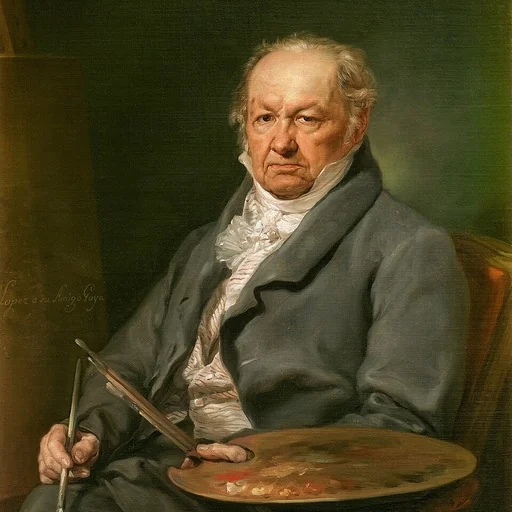
Francisco José de Goya y Lucientes (; Spanish: ; 30 March 1746 – 16 April 1828) was a Spanish romantic painter and printmaker.

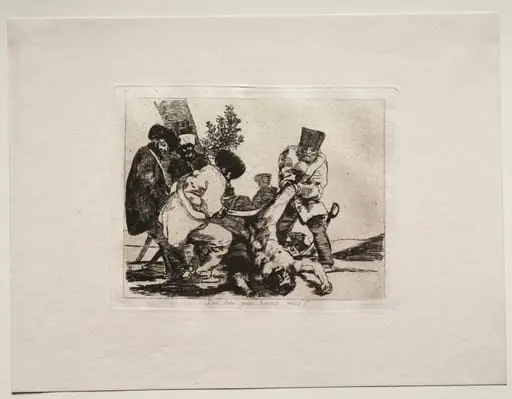 The Horrors of War: What More Can Be Done?
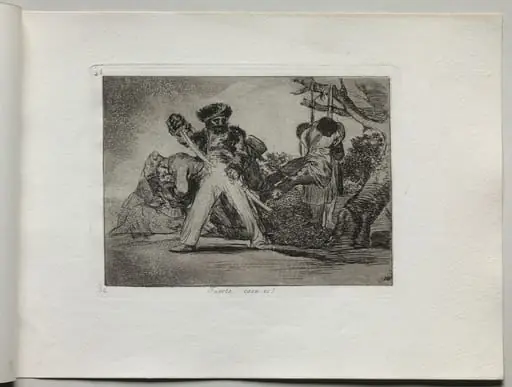 Disasters of War: That's Tough
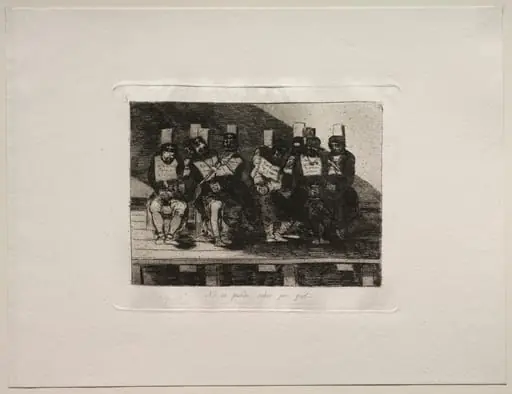 The Horrors of War: One Can't Tell Why
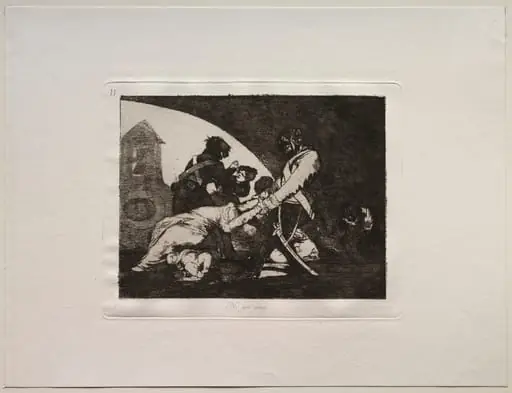 The Horrors of War: Neither Do These
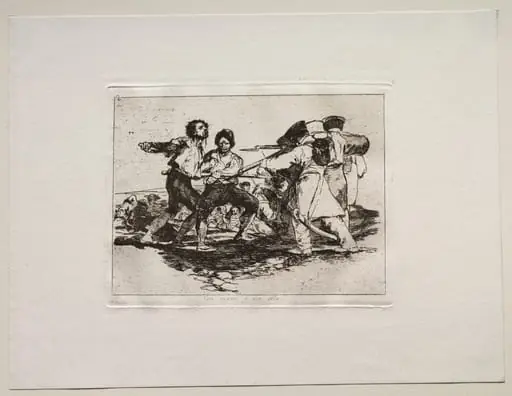 The Horrors of War: Rightly or Wrongly
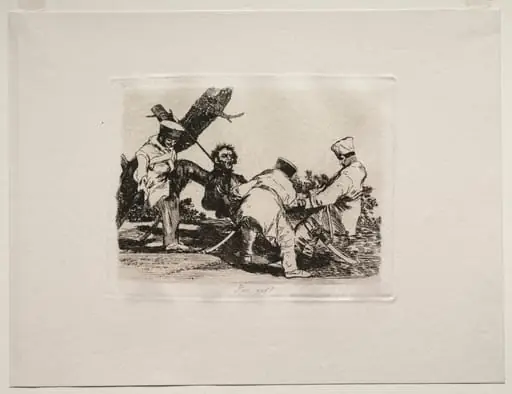 The Horrors of War: Why?
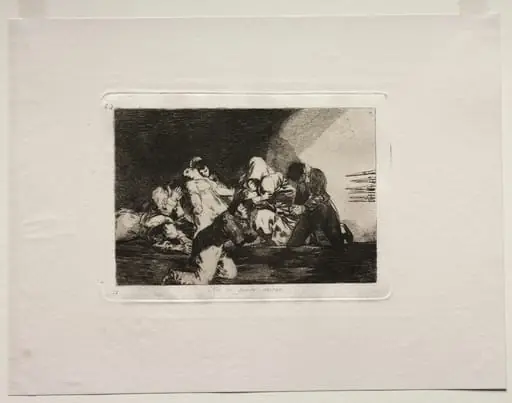 The Horrors of War: One Can't Look
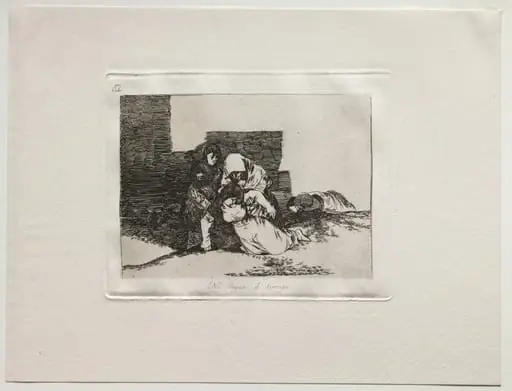 The Horrors of War: They Do Not Arrive In Time
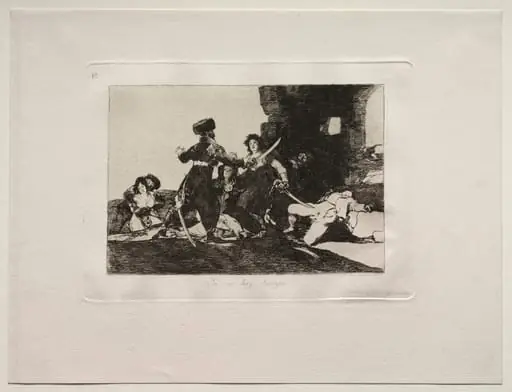 The Horrors of War: There Isn't Time Now