Artwork
The Horrors of War: They Do Not Agree
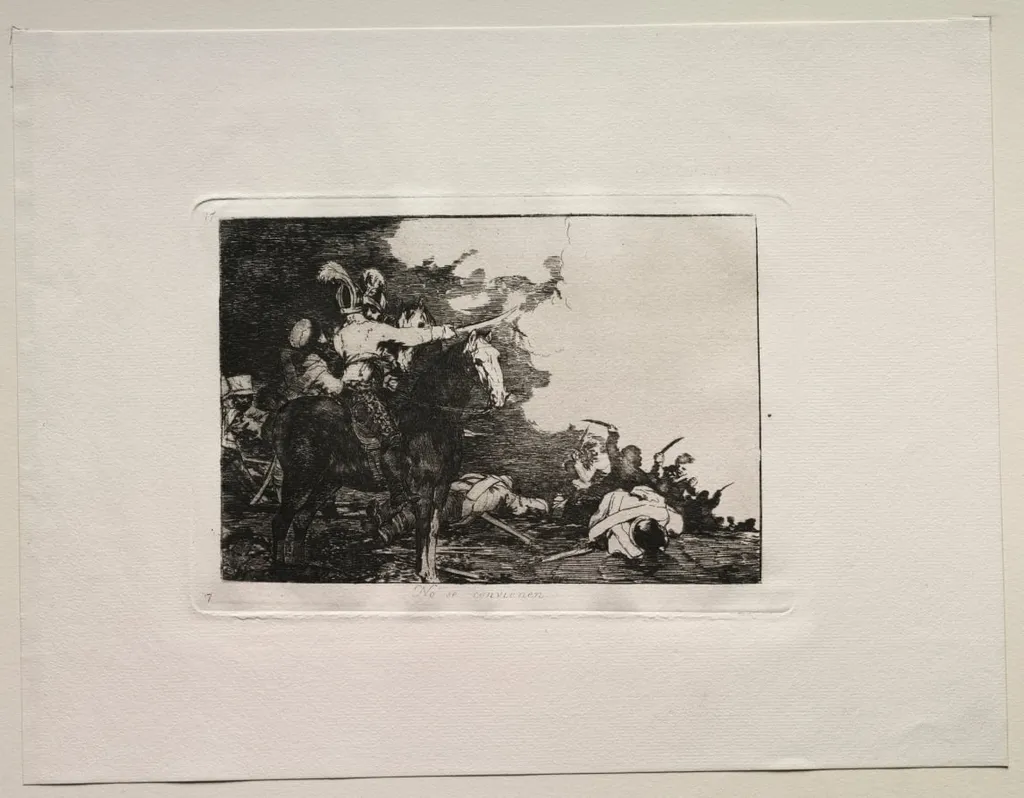
The Horrors of War: They Do Not Agree is a print by the Romanticist artist Francisco Goya. It dates from 1815 and is held in the collection of the Cleveland Museum of Art. Created around 1815, this print by Francisco de Goya is part of a series examining the brutality of conflict.
About this work
Overview
Created around 1815, this print by Francisco de Goya is part of a series examining the brutality of conflict. It belongs to the broader body of work responding to the Peninsular War and its aftermath. Executed in etching and aquatint, it reflects Goya’s shift toward darker, more visceral themes in his later career. The piece is held in the collection of The Cleveland Museum of Art.
Subject & Meaning
The scene depicts a mounted figure, sword raised, dominating a chaotic group of individuals amid smoke and shadow. The horse, central and tense, suggests uncontrolled force. Figures on the ground and surrounding the rider imply violence against the defenseless. The title, 'They Do Not Agree,' hints at fractured consensus or moral dissonance, underscoring the futility and moral ambiguity of war.
Technique & Style
Goya employed etching and aquatint to achieve deep tonal contrasts and atmospheric texture. The dark, smoky background swallows detail, isolating the violent foreground. Loose, expressive lines convey motion and panic, while the absence of clear light sources enhances the sense of disorder. This technique aligns with his late style—raw, unidealized, and emotionally charged.
History & Provenance
The print was produced during Goya’s post-war period, following his service as court painter and his disillusionment with political violence. It was included in his series 'The Disasters of War,' unpublished until decades after his death. The Cleveland Museum of Art acquired it as part of a broader collection of Goya’s graphic works in the 20th century.
Context
Created after the Napoleonic occupation of Spain and the brutal guerrilla warfare that followed, the work reflects Goya’s firsthand witnessing of civilian suffering. Unlike earlier heroic war imagery, this piece rejects glorification, instead portraying chaos and moral collapse. It aligns with emerging Romantic sensibilities that prioritized emotional truth over classical order.
Legacy
Goya’s unflinching depiction of war’s brutality influenced later artists confronting conflict, from Otto Dix to Francis Bacon. The print’s rejection of heroism and embrace of psychological realism marked a turning point in visual culture. Its enduring power lies in its refusal to offer resolution, leaving viewers to confront the persistence of violence.
Artist & collection
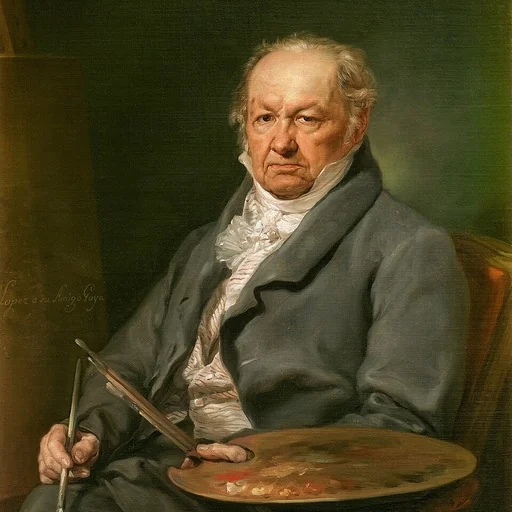
Artist
Francisco José de Goya y Lucientes (; Spanish: ; 30 March 1746 – 16 April 1828) was a Spanish romantic painter and printmaker.

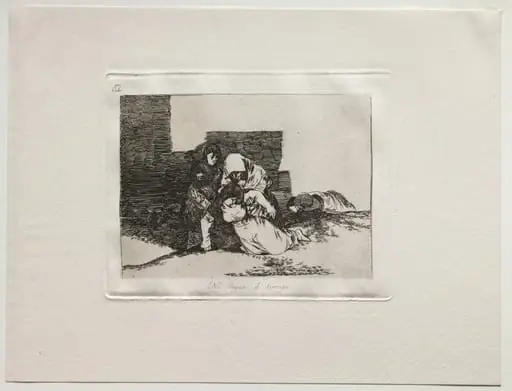 The Horrors of War: They Do Not Arrive In Time
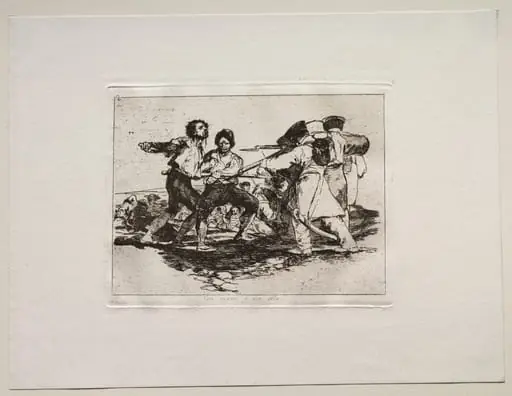 The Horrors of War: Rightly or Wrongly
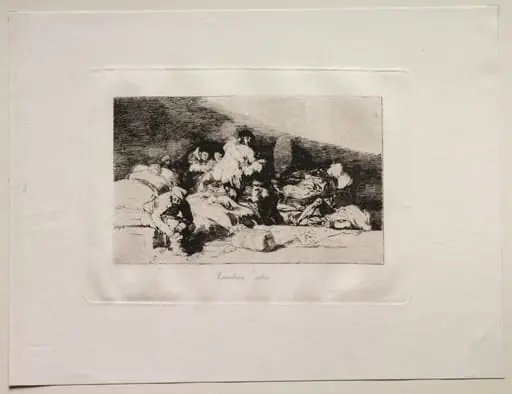 The Horrors of War: These Too
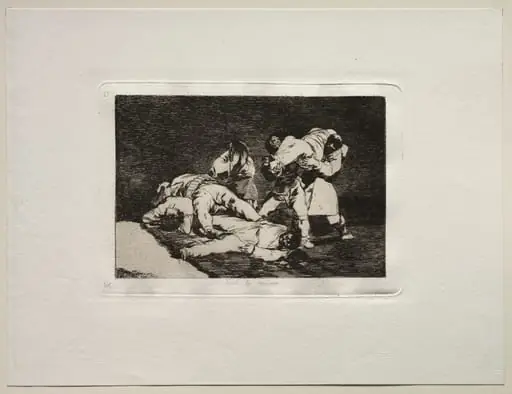 The Horrors of War: It Will Be the Same
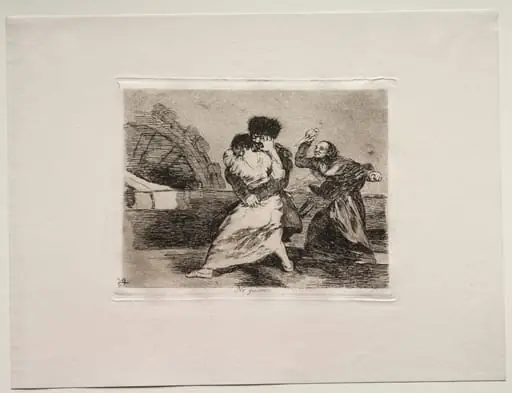 The Horrors of War: They Don't Like It
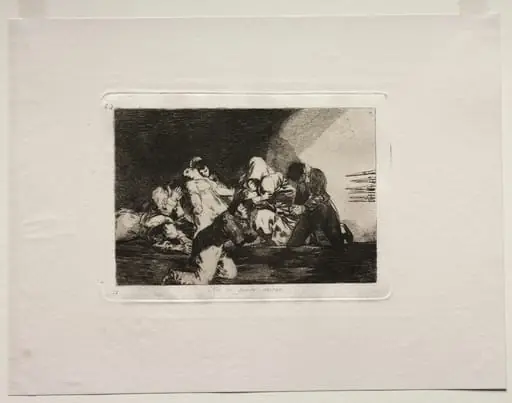 The Horrors of War: One Can't Look
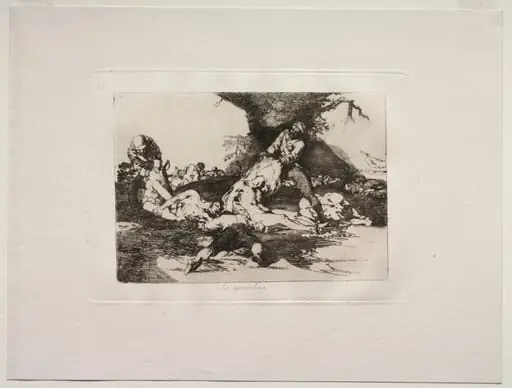 The Horrors of War: They Make Use of Them
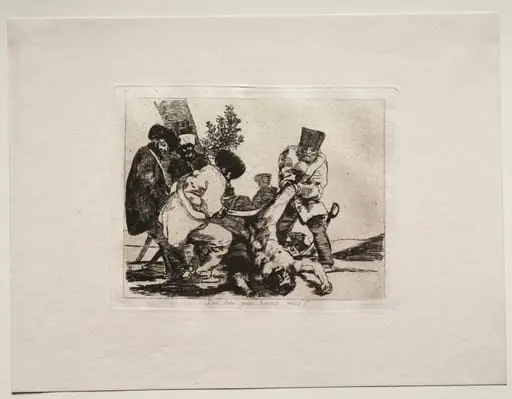 The Horrors of War: What More Can Be Done?
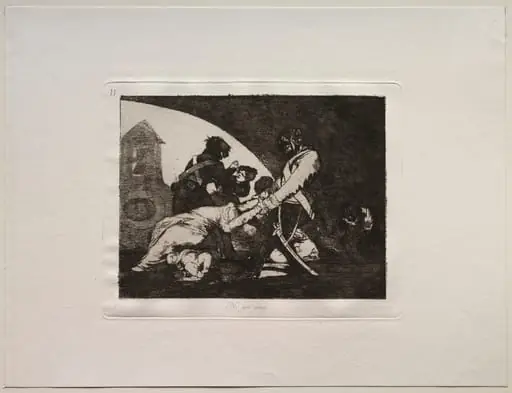 The Horrors of War: Neither Do These