Artwork
The Horrors of War: This Is Bad
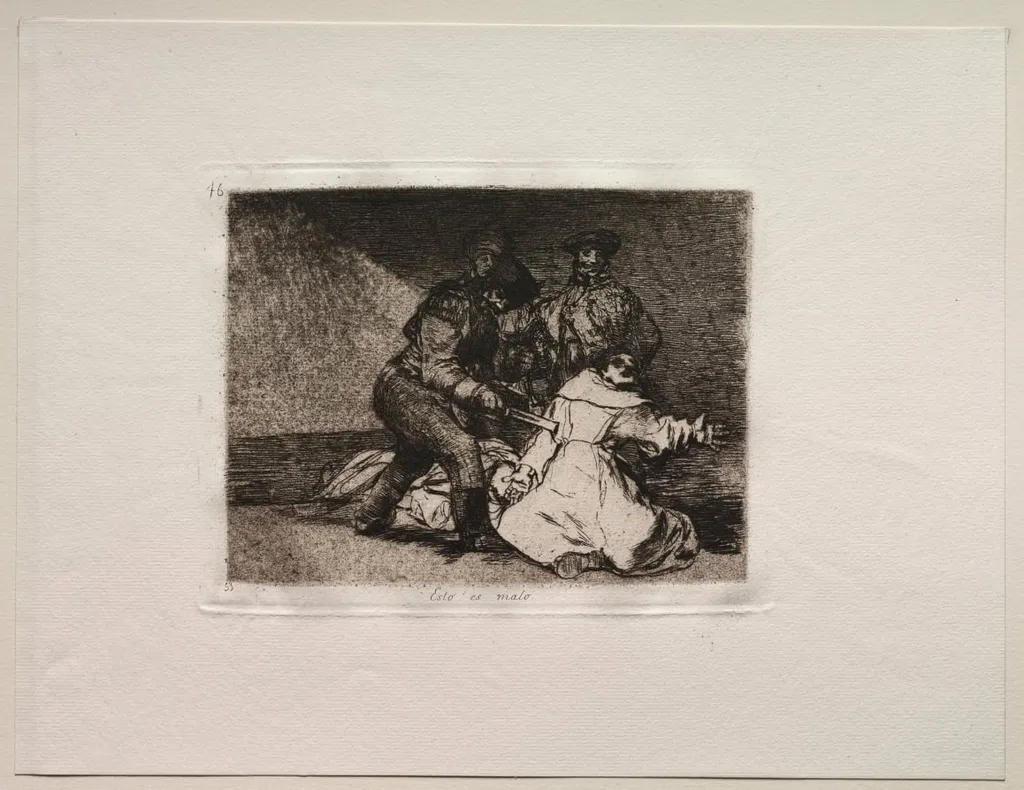
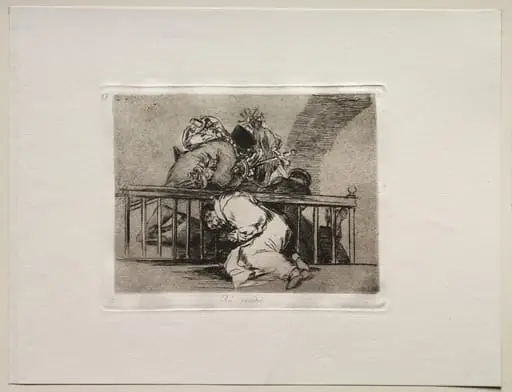
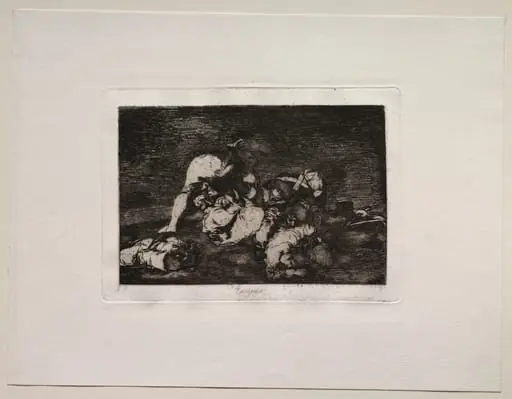
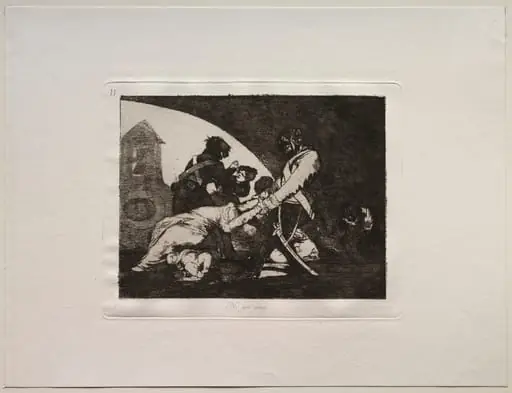
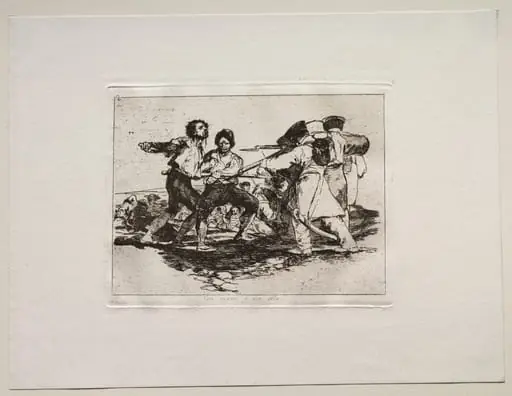
The Horrors of War: This Is Bad is a print by the Romanticist artist Francisco Goya. It dates from 1815 and is held in the collection of the Cleveland Museum of Art.
About this work
Overview
It resides in The Cleveland Museum of Art as part of a larger collection of his war-related works, offering a raw, unidealized view of human cruelty.
Created around 1815, this print by Francisco de Goya is part of a series reflecting the violence and moral decay following the Peninsular War. Though often mischaracterized as a painting, it is a black-and-white etching with aquatint, produced during Goya’s later years. It resides in The Cleveland Museum of Art as part of a larger collection of his war-related works, offering a raw, unidealized view of human cruelty.
Subject & Meaning
The scene depicts four figures in a moment of brutal confrontation: one man kneels, another looms over him with a raised blade, while two observers stand silently behind. There is no clear narrative of heroism or justice—only the immediacy of violence. Goya avoids glorification, instead presenting an ambiguous act of aggression that suggests the erosion of moral order in wartime, a recurring theme in his later work.
Technique & Style
Goya employed etching and aquatint to achieve deep contrasts of light and shadow, emphasizing the figures’ isolation and tension. Bold, expressive lines and textured tonal areas heighten the emotional weight. The absence of color focuses attention on form and gesture, while the rough, almost sketch-like quality conveys urgency and distress, aligning with the expressive aims of Romanticism without sentimentalism.
History & Provenance
This work originated in Goya’s series 'Los Desastres de la Guerra,' a collection of 82 prints documenting the atrocities of the Napoleonic occupation of Spain. Though begun during the conflict, the series was not published until decades later due to political sensitivity. The print entered The Cleveland Museum of Art’s collection in the 20th century, where it remains as a testament to Goya’s unflinching record of suffering.
Context
Goya created this piece amid Spain’s political instability and disillusionment after the restoration of Ferdinand VII. The prints were not commissioned public works but private reflections, made as the artist grew increasingly cynical about power and human nature. They diverged from official histories, offering instead a visceral, personal testimony to the consequences of war.
Legacy
Goya’s 'Los Desastres de la Guerra' profoundly influenced later artists and photographers confronting war’s brutality. This print, like others in the series, helped redefine visual representation of conflict—not as heroic spectacle but as intimate, dehumanizing trauma. Its rawness anticipated 20th-century documentary realism and remains a benchmark for ethical visual testimony.
Artist & collection
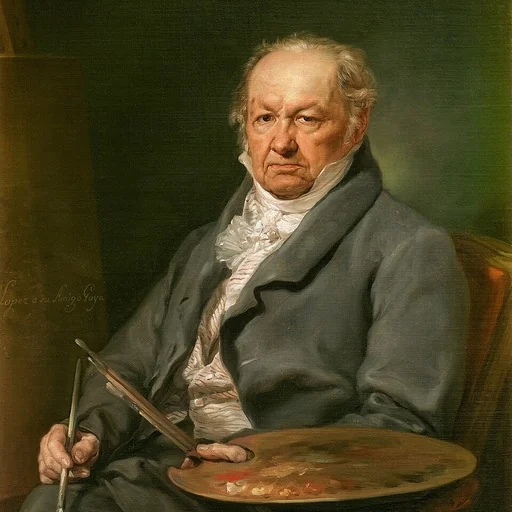
Artist
Francisco José de Goya y Lucientes (; Spanish: ; 30 March 1746 – 16 April 1828) was a Spanish romantic painter and printmaker.