Artwork
Untitled
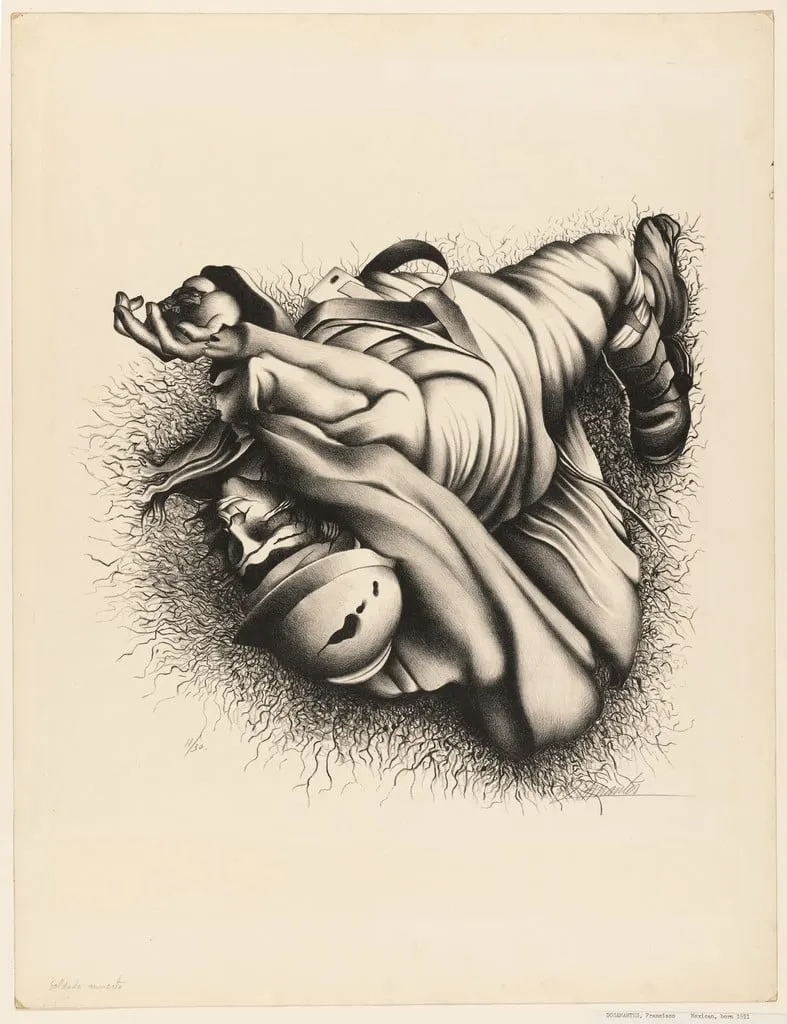
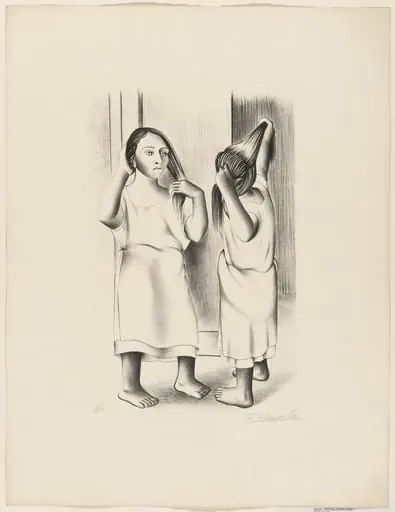
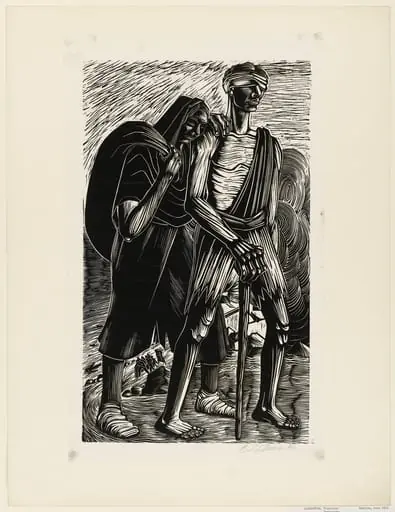
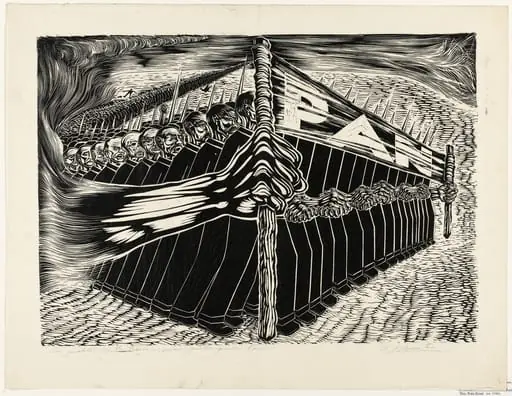
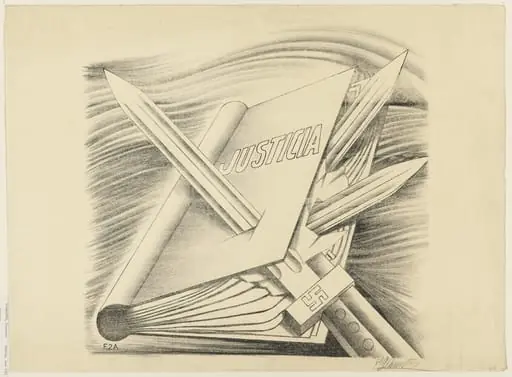
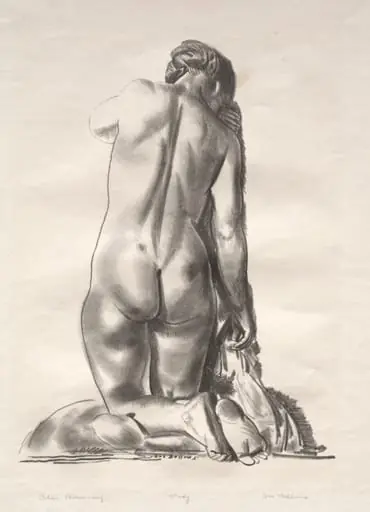
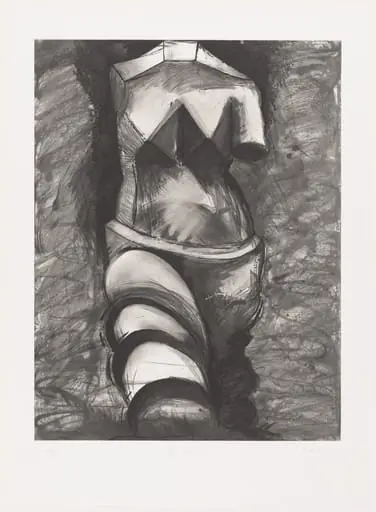
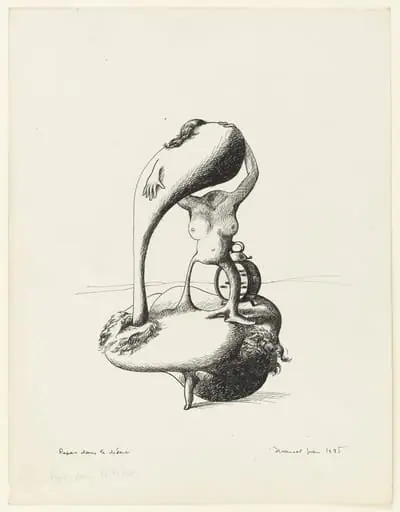
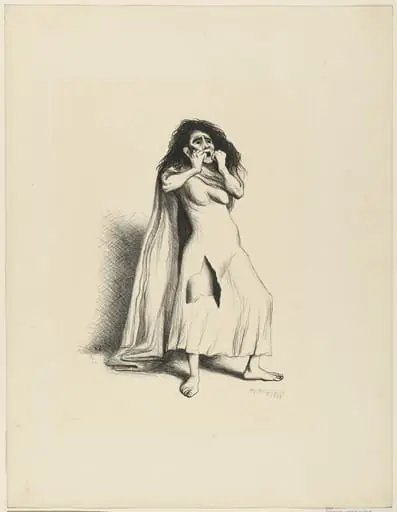
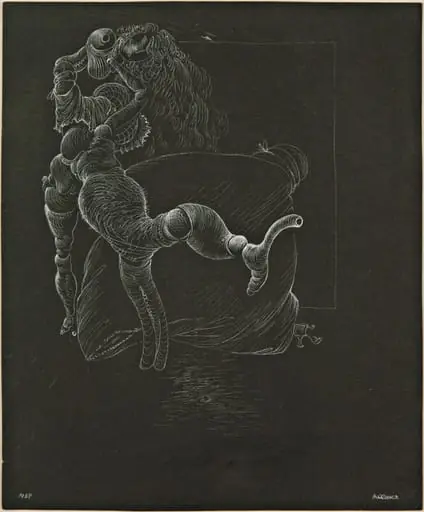
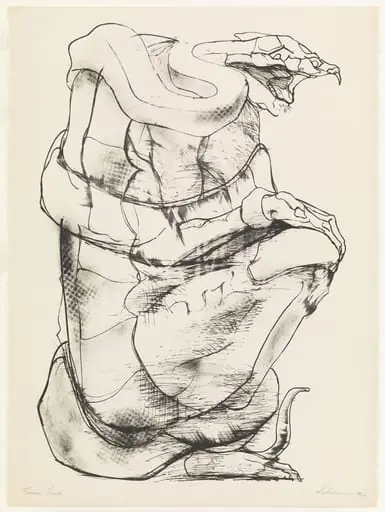
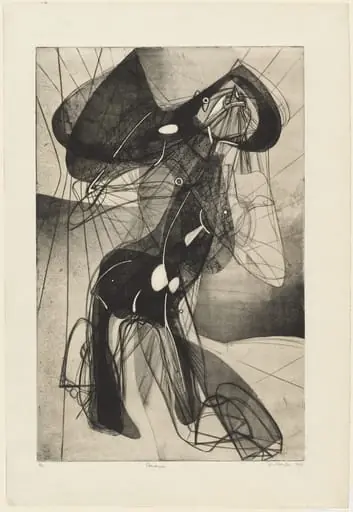
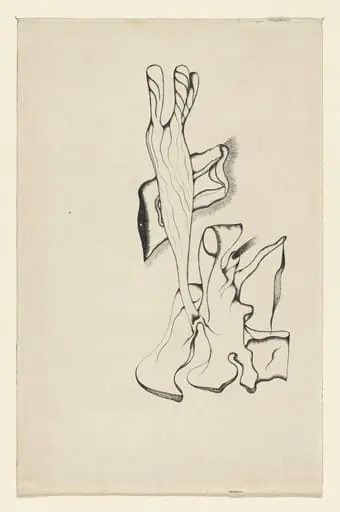
Untitled is an ink print by Francisco Dosamantes. It dates from 1940 and is held in the collection of the Museum of Modern Art.
About this work
Overview
Francisco Dosamantes created this lithograph in 1940, using the lithographic process to transfer ink from a stone surface onto paper.
Francisco Dosamantes created this lithograph in 1940, using the lithographic process to transfer ink from a stone surface onto paper. The work is part of the collection at The Museum of Modern Art. Unlike painted images, lithographs rely on chemical repulsion between grease and water, allowing for textured, spontaneous lines that retain the artist’s direct hand. This piece exemplifies the medium’s capacity for expressive, non-idealized form.
Subject & Meaning
The figure lies supine in an undefined field, its limbs entwined in a way that suggests both exhaustion and internal tension. The head, small and rounded, resembles a weathered stone, detaching it from conventional anatomy. The lack of clear context or facial features invites interpretation as a psychological state rather than a literal portrait—perhaps a meditation on vulnerability or subconscious unrest.
Technique & Style
Dosamantes employed lithography to achieve a rough, gestural quality, with lines that appear scratched or hastily drawn. The ink’s uneven distribution enhances the sense of instability, blurring the boundary between soft flesh and rigid form. The technique’s inherent unpredictability allowed the artist to embrace imperfection, turning the physical constraints of stone printing into a visual language of raw, unpolished emotion.
History & Provenance
Created in 1940, the work entered The Museum of Modern Art’s collection as part of its broader effort to document modern printmaking in the Americas. While little is documented about its early ownership, its inclusion in MoMA’s holdings reflects institutional recognition of Dosamantes’ contribution to Mexican print culture during a period of heightened interest in socially and psychologically charged imagery.
Context
In the late 1930s and early 1940s, Mexican artists increasingly turned to printmaking as a means of personal expression beyond muralist grand narratives. Dosamantes, though less known than his contemporaries, engaged with surrealist and expressionist tendencies, using lithography to explore inner states. This work aligns with a quieter, introspective current in Mexican art that prioritized psychological depth over public messaging.
Legacy
Though Dosamantes did not achieve widespread fame, this lithograph remains a quiet example of how Mexican printmakers expanded the emotional range of the medium. Its presence in MoMA’s collection ensures continued access for scholars and viewers interested in the intersection of personal symbolism and technical experimentation in mid-century printmaking.
Artist & collection
Artist
Francisco Dosamantes was a Mexican artist and educator who is best known for is educational illustrations and graphic work against fascism. He was a founding member of the Taller de Gráfica Popular and the Salón de la Plástica Mexicana.