Artwork
Portrait of Isidoro Maiquez
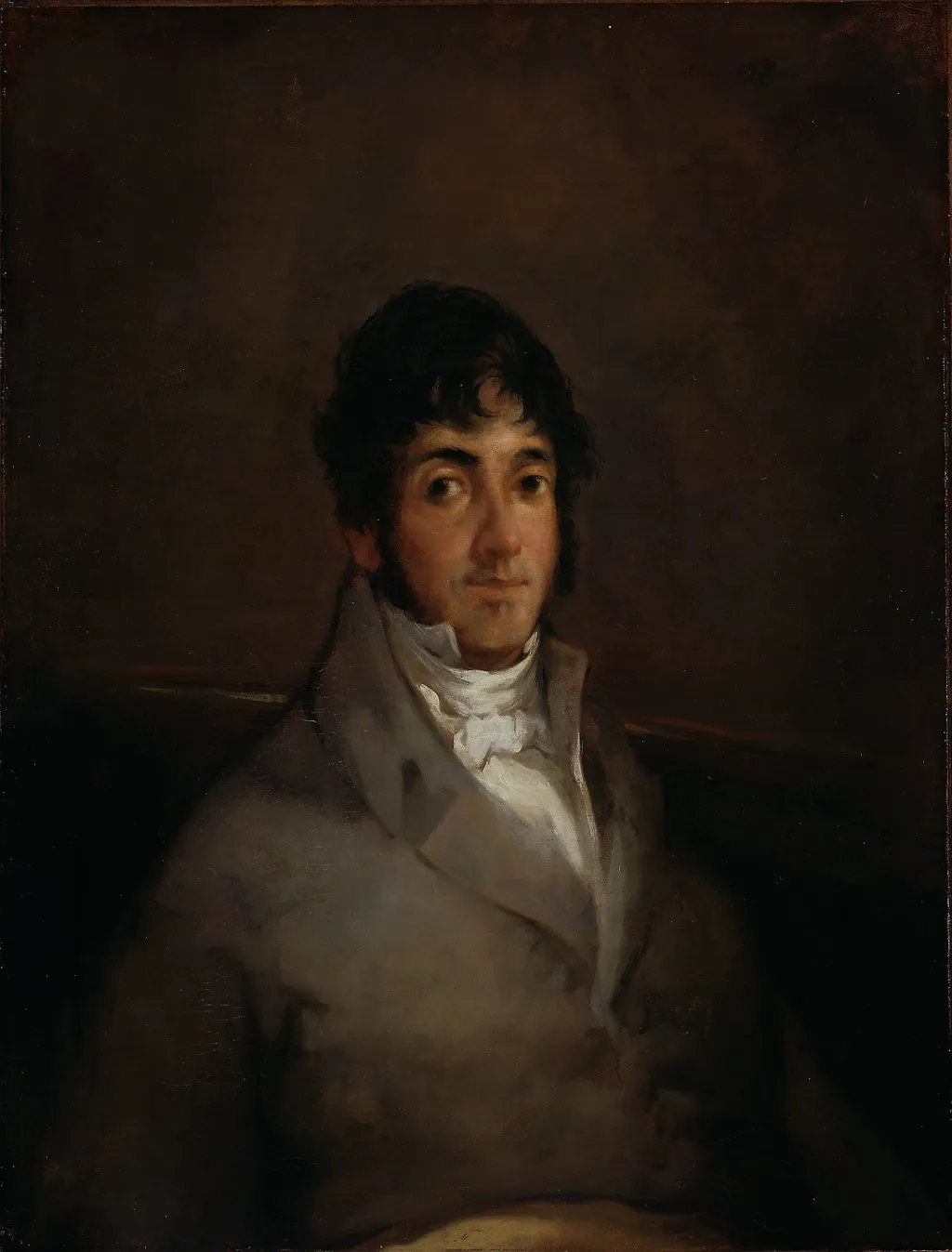
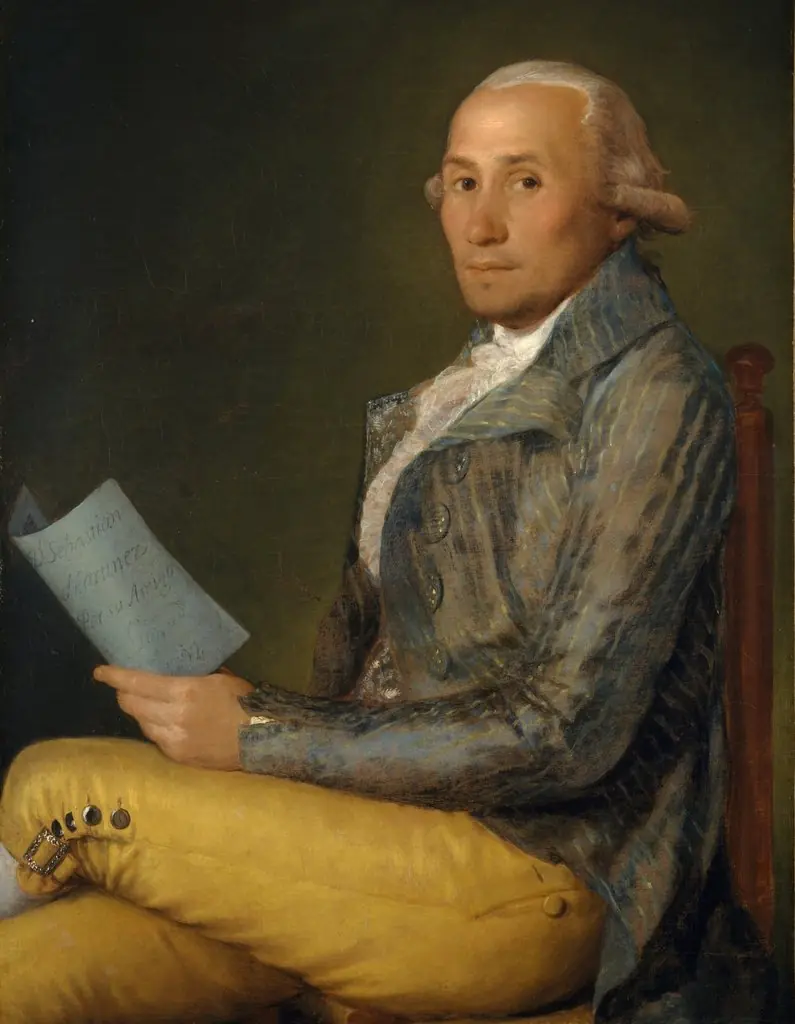
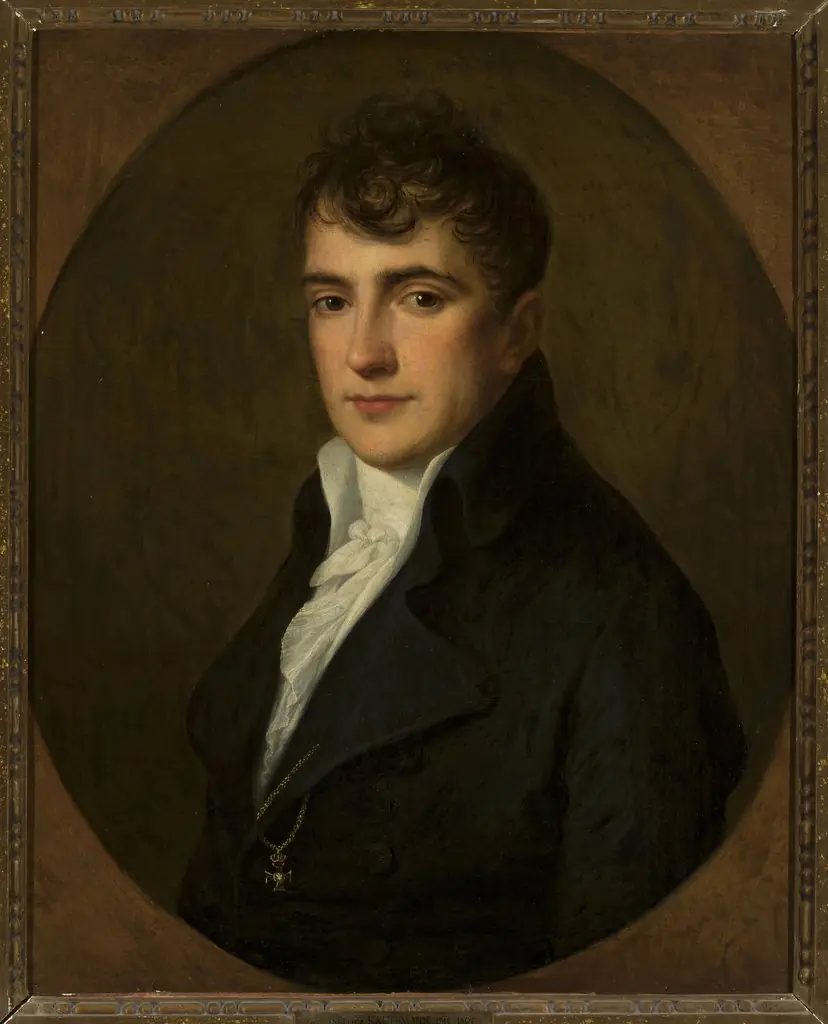
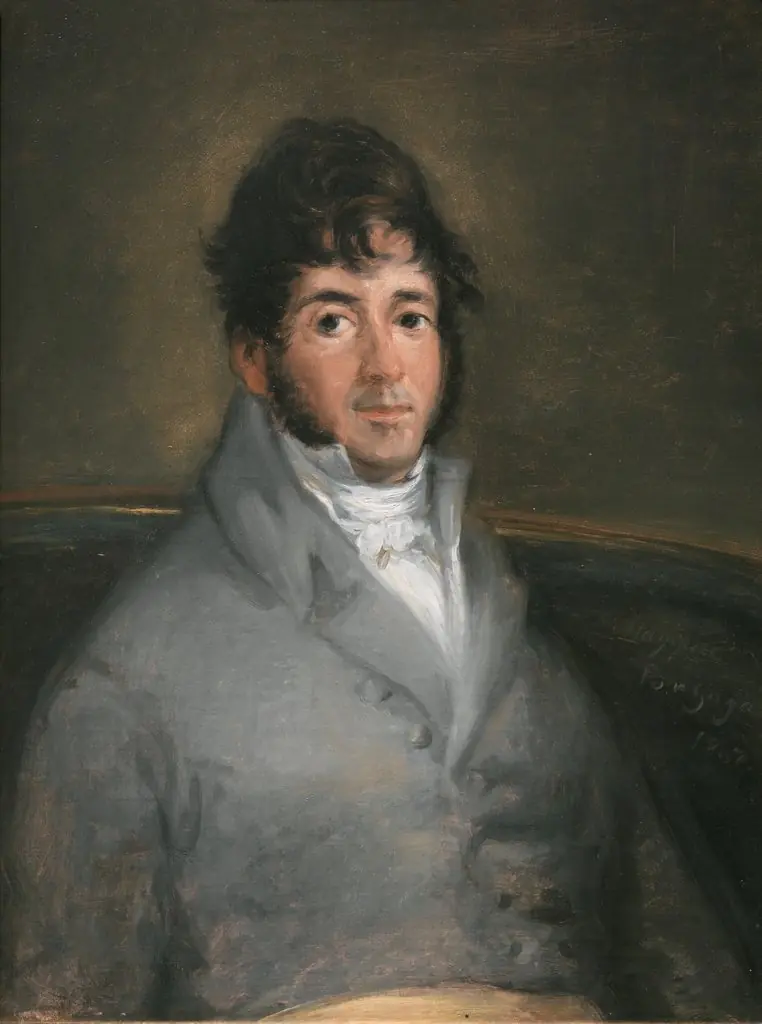
Portrait of Isidoro Maiquez is an oil painting by Francisco Goya. It dates from 1807 and is held in the collection of the Art Institute of Chicago.
About this work
Overview
Painted in 1807, this oil portrait by Francisco Goya captures Isidoro Maiquez, a Spanish actor of the time. Executed with restrained elegance, the work reflects Goya’s mature style—attentive to psychological depth and atmospheric tone. It resides in the collection of the Art Institute of Chicago, where it stands as one of many portraits Goya produced during his tenure as court painter.
Subject & Meaning
The somber mood suggests introspection, aligning with Goya’s tendency to reveal inner life over social pretense.
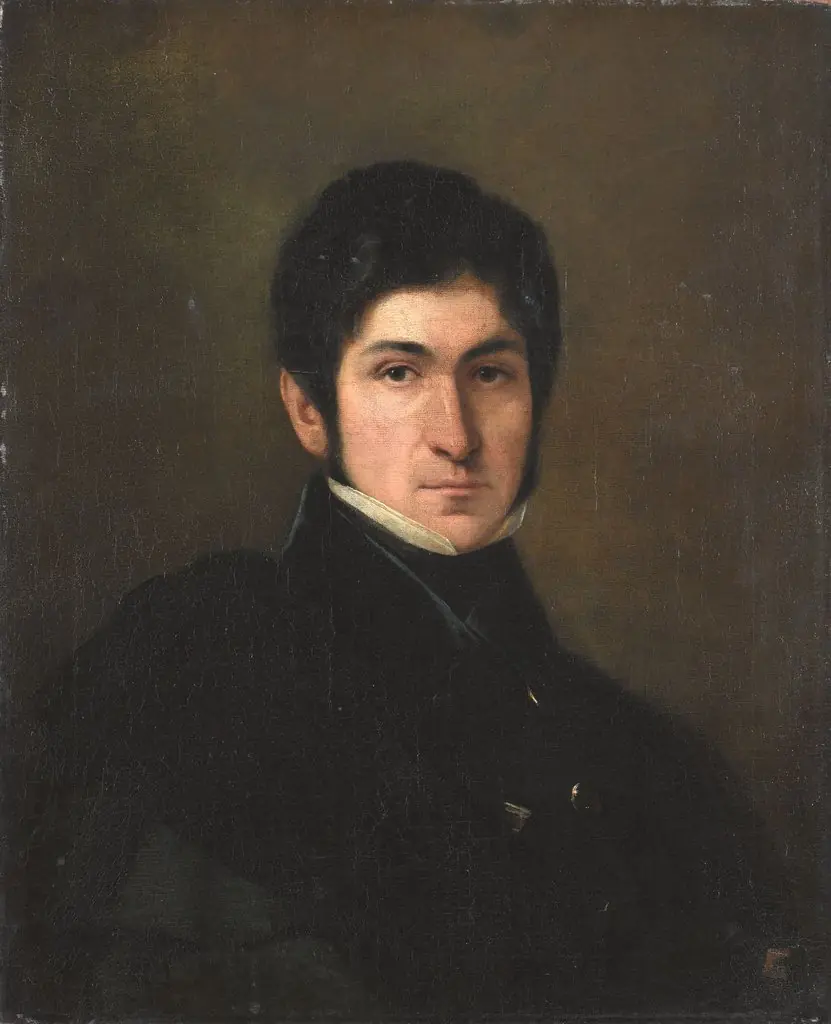
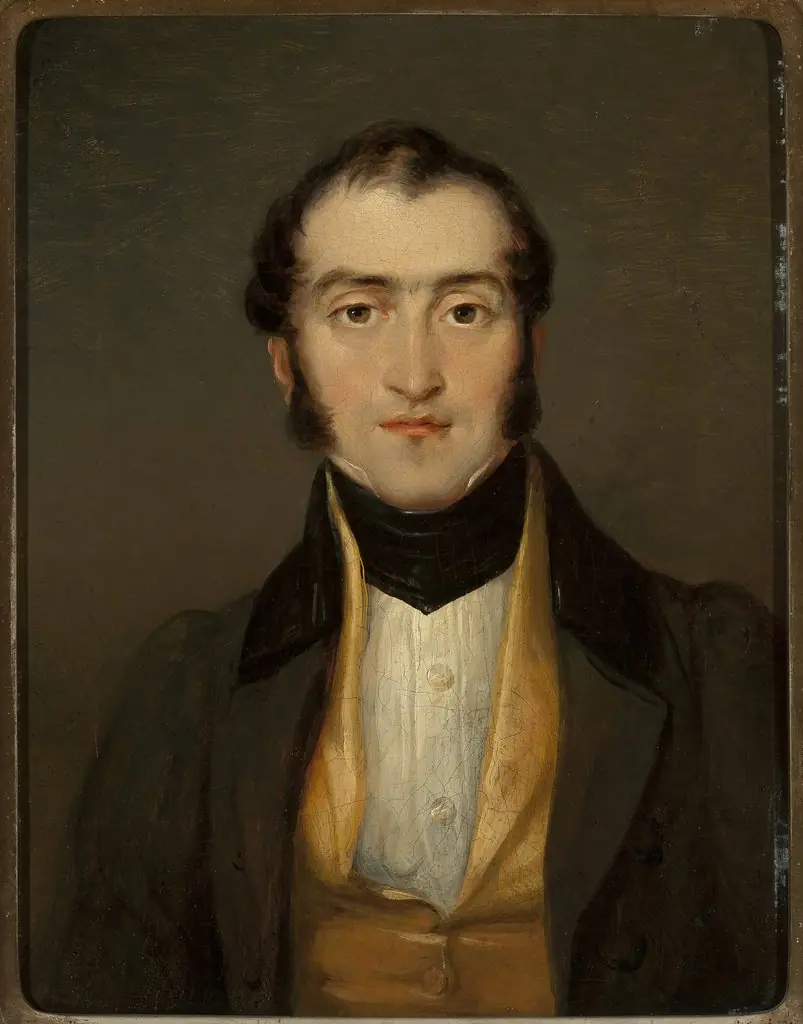
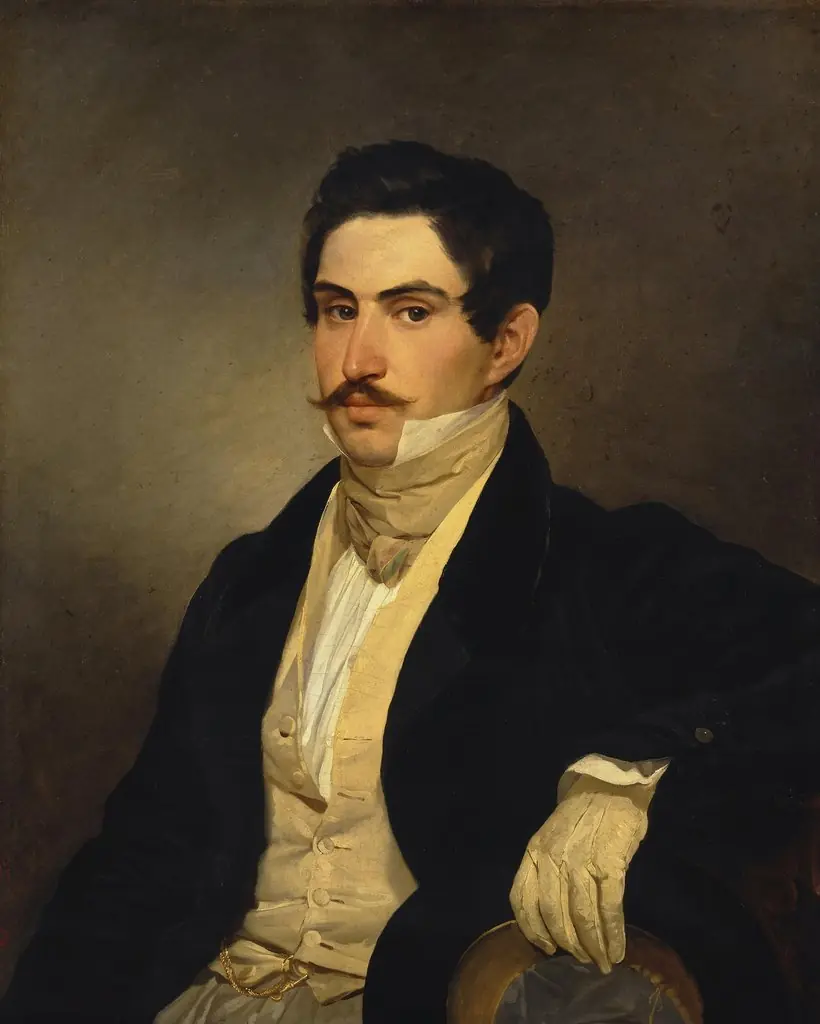
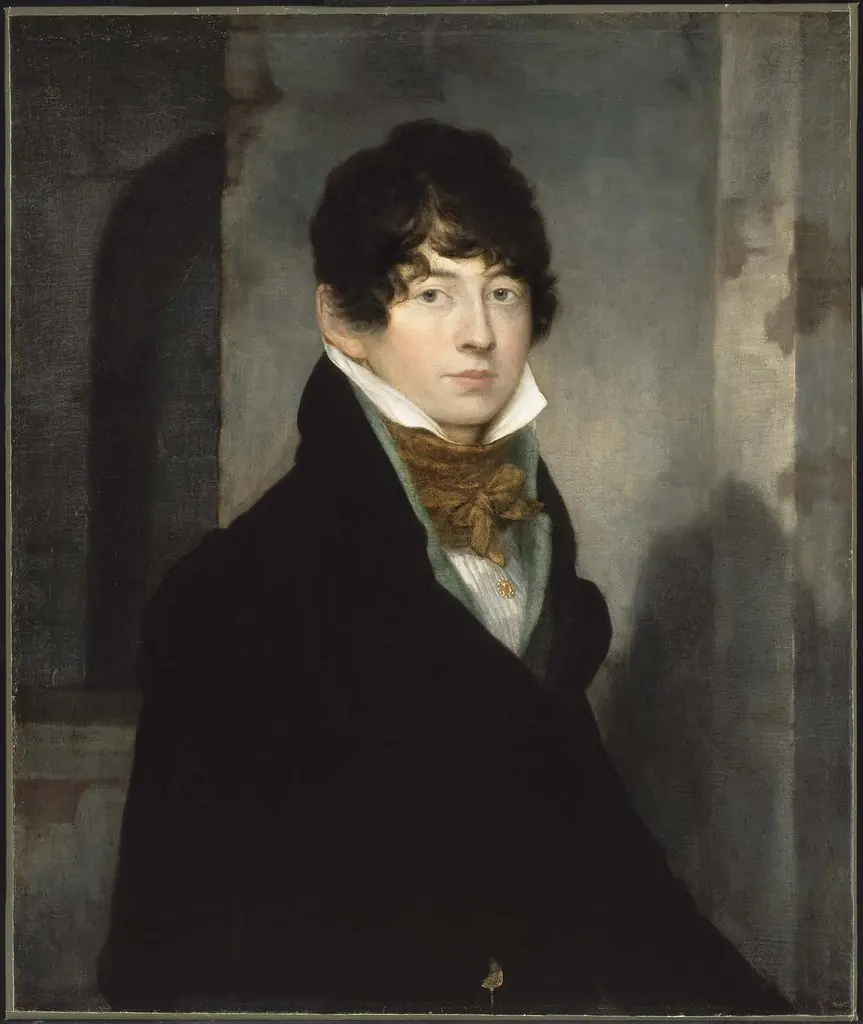
Isidoro Maiquez, a respected figure in Madrid’s theatrical circles, is portrayed without theatrical flourish. His dark curls and neutral expression convey quiet dignity rather than performative flair. The somber mood suggests introspection, aligning with Goya’s tendency to reveal inner life over social pretense. The absence of props or context emphasizes the subject’s presence as an individual, not a role.
Technique & Style
Goya employs loose, expressive brushwork to render the texture of the white cravat and the light fabric of the jacket, contrasting with the dense, shadowed background. The dark setting isolates the figure, drawing focus to subtle shifts in light across the face and hands. His palette is muted, favoring earth tones and grays, reinforcing the portrait’s restrained emotional tone and psychological realism.
History & Provenance
Commissioned during Goya’s later years as a court painter, the portrait reflects his continued engagement with secular subjects despite political turmoil. It remained in private Spanish collections before entering the Art Institute of Chicago’s holdings in the 20th century. Its provenance traces a path through collectors who valued Goya’s intimate portrayals over grand historical narratives.
Context
Created amid the Napoleonic occupation of Spain, the portrait stands apart from Goya’s more overtly political works. While many of his contemporaries turned to allegory or spectacle, Goya focused on quiet, individual presence. This portrait reflects a broader shift in portraiture—away from aristocratic grandeur toward psychological nuance in an era of instability.
Legacy
The portrait exemplifies Goya’s influence on 19th-century realism and modern portraiture. His ability to convey character through minimal means—light, posture, and expression—anticipated later artists like Manet and Eakins. Though not widely exhibited, it remains a key example of how Goya transformed the genre by prioritizing authenticity over idealization.
Own this work as a print
Artist & collection
Artist
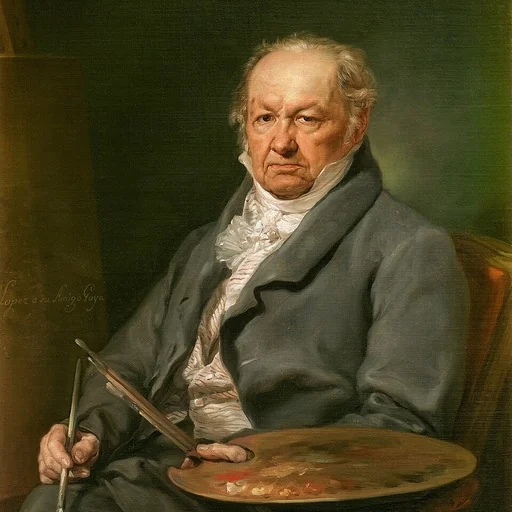
Francisco José de Goya y Lucientes (; Spanish: ; 30 March 1746 – 16 April 1828) was a Spanish romantic painter and printmaker.