Artwork
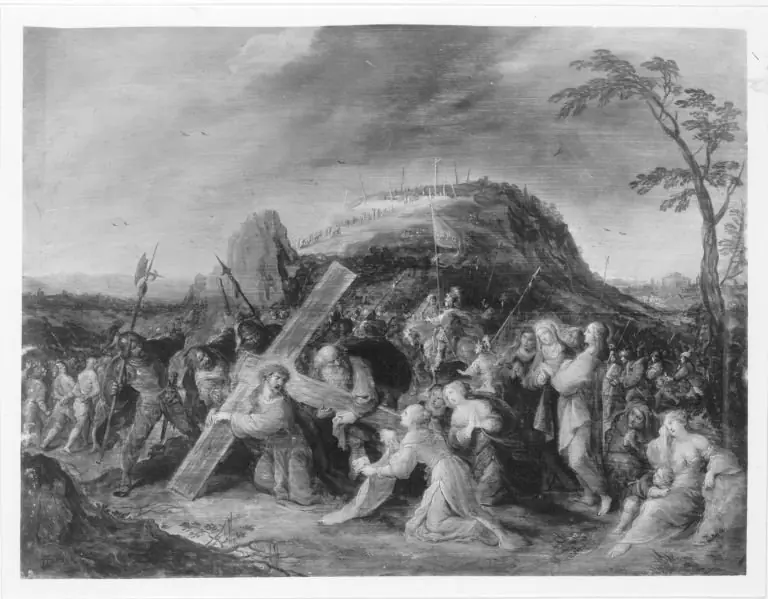
Gang nach Golgatha
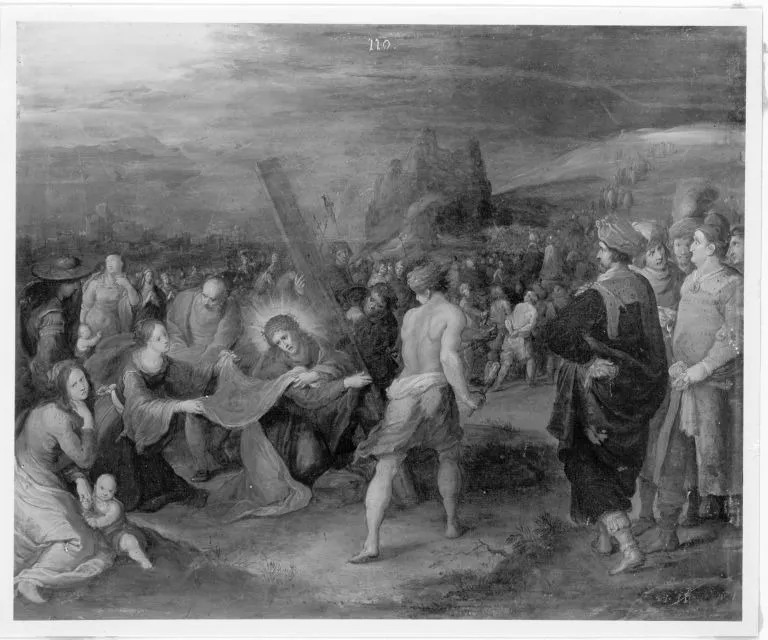
Gang nach Golgatha is an unspecified painting by the Flemish Baroque painting artist Frans Francken the Younger. It dates from 1615 and is held in the collection of the Bavarian State Painting Collections.
About this work
Overview
The painting resides in the Alte Pinakothek, Munich, and exemplifies his skill in organizing complex human figures within a spiritually charged composition.
Painted in 1615 by Frans Francken the Younger, *Gang nach Golgatha* is a Flemish Baroque work depicting Christ’s procession to crucifixion. Executed during a period of intense religious artistic production, it reflects Francken’s focus on narrative biblical scenes. The painting resides in the Alte Pinakothek, Munich, and exemplifies his skill in organizing complex human figures within a spiritually charged composition.
Subject & Meaning
The scene portrays Christ bearing the cross through a crowd of onlookers, each reacting with varied emotion—some sorrowful, others indifferent or hostile. The moment captures the human dimension of the Passion, emphasizing isolation amid collective apathy. Francken avoids overt symbolism, instead grounding the sacred event in palpable, earthly realism to invite contemplation of moral responsibility.
Technique & Style
Francken employs chiaroscuro to model forms and direct attention toward Christ’s figure, enhancing emotional gravity. The figures are rendered with precise detail, their gestures and expressions conveying psychological nuance. The background dissolves into a soft, atmospheric landscape, distancing the sacred act from the tangible world and reinforcing its symbolic weight.
History & Provenance
Created during Francken’s mature period, the painting entered the Alte Pinakothek’s collection in the 19th century, likely through royal or ecclesiastical acquisitions. It reflects the tastes of Catholic patrons in the Southern Netherlands, who valued devotional imagery that combined narrative clarity with emotional resonance. No record suggests significant alterations since its completion.
Context
In early 17th-century Flanders, religious art remained vital amid Counter-Reformation pressures. Francken, part of a multi-generational artistic dynasty, produced numerous biblical scenes for private devotion and church altars. Unlike contemporaries who favored grandeur, he often prioritized intimate, psychologically layered compositions, aligning with a broader trend toward human-centered piety.
Legacy
While Francken’s output was prolific, *Gang nach Golgatha* stands as a focused example of his narrative strength. It influenced later Flemish painters in its restrained emotional tone and compositional clarity. The work remains a reference for studying how religious themes were rendered with psychological subtlety rather than theatrical spectacle in the early Baroque era.
Artist & collection
Artist
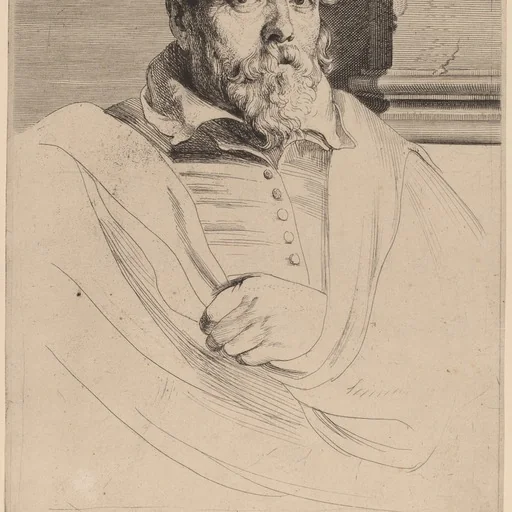
Frans Francken the Younger (1581, Antwerp – 6 May 1642, Antwerp) was a Flemish painter and the best-known and most prolific member of the large Francken family of artists.

 Kreuztragung Christi
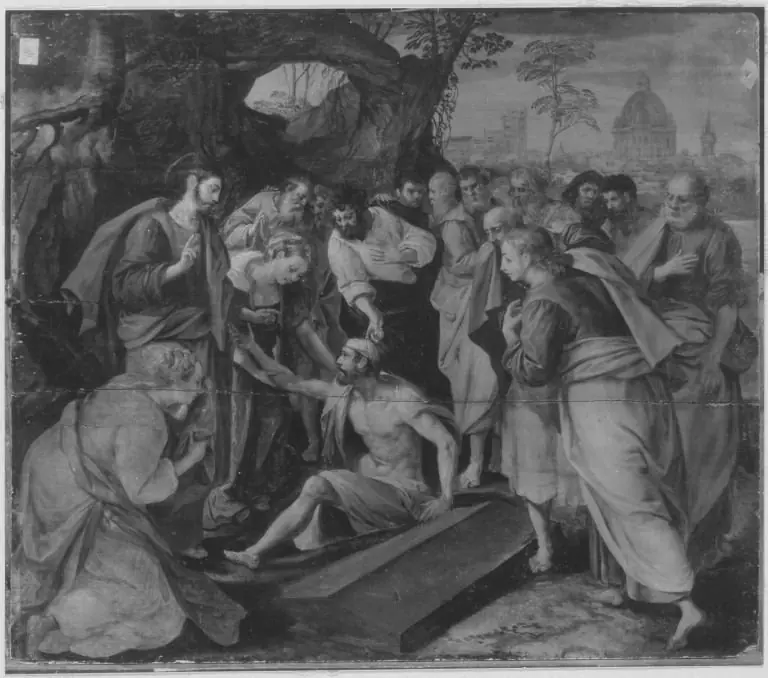 Auferweckung des Lazarus
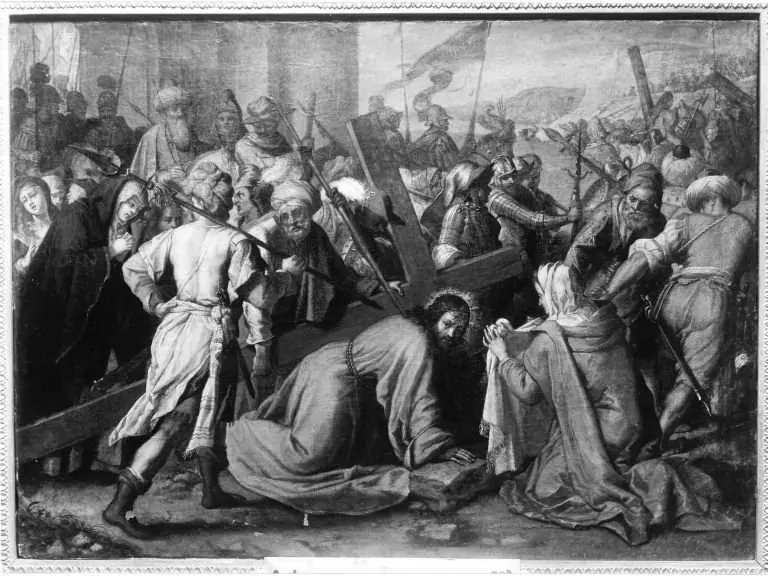 Christ, carrying the Cross, meets Veronica
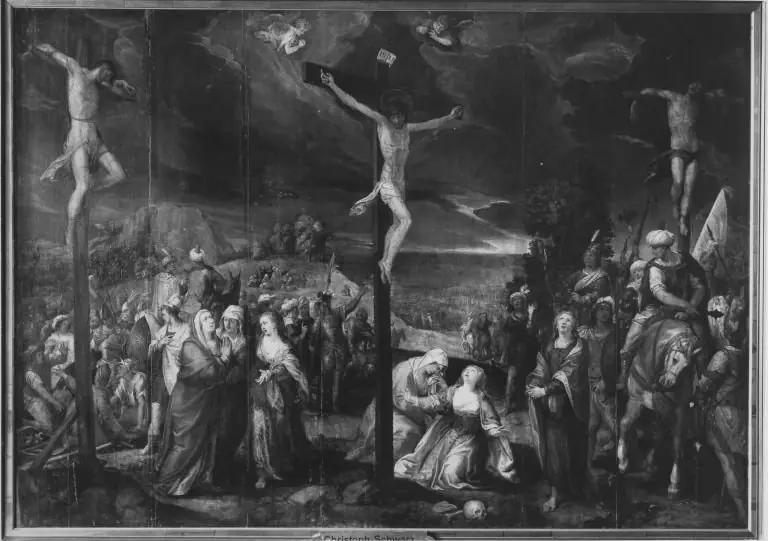 Christus am Kreuz
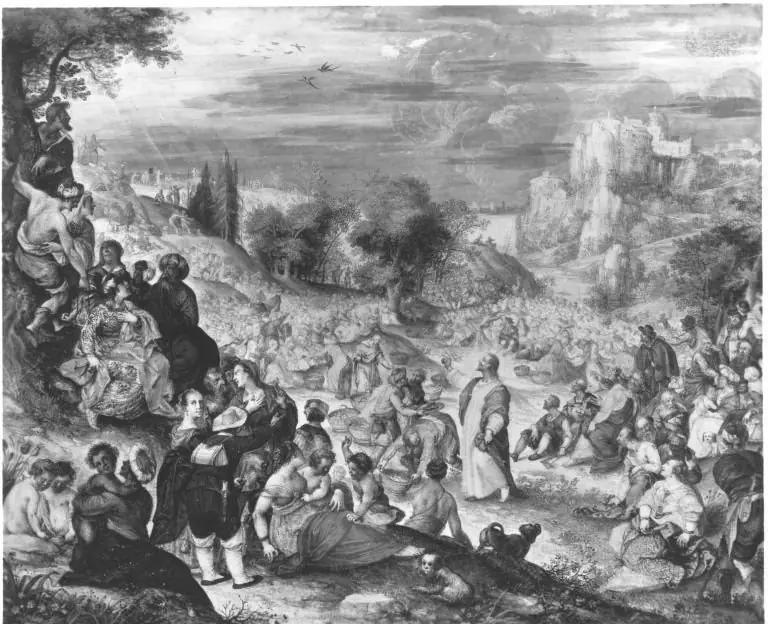 Speisung der Fünftausend
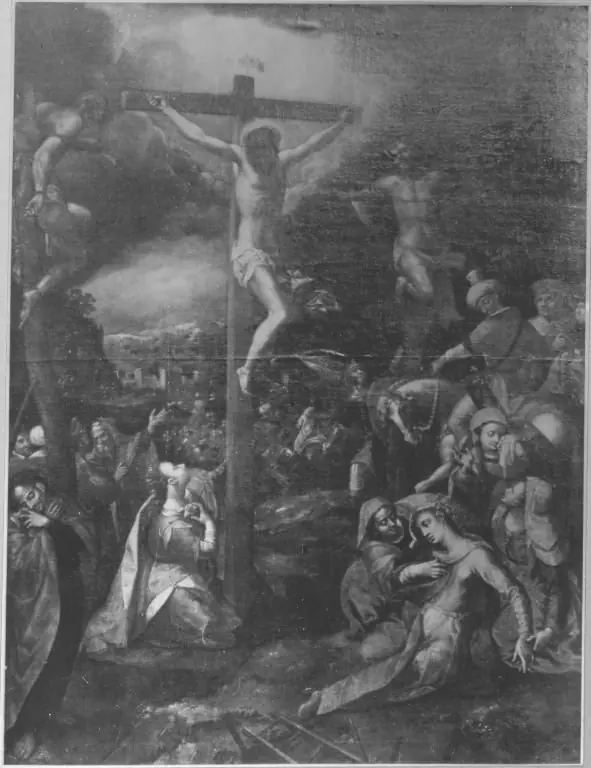 Kreuzigung Christi (Kopie nach)
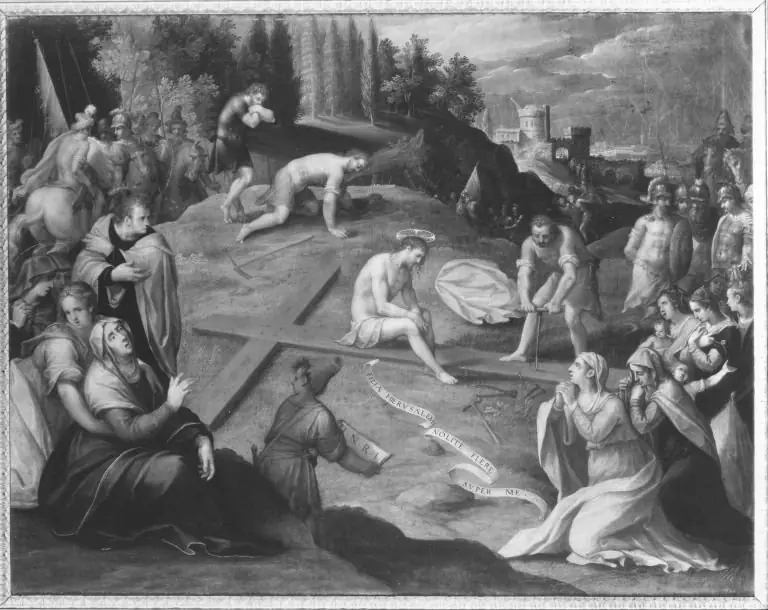 Vorbereitung zur Kreuzigung
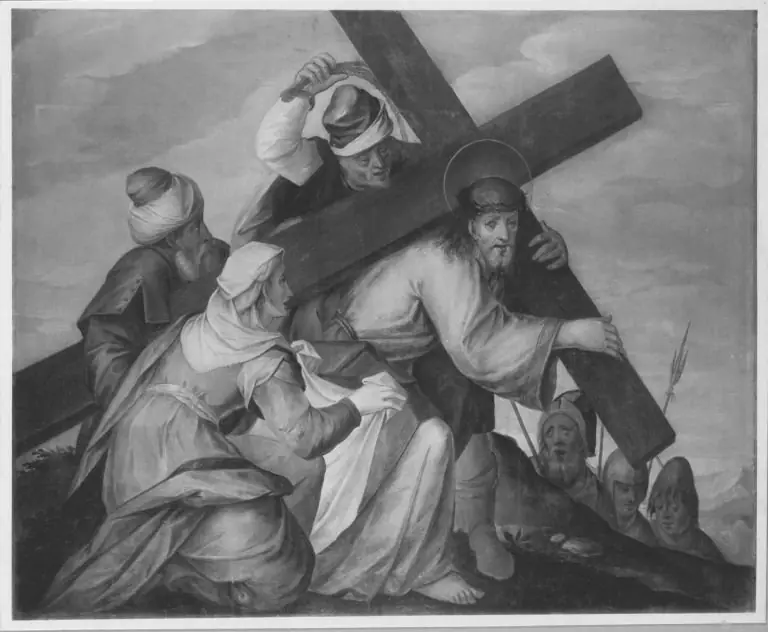 Kreuztragung Christi (Kopie nach)
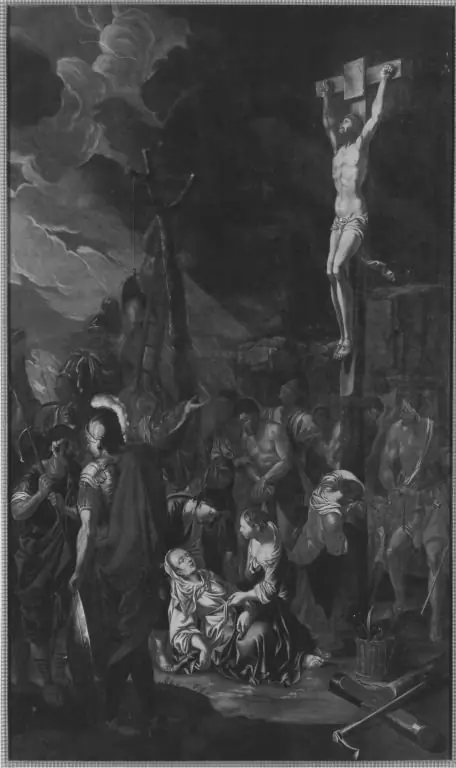 Kreuzigung
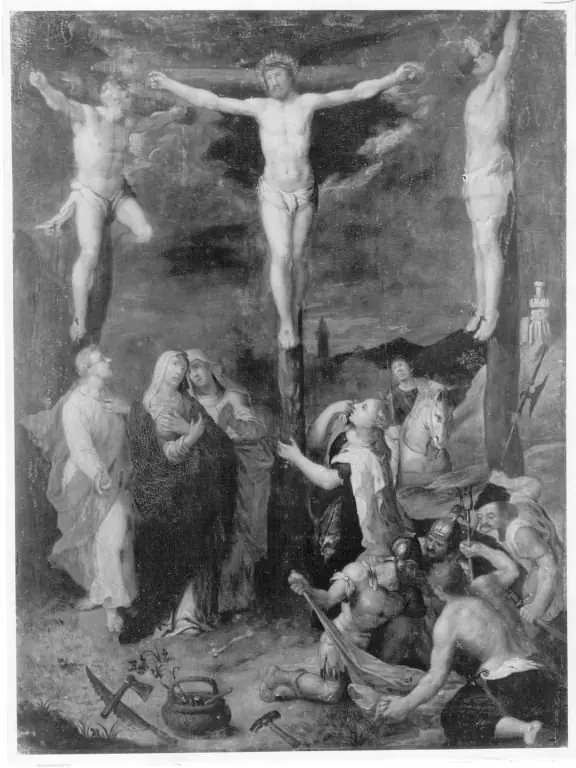 Christus am Kreuz
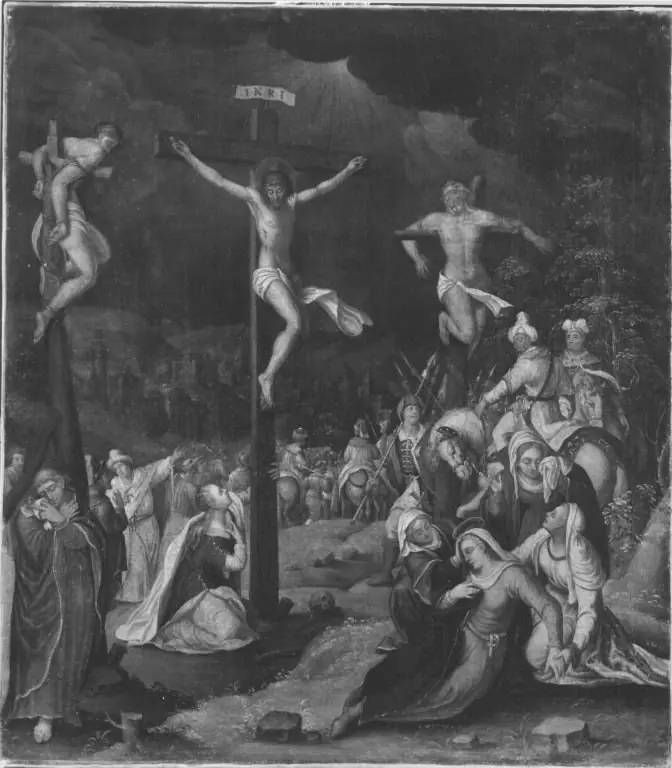 Kreuzigung Christi
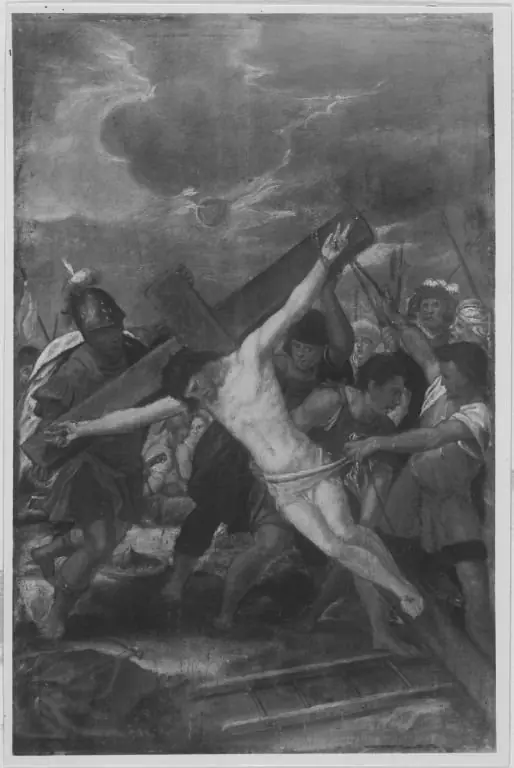 Kreuzaufrichtung Christi (Kopie nach)