Artwork
Witches' Sabbath
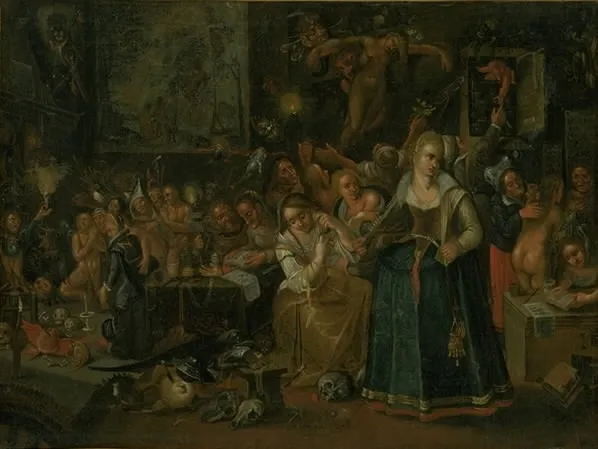
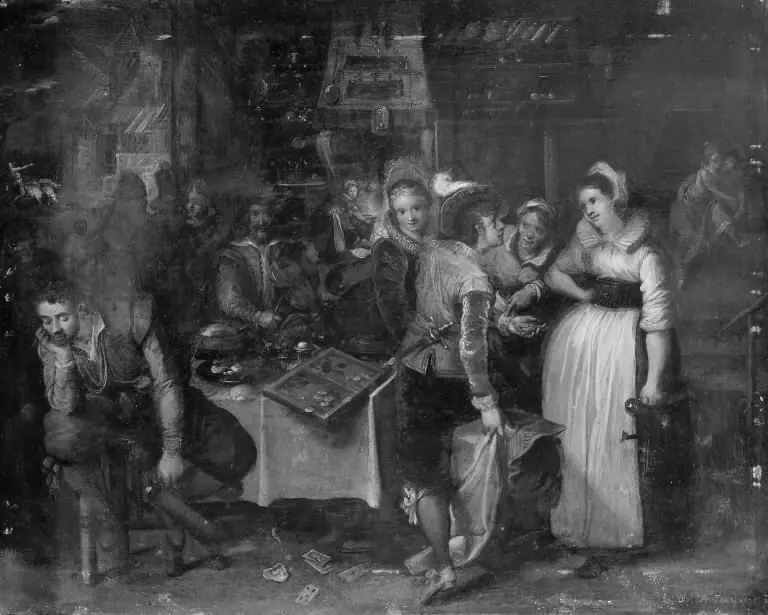
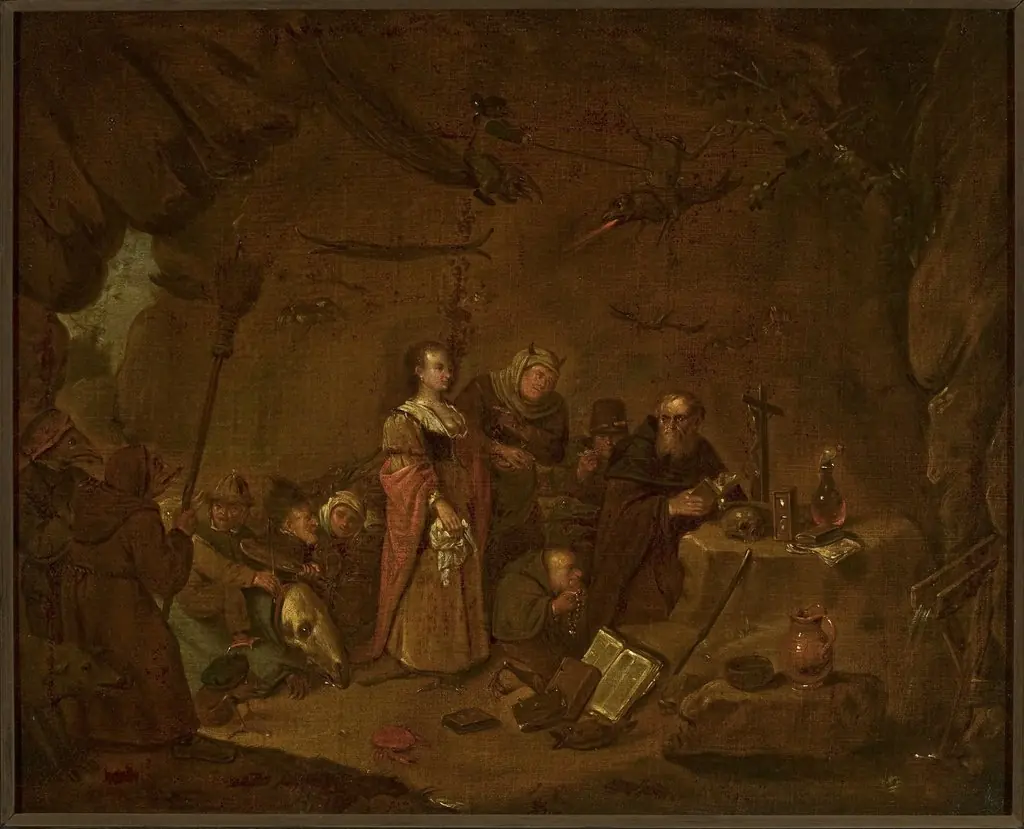
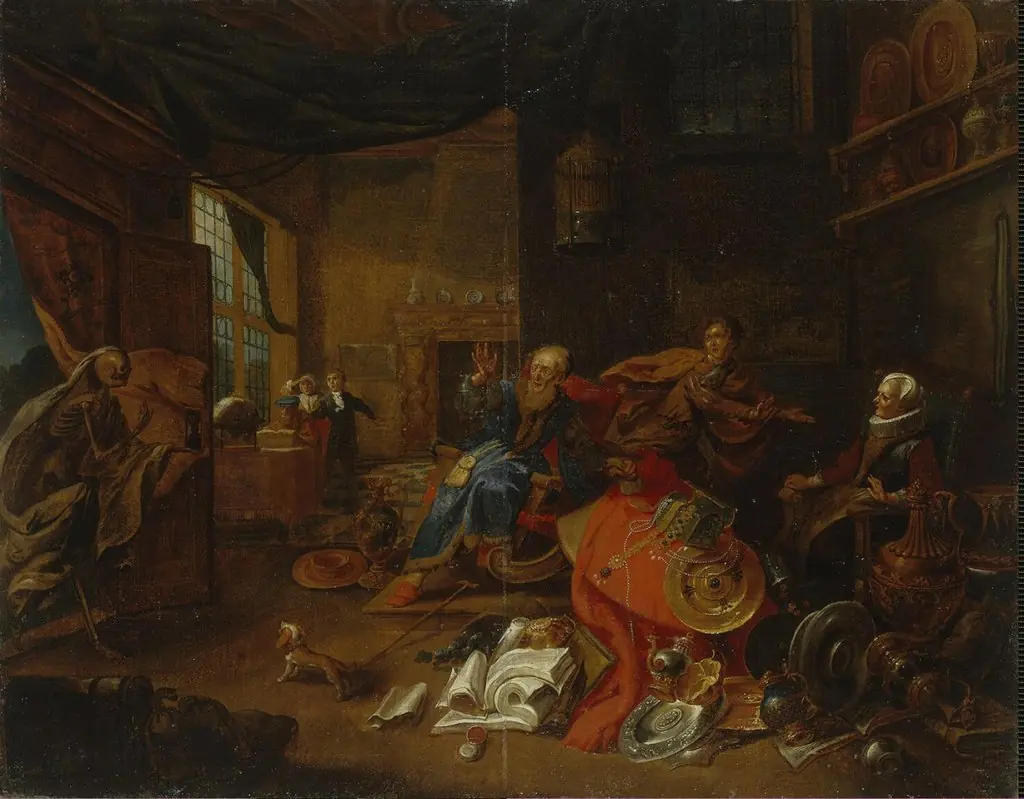
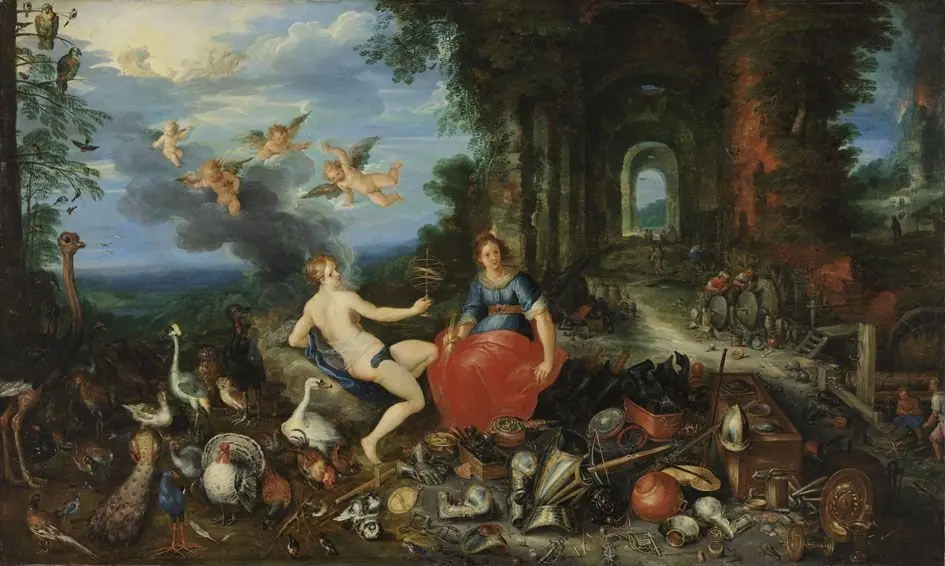
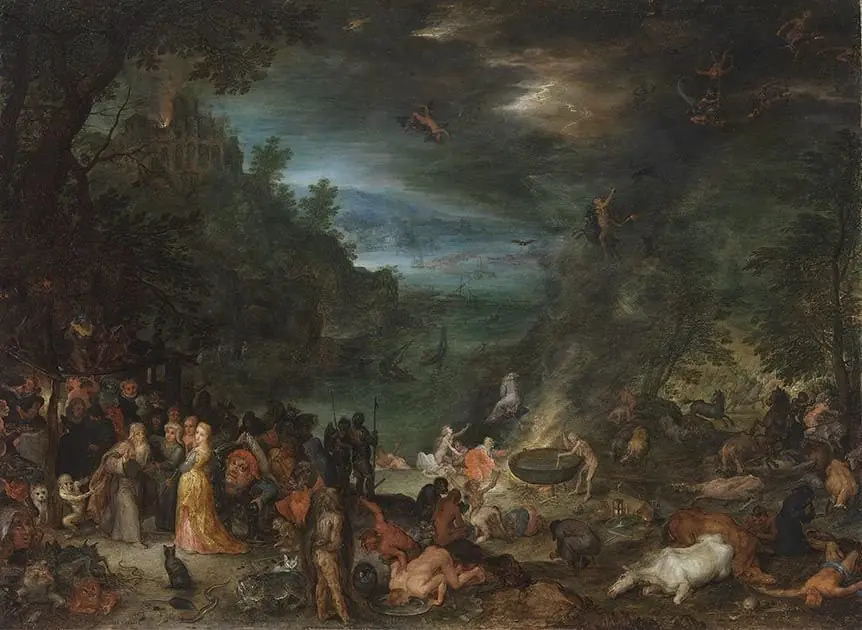
Witches' Sabbath is an oil painting by the Flemish Baroque painting artist Frans Francken the Younger. It dates from 1616 and is held in the collection of the Statens Museum for Kunst.
About this work
Overview
Painted in 1616 by Frans Francken the Younger, this oil-on-panel work depicts a clandestine gathering associated with witchcraft.
Painted in 1616 by Frans Francken the Younger, this oil-on-panel work depicts a clandestine gathering associated with witchcraft. Executed in the Flemish Baroque style, it reflects Francken’s engagement with allegorical and supernatural themes. The painting was produced during a period when small-scale cabinet pictures gained popularity among private collectors, and it remains part of the permanent collection at Statens Museum for Kunst in Copenhagen.
Subject & Meaning
The scene portrays a secretive assembly of figures engaged in ritualistic activities—reading, writing, playing instruments—centered around a woman holding a book. A second figure directly confronts the viewer, heightening the sense of complicity or warning. The gathering evokes contemporary fears of occult practices, blending moral allegory with folkloric imagery common in early 17th-century Northern Europe.
Technique & Style
Francken employed fine brushwork and controlled chiaroscuro to define the dim interior, where candlelight and embers cast sharp contrasts across faces and objects. Details of clothing, instruments, and texts are rendered with precision, characteristic of Flemish cabinet painting. The composition is tightly packed, guiding the eye through layered actions while maintaining an atmosphere of quiet tension.
History & Provenance
Created during Francken’s mature period, the painting was likely commissioned by a private collector interested in the macabre or allegorical. It entered the Danish national collection in the 19th century, where it has remained since. No earlier ownership records are widely documented, but its survival suggests it was valued as a curiosity within elite circles.
Context
In early 17th-century Flanders, depictions of witches’ gatherings reflected both religious anxieties and growing interest in the occult as subject matter. While church altarpieces dominated Francken’s output, smaller works like this catered to collectors seeking moralizing or fantastical imagery. Similar scenes appeared in prints and paintings across the Low Countries, often tied to debates over superstition and heresy.
Legacy
The painting stands as an example of how Flemish artists translated popular fears into intimate, detailed narratives. Though not widely exhibited, it contributes to scholarly understanding of how witchcraft was visually constructed in art outside of trial records. Francken’s treatment avoids sensationalism, favoring quiet unease over overt horror, influencing later genre depictions of the supernatural.
Artist & collection
Artist
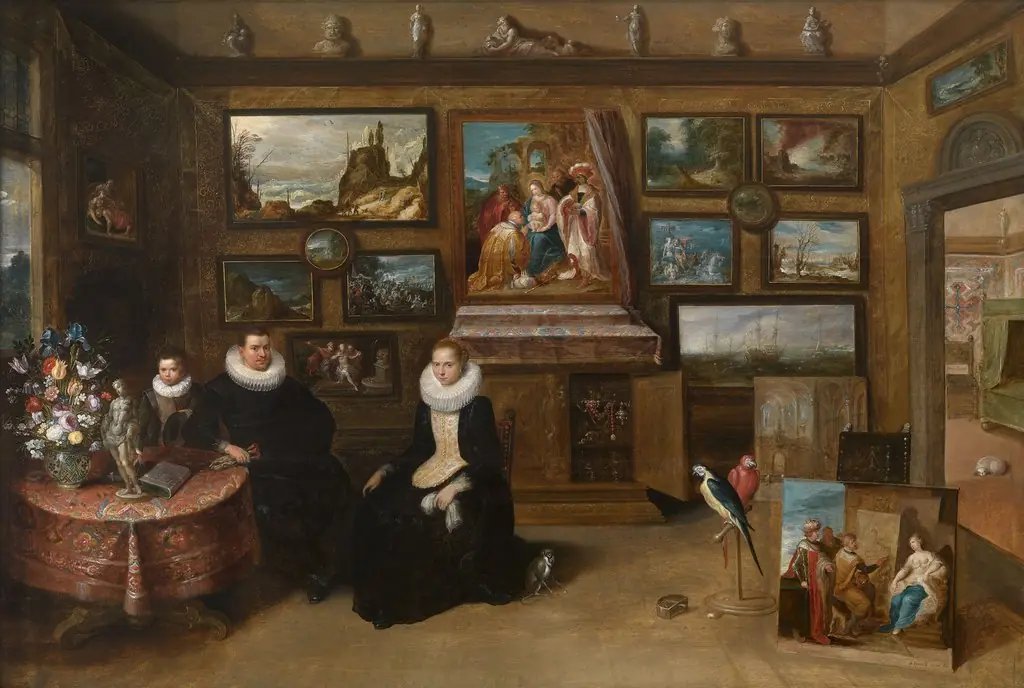
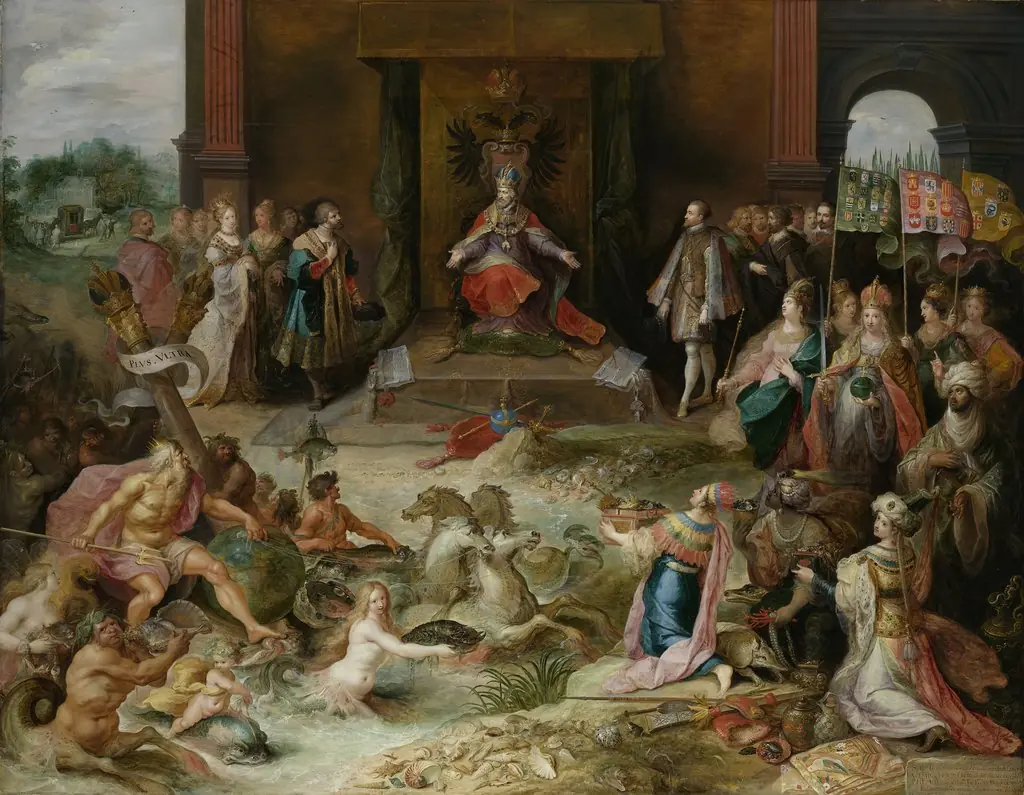
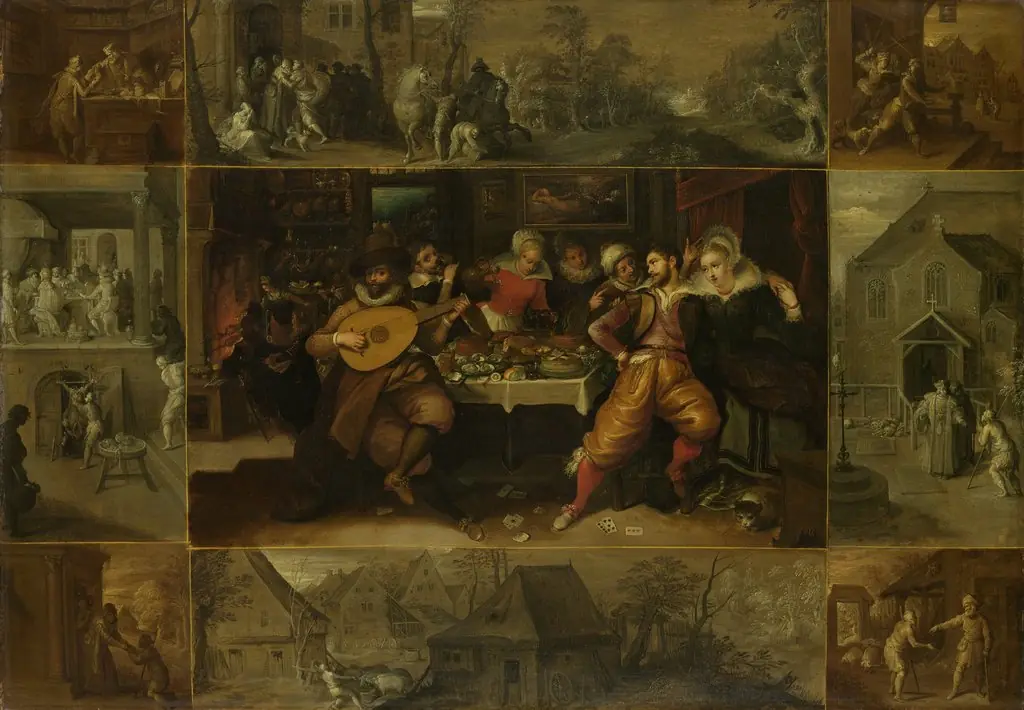
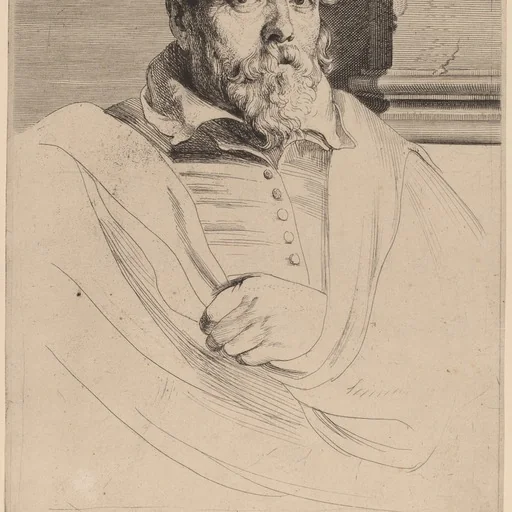
Frans Francken the Younger (1581, Antwerp – 6 May 1642, Antwerp) was a Flemish painter and the best-known and most prolific member of the large Francken family of artists.