Artwork
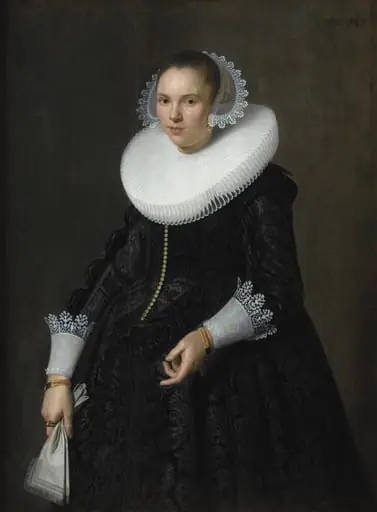
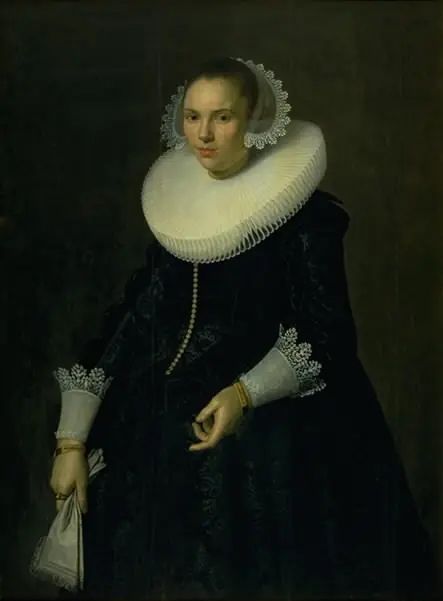
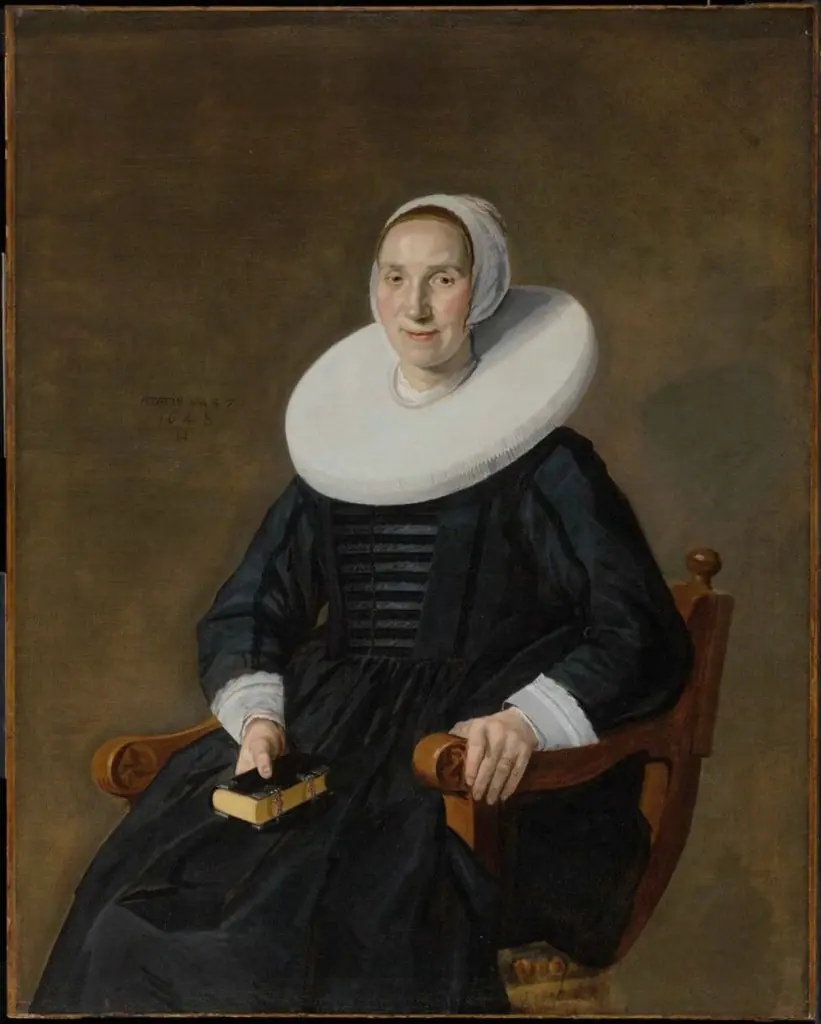
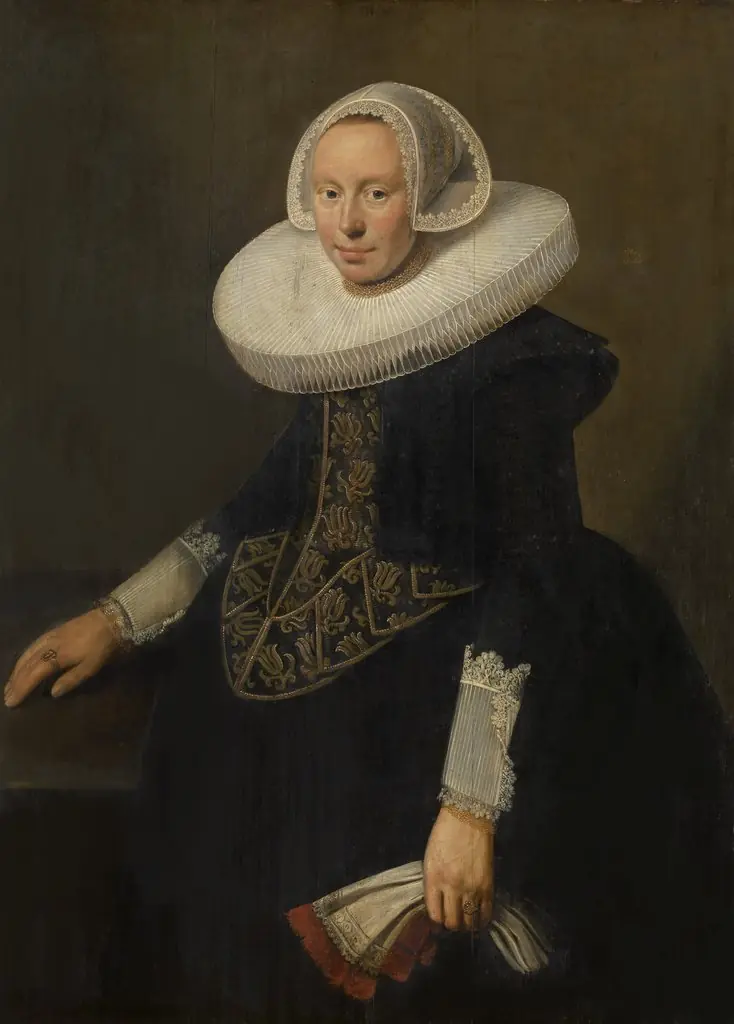
Portrait of a Woman, probably Aeltje Dircksdr. Pater
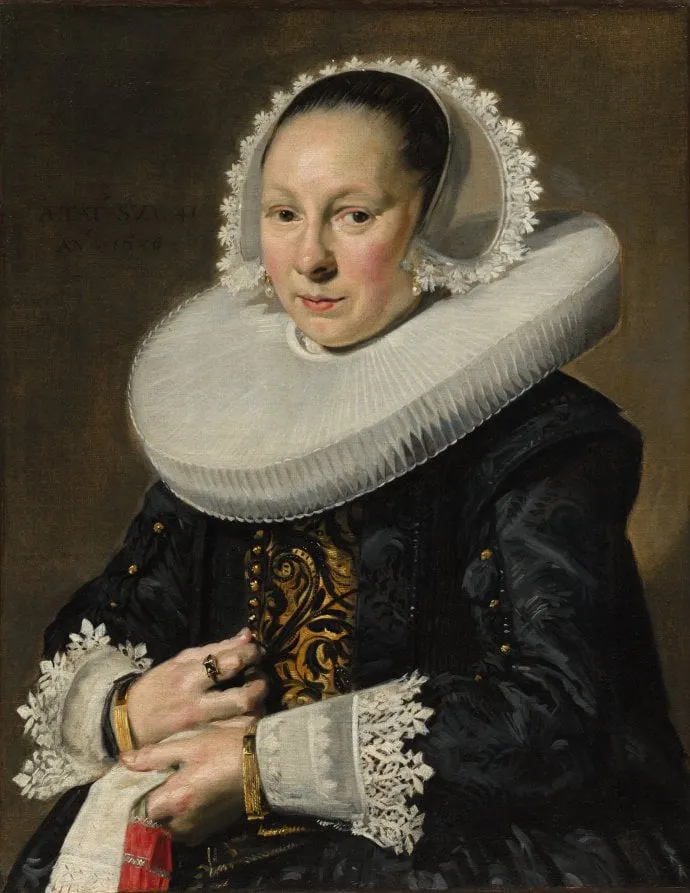
Portrait of a Woman, probably Aeltje Dircksdr. Pater is an unspecified painting by the Baroque artist Frans Hals. It dates from 1638 and is held in the collection of the Cleveland Museum of Art.
About this work
Overview
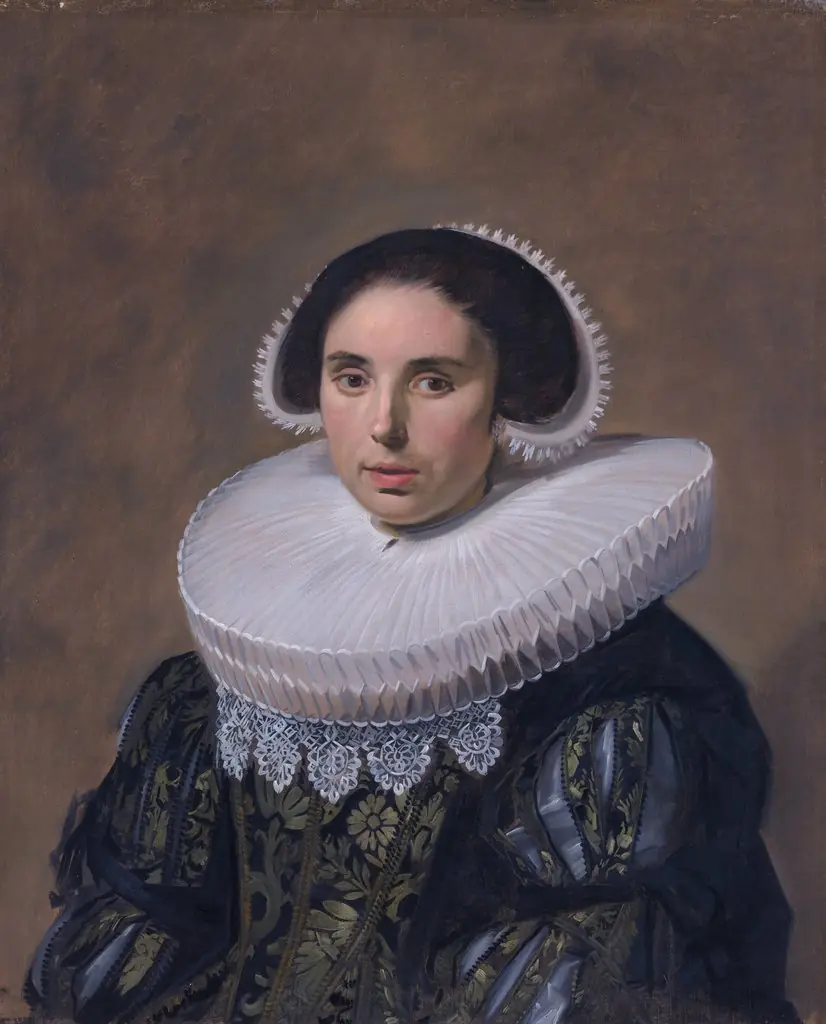
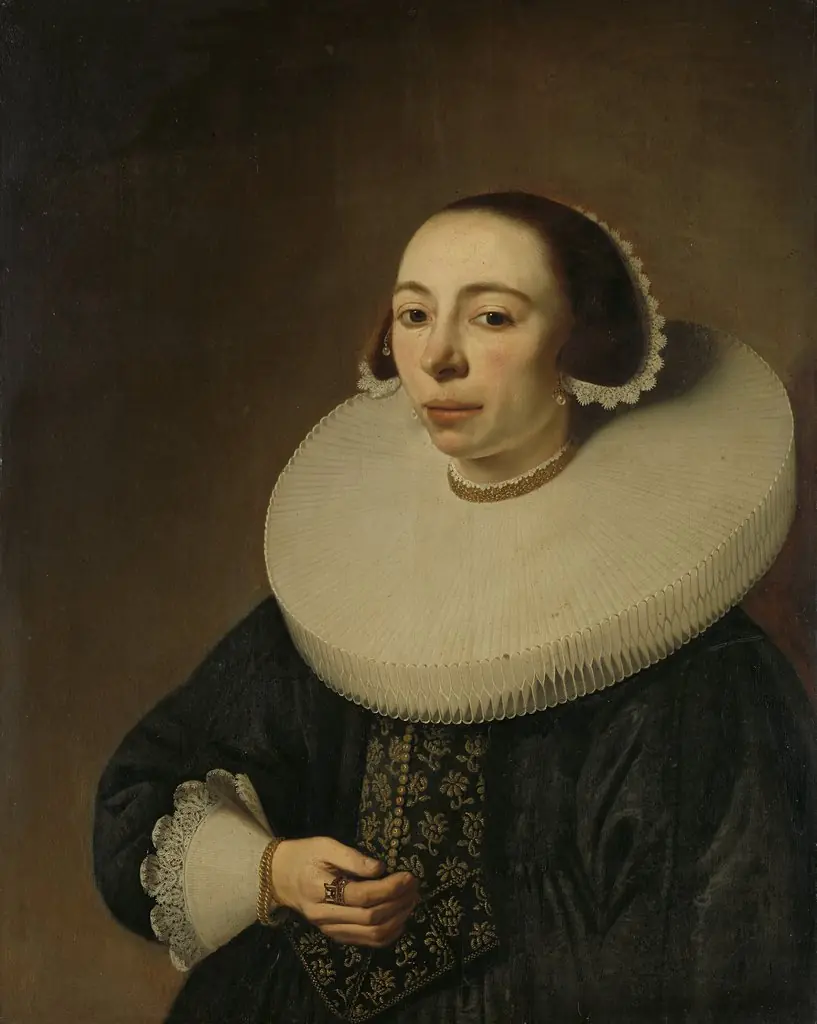
This portrait captures a woman in a dark gown with a crisp white collar, rendered in rapid, fluid brushwork characteristic of Frans Hals.
This portrait captures a woman in a dark gown with a crisp white collar, rendered in rapid, fluid brushwork characteristic of Frans Hals. Painted with wet-on-wet techniques, the layers of pigment blend seamlessly, creating a sense of immediacy. The sitter’s direct gaze and unidealized expression convey quiet presence rather than formal grandeur. The painting’s energy stems from its unpolished surface, where each stroke remains visible and alive.
Subject & Meaning
The sitter is likely Aeltje Dircksdr. Pater, wife of a Haarlem brewer and civic leader, identified by an inscription noting her age as 41 at the time of painting. Her attire reflects modest wealth—black fabric, a starched collar—typical of Protestant burgher class. There is no ornamentation or symbolic props; her identity is anchored in dignity and stillness, reflecting the values of her social circle rather than aristocratic display.
Technique & Style
Hals applied paint in successive wet layers, allowing colors to merge before drying, producing soft transitions in the skin and shimmering textures in the collar and sleeves. His brushwork at the hairline uses delicate, blended strokes to suggest individual strands without definition. The impasto effect in the fabric and the loose handling of the background emphasize spontaneity, rejecting smooth finish in favor of tactile immediacy.
History & Provenance
Painted around 1638, the work entered the collection of the Frans Hals Museum in Haarlem, where it remains. Its attribution to Aeltje Dircksdr. Pater is based on archival records linking her to the artist’s circle and the inscription on the canvas. The painting’s survival with its original frame and condition is rare among Hals’s portraits of this period.
Context
In early 17th-century Haarlem, portraiture served civic and familial identity more than courtly prestige. Hals’s style broke from the rigid conventions of the time, favoring dynamic brushwork over idealized likeness. His approach resonated with the city’s merchant elite, who valued authenticity and vitality over formality, reflecting broader cultural shifts in Dutch society.
Legacy
This portrait exemplifies Hals’s influence on later generations of painters who valued expressive brushwork over polished finish. His technique prefigured aspects of Impressionism and modern portraiture, demonstrating how immediacy and texture could convey psychological depth. The painting remains a touchstone for understanding the evolution of naturalistic representation in Dutch art.
Artist & collection
Artist
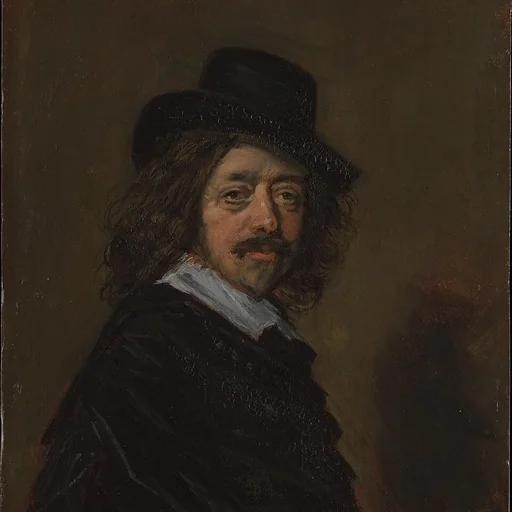
Frans Hals the Elder (UK: , US: ; Dutch: ; c. 1582 – 26 August 1666) was a Dutch Golden Age painter. He lived and worked in Haarlem, a city in which the local authority of the day frowned on religious painting in places…