Artwork
Portrait of a Lady
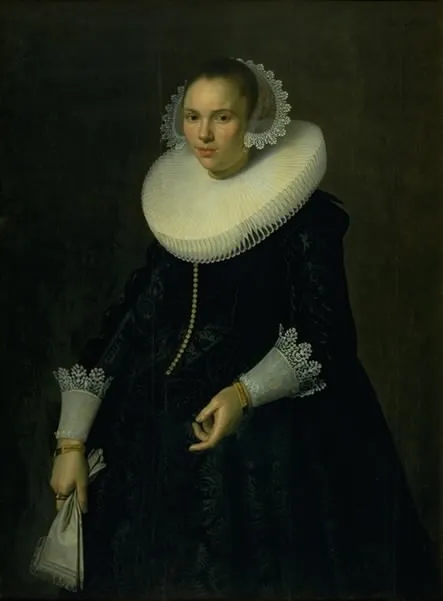
Portrait of a Lady is an oil painting by the Dutch Golden Age artist Nicolaes Eliaszoon Pickenoy. It dates from 1635 and is held in the collection of the Statens Museum for Kunst.
About this work
Overview
Nicolaes Eliaszoon Pickenaar’s *Portrait of a Lady* (1635) is an oil on canvas work held by the Statens Museum for Kunst. The painting depicts an unidentified woman rendered against a dark backdrop, allowing her features and attire to stand out.
Subject & Meaning
The sitter is shown in somber dress accented by a prominent white ruffled collar and a delicate lace cuff. She holds a white cloth in her right hand, wears a pearl necklace, and has her hair gathered back, presenting a composed, modest demeanor typical of 17th‑century Dutch portraiture.
Technique & Style
Executed in oil, the portrait demonstrates Pickenaar’s careful handling of light and texture, especially in the rendering of fabric, lace, and pearls. The subdued background contrasts with the illuminated face, while subtle patterning on the dark dress adds depth without distracting from the figure.
History & Provenance
Created in 1635, the work entered the collection of Denmark’s national gallery, Statens Museum for Kunst, where it remains on display. Its provenance prior to acquisition by the museum is not documented in the available records.
Context
Pickenaar, a Dutch Golden Age painter of Flemish descent, likely trained with Cornelis van der Voort and later influenced younger artists such as Bartholomeus van der Helst. This portrait reflects the period’s emphasis on individual representation within a restrained, domestic setting.
Artist & collection
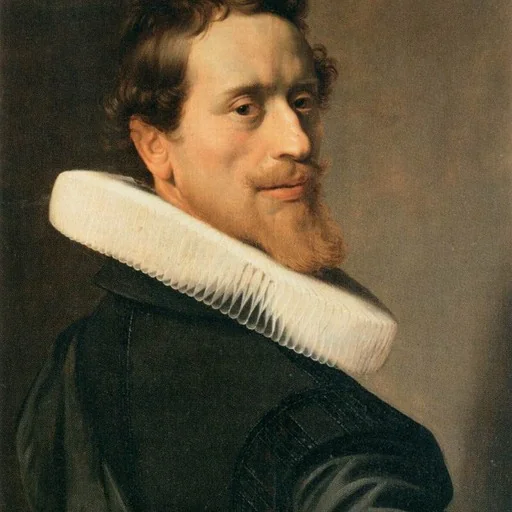
Artist
Nicolaes Eliaszoon Pickenoy (10 January 1588 – 1653/1656) was a Dutch painter of Flemish origin. Pickenoy was possibly a pupil of Cornelis van der Voort and presumably Bartholomeus van der Helst was his own pupil.

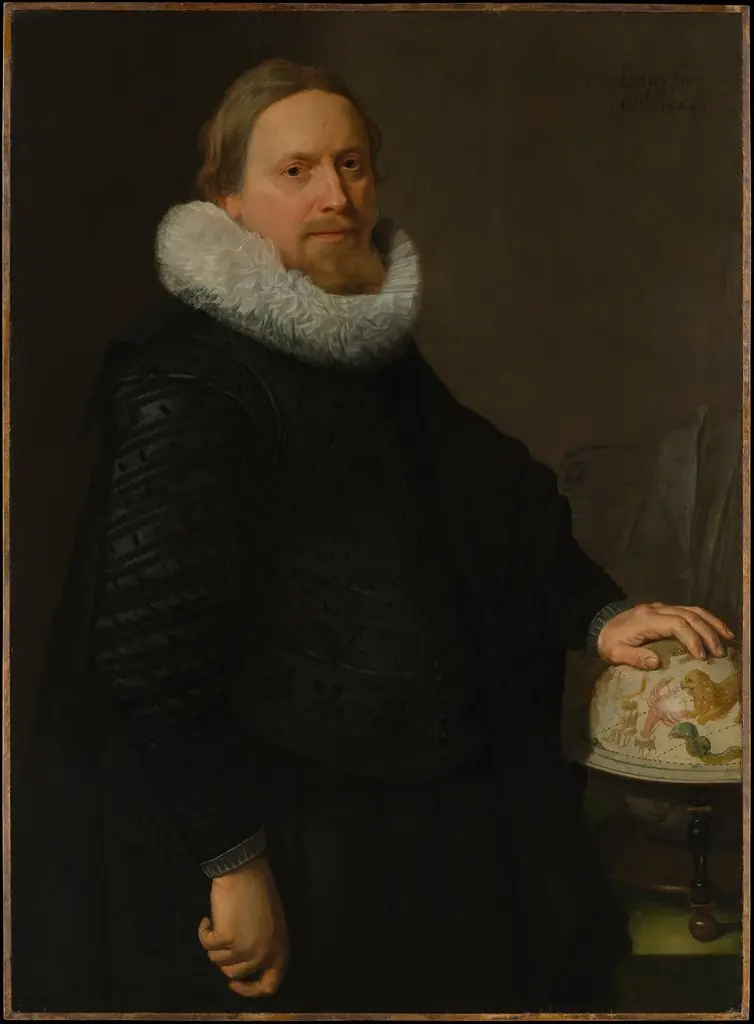 Man with a Celestial Globe
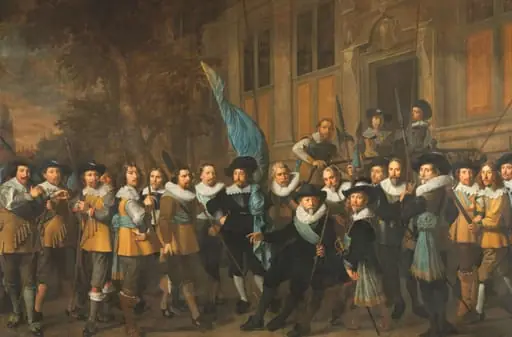 Officers and Other Civic Guardsmen of the IVth District of Amsterdam, under the Command of Captain Jan Claesz van Vlooswijck and Lieutenant Gerrit Hudde
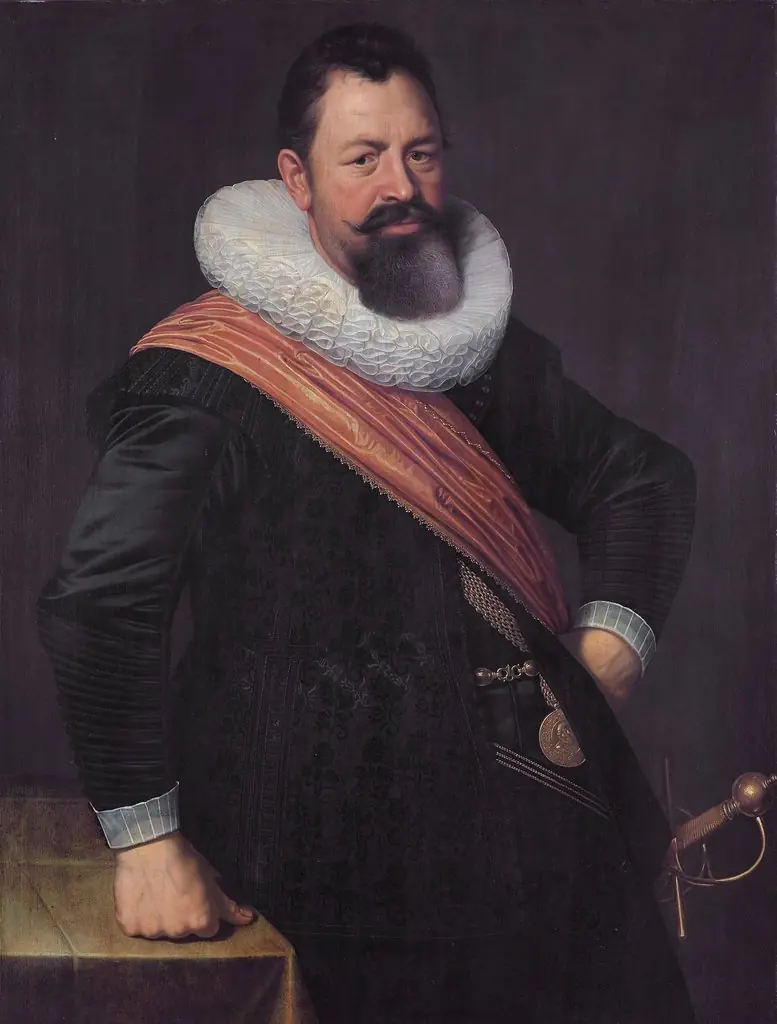 Portrait of Jochem Hendricksz Swartenhont (1566-1627)
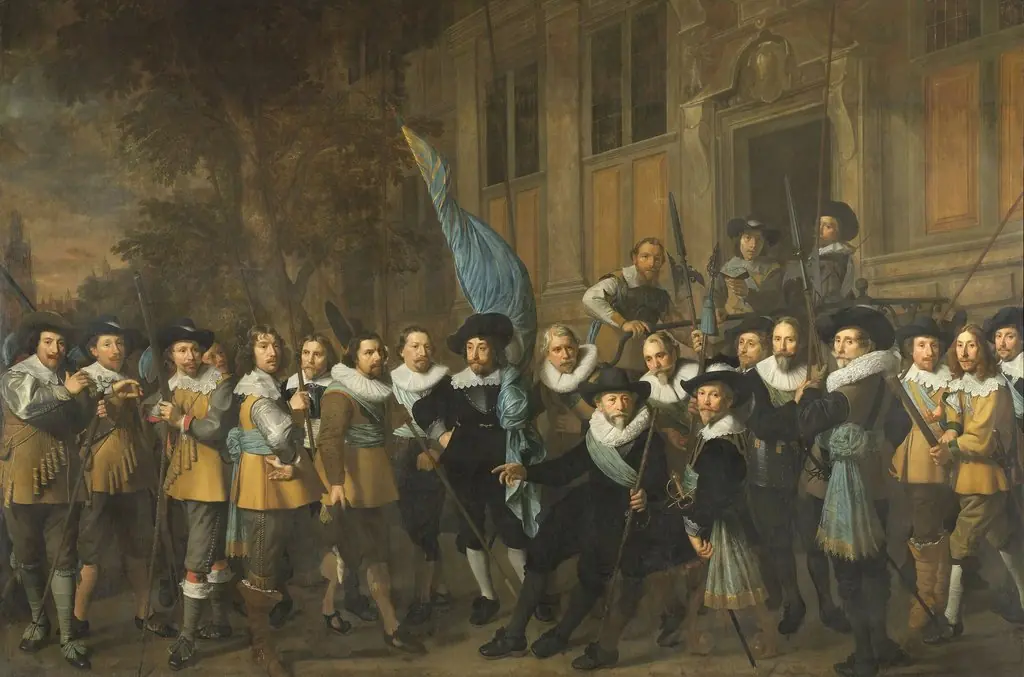 Officers and other civic guardsmen of the IVth District of Amsterdam, under the command of Captain Jan Claesz van Vlooswijck and Lieutenant Gerrit Hudde
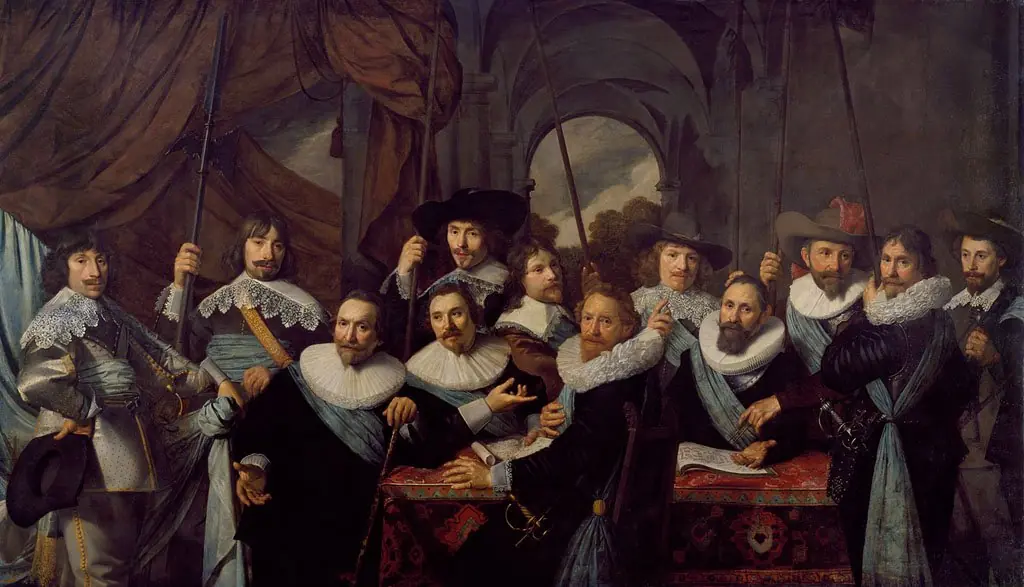 Members of the civic guard company of Captain Dirck Tholinx and Lieutenant Pieter Adriaenszn Raep