Artwork
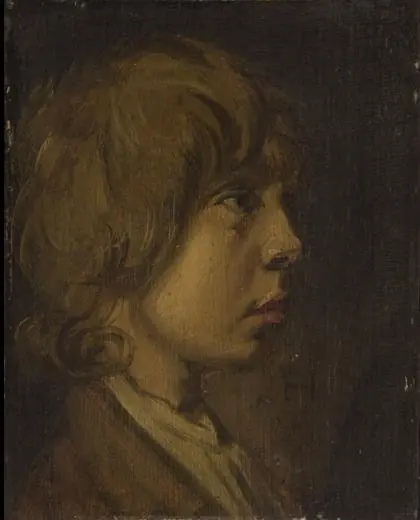
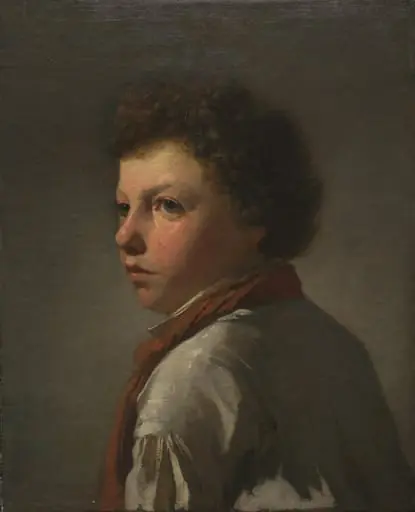
Portrait of a Boy facing Left
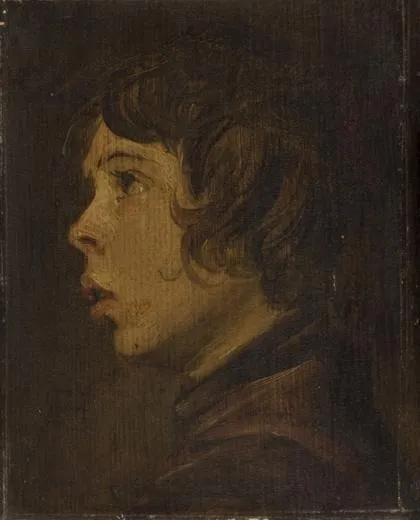
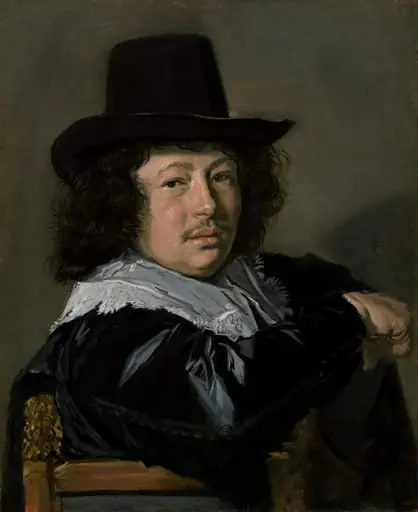
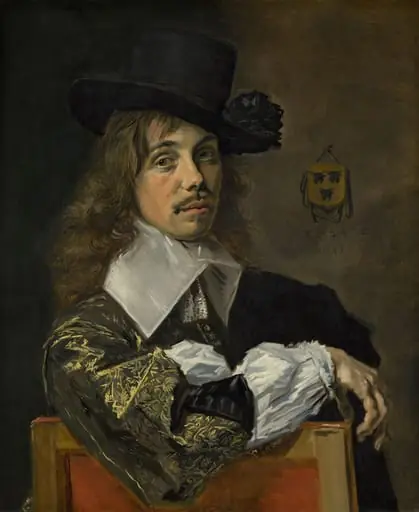
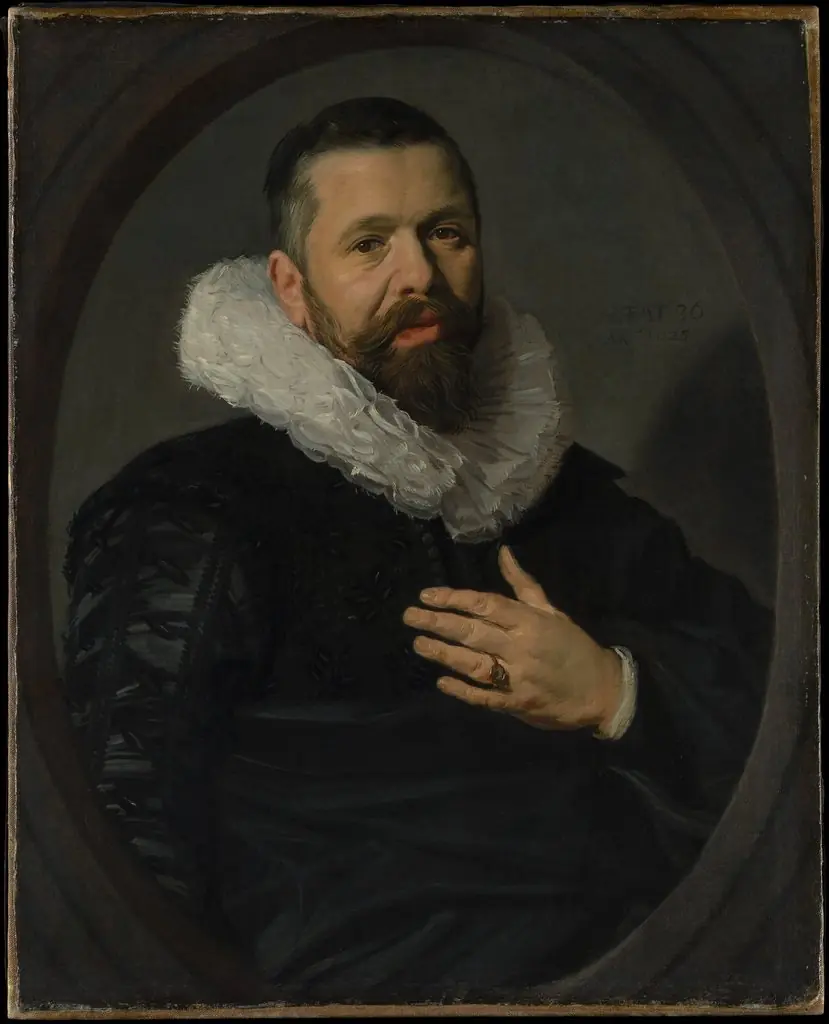
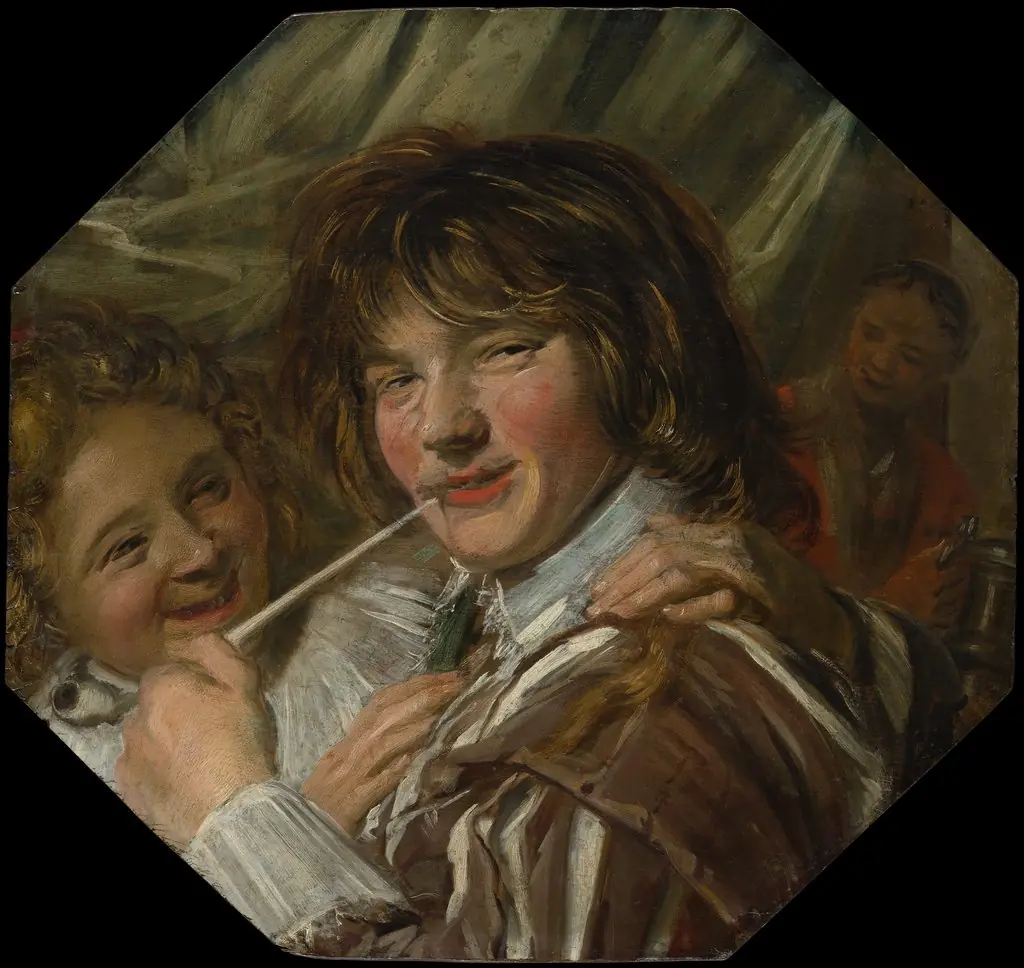
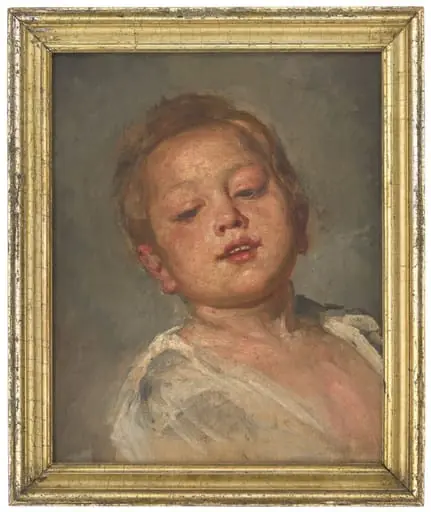
Portrait of a Boy facing Left is an oil painting by the Dutch Golden Age artist Frans Hals. It dates from 1620 and is held in the collection of the Philadelphia Museum of Art.
About this work
Overview
Painted in 1620 by Frans Hals the Elder, this oil portrait captures a young boy turned to the left, his gaze directed outward but unengaged with the viewer.
Painted in 1620 by Frans Hals the Elder, this oil portrait captures a young boy turned to the left, his gaze directed outward but unengaged with the viewer. Executed in Haarlem during the height of the Dutch Golden Age, the work exemplifies the period’s growing interest in intimate, non-idealized depictions of everyday individuals. It is now part of the Philadelphia Museum of Art’s collection, preserved as a quiet example of Hals’s early portraiture.
Subject & Meaning
The subject is a boy of uncertain identity, likely the child of a local merchant or civic official. His expression is neither posed nor theatrical, but introspective—lips slightly parted, eyes distant—as if caught in a moment of quiet reflection. The absence of symbols or attributes suggests the portrait’s purpose was personal rather than commemorative, emphasizing presence over status or narrative.
Technique & Style
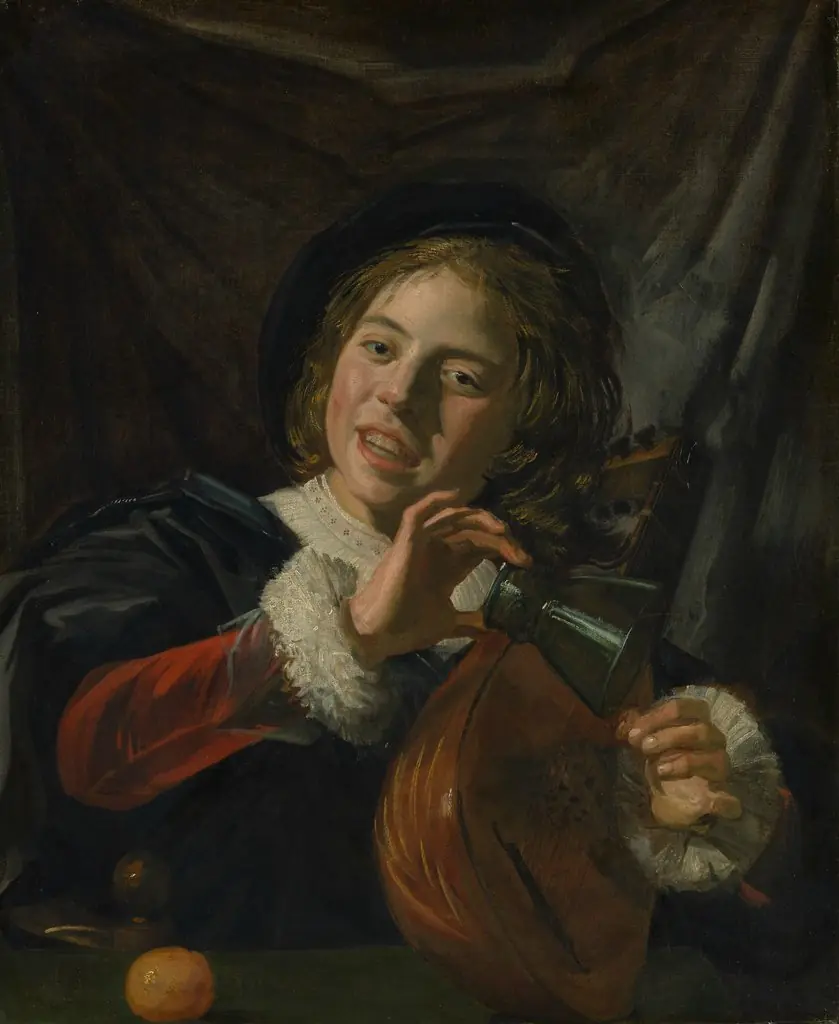
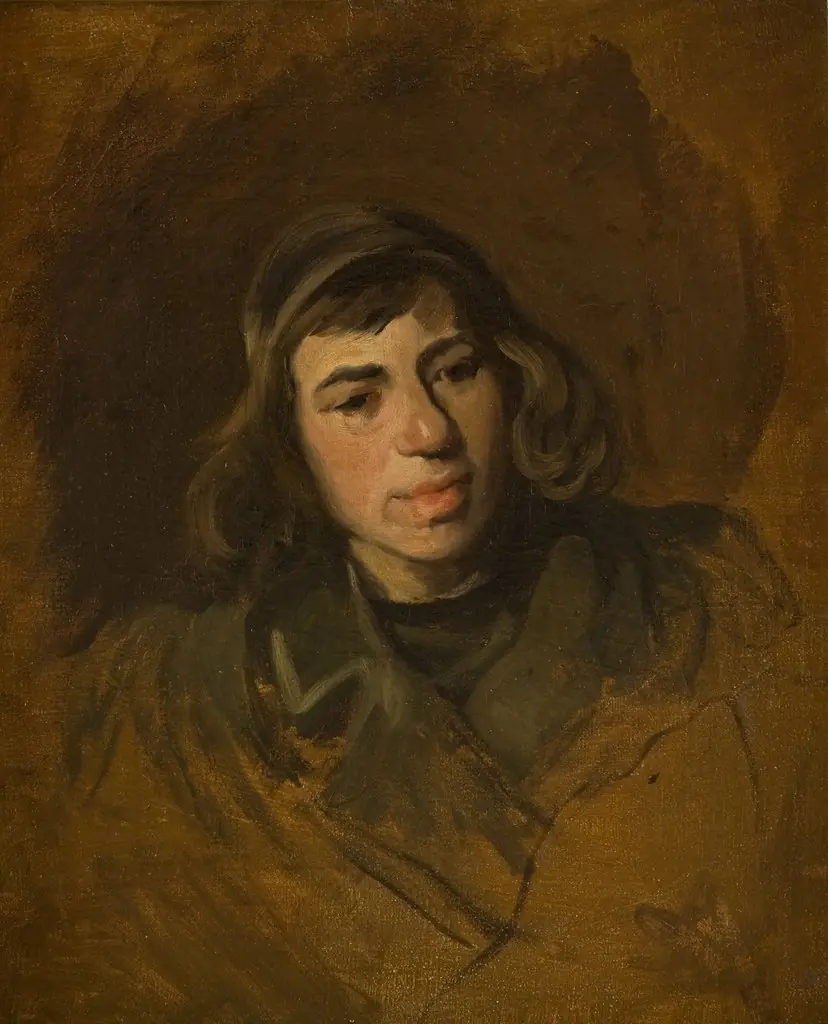
Hals applied oil paint with loose, fluid brushwork, particularly in the boy’s curls and the soft transitions of his skin. The background is rendered in muted earth tones, allowing the figure to emerge without distraction. His features are rendered with subtle modeling rather than sharp detail, reflecting Hals’s preference for capturing vitality over polished finish—a hallmark of his approach to portraiture.
History & Provenance
The painting remained in private Dutch collections until the early 20th century, when it entered the Philadelphia Museum of Art’s holdings. Its documented history is limited, but its stylistic consistency with Hals’s known works from the 1620s supports its attribution. No significant alterations or restorations are recorded, preserving the original surface and tonal balance.
Context
In early 17th-century Haarlem, portraits of children were increasingly commissioned by affluent families to mark familial continuity and domestic pride. Unlike formal adult portraits, these works often emphasized naturalism and emotional subtlety. Hals’s ability to convey psychological presence without embellishment aligned with broader cultural shifts toward individualism and domestic values.
Legacy
This portrait exemplifies Hals’s influence on the evolution of Dutch portraiture, moving away from rigid formality toward spontaneous, lifelike representation. Though not widely exhibited, it remains a reference point for scholars studying the artist’s handling of youth and psychological nuance. Its quiet intensity continues to inform interpretations of everyday life in the Dutch Golden Age.
Artist & collection
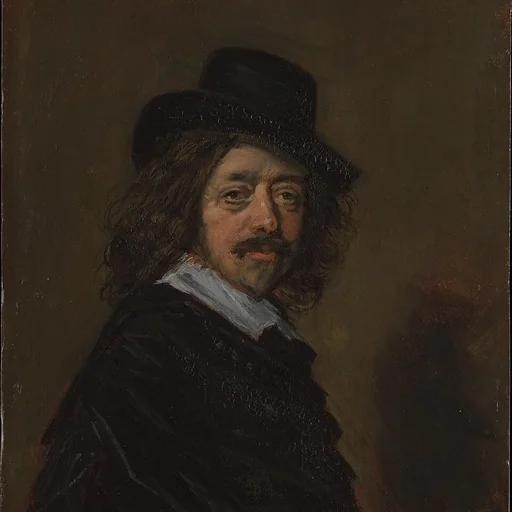
Artist
Frans Hals the Elder (UK: , US: ; Dutch: ; c. 1582 – 26 August 1666) was a Dutch Golden Age painter. He lived and worked in Haarlem, a city in which the local authority of the day frowned on religious painting in places…