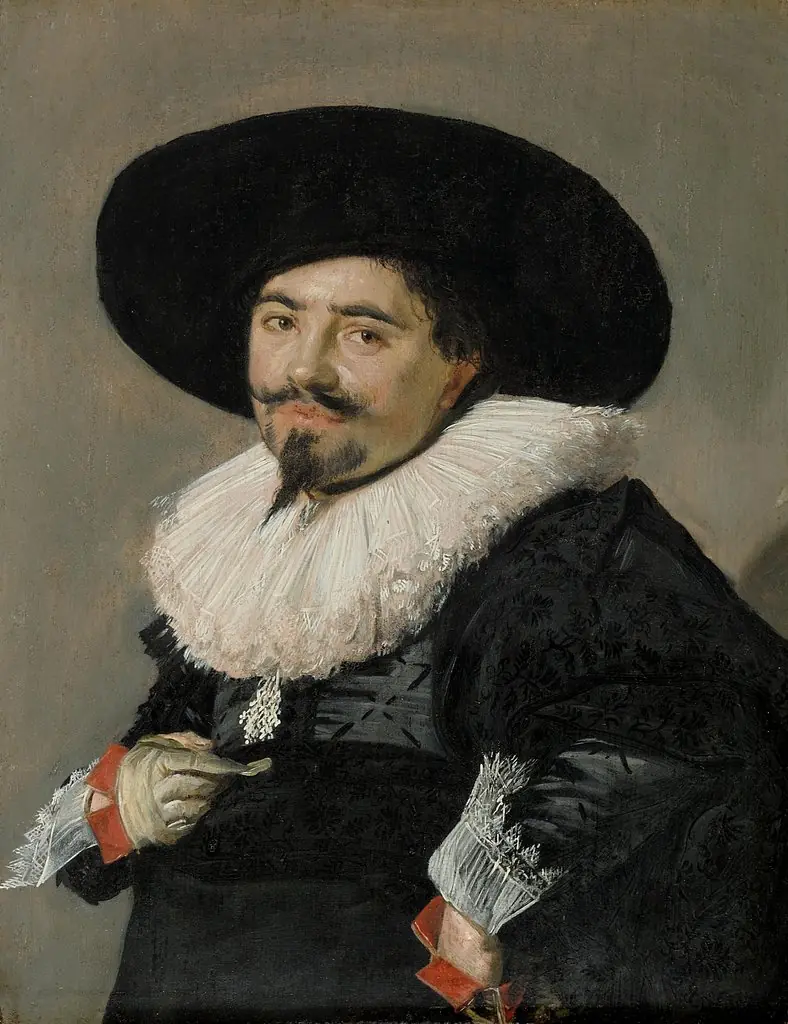
Artwork
Portrait of a man with a hat
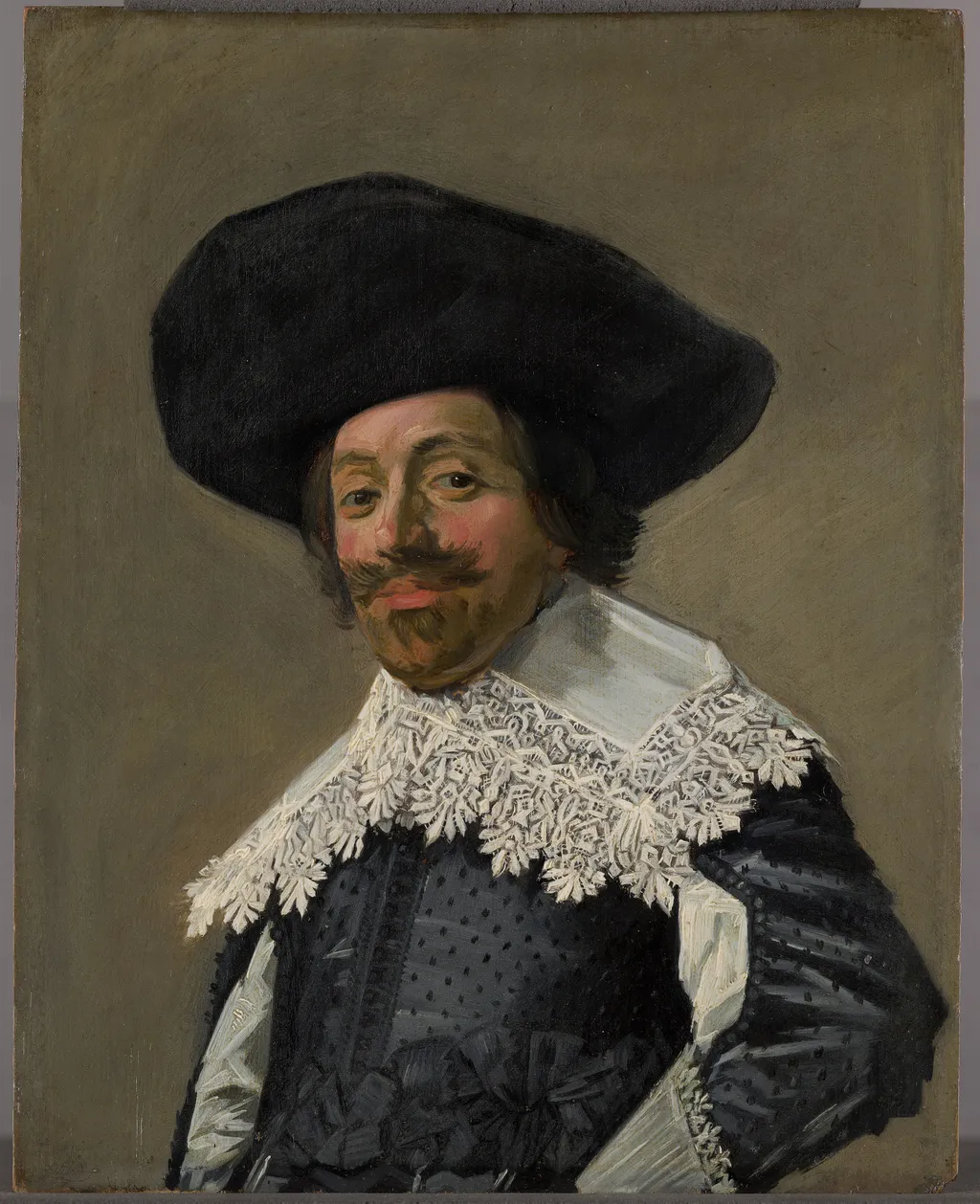
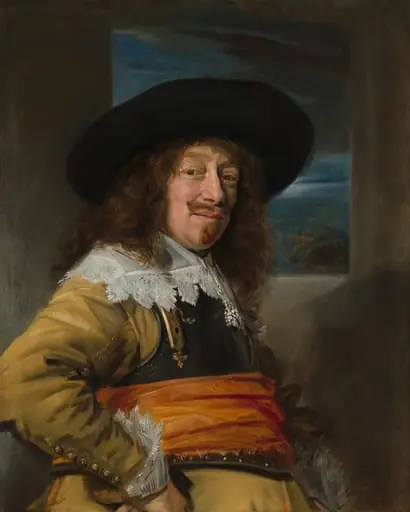
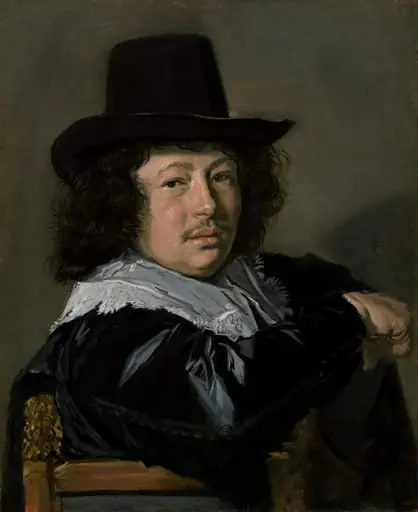
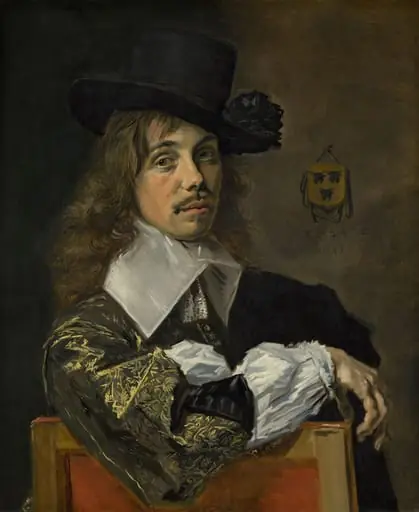
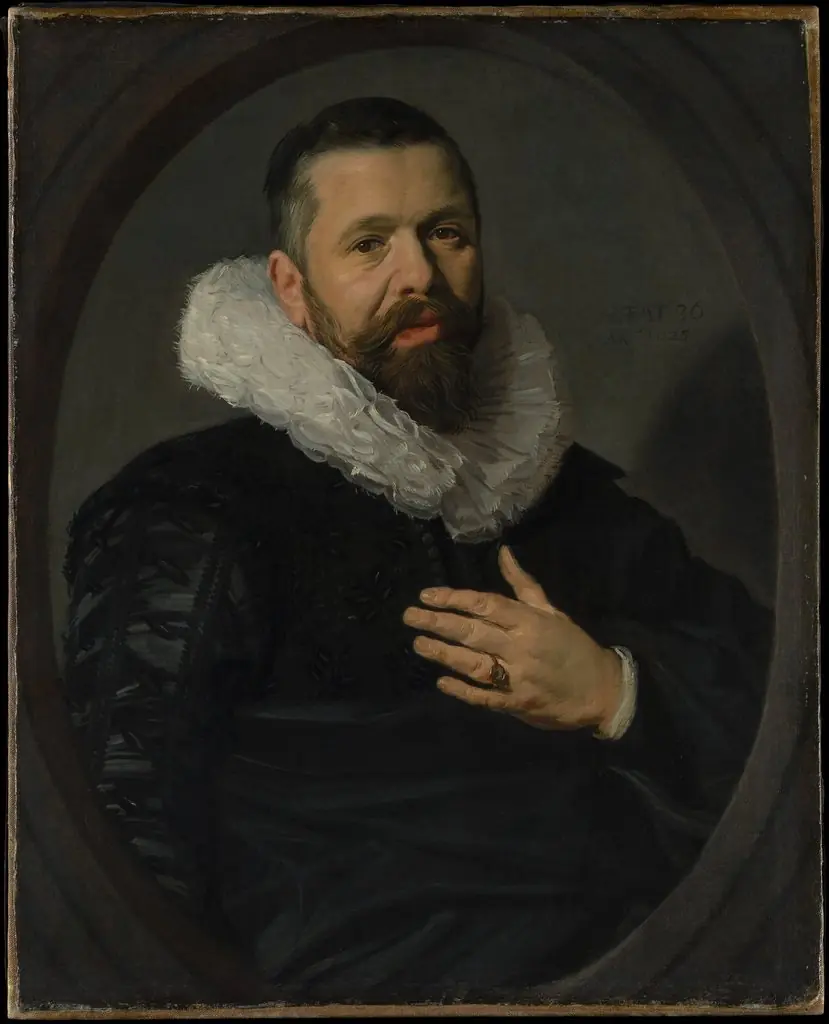
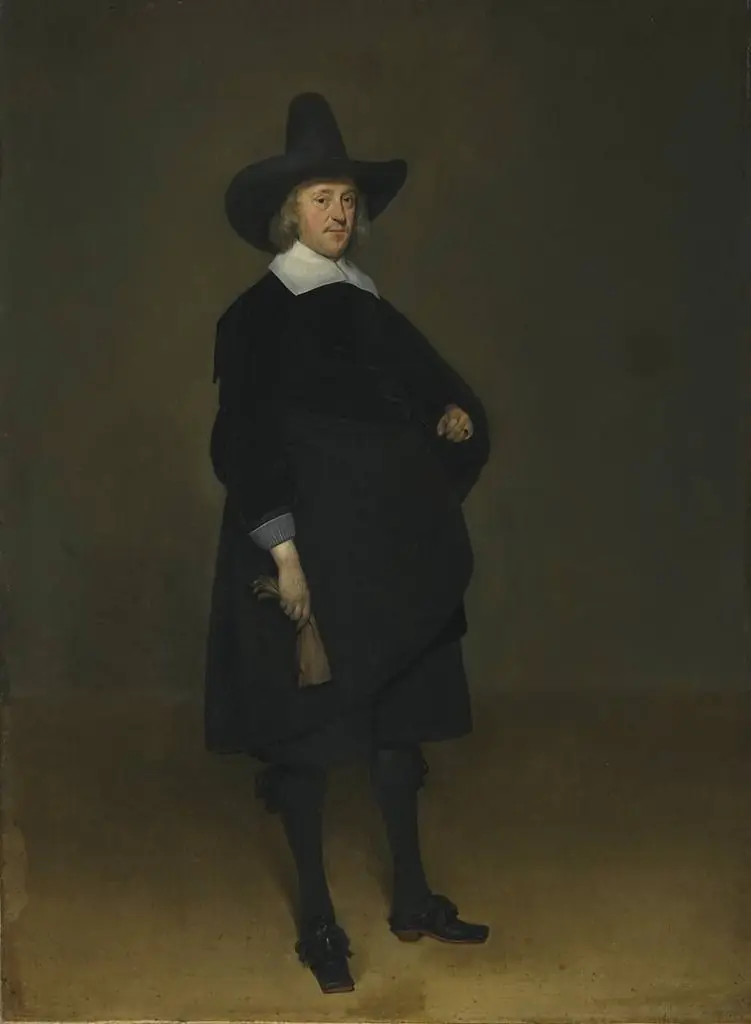
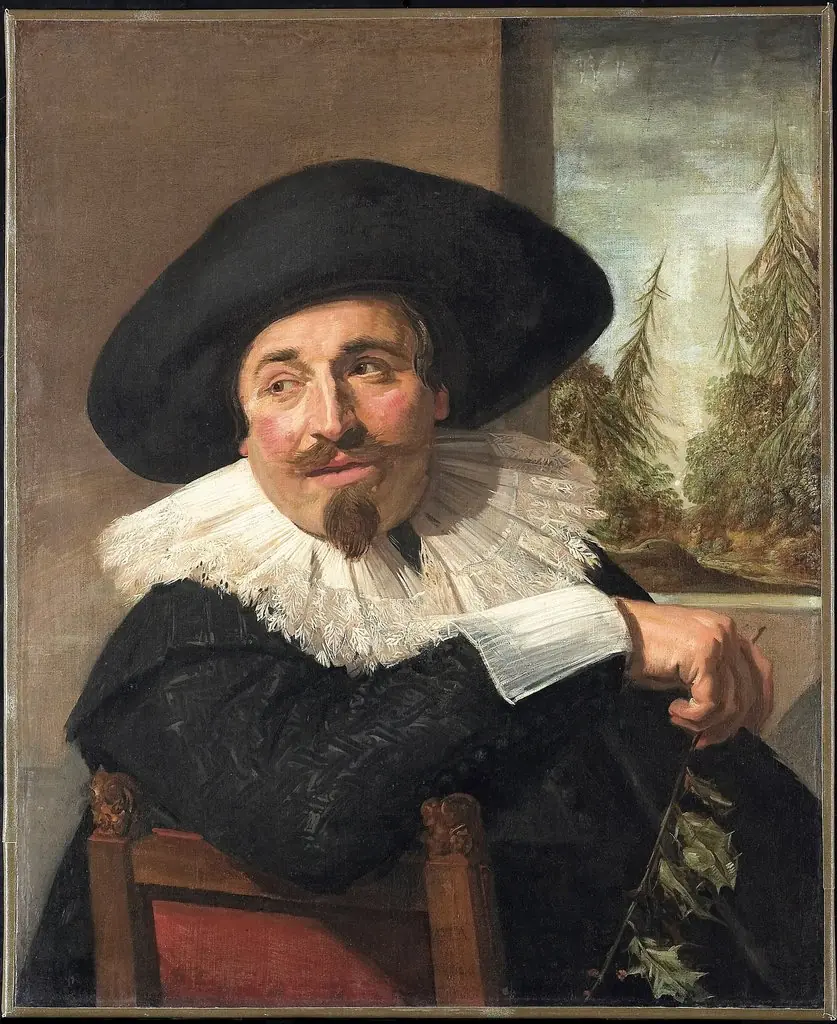
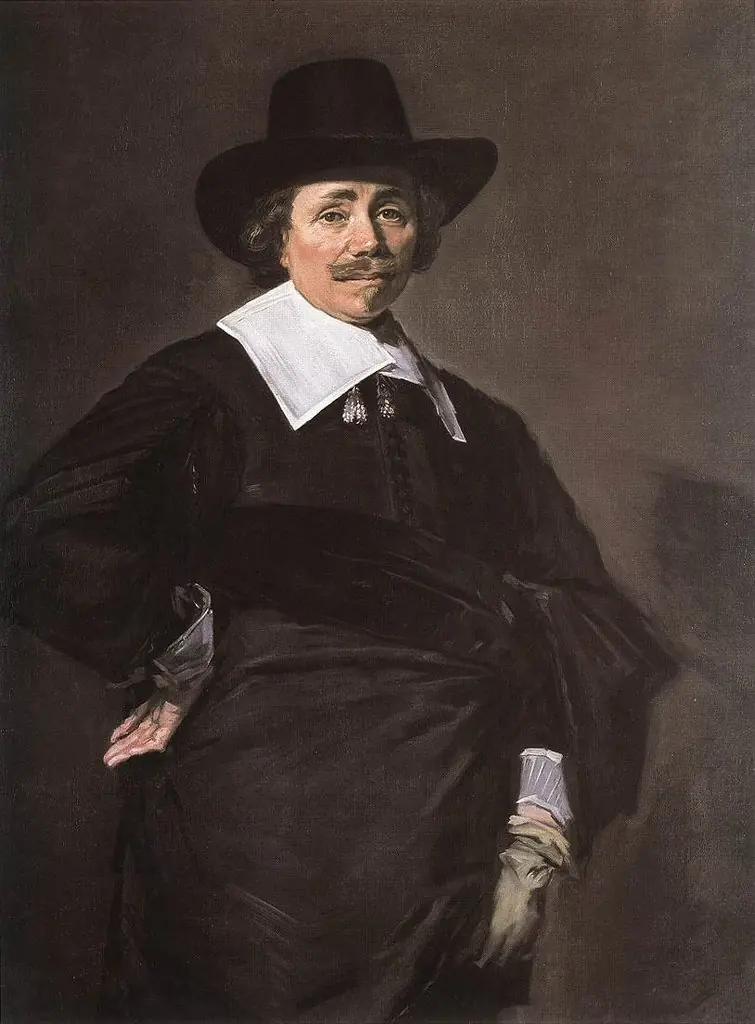
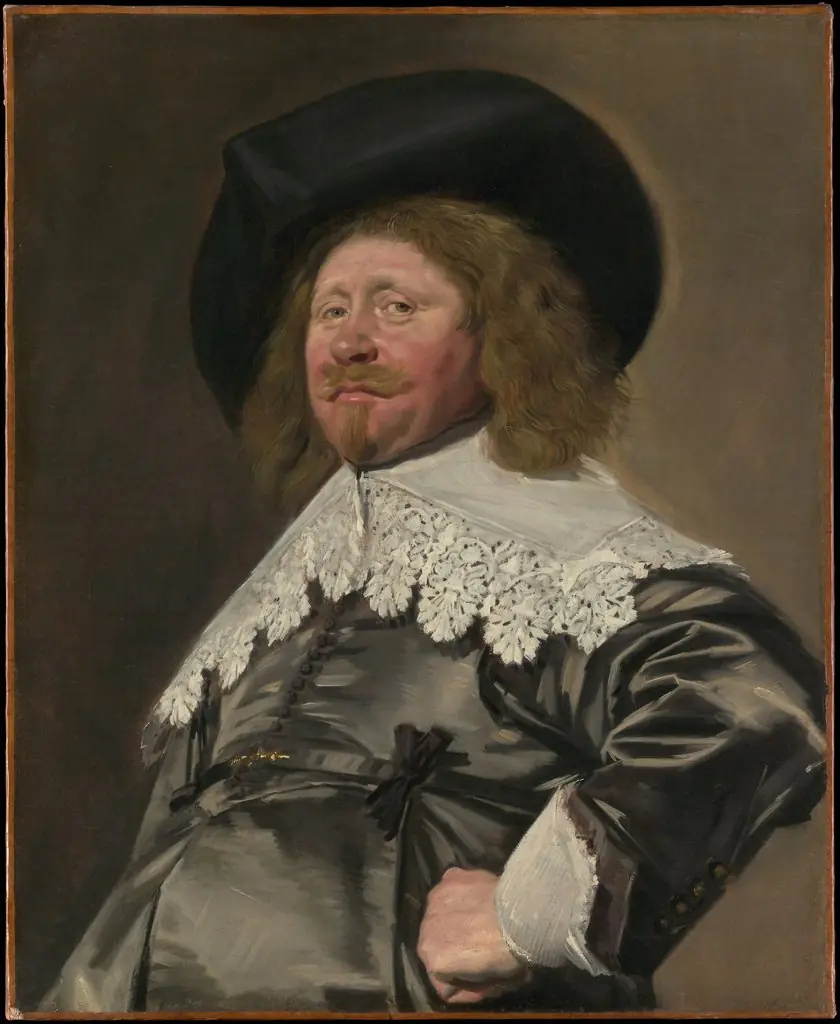
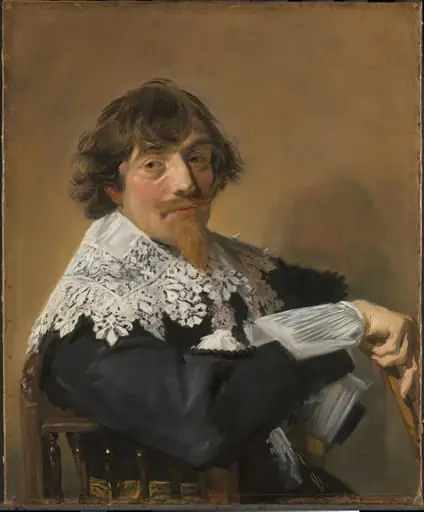
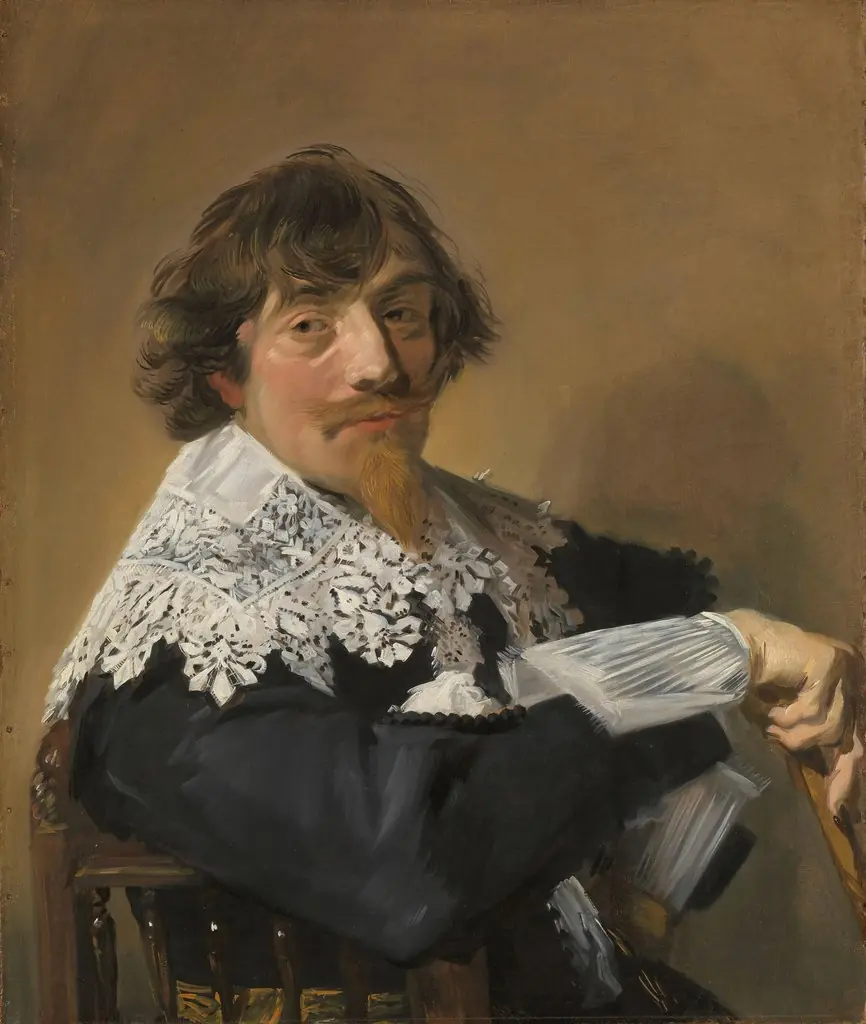
Portrait of a man with a hat is an oil painting by the Dutch Golden Age artist Frans Hals. It dates from 1634 and is held in the collection of the Mauritshuis.
About this work
Overview
Painted in 1634 by Frans Hals the Elder, this oil portrait captures a man wearing a brown doublet, lace collar, and broad-brimmed hat.
Painted in 1634 by Frans Hals the Elder, this oil portrait captures a man wearing a brown doublet, lace collar, and broad-brimmed hat. Executed during the Dutch Golden Age, the work reflects Hals’s reputation for lively, unidealized portraiture. Though likely a commissioned piece, its intimate scale and expressive detail suggest it may also function as a tronie—a study of character rather than a formal likeness. The painting is part of the Mauritshuis collection in The Hague.
Subject & Meaning
The sitter’s identity remains unknown, but his attire—elegant yet unostentatious—points to a member of Haarlem’s prosperous merchant class. His calm demeanor and subtle smile convey quiet confidence rather than aristocratic grandeur. The absence of symbols or elaborate setting shifts focus to his presence, emphasizing individuality over status. Hals captures a moment of quiet introspection, characteristic of his approach to portraying ordinary yet distinguished subjects.
Technique & Style
Hals employed loose, energetic brushwork to render fabric, hair, and skin with immediacy. Light falls diagonally across the face and collar, creating subtle chiaroscuro that models form without heavy modeling. The lace collar is suggested with swift, precise strokes, while the hat’s shadow anchors the figure in space. His technique avoids polish, favoring vitality and texture, a hallmark of his mature style that prioritized expressive gesture over meticulous detail.
History & Provenance
The painting entered the Mauritshuis collection in the 19th century, likely through the acquisition of private Dutch holdings. Its early ownership is undocumented, but its style aligns with Hals’s output during his Haarlem years, when he frequently painted local burghers. No records indicate it was commissioned for a specific patron, suggesting it may have been painted for the open market or as a personal study.
Context
In 1630s Haarlem, portraiture flourished among the urban elite seeking to assert their social standing through art. Hals stood apart from contemporaries by rejecting rigid formality, instead capturing fleeting expressions and natural postures. This portrait reflects a broader cultural shift toward individualism and the value placed on personal character, rather than inherited rank, in Dutch society.
Legacy
Hals’s approach to portraiture influenced later generations of artists, particularly in his emphasis on spontaneity and psychological presence. This work exemplifies his ability to convey depth with minimal means, a technique that prefigured modern realism. Though not widely exhibited in his lifetime, such portraits have since become touchstones for understanding the quiet dignity of Dutch civic life in the 17th century.
Artist & collection
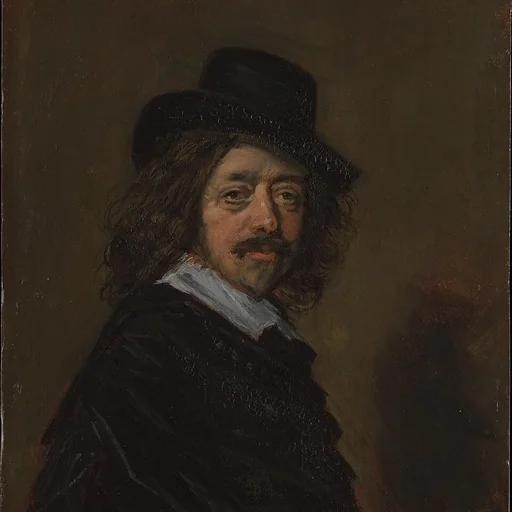
Artist
Frans Hals the Elder (UK: , US: ; Dutch: ; c. 1582 – 26 August 1666) was a Dutch Golden Age painter. He lived and worked in Haarlem, a city in which the local authority of the day frowned on religious painting in places…