Art Museum
Mauritshuis

Image: Wikimedia Commons.
Mauritshuis is an art museum in The Hague, Netherlands. 24 works from its collection are in this catalog, including Willem Claesz Heda and Emanuel de Witte.
About Mauritshuis
Overview & Identity
The Mauritshuis is a world-renowned art museum located in The Hague, Netherlands, celebrated for its exceptional collection of Dutch Golden Age paintings. Originally built as a private residence, it transitioned into a public art gallery in 1774 and became an independent non-profit foundation in 1995, though it remains a state museum receiving significant government funding. The institution is globally famous for housing iconic masterpieces by Johannes Vermeer, Rembrandt van Rijn, and Paulus Potter, drawing approximately 400,000 visitors annually.
History & Founding
The building was constructed between 1633 and 1644 as a residence for Prince John Maurice of Nassau, who was then the governor of the Dutch colony in Brazil. After his death in 1679, the property passed to the Maes family and was leased to the Dutch government. A devastating fire in 1704 destroyed most of the interior, necessitating a major restoration between 1708 and 1718. In 1774, an art gallery open to the public was established within the building, marking its formal transition into a museum space.
Building & Architecture
Designed by the prominent architects Jacob van Campen and Pieter Post, the Mauritshuis is a prime example of Dutch Classicism. The structure underwent significant changes over centuries, including a large-scale restoration and expansion between 2012 and 2014. This modern intervention included the construction of an underground foyer to connect the museum with the building across the street, housing an auditorium, education center, library, and additional exhibition space, while preserving the historic facade.
Collection Highlights
The museum's collection is defined by its focus on the Dutch Golden Age, featuring masterpieces such as Johannes Vermeer's 'Girl with the Pearl Earring' and Paulus Potter's 'The Bull'. The collection also includes works by Rembrandt and other contemporaries. In 1986, a plastic copy of a marble bust of Prince John Maurice, originally sculpted by a Flemish artist for the garden in 1664, was placed inside the museum. The collection was seized during the Nazi occupation but was later restored to the public trust.
Significance & Modern Era
The Mauritshuis holds immense cultural significance as one of the oldest public art galleries in the world. During the Nazi occupation from 1940 to 1945, the building served as a hideout for individuals evading slave labor, with people sheltering in its attic and basement despite the presence of Nazi offices. In 1977, the Prince William V Gallery reopened as a separate entity within the museum complex. The museum continues to operate with a staff of around 91 people and maintains a strong financial relationship with the Dutch government.
What to see at Mauritshuis
Start with Brothel Scene by Frans van Mieris the Elder.
Works from Mauritshuis
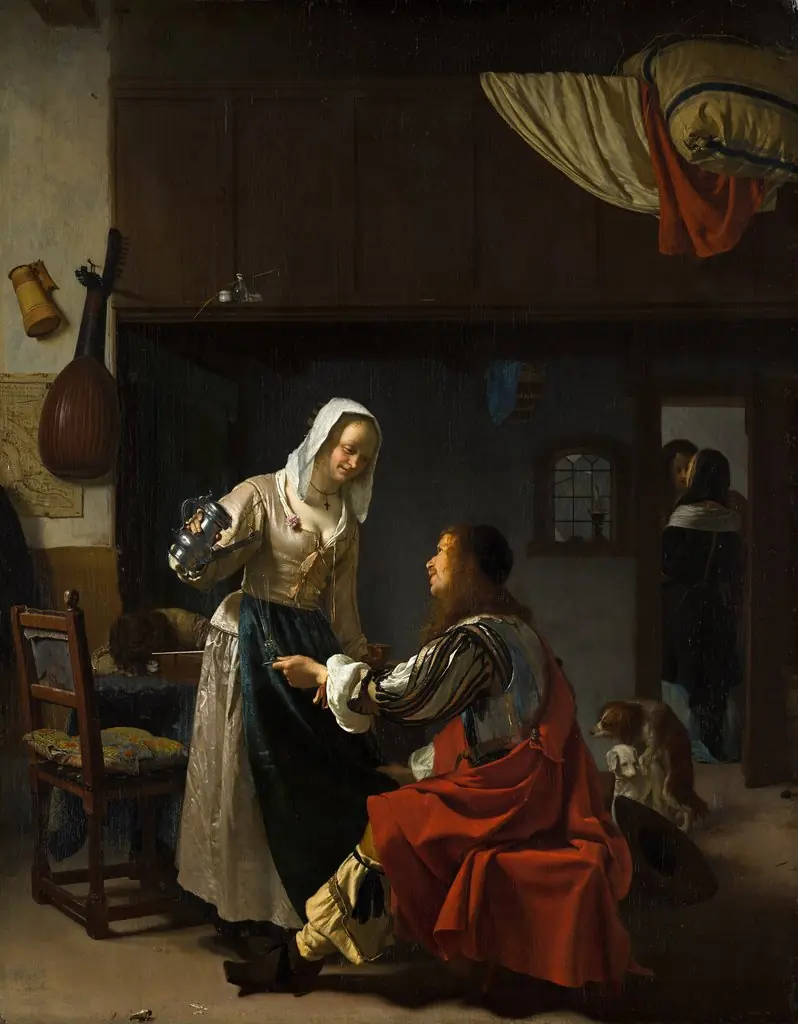 Brothel Scene
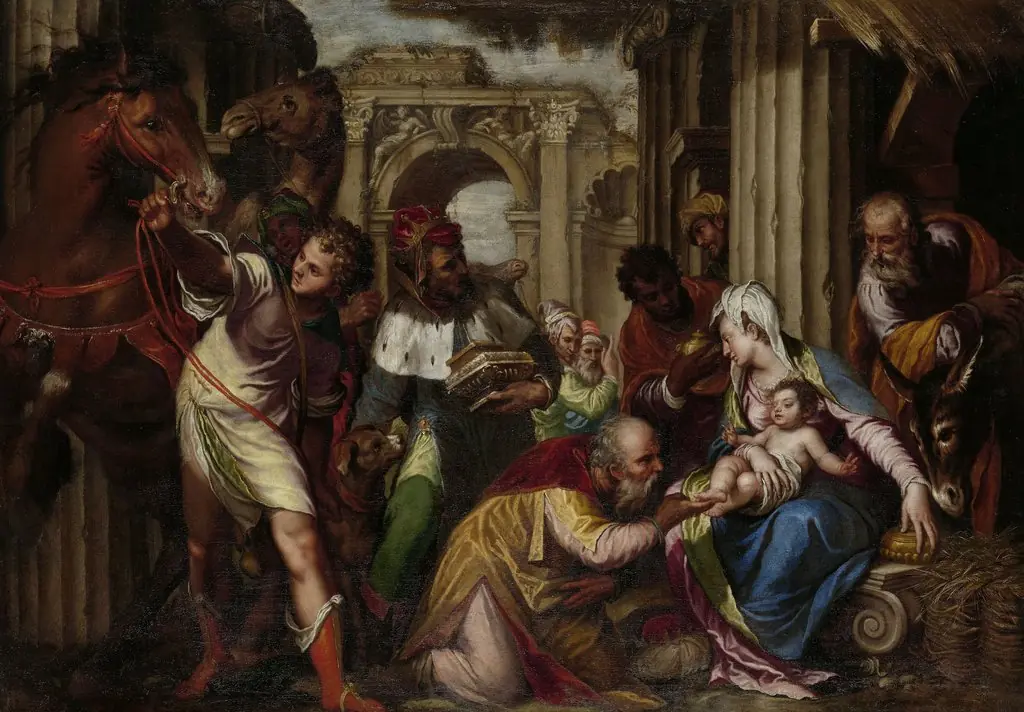 The Adoration of the Magi
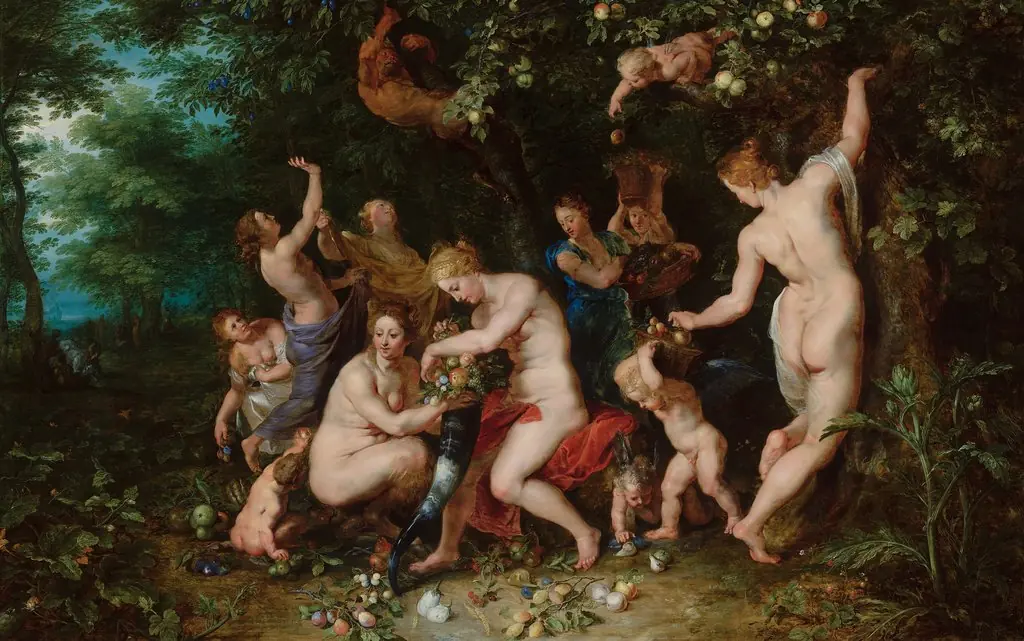 Nymphs filling the horn of plenty
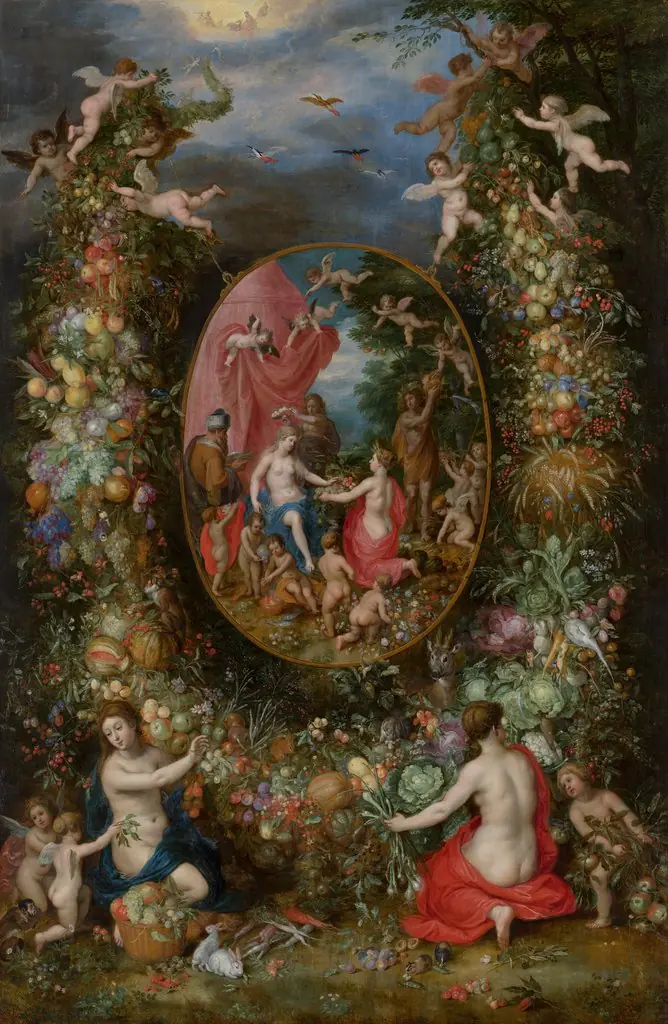 Garland of Flowers around an Allegory of Farming
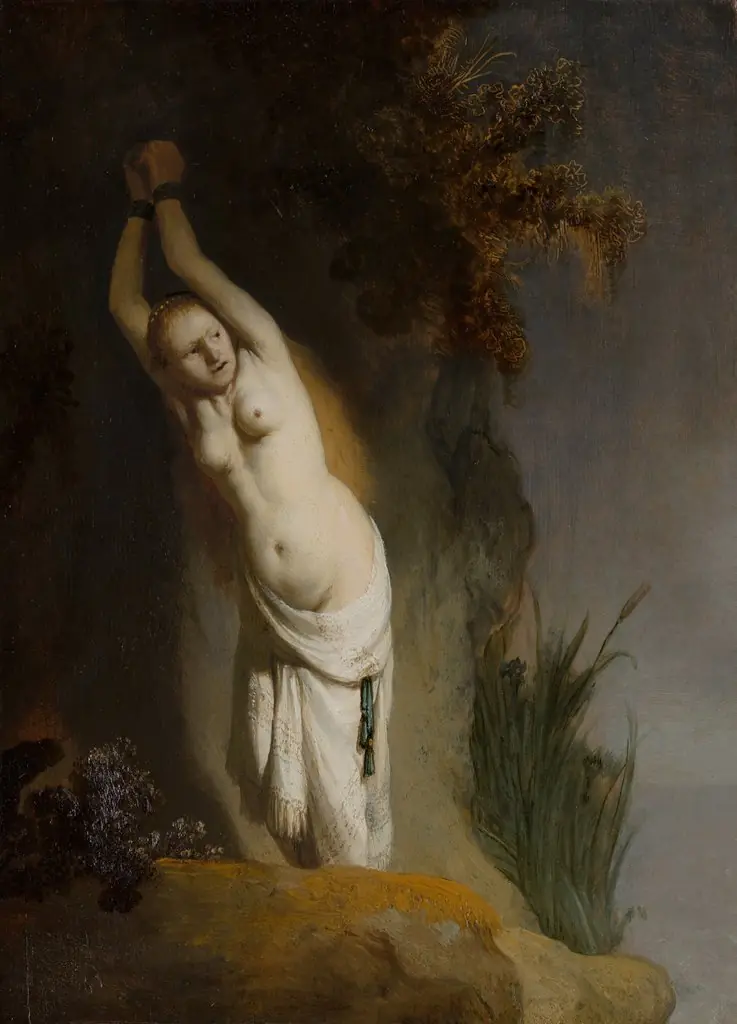 Andromeda Chained to the Rocks
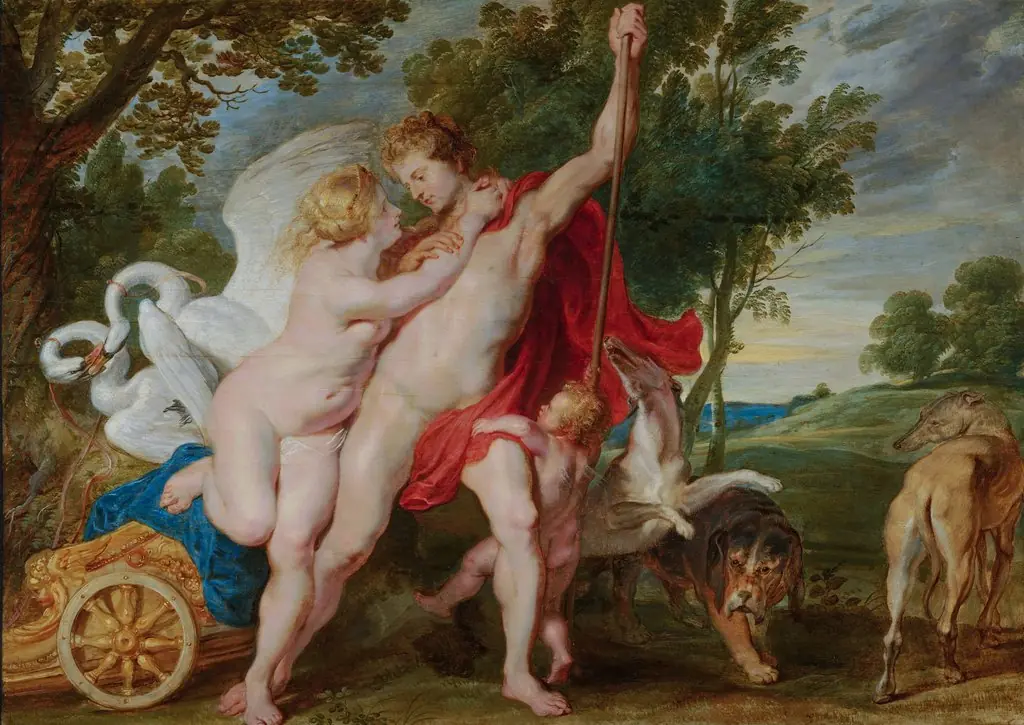 Venus trying to prevent Adonis from going hunting
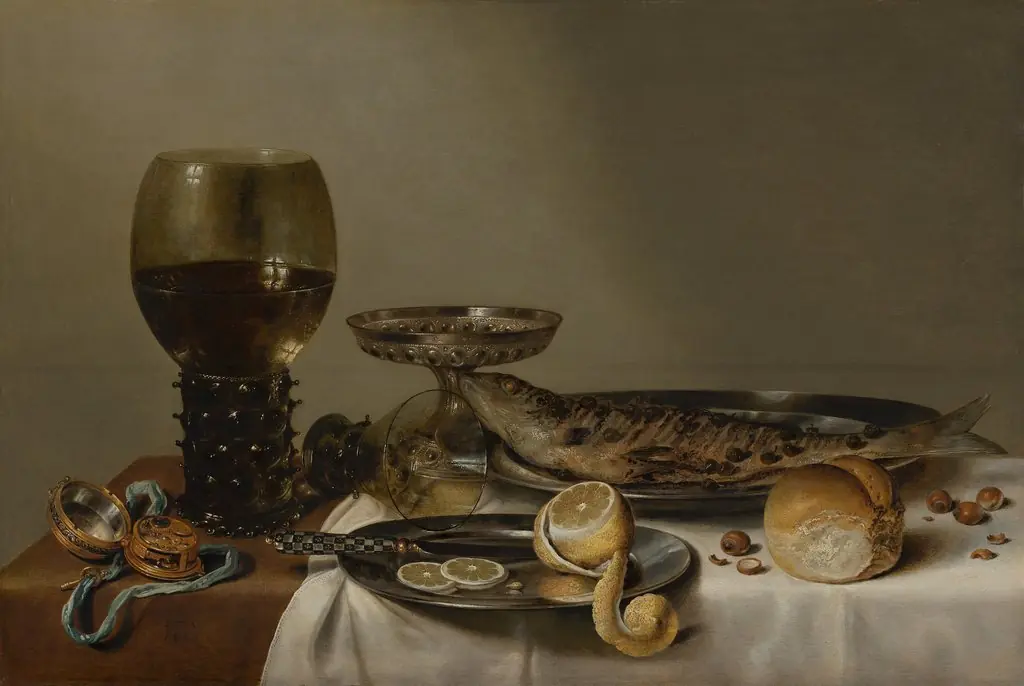 Still Life with a Roemer and a Watch
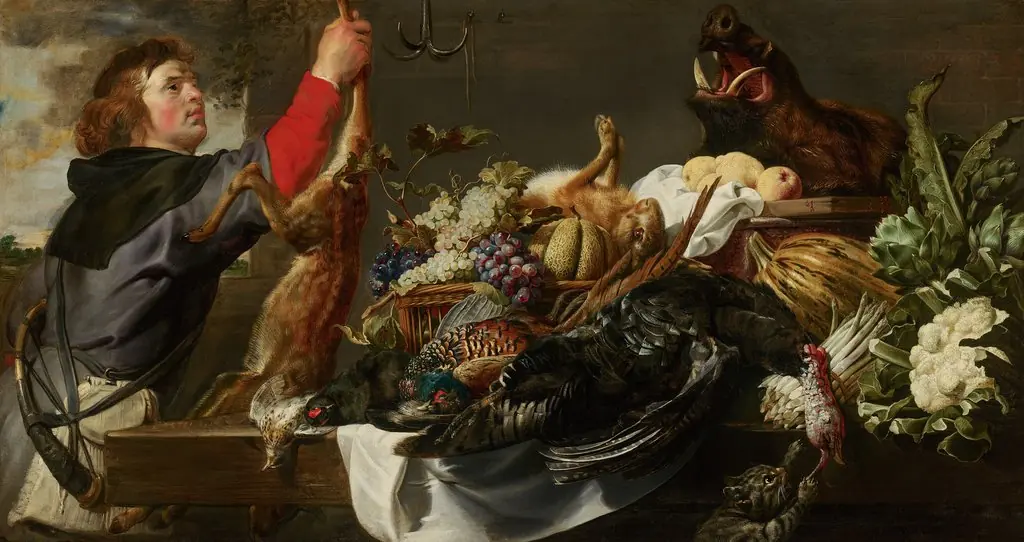 Still Life with Huntsman
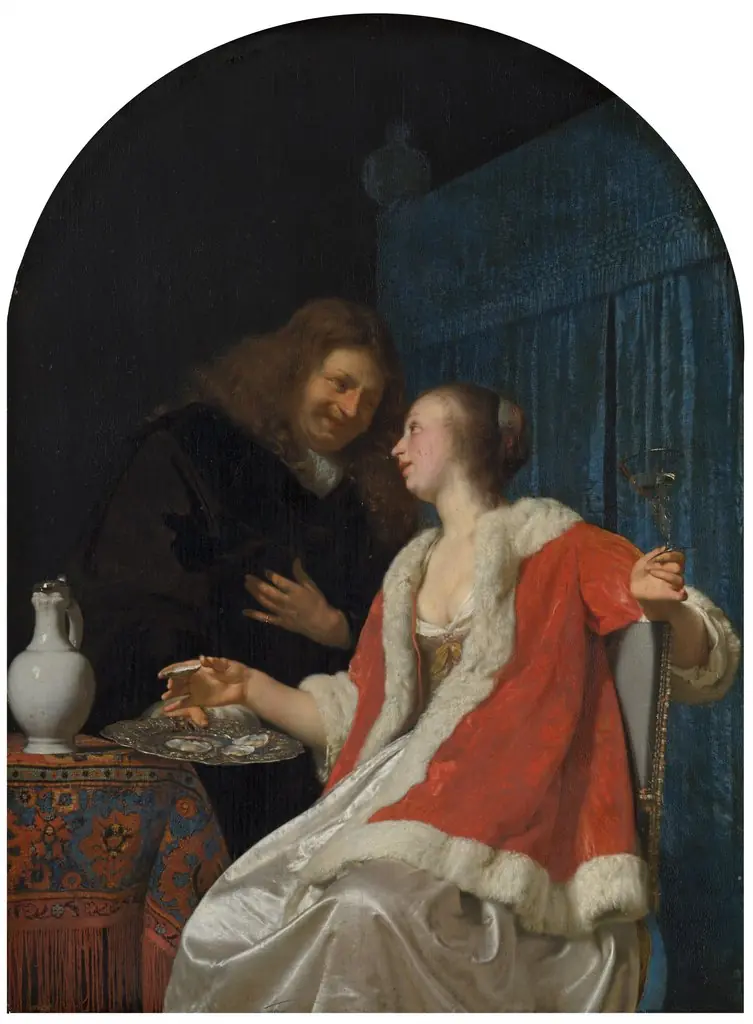 A Meal of Oysters
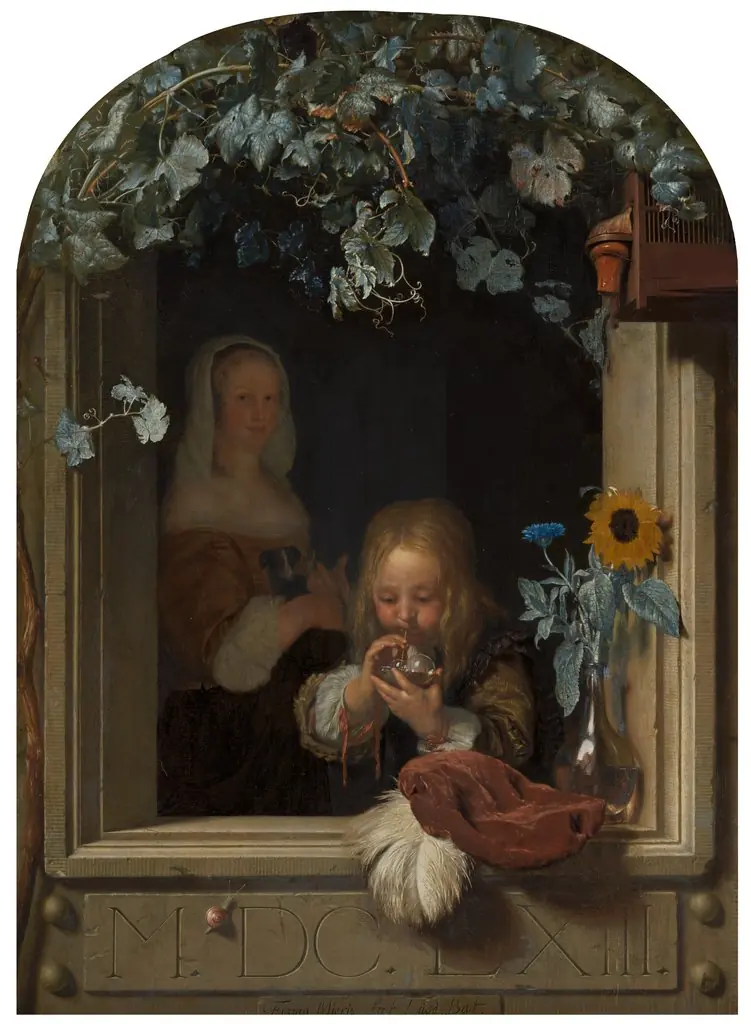 A Boy Blowing Bubbles
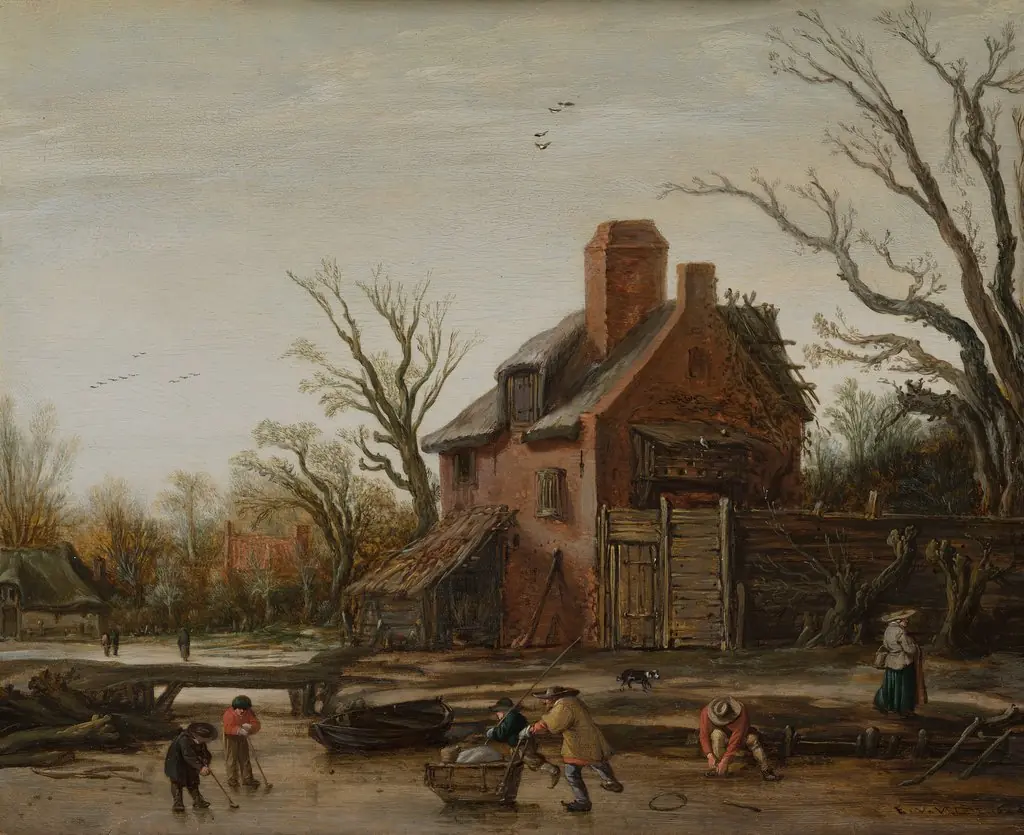 Winter landscape with farmhouse
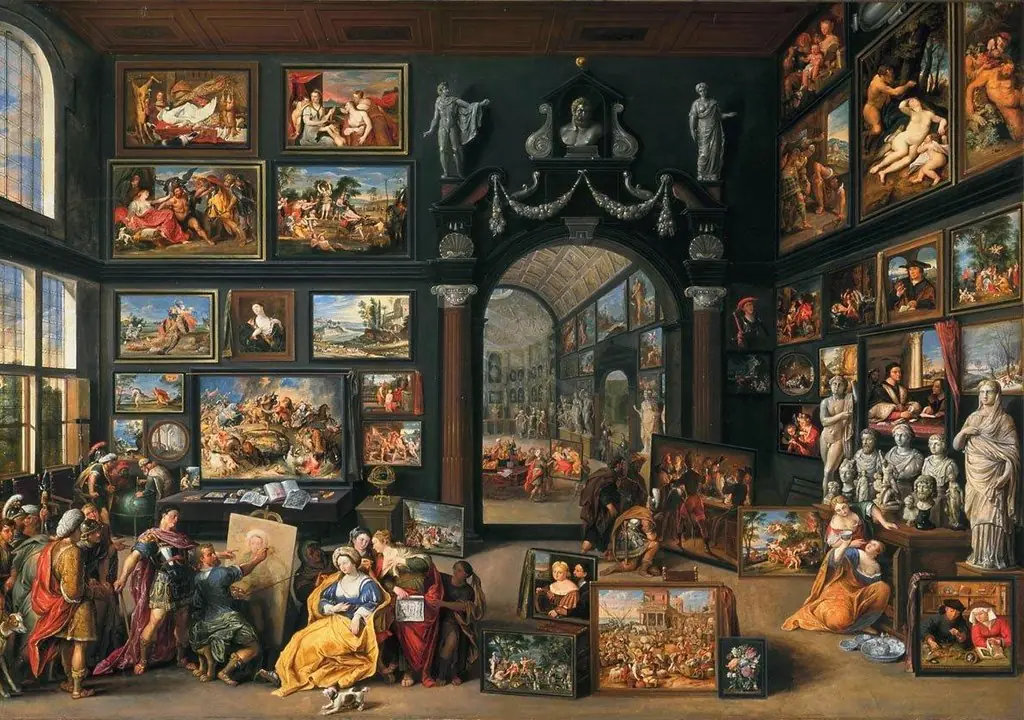 Appelles painting Campaspe
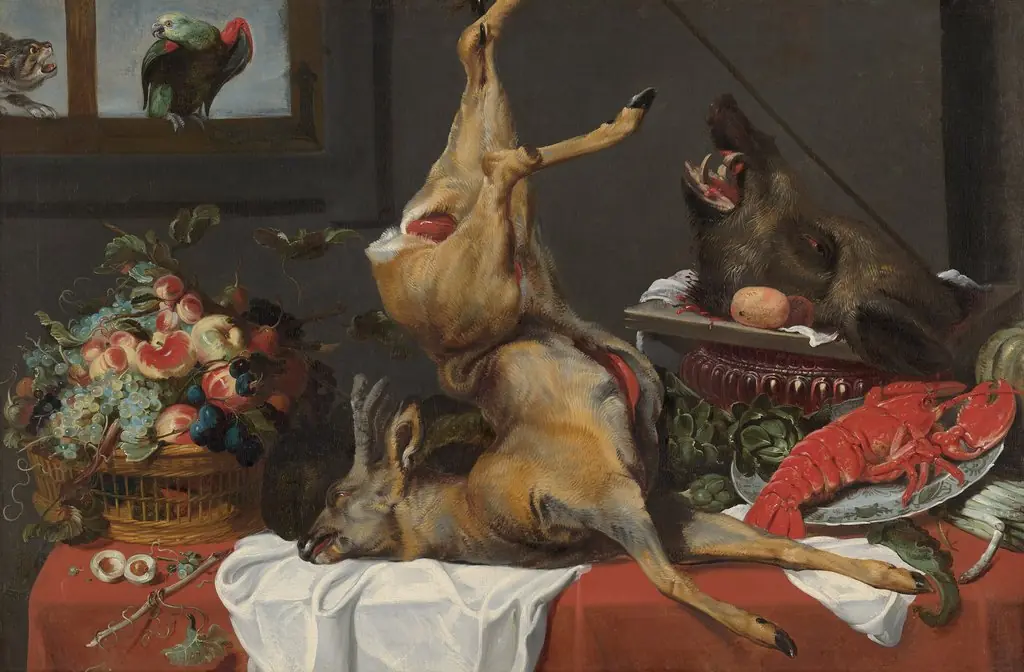 Still Life with a Dead Stag
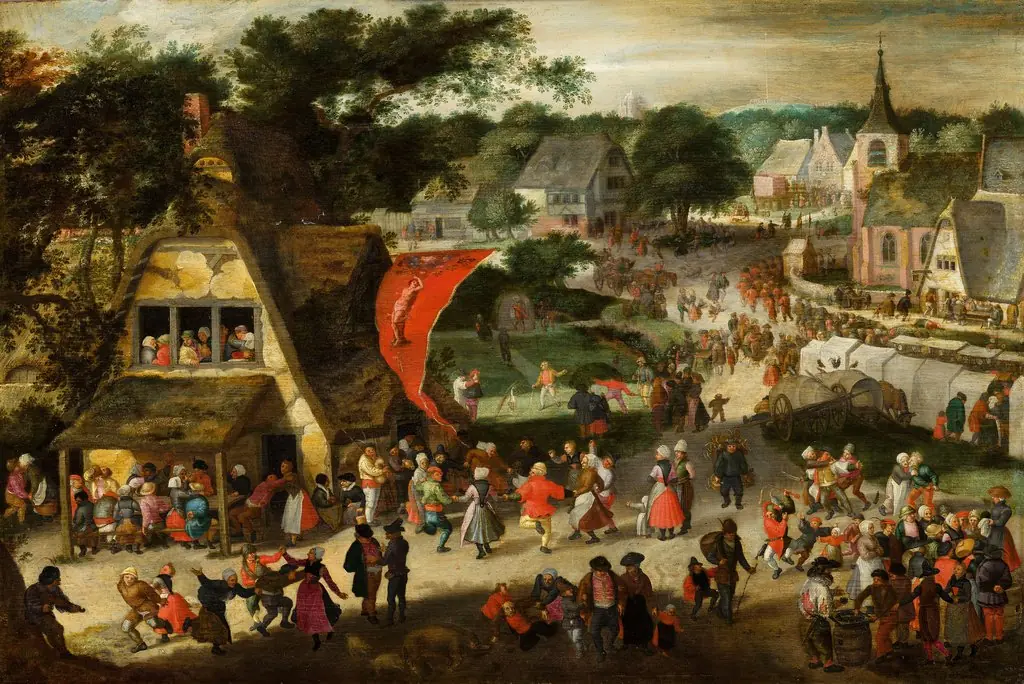 St. Sebastian fair in a Flemish village
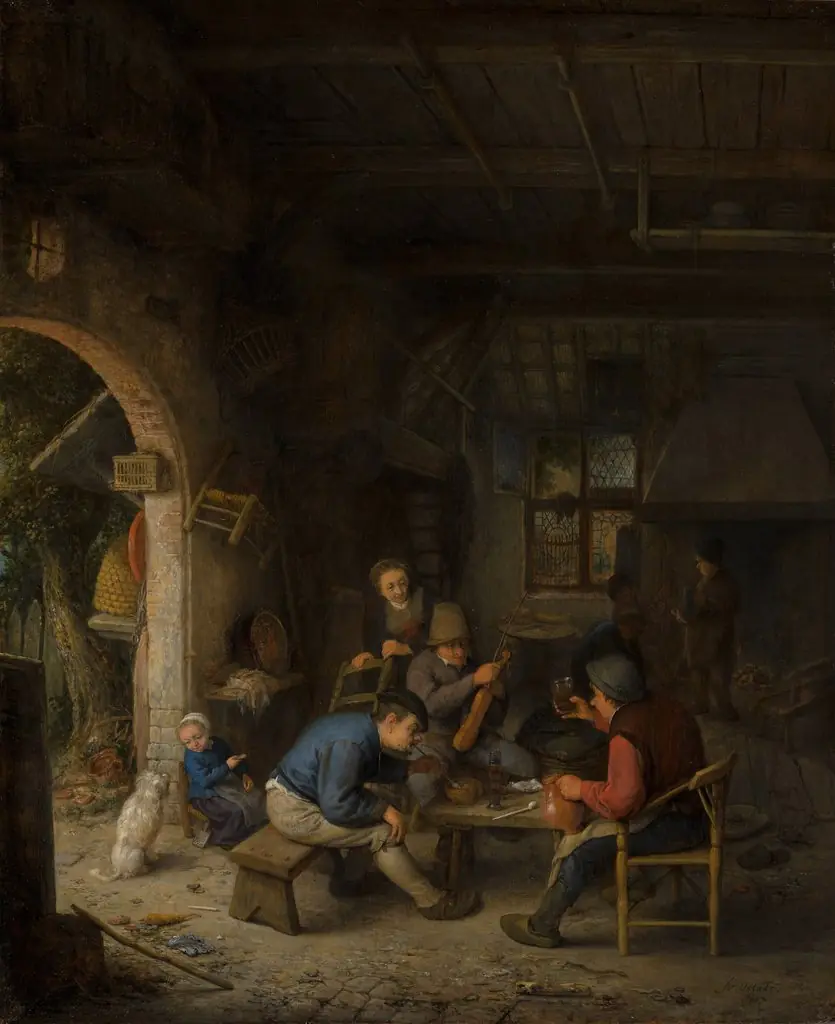 Peasants in an inn
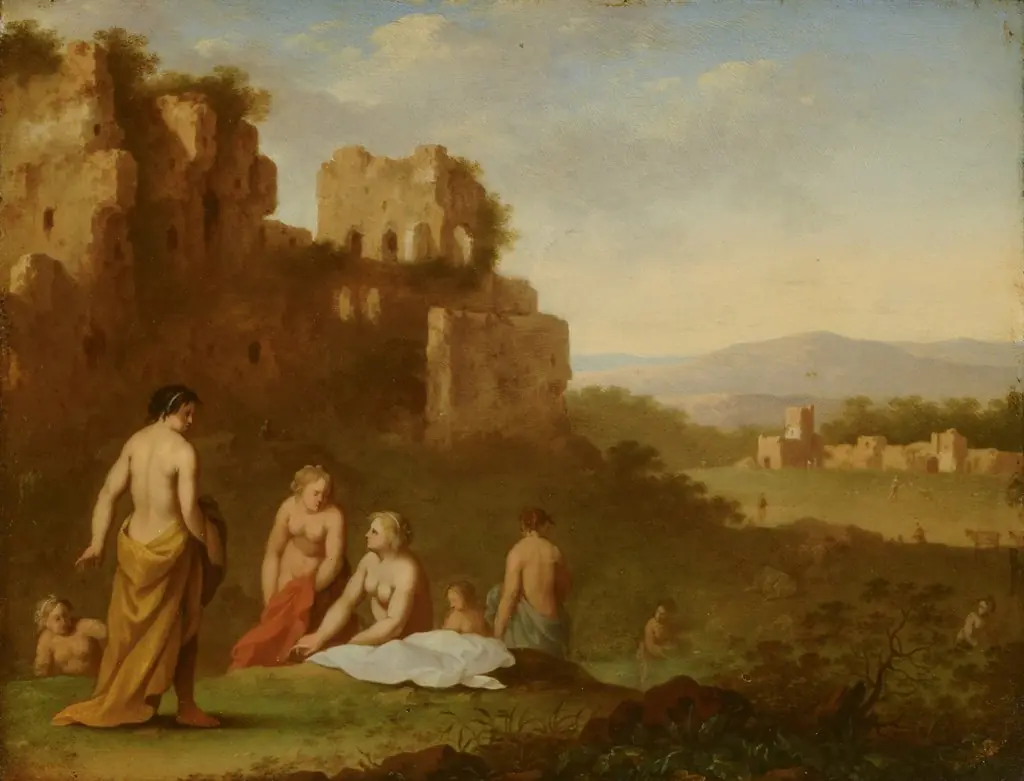 Nymphs Bathing
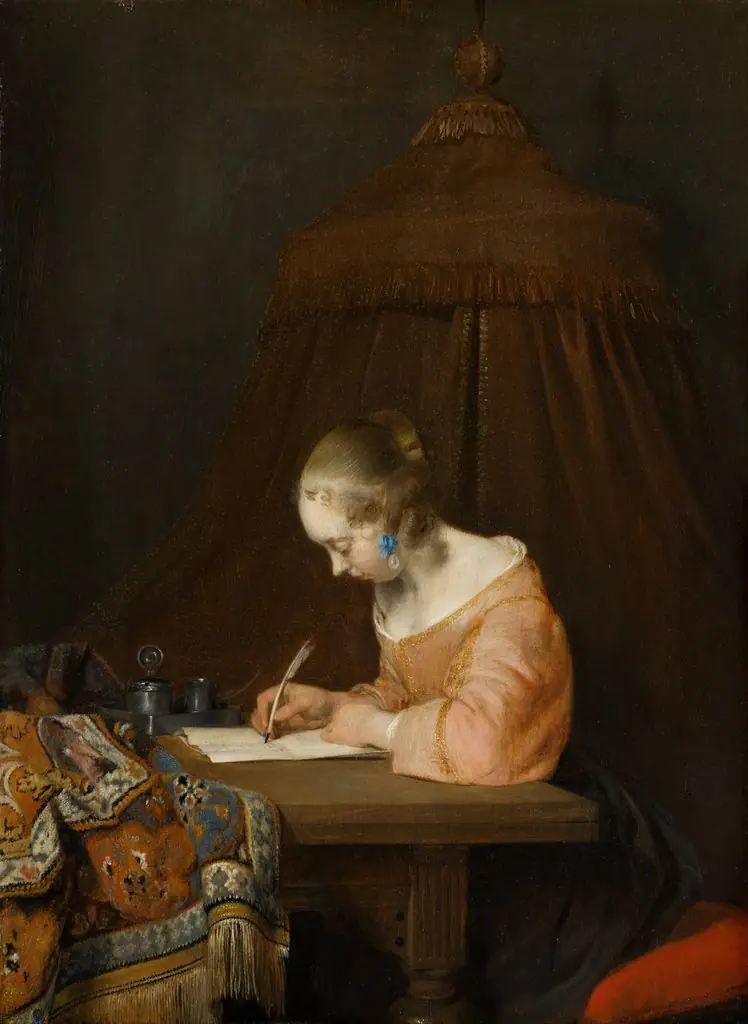 Woman writing a letter
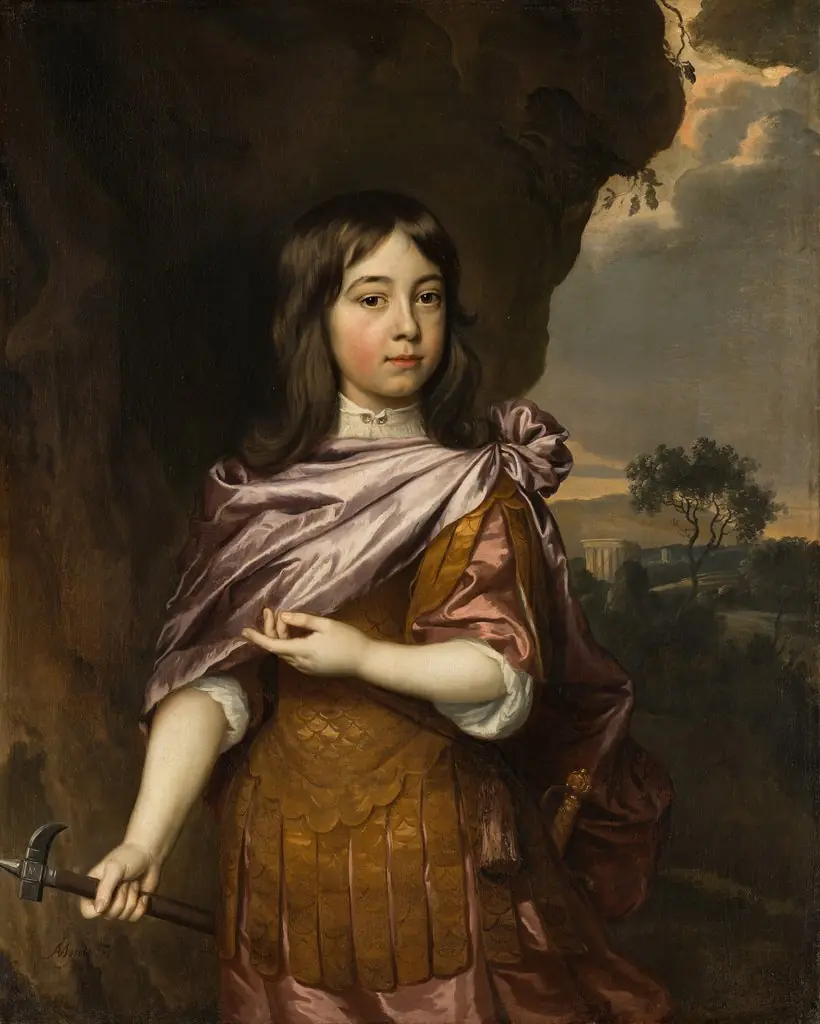 Portrait of Wolfert van Brederode
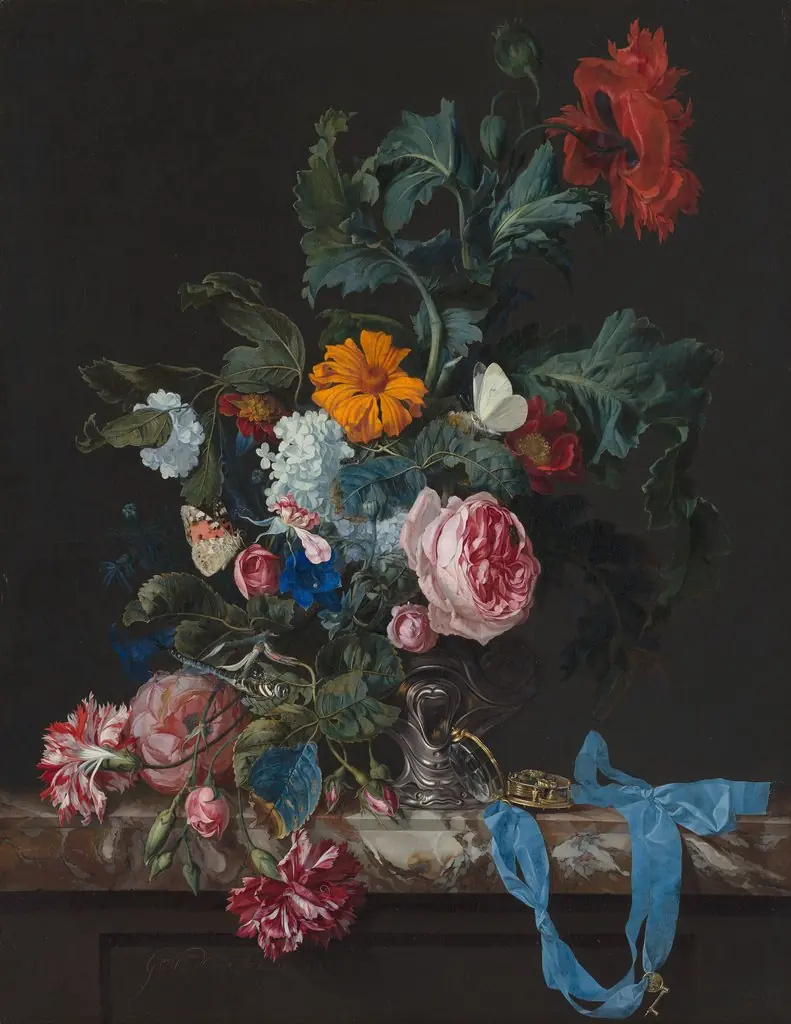 Flower still life with a watch
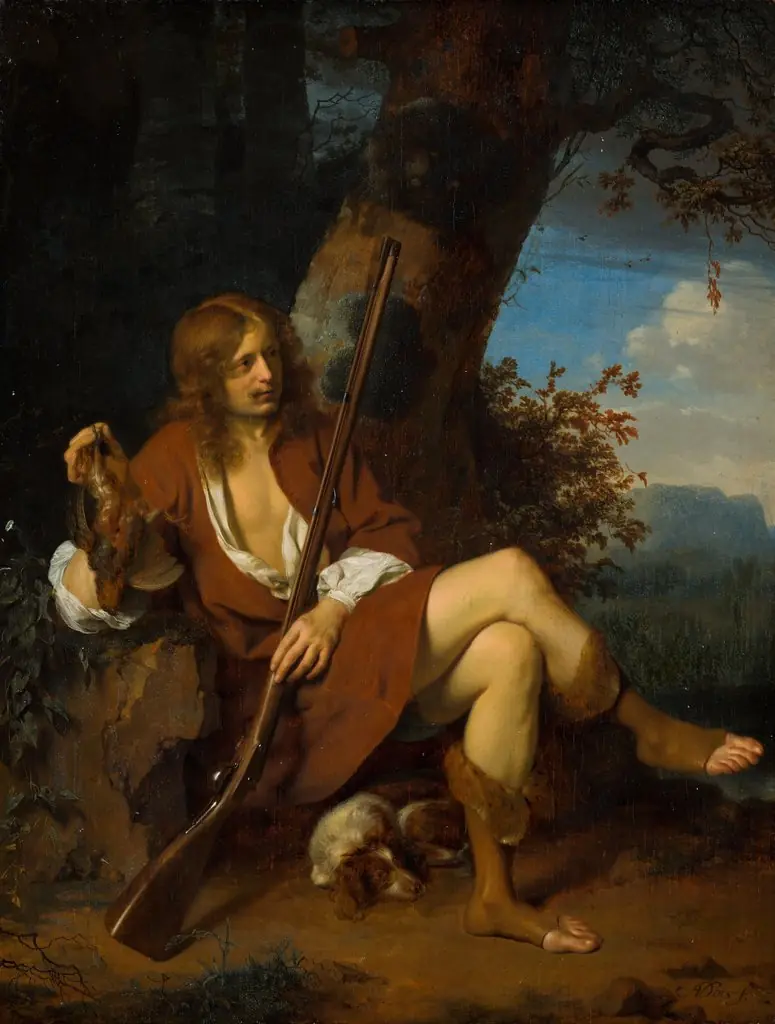 Self-Portrait as a Hunter
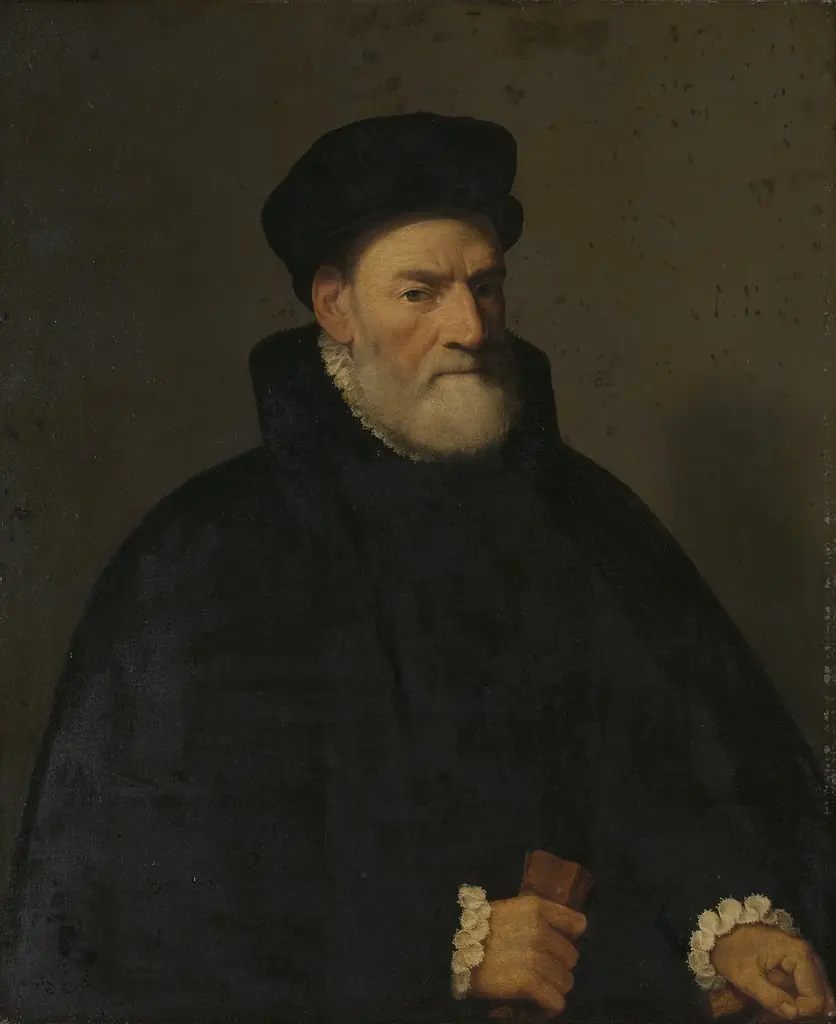 Portrait of an Old Man, probably Vercellino Olivazzi, Senator from Bergamo
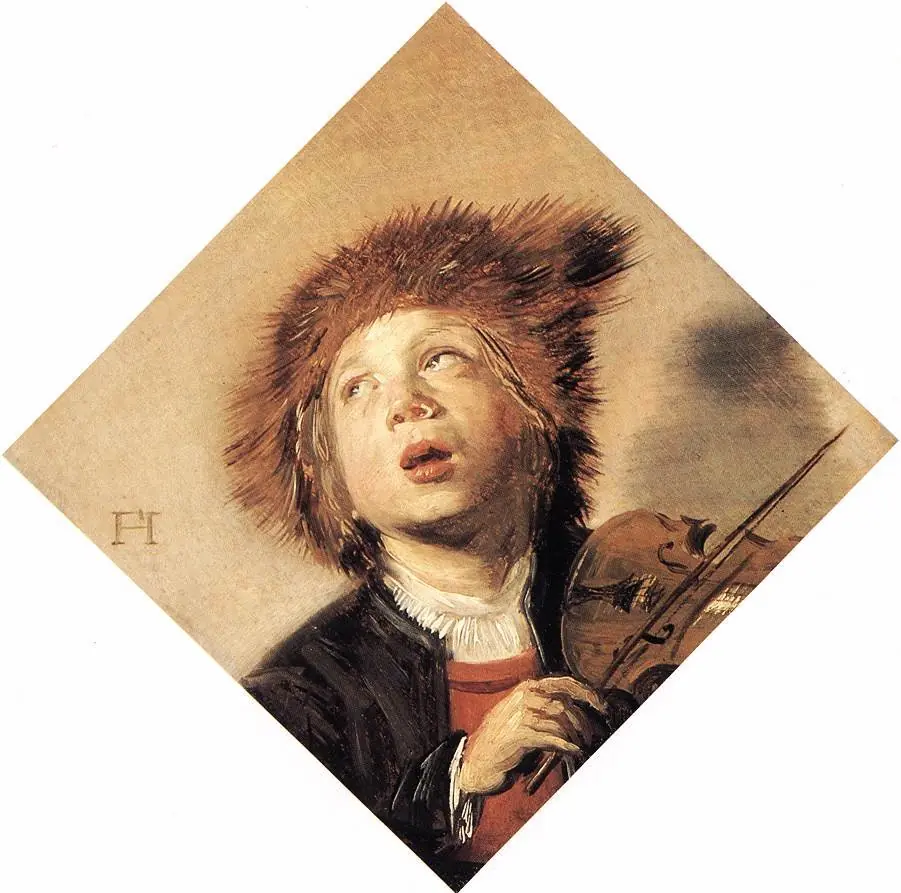 Boy playing a violin
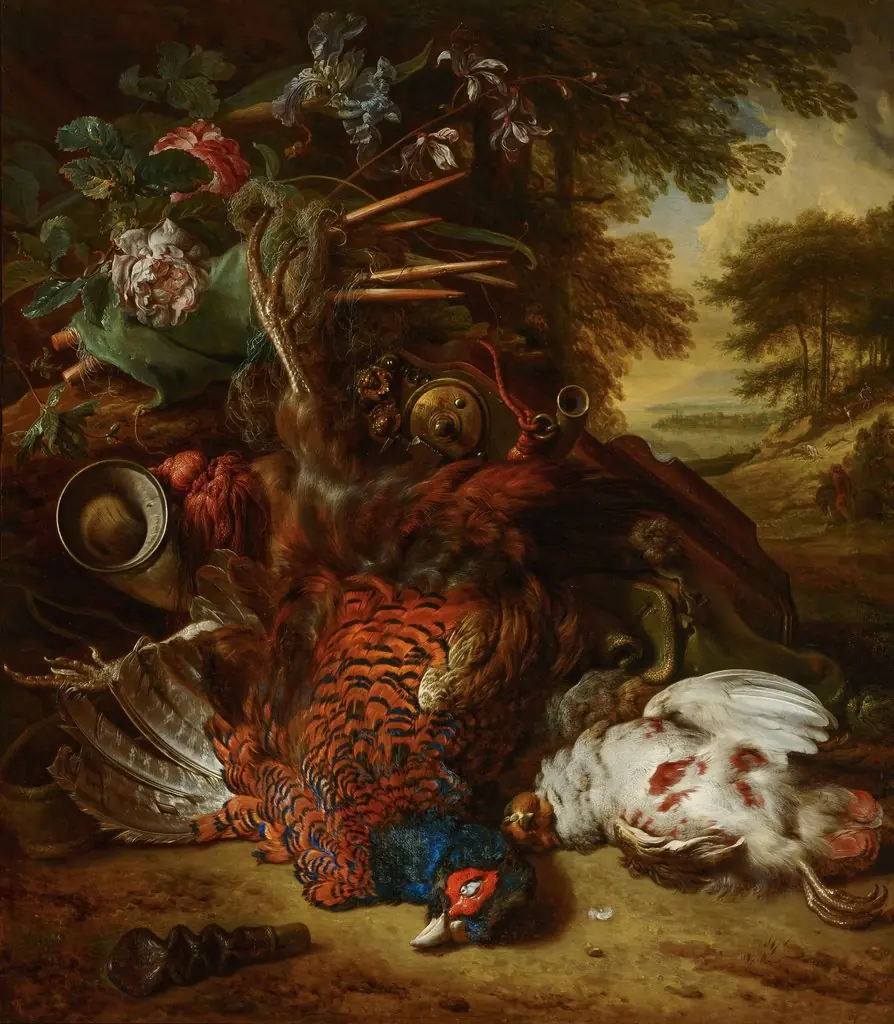 Hunting Still Life
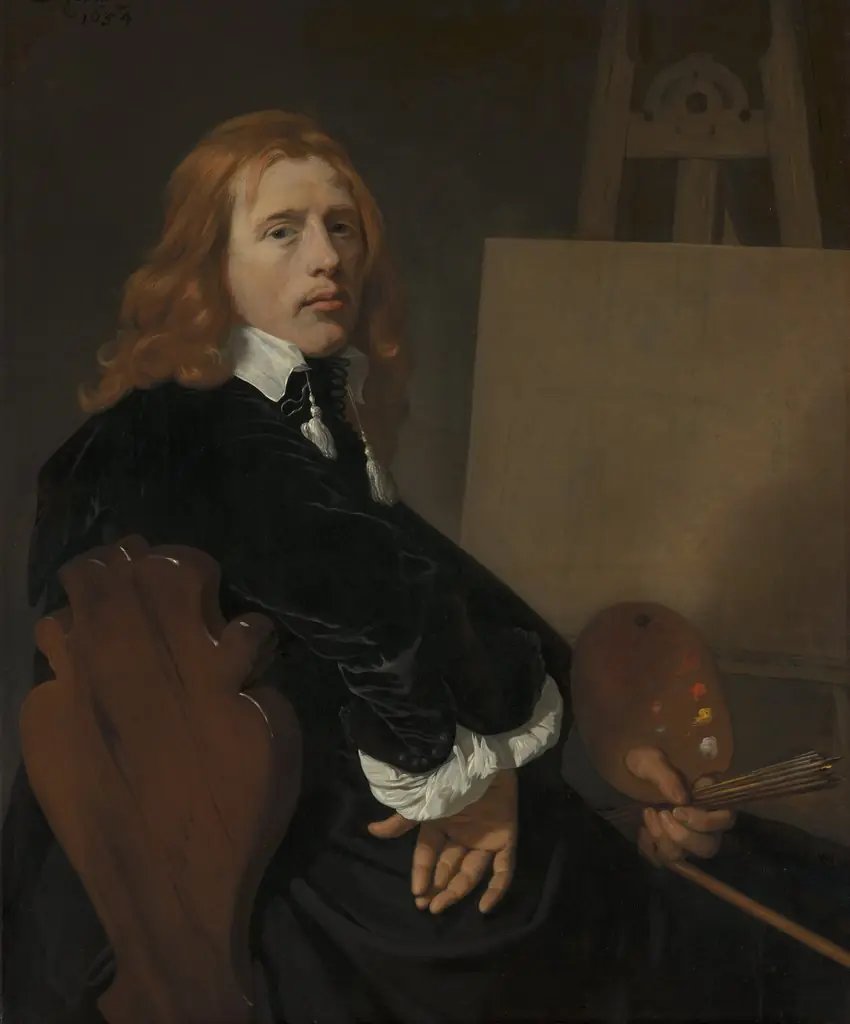 Portrait of Paulus Potter
Plan your visit
Mauritshuis
- Website
- www.mauritshuis.nl