Artwork
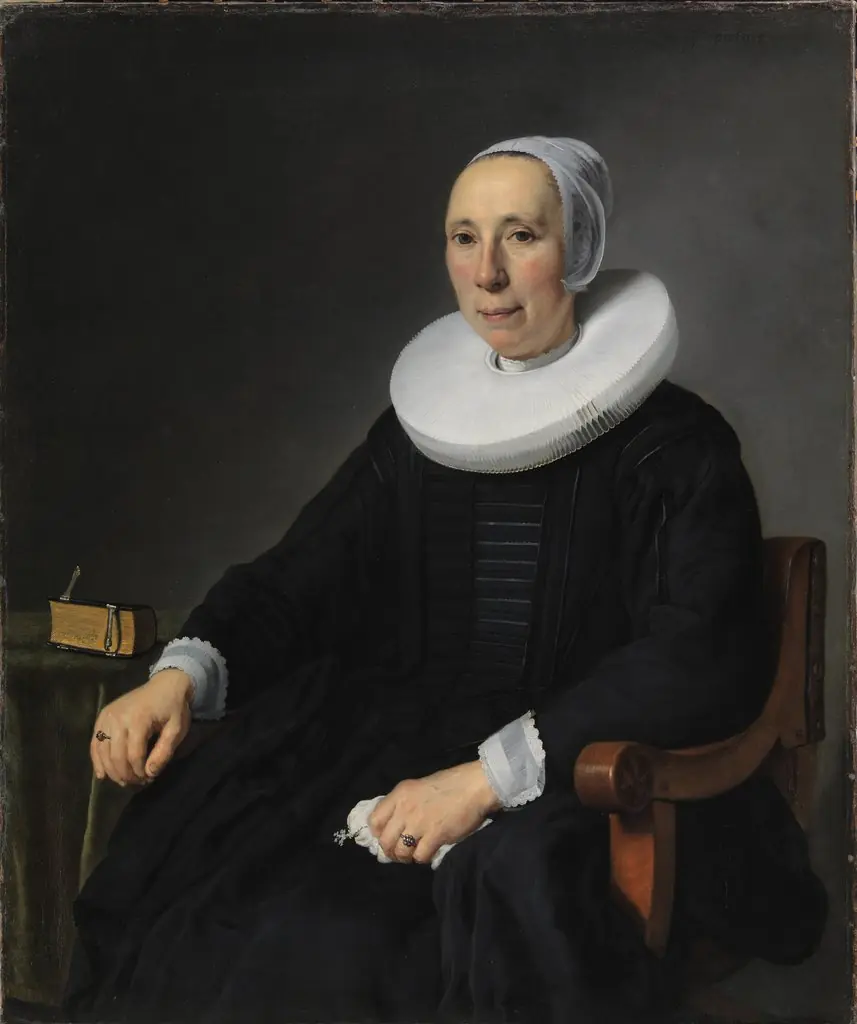
Portrait of Sara Andriesdr Hessix
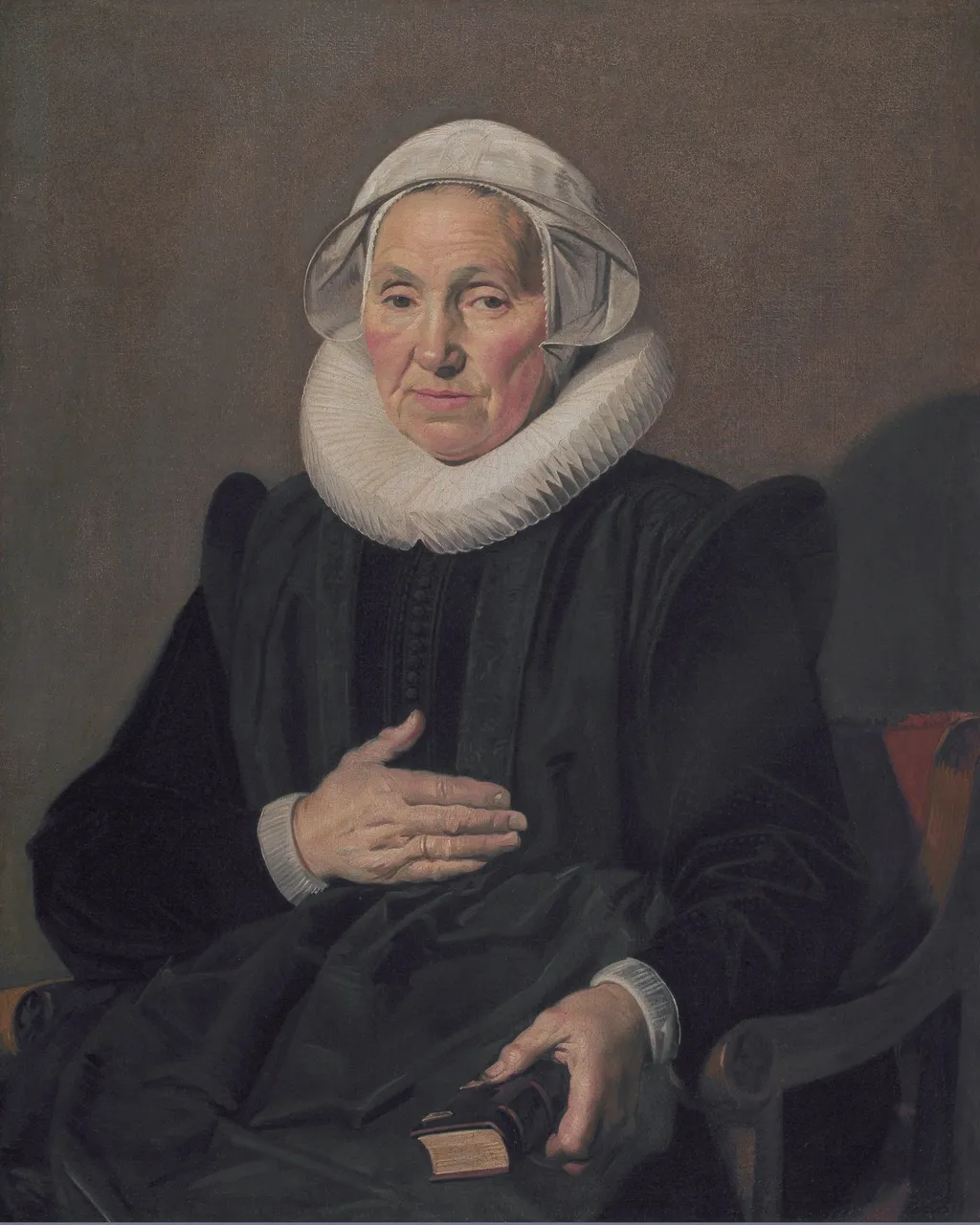
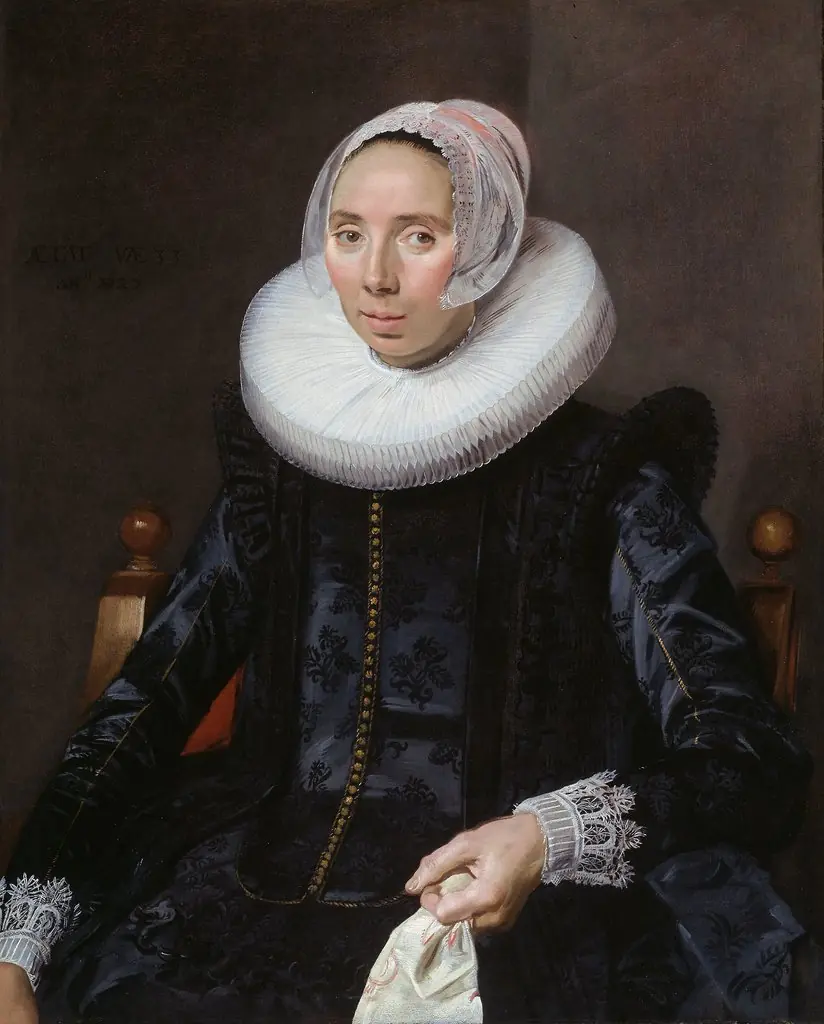
Portrait of Sara Andriesdr Hessix is an oil painting by the Dutch Golden Age artist Frans Hals. It dates from 1626 and is held in the collection of the Calouste Gulbenkian Museum.
About this work
Overview
Hals, renowned for his direct and lively depictions of urban elites, rendered Hessix with quiet presence and psychological nuance.
Painted in 1626 by Frans Hals, this oil portrait captures Sara Andriesdr Hessix, a member of Haarlem’s merchant class. Executed during the height of the Dutch Golden Age, the work reflects the era’s shift toward secular portraiture as civic wealth replaced religious patronage as the primary driver of artistic commissions. Hals, renowned for his direct and lively depictions of urban elites, rendered Hessix with quiet presence and psychological nuance.
Subject & Meaning
Sara Andriesdr Hessix is portrayed as a dignified, middle-aged woman, her posture composed and gaze steady. The book she holds suggests literacy and intellectual engagement, while the white diadem cap signifies marital status and social standing. These elements align with contemporary ideals of bourgeois virtue—modesty, education, and domestic responsibility—offering a portrait not of grandeur, but of quiet self-possession.
Technique & Style
Hals employed loose, confident brushwork to define form without excessive detail, allowing light to model the face and hands with subtle gradations. The muted background isolates the figure, enhancing focus on her expression and attire. Chiaroscuro is used sparingly but effectively to give volume to her features, while the textured rendering of fabric and lace conveys material richness without ornamental excess.
History & Provenance
The portrait remained in private Dutch collections for centuries before entering the Calouste Gulbenkian Museum in Lisbon. Its documented history is limited, but its stylistic consistency with Hals’s other works from the mid-1620s supports its attribution. The painting’s survival in good condition reflects careful stewardship and its recognized value within the artist’s oeuvre.
Context
In 1620s Haarlem, portraiture flourished as a marker of civic identity among the merchant class. Unlike Catholic regions where religious imagery dominated, Dutch patrons commissioned images of themselves and their families to affirm status and moral character. Hals’s ability to capture individuality within these conventions made him the preferred portraitist for Haarlem’s elite.
Legacy
This portrait exemplifies Hals’s influence on the evolution of Western portraiture through his emphasis on psychological realism and painterly freedom. Though not overtly dramatic, its restraint and sincerity contributed to a new standard for depicting ordinary individuals with dignity. It remains a representative work of Dutch civic portraiture in a major international collection.
Own this work as a print
Artist & collection
Artist
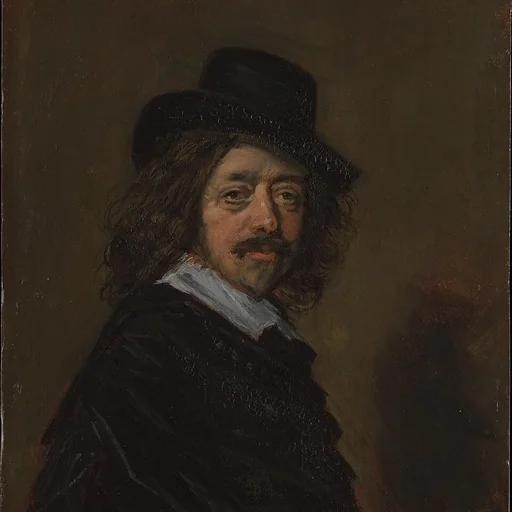
Frans Hals the Elder (UK: , US: ; Dutch: ; c. 1582 – 26 August 1666) was a Dutch Golden Age painter. He lived and worked in Haarlem, a city in which the local authority of the day frowned on religious painting in places…

 Portrait of a woman
 Portrait of a Woman
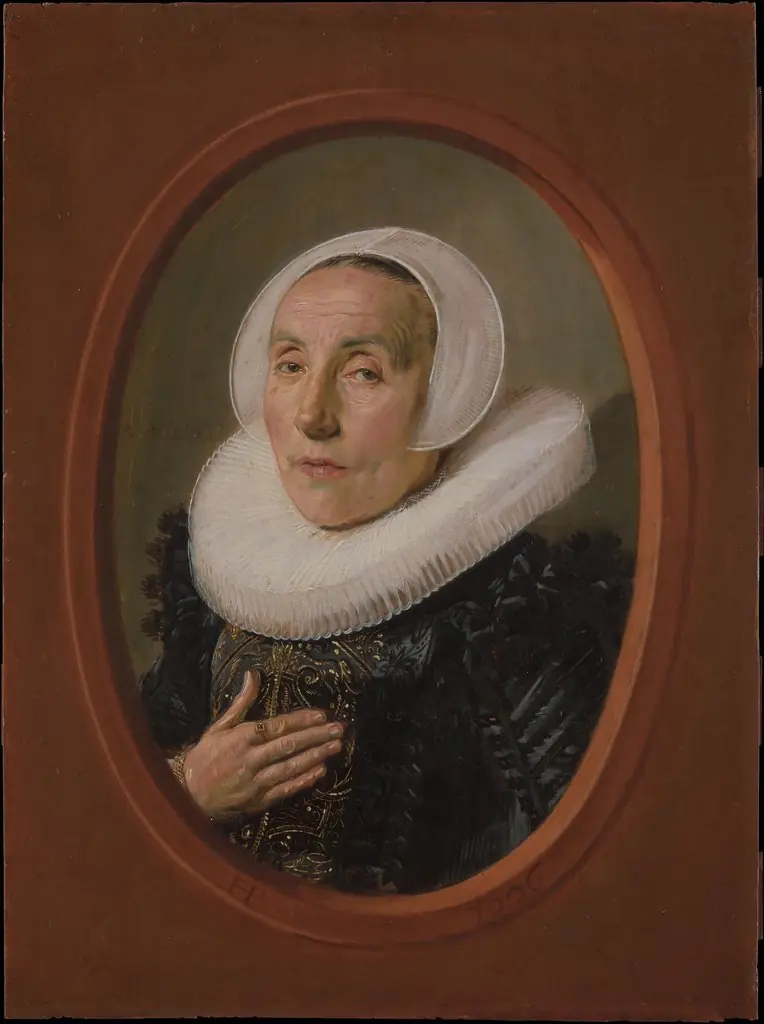 Portrait of Anna van der Aar
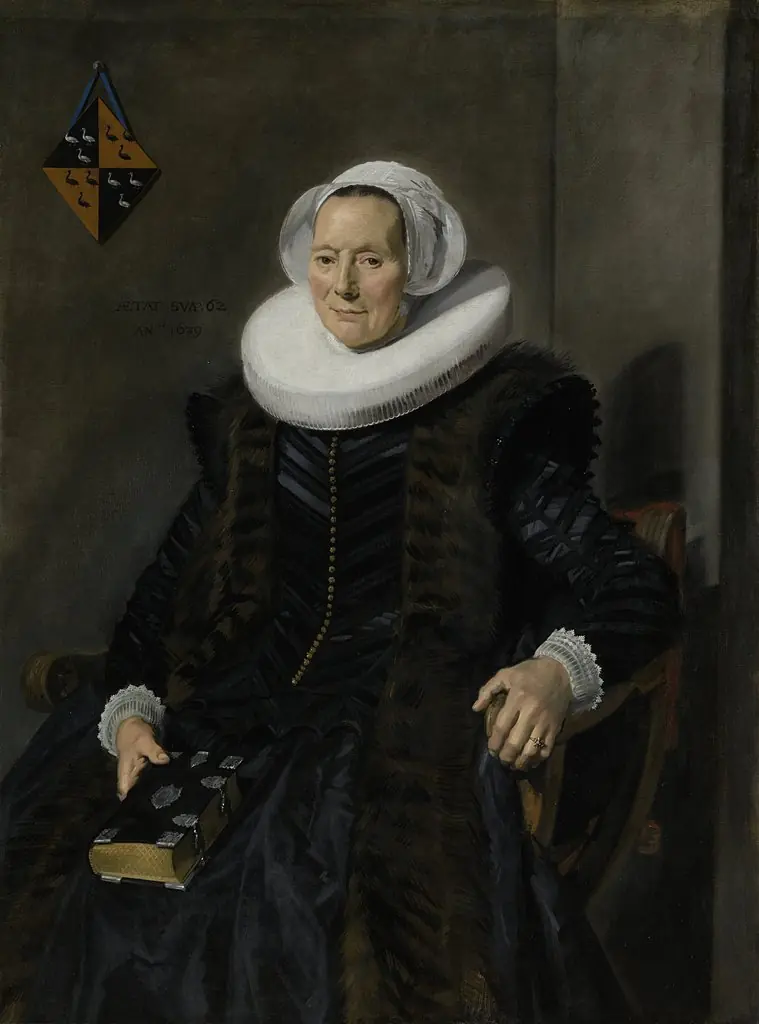 Portrait of Maritge Claesdr Vooght (....-1644)
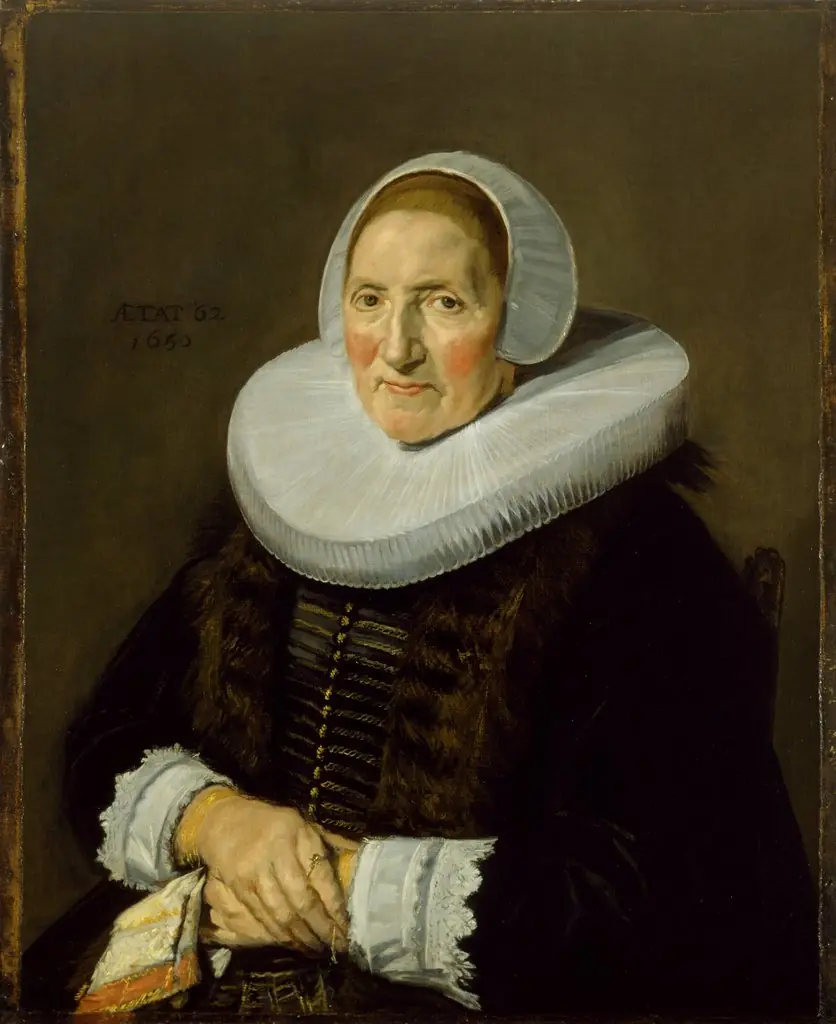 Portrait of a Woman
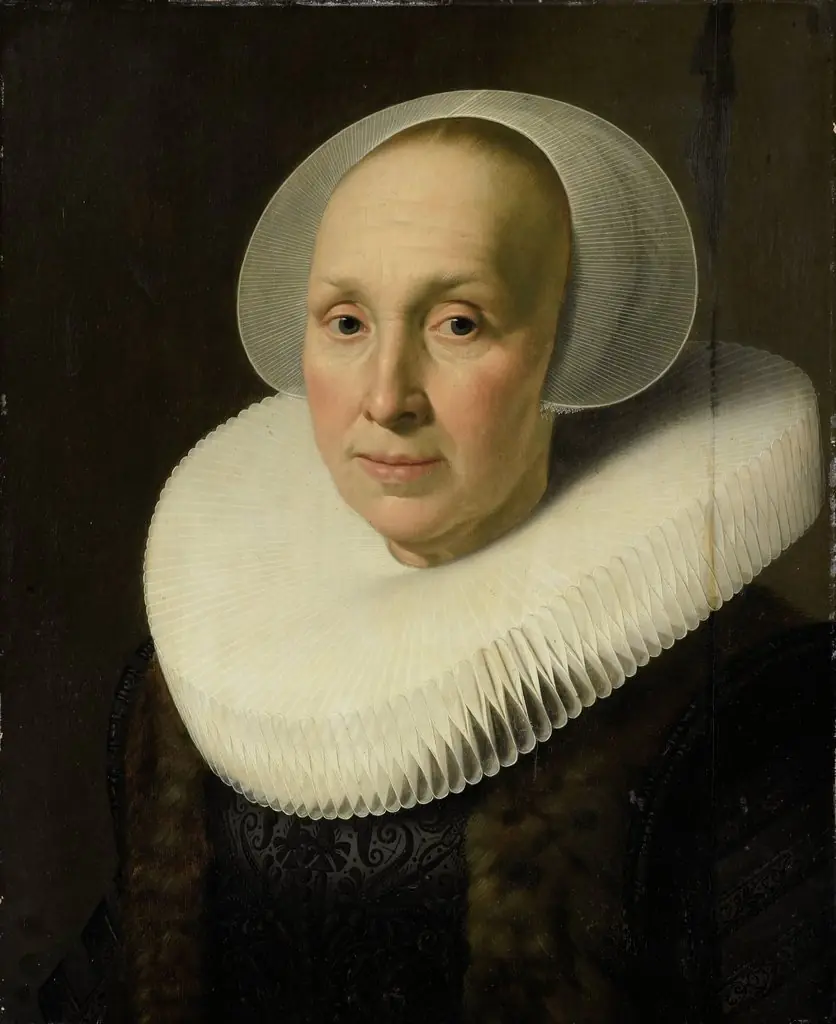 Portrait of Margriet Benningh (1565-1641)
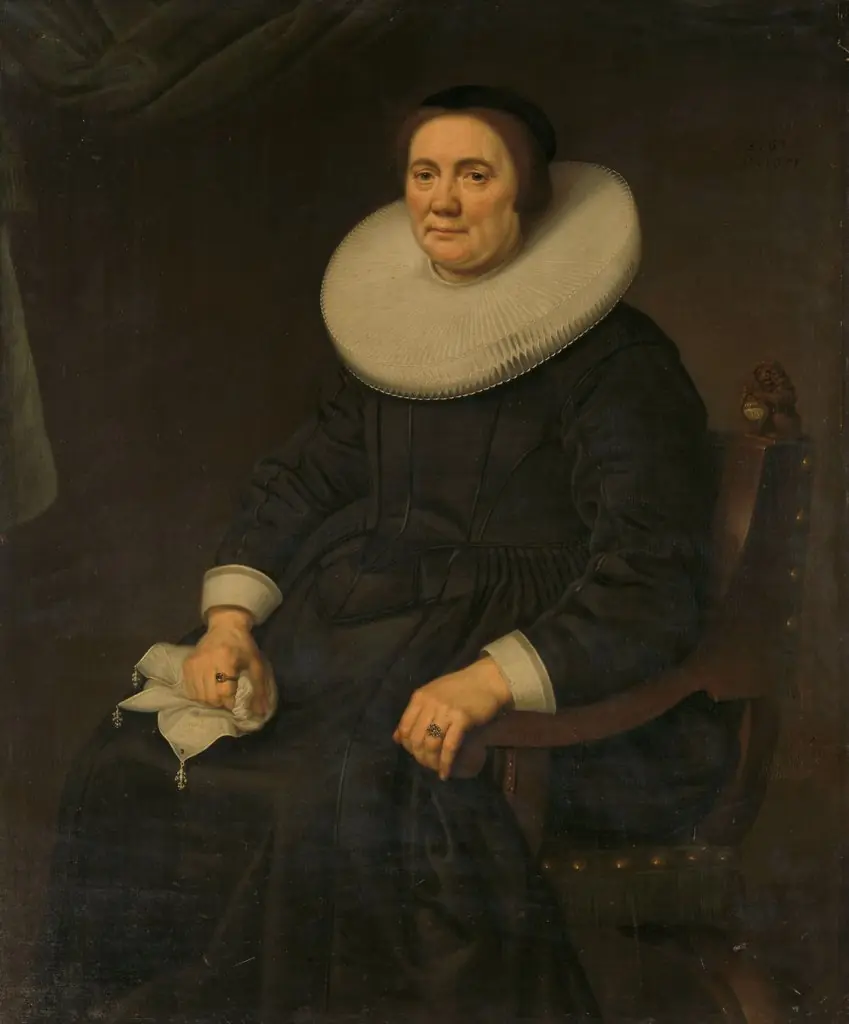 Portrait of a woman
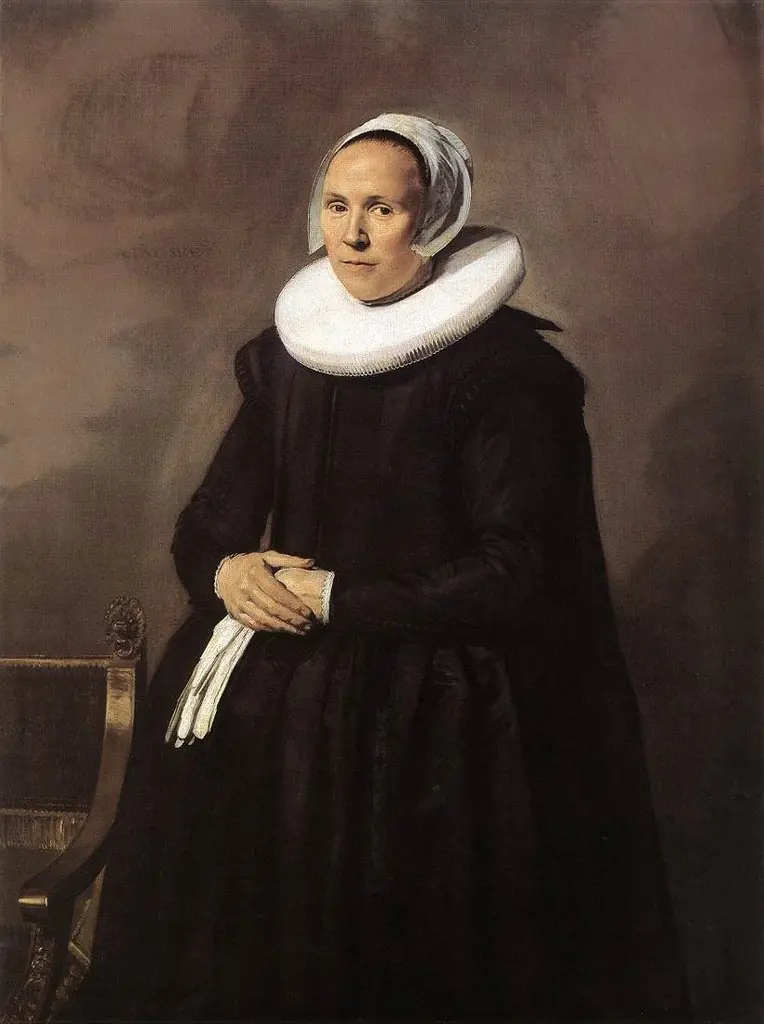 Portrait of Feyntje van Steenkiste
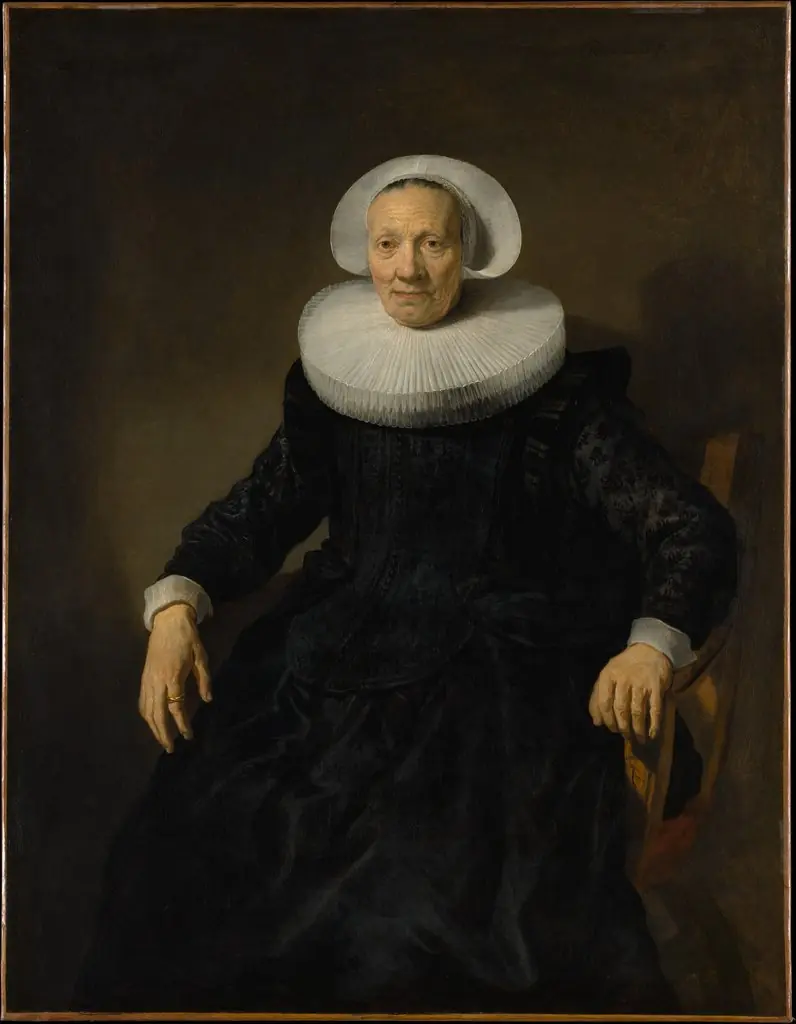 Old Woman in an Armchair
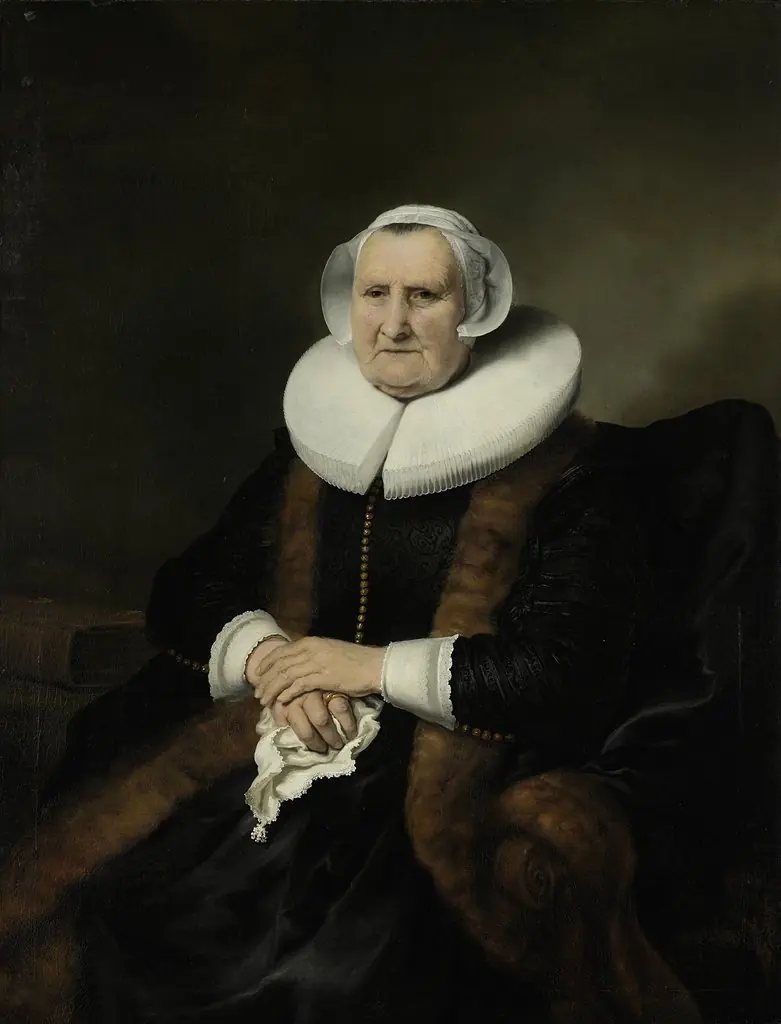 Portrait of an Old Lady, Possibly Elisabeth Bas
 Portrait of a Lady
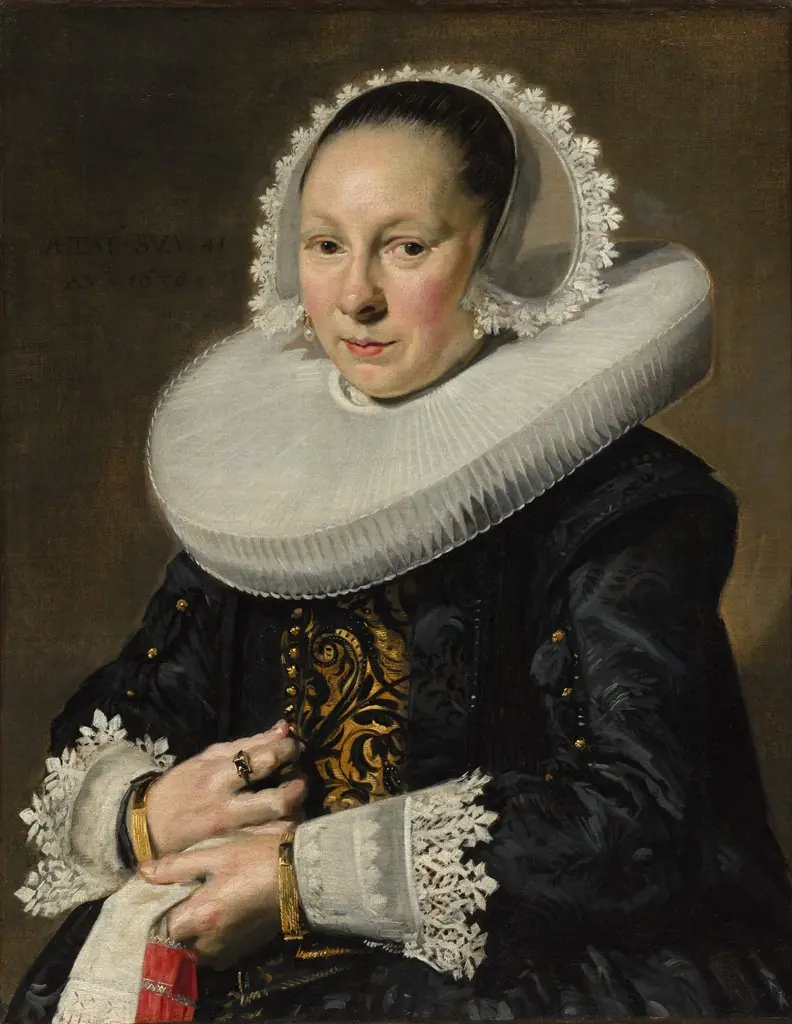 Portrait of a Woman, probably Aeltje Dircksdr. Pater