Artwork
Portrait of the Wife of Nicolas de Hellincx
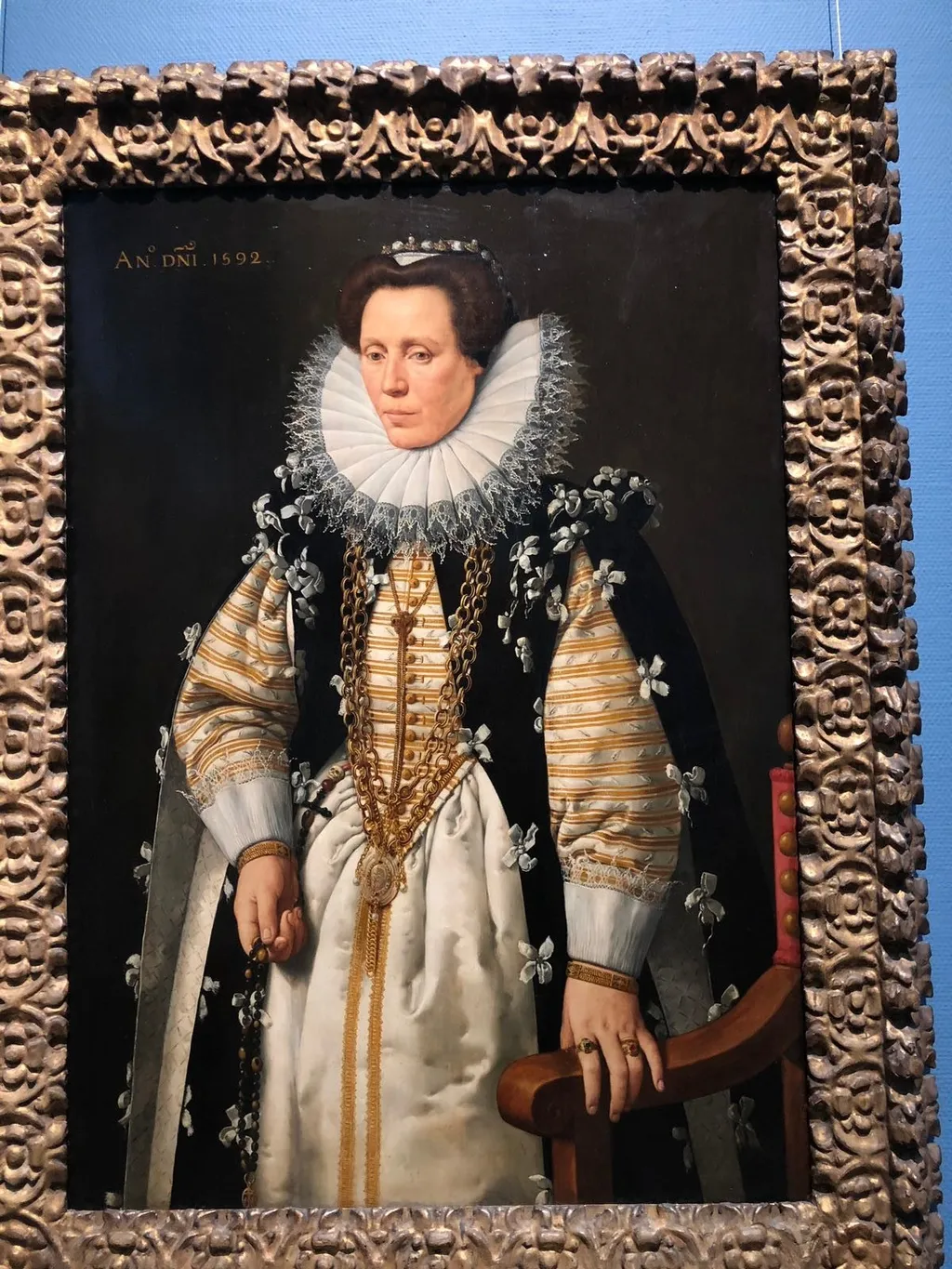
Portrait of the Wife of Nicolas de Hellincx is an oil painting by the Flemish Baroque painting artist Frans Pourbus, the Younger. It dates from 1596 and is held in the collection of the National Gallery of Ireland. Painted in 1596 by Frans Pourbus the Younger, this oil portrait captures the wife of Nicolas de Hellincx, a Flemish noblewoman.
About this work
Overview
The work is part of the National Gallery of Ireland’s collection and exemplifies the refined portraiture favored by elite patrons in late 16th-century Flanders.
Painted in 1596 by Frans Pourbus the Younger, this oil portrait captures the wife of Nicolas de Hellincx, a Flemish noblewoman. Pourbus, a third-generation artist from a prominent painting dynasty, was active in the courtly circles of Brussels under the Archdukes. The work is part of the National Gallery of Ireland’s collection and exemplifies the refined portraiture favored by elite patrons in late 16th-century Flanders.
Subject & Meaning
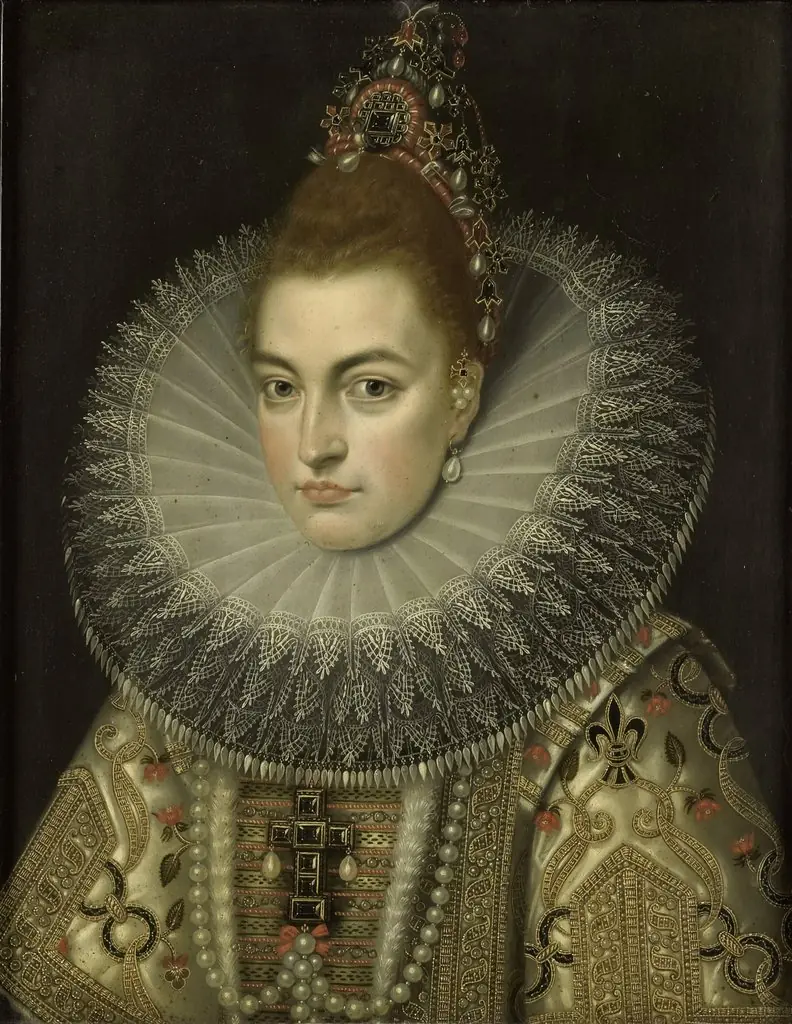
The sitter is depicted in formal attire that signals high social standing: a white and gold gown, a black cape, and an ornate ruffled collar. Her crown and rosary suggest both noble rank and devout piety, common attributes in portraits of aristocratic women. The direct gaze and composed posture convey dignity and self-possession, reflecting the values of status, faith, and decorum expected of her class.
Technique & Style
Pourbus employed precise brushwork to render the textures of silk, lace, and metal thread with meticulous detail. Chiaroscuro enhances the three-dimensionality of the figure, particularly in the folds of the gown and the soft modeling of the face. The solid black background isolates the subject, focusing attention on her elaborate costume and the subtle play of light across her form, a hallmark of Northern Renaissance portraiture.
History & Provenance
The painting entered the National Gallery of Ireland’s collection in the 19th century, though its earlier ownership history remains partially undocumented. It was likely commissioned by the Hellincx family as a statement of status. Pourbus’s association with the Habsburg court in Brussels lends credibility to the sitter’s noble identity, aligning the portrait with other works produced for aristocratic patrons during this period.
Context
In late 16th-century Flanders, portraiture served as both personal record and political statement. Artists like Pourbus catered to a wealthy elite who sought to project piety, lineage, and influence. The fusion of Catholic symbolism—such as the rosary—with sumptuous dress reflects the cultural climate of the Counter-Reformation, where visual art reinforced religious and social hierarchies.
Legacy
This portrait stands as a representative example of Pourbus’s skill in capturing aristocratic identity through detail and restraint. While not widely exhibited, it contributes to the understanding of Flemish court portraiture and the role of women in elite visual culture. Its preservation allows ongoing study of material culture, costume, and the social functions of art in early modern Europe.
Artist & collection
Artist
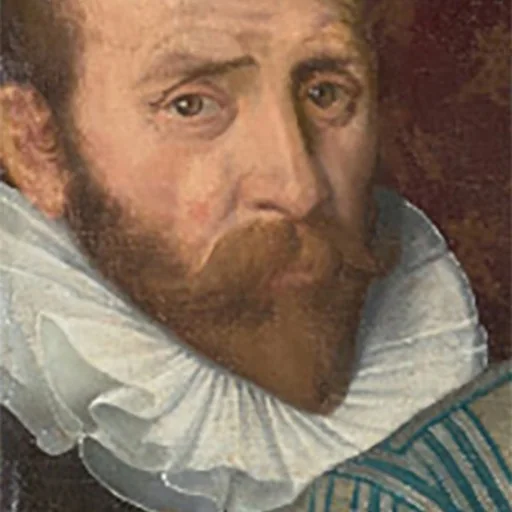
Frans Pourbus the Younger or Frans Pourbus (II) (Antwerp, 1569 – Paris, 1622) was a Flemish painter, specialised in portrait painting.

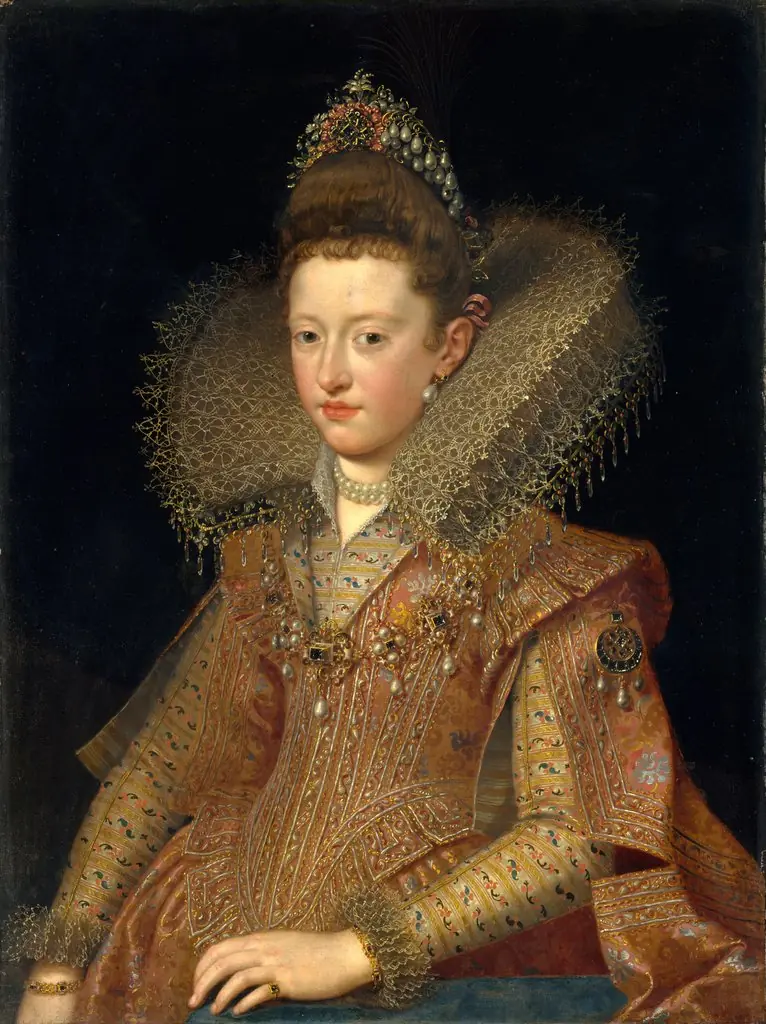
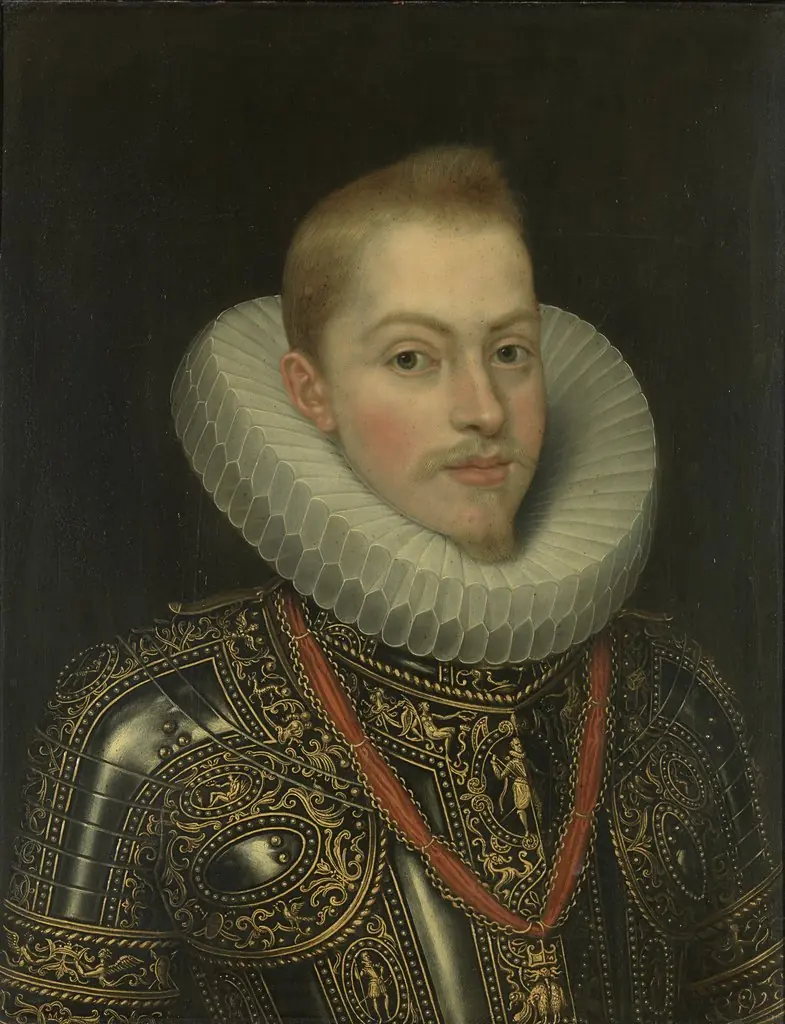
 Portrait of Johanna van Heyst (1599- )
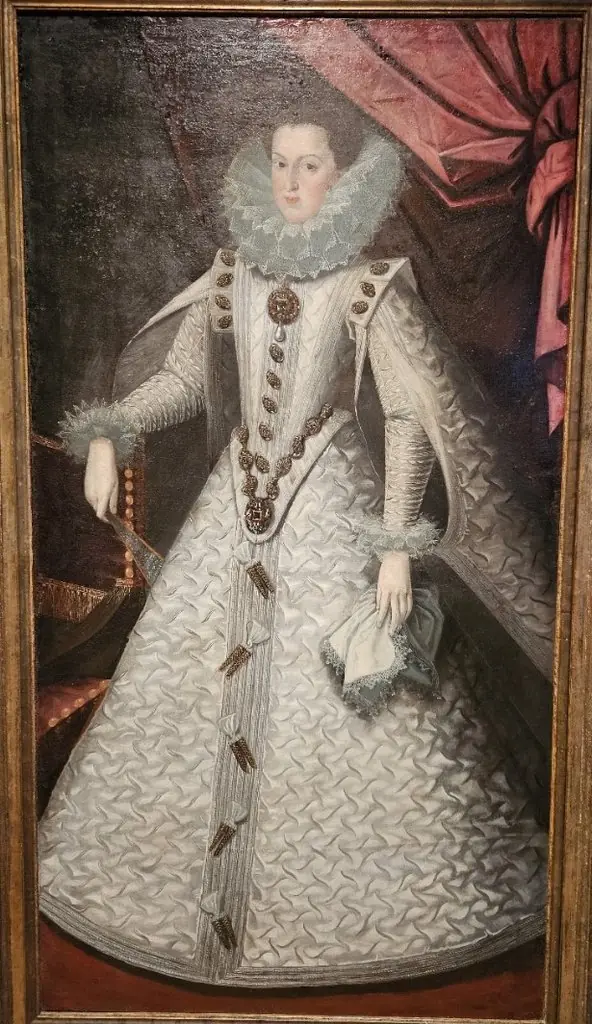 Retrato da Rainha Margarida de Áustria
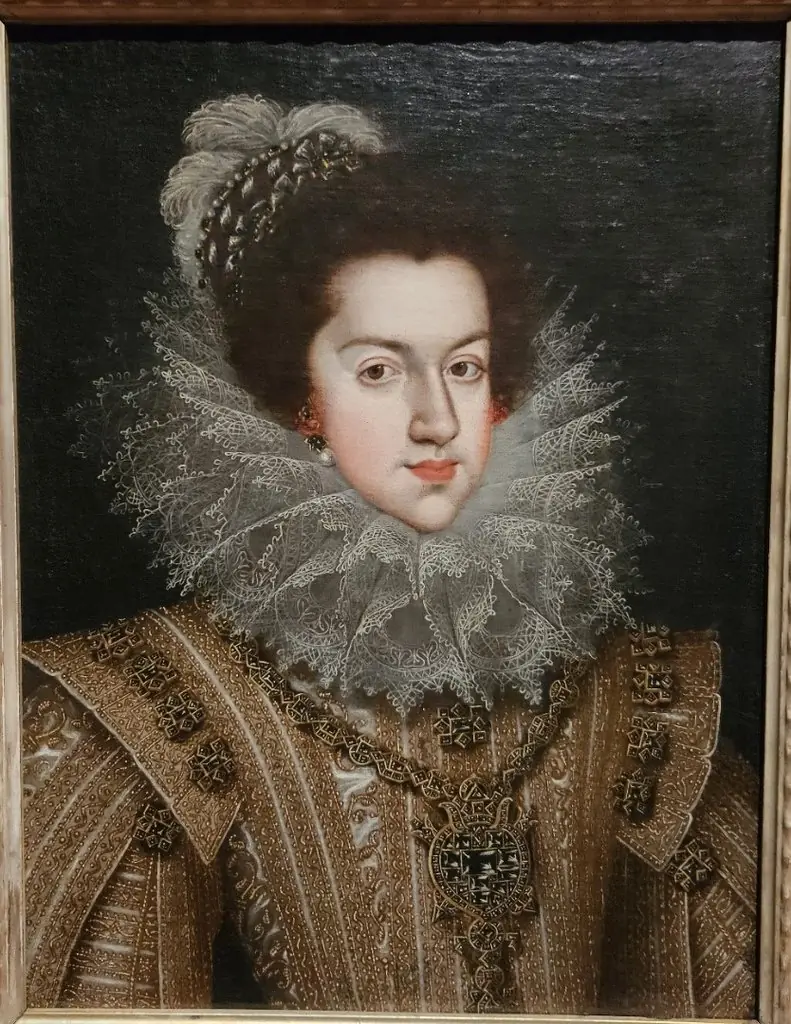 Retrato da Rainha Isabel de Bourbon como Princesa das Astúrias
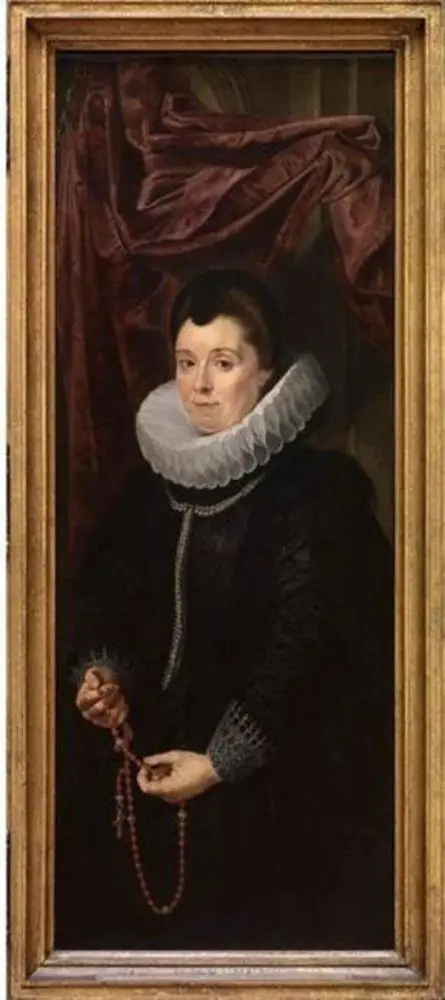 Portrait of Adriana Perez
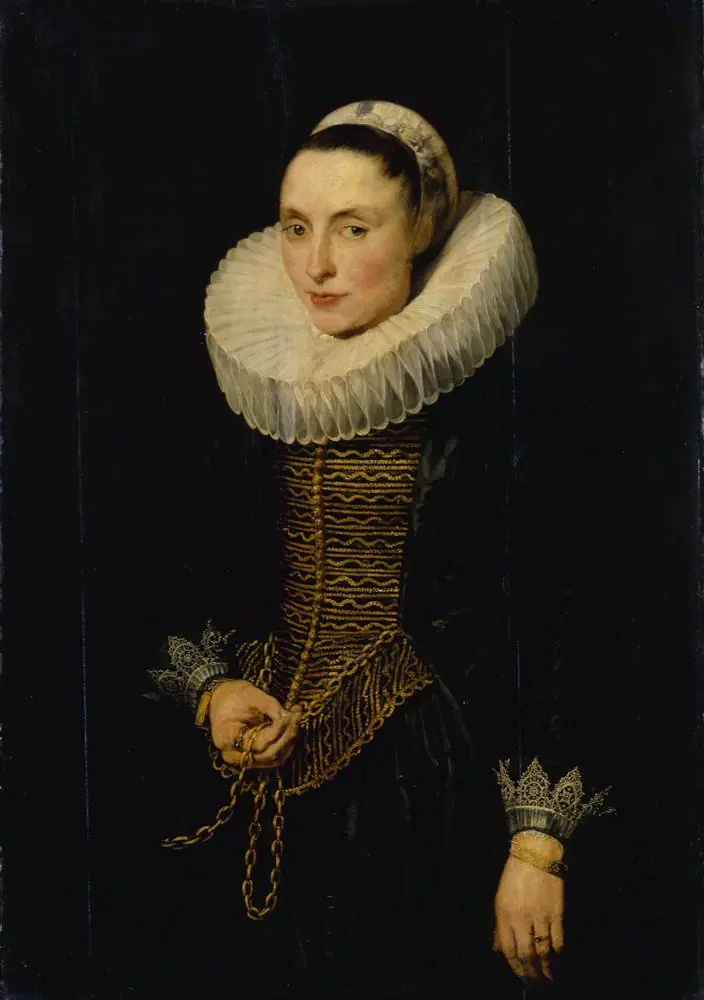 Portrait of a Lady
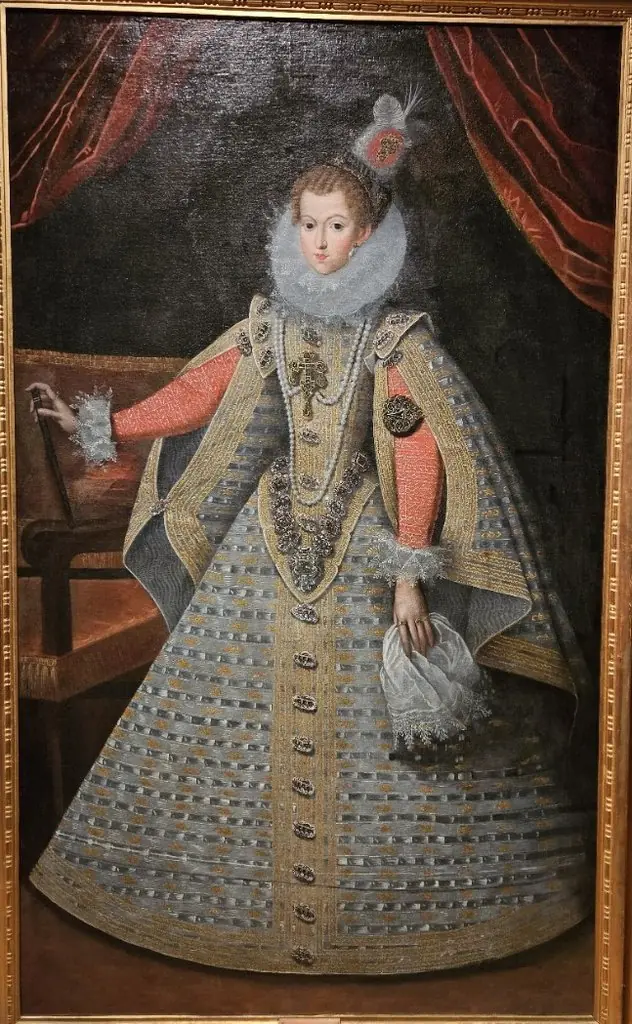 Retrato da Infanta Maria de Áustria
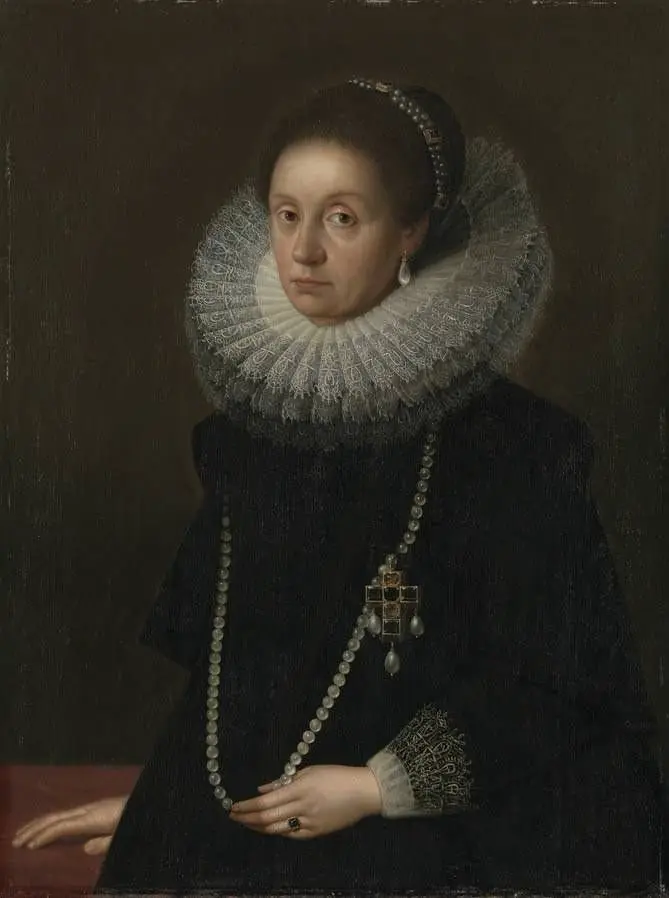 Bildnis der Elisabeth Renata von Lothringen, erste Gemahlin des Kurfürsten Maximilian I. von Bayern (1574-1635)
 Untitled
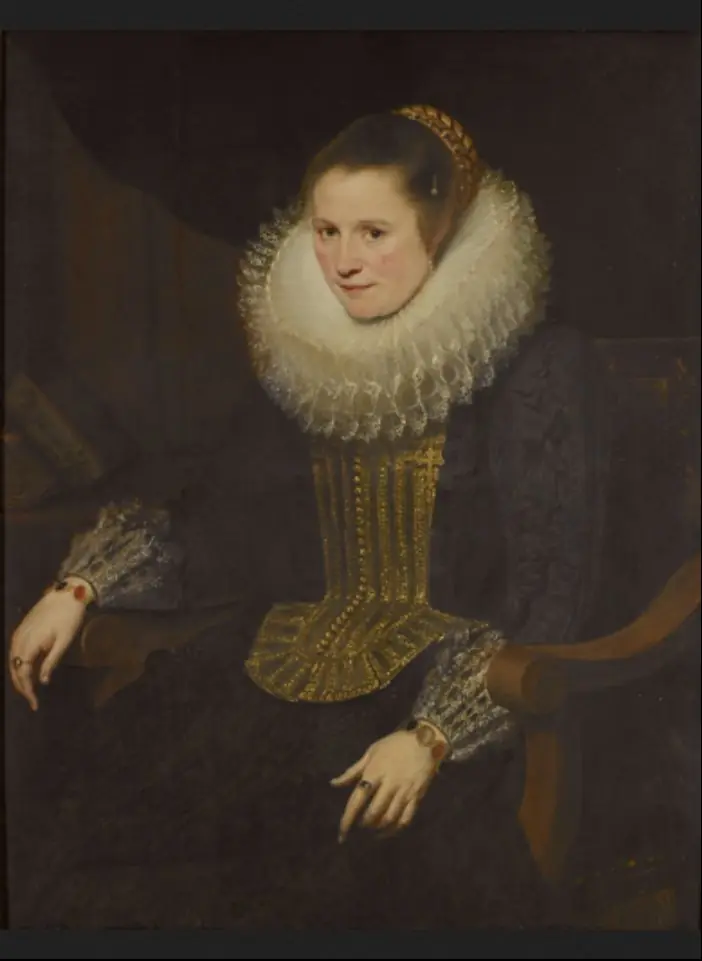 Portrait of Anna Fredericx, wife of Jan Roose
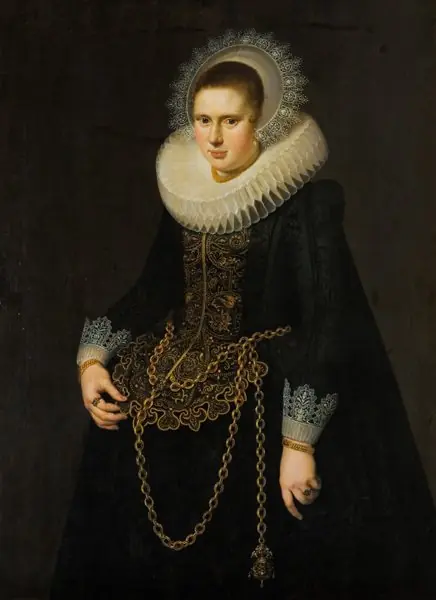 Portrait of a 22-Year-Old Woman
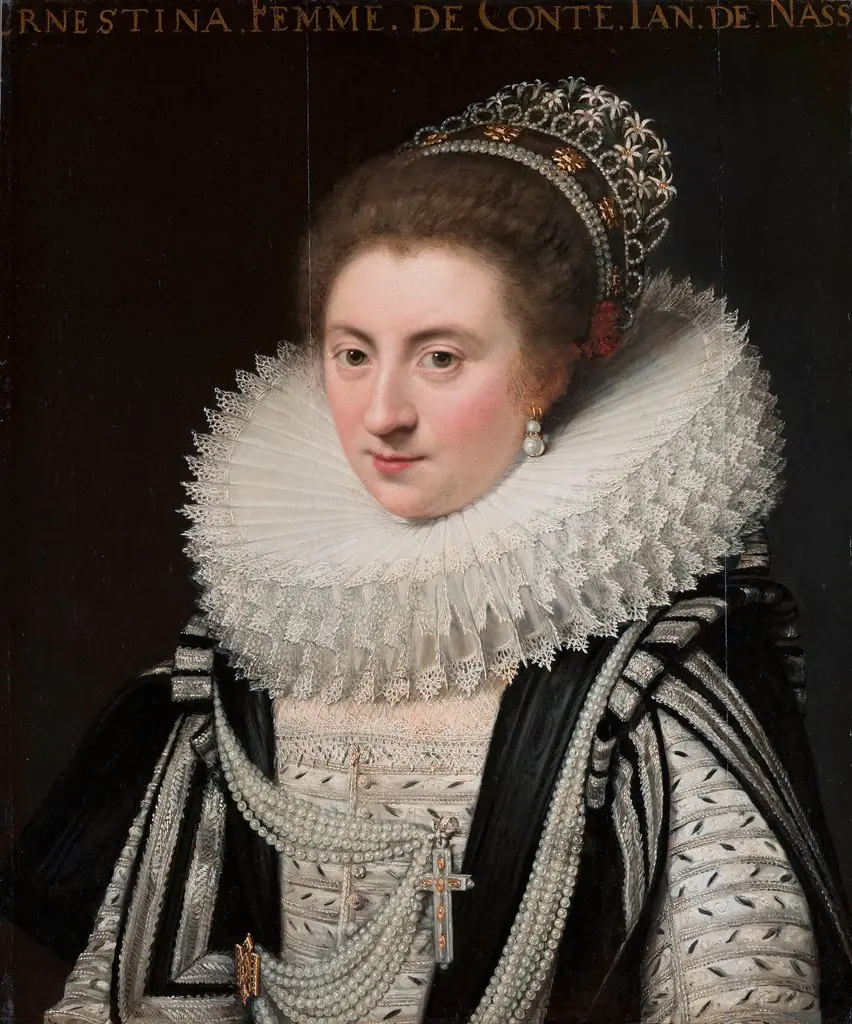 Portrait of Ernestine Yolande (1594-1663), Princess of Ligne
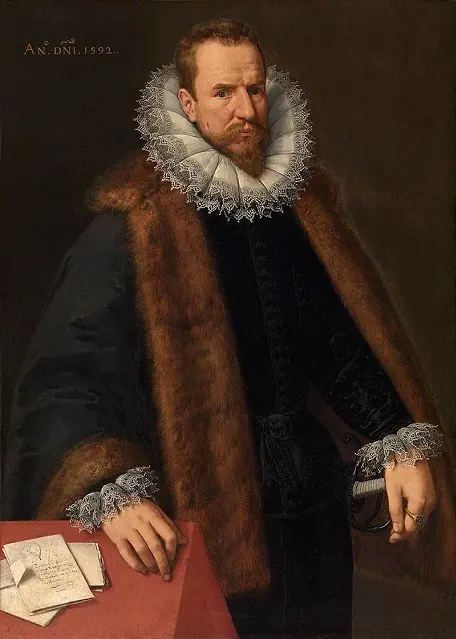 Portrait of Nicolas de Hellincx, counselor of the king