Artwork
Weiß gekleidetes Mädchen bei der Toilette (Nachahmer)
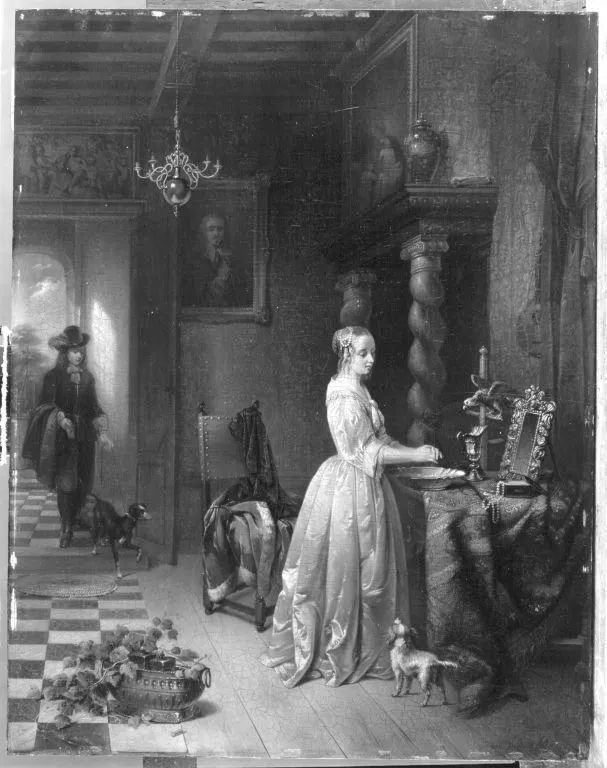
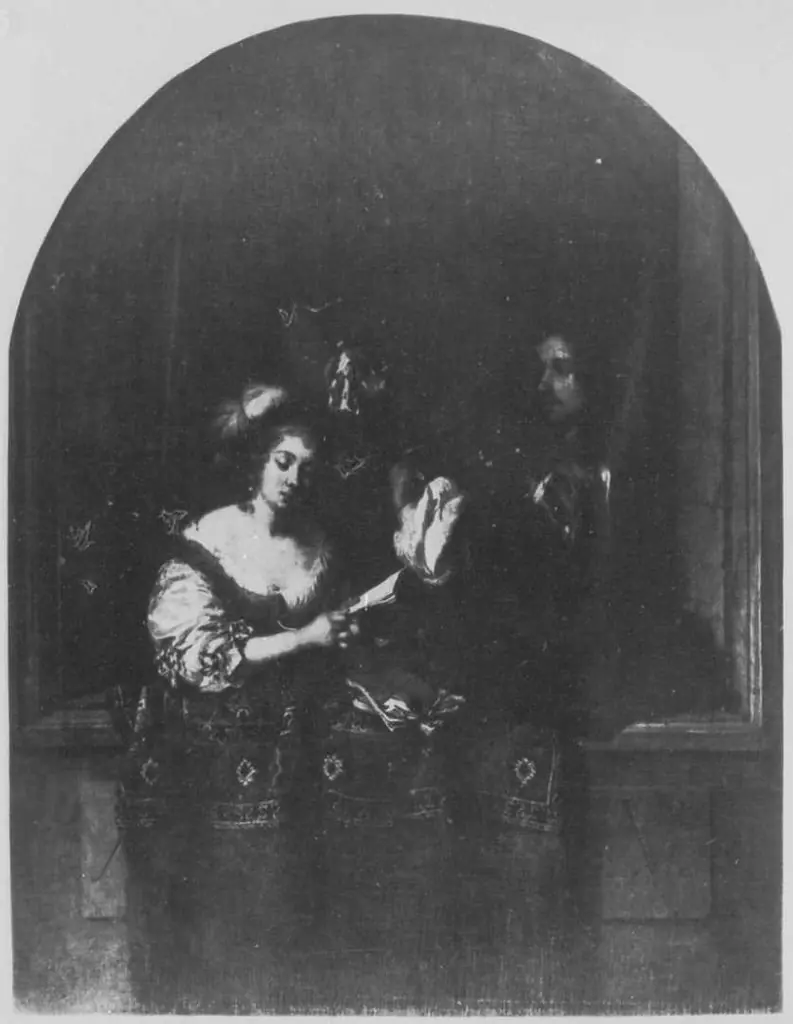
Weiß gekleidetes Mädchen bei der Toilette (Nachahmer) is an unspecified painting by Frans van Mieris the Elder. It dates from 1668 and is held in the collection of the Bavarian State Painting Collections.
About this work
Overview
The work resides in the Alte Pinakothek, part of a broader corpus of 17th-century Dutch paintings focused on private, everyday life.
This painting, attributed to a follower of Frans van Mieris the Elder, dates to around 1668 and reflects the refined genre traditions of Leiden’s Dutch Golden Age. Though not by the master himself, it closely emulates his style—delicate brushwork, quiet interiors, and intimate domestic moments. The work resides in the Alte Pinakothek, part of a broader corpus of 17th-century Dutch paintings focused on private, everyday life.
Subject & Meaning
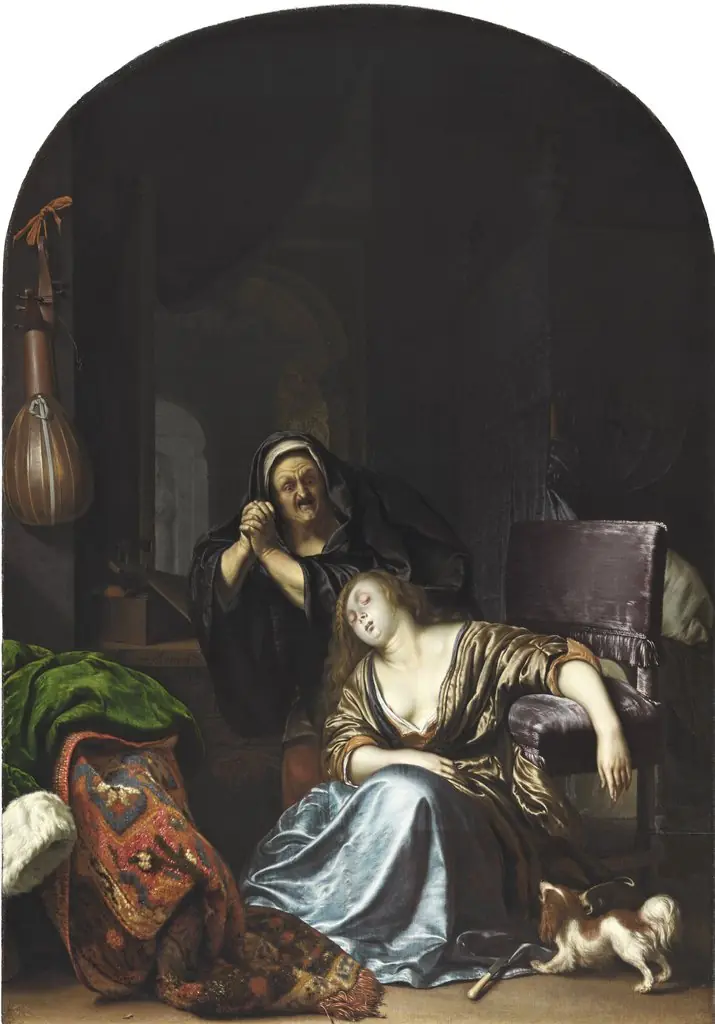
A young woman in a pale gown stands before a dressing table, her hair neatly gathered, engaged in a private ritual of grooming. A small white dog rests at her feet, a common symbol of loyalty or domestic tranquility. The candle and mirror suggest a moment of quiet self-contemplation, not vanity. The dim lighting and restrained setting emphasize introspection over spectacle, aligning with contemporary ideals of modest feminine conduct.
Technique & Style
The artist employs fine, controlled brushstrokes to render textures—the sheen of silk, the glow of candlelight, the soft fur of the dog. Light falls subtly from the side, casting gentle shadows that model form without dramatic contrast. The composition is tightly framed, focusing attention on the figure and her immediate surroundings, a hallmark of Leiden’s fijnschilder tradition, where precision and detail override narrative drama.
History & Provenance
The painting entered the Alte Pinakothek’s collection as a work by a follower of Frans van Mieris, reflecting 19th-century scholarly efforts to distinguish between masterworks and their imitators. Its attribution has remained stable, with no record of significant ownership changes before its acquisition by the museum. It represents the enduring appeal of van Mieris’s style among collectors and artists of the period.
Context
In mid-17th-century Leiden, genre scenes of women in private interiors were popular among urban elites who valued moral restraint and domestic order. Paintings like this catered to a market that prized technical mastery and subtle storytelling. The presence of a dog, candle, and mirror were conventional motifs, reinforcing ideals of virtue, vigilance, and self-care within the home.
Legacy
Though not by Frans van Mieris himself, the painting preserves the aesthetic and thematic concerns of his workshop. It illustrates how his influence extended beyond his immediate circle, shaping the visual language of Dutch genre painting for decades. Such works helped define the period’s preference for quiet, meticulously rendered moments over grand historical or religious themes.
Artist & collection
Artist
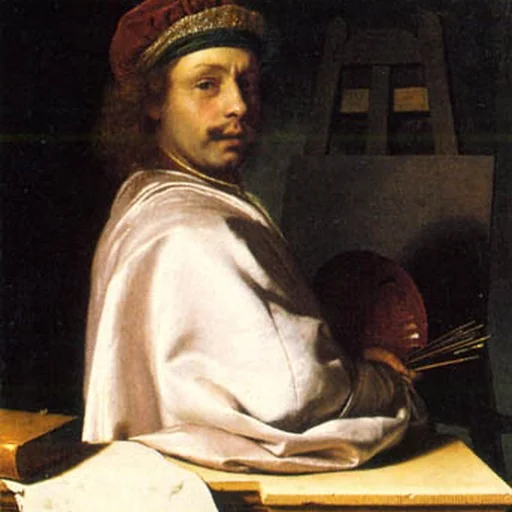
Frans van Mieris the Elder (16 April 1635 – 12 March 1681), was a Dutch Golden Age genre and portrait painter.

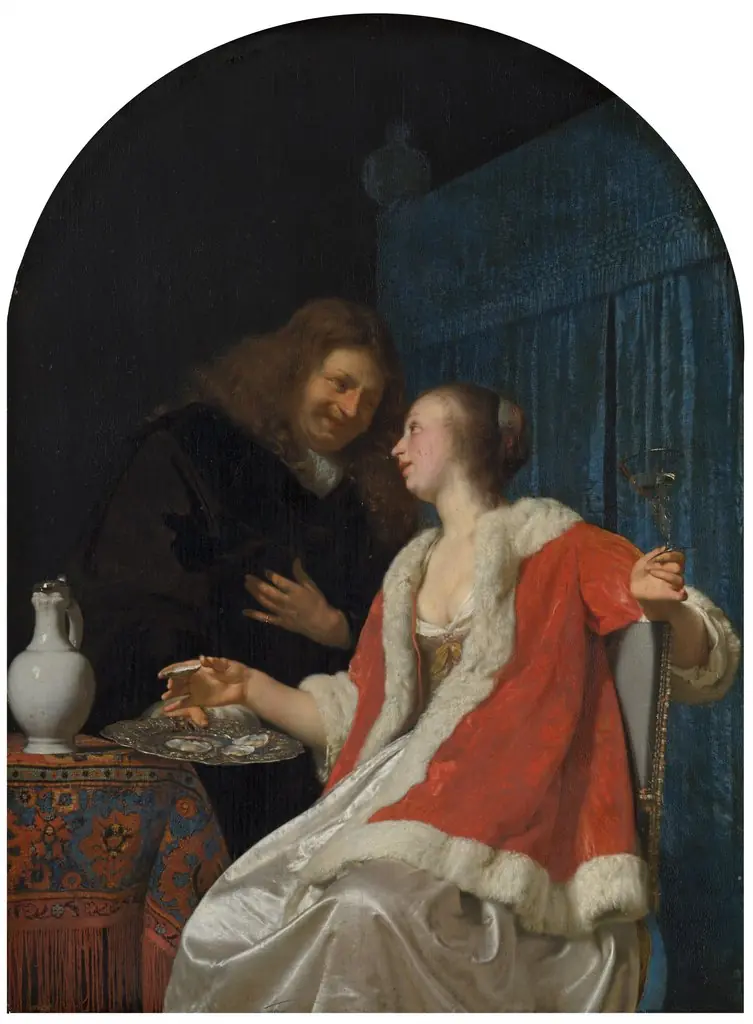
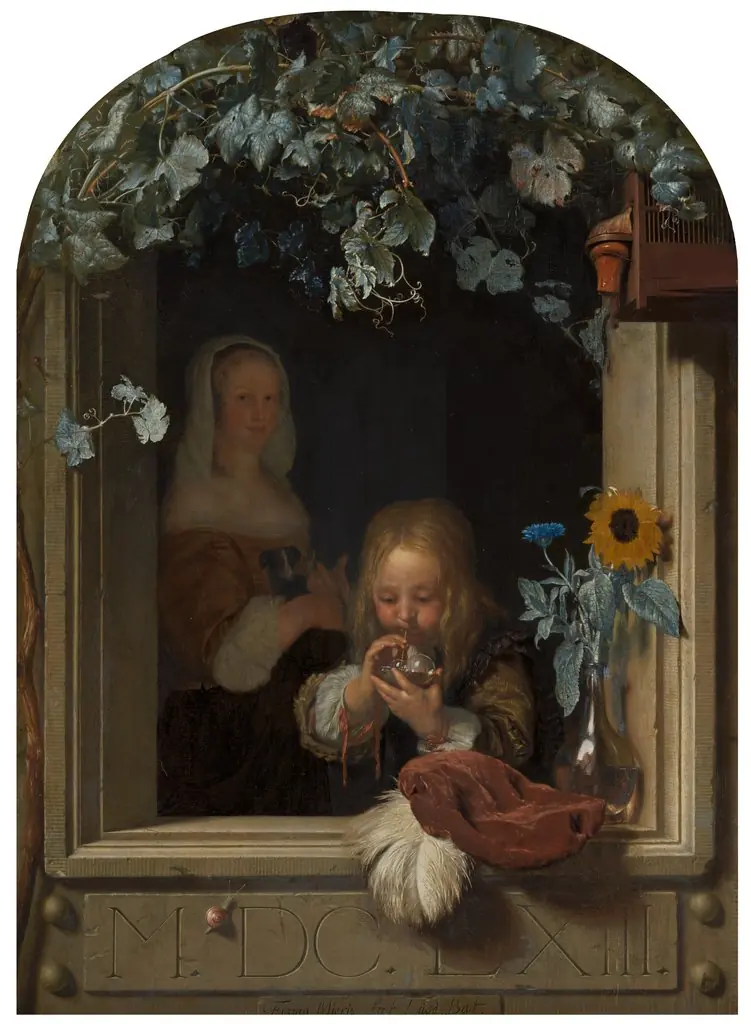
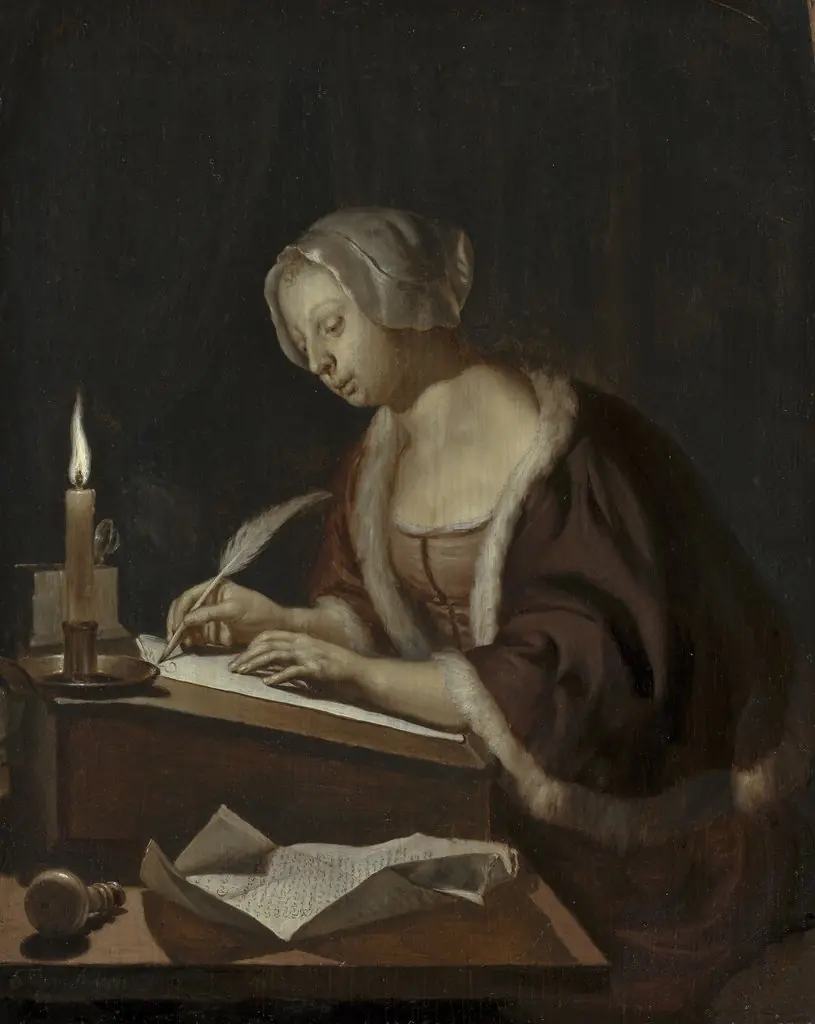
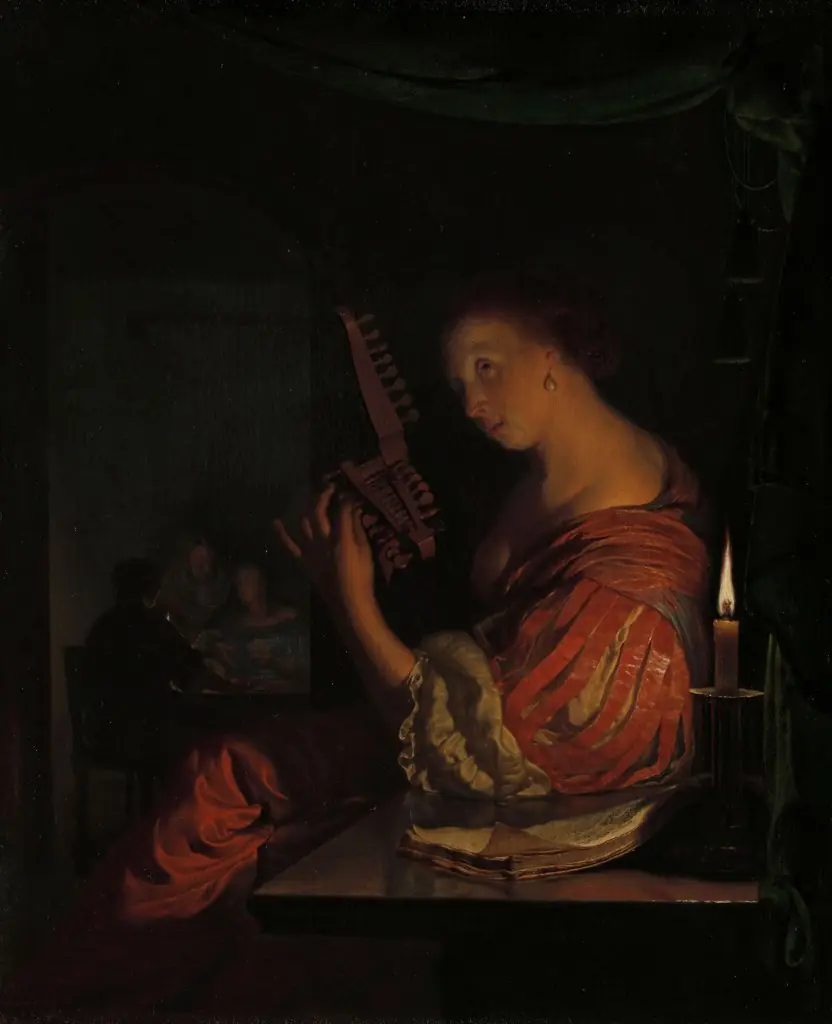
 Gallant Company on a Terrace
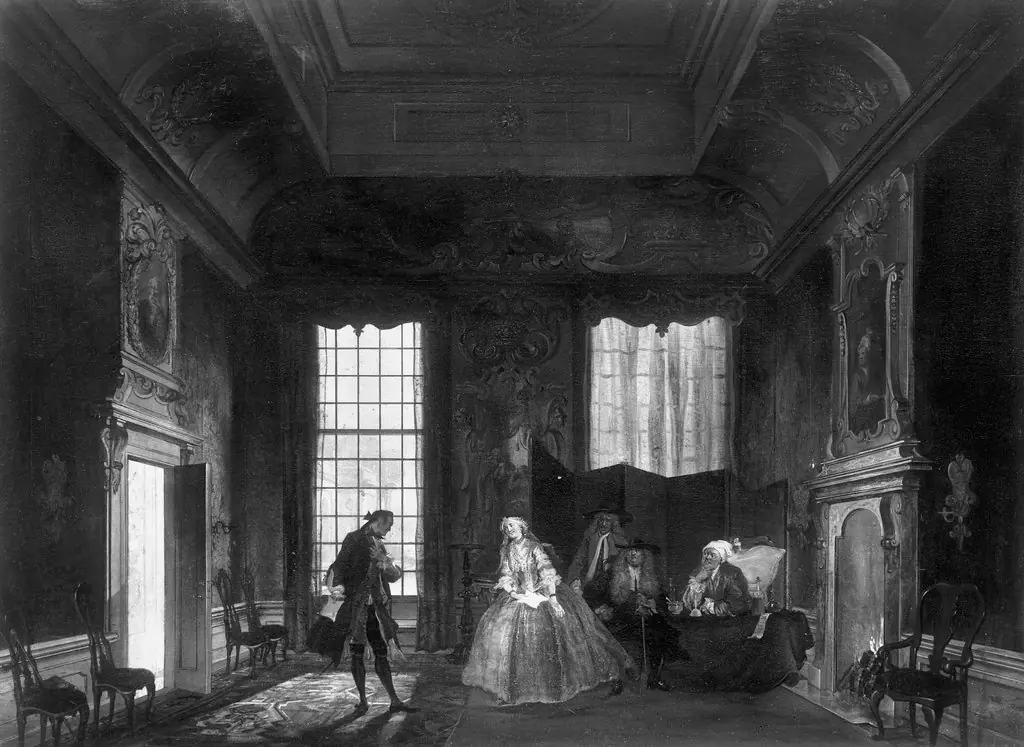 Scene from Molière's "Imaginary Sick" (2nd act, 4th scene)
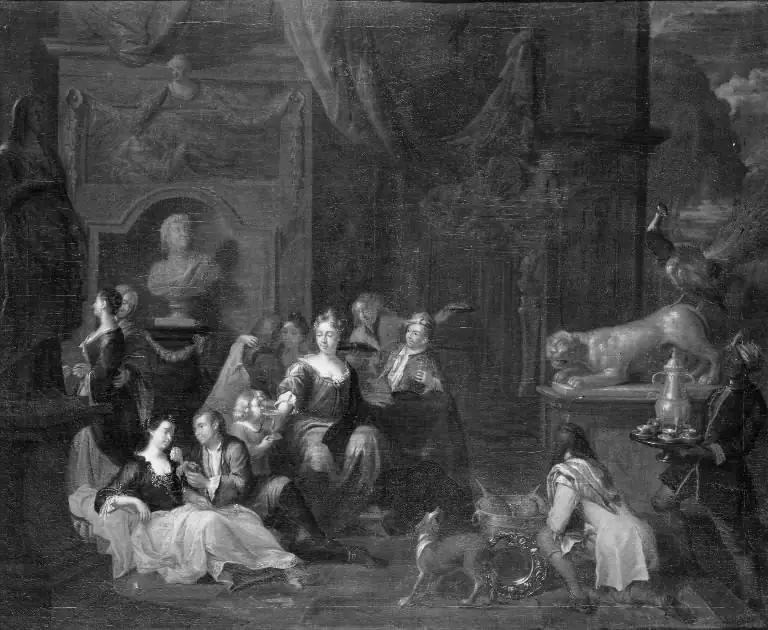
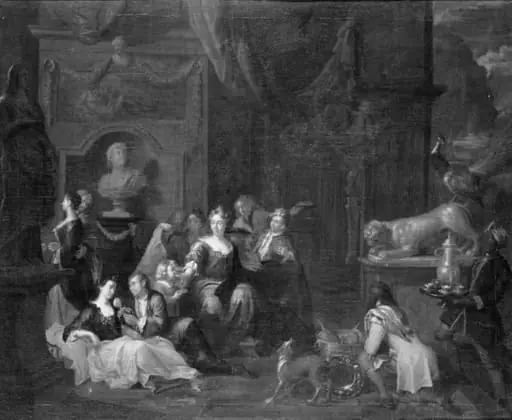 Gallant Company on a Terrace
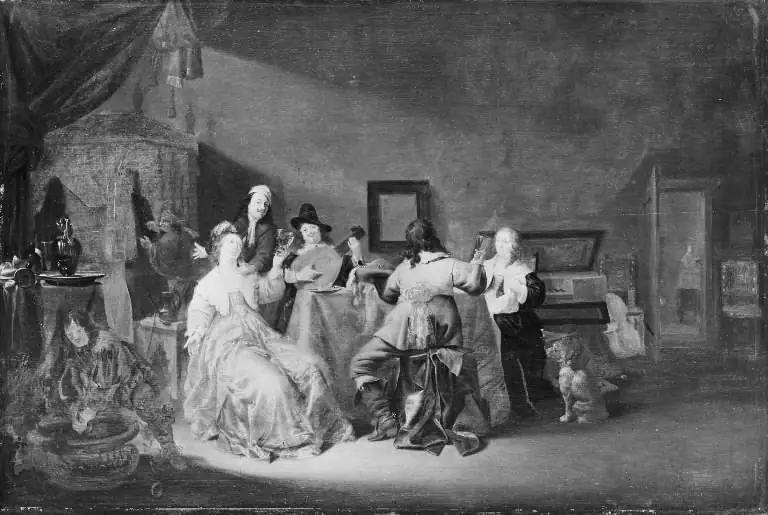 Merry Company
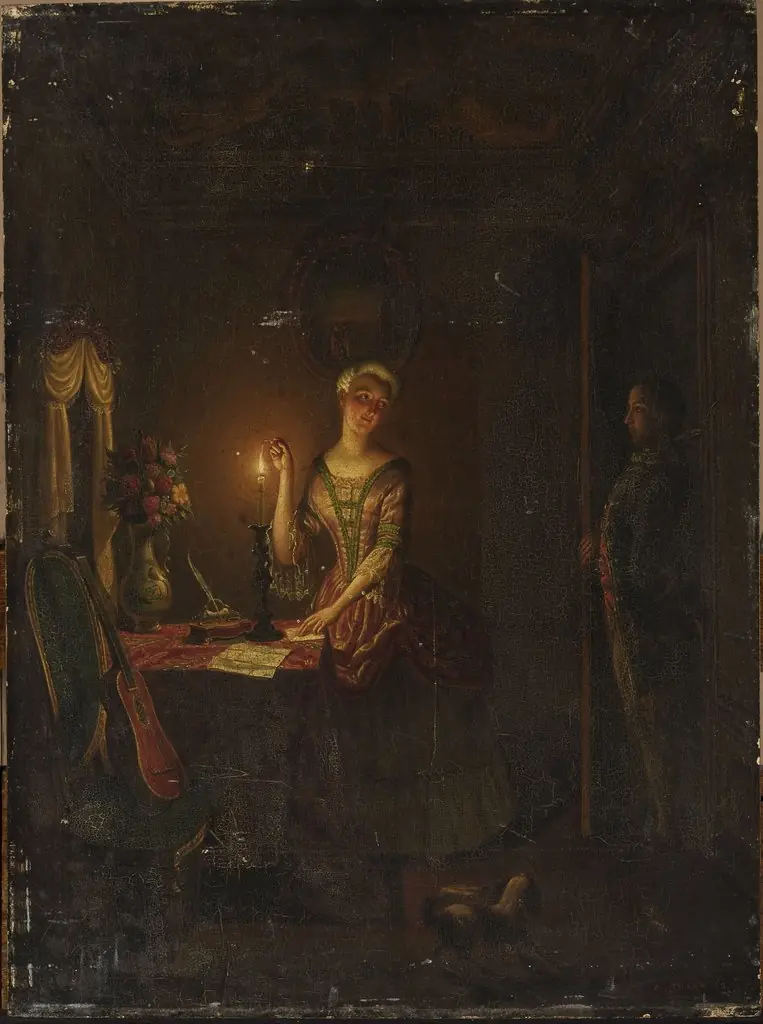 Sealing a letter with wax
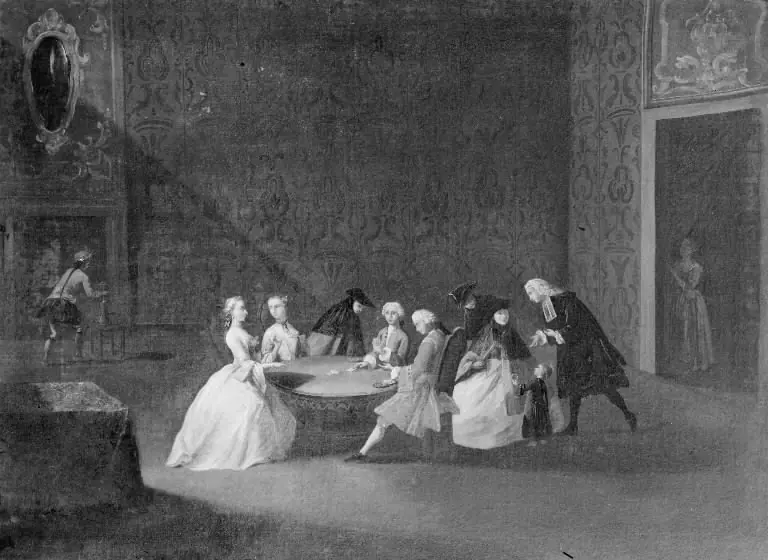 Card Players
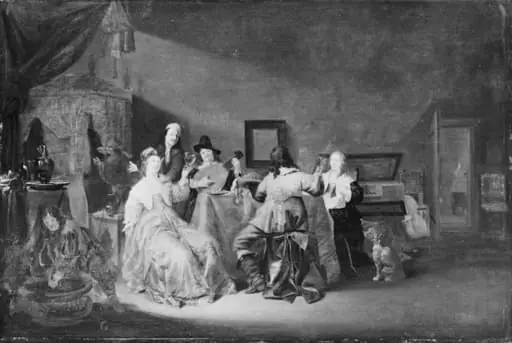 Merry Company
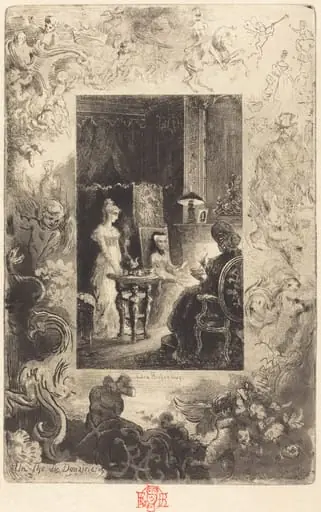 Un Thé de Douairières (The Dowagers' Tea Party)
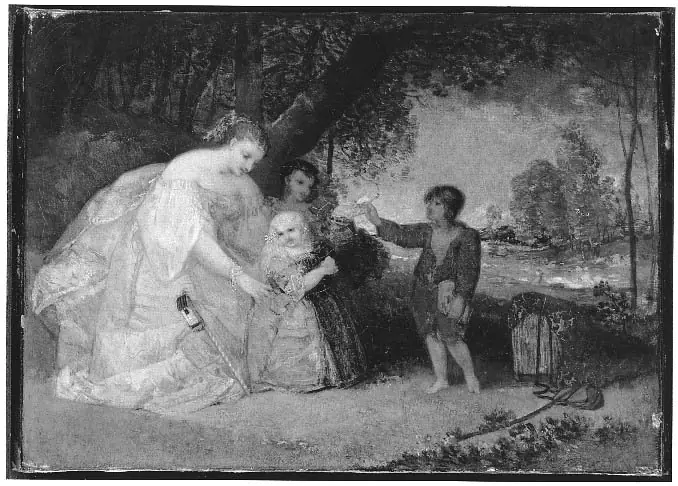 Landscape with Figures
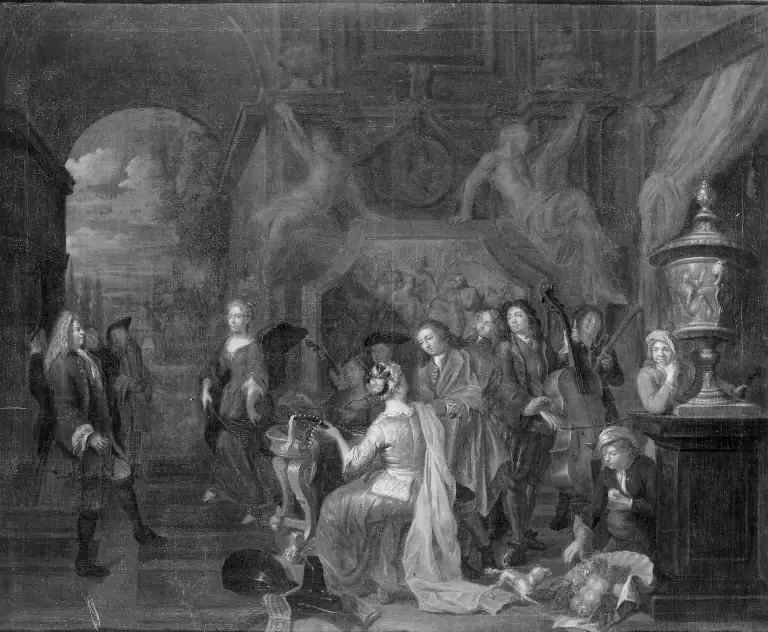 Company Making Music and Dancing on a Terrace
 Woman singing and man playing a lute in a window