Artwork
Interieur van de Sint Pieterskerk te Rome
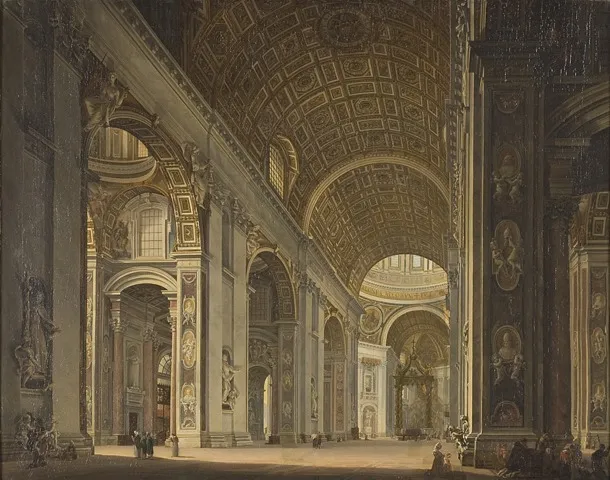
Interieur van de Sint Pieterskerk te Rome is an oil painting by Frans Vervloet. It dates from 1824 and is held in the collection of the Rijksmuseum.
About this work
Overview
Painted in 1824 by Frans Vervloet, this oil on canvas depicts the interior of St. Peter’s Basilica in Rome. The work is part of the Rijksmuseum’s collection and exemplifies 19th-century Dutch interest in architectural interiors of southern Europe. Vervloet captures the scale and solemnity of the space with careful attention to perspective and ambient light.
Subject & Meaning
The scene portrays worshippers in quiet devotion—some kneeling, others seated—within the vast nave of the basilica. Their presence underscores the church as a place of personal reflection rather than spectacle. The composition directs attention toward the altar, reinforcing the spiritual focus of the space without overt narrative or symbolism.
Technique & Style
Vervloet employs chiaroscuro to model the vaulted ceiling and columns, enhancing the sense of depth. Brushwork is precise yet restrained, particularly in rendering marble surfaces and carved stonework. The light enters from the upper right, casting soft shadows that unify the space and guide the viewer’s gaze toward the distant sanctuary.
History & Provenance
Created during Vervloet’s active period in the Netherlands, the painting likely stemmed from his study of Italian architecture, possibly informed by travel or prints. It entered the Rijksmuseum’s holdings in the 19th century, reflecting contemporary Dutch institutional interest in topographical and religious interiors as subjects of artistic merit.
Context
In the early 1800s, Dutch artists increasingly turned to foreign ecclesiastical architecture as subjects, drawn by their grandeur and historical resonance. Vervloet’s work aligns with a broader trend of documenting sacred spaces with documentary precision, balancing topographical accuracy with atmospheric mood.
Legacy
The painting remains a quiet example of 19th-century Dutch interiorism, valued for its calm composition and technical control. While not widely exhibited, it contributes to the understanding of how Northern European artists interpreted and translated the spiritual architecture of Italy through the lens of their own aesthetic traditions.
Artist & collection

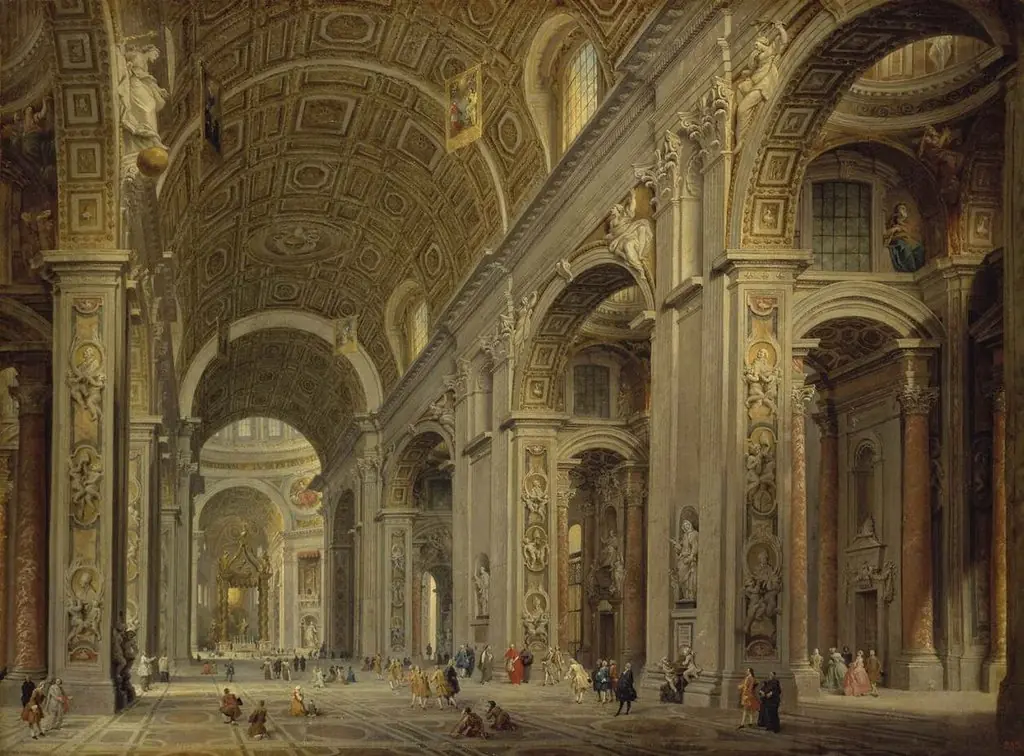 Interior of St Peter's Cathedral in Rome
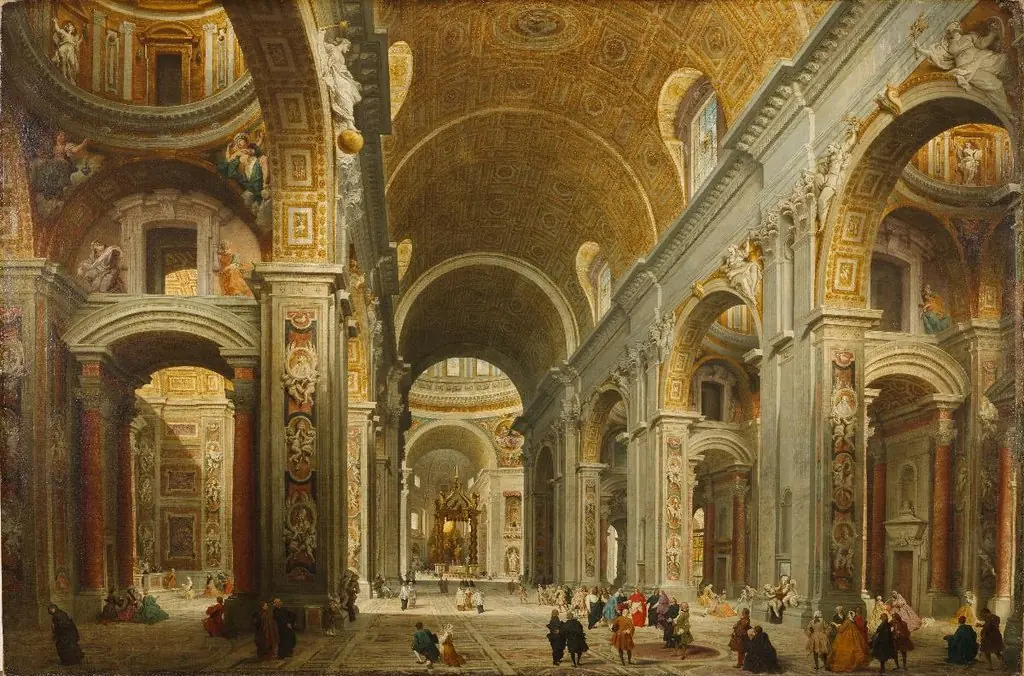 Interno di San Pietro
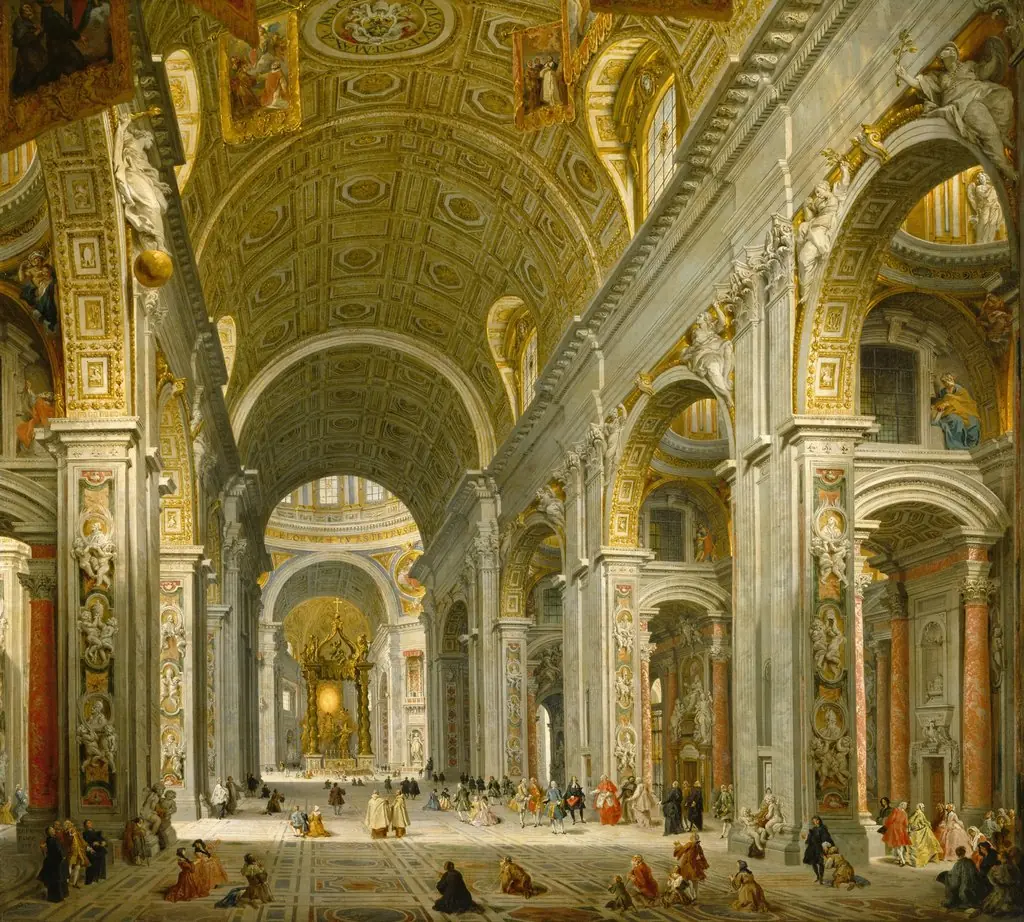 Interior of St. Peter's, Rome
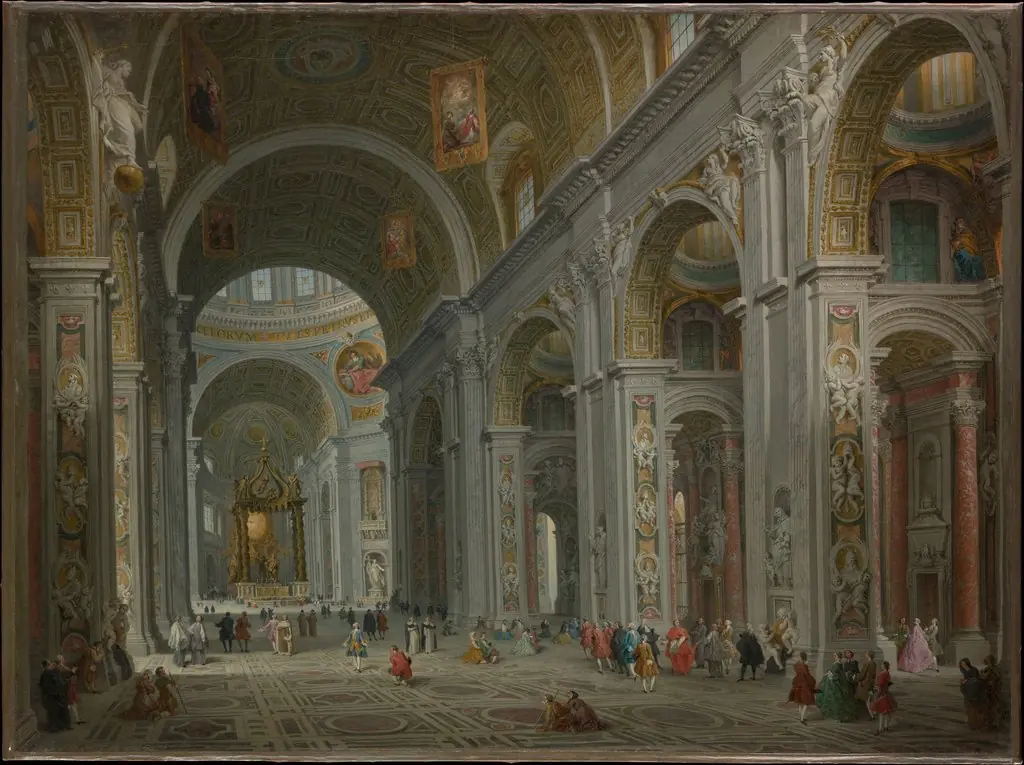 Interior of Saint Peter's, Rome
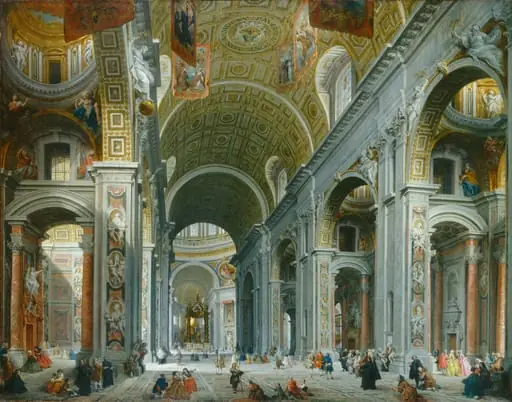 Interior of Saint Peter's, Rome
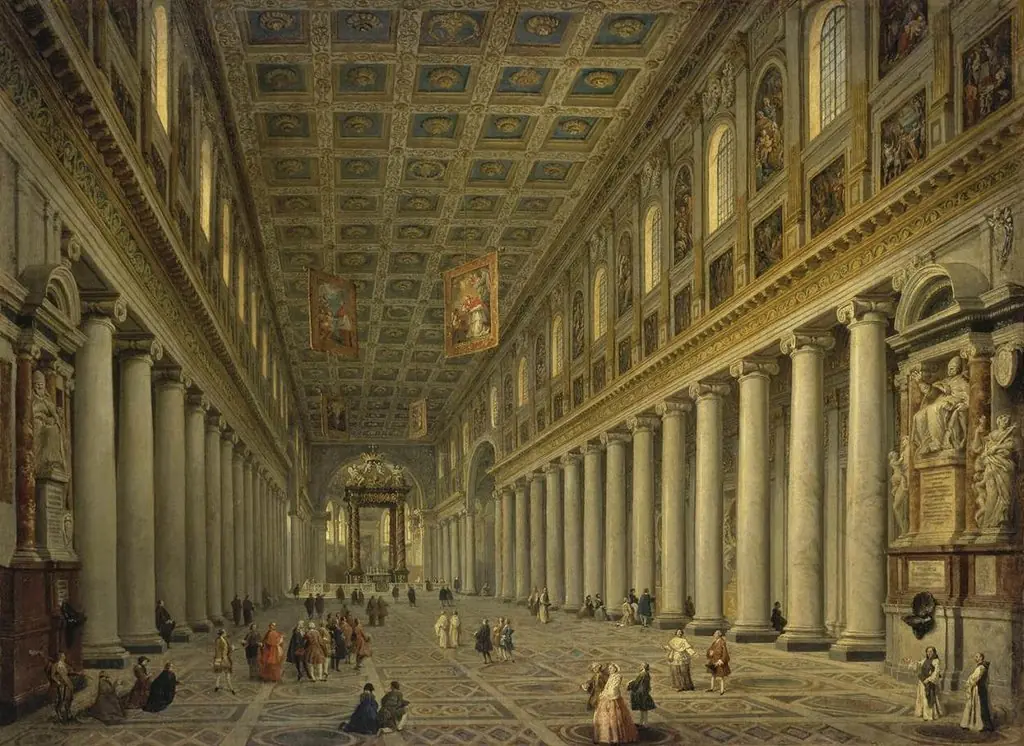 Interior of S. Maria Maggore in Rome
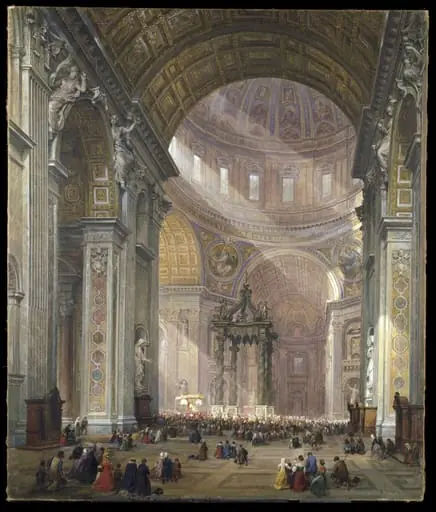 Transept of St. Peter's, Rome
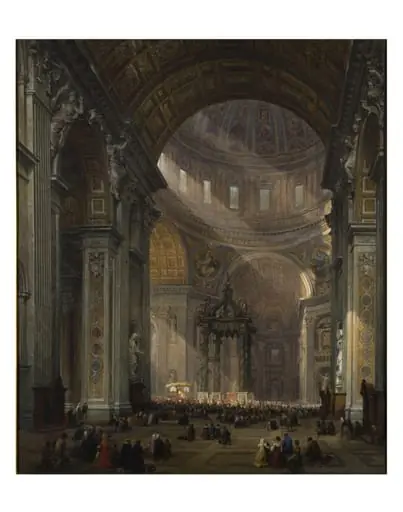 Interior of St Peter's, Rome
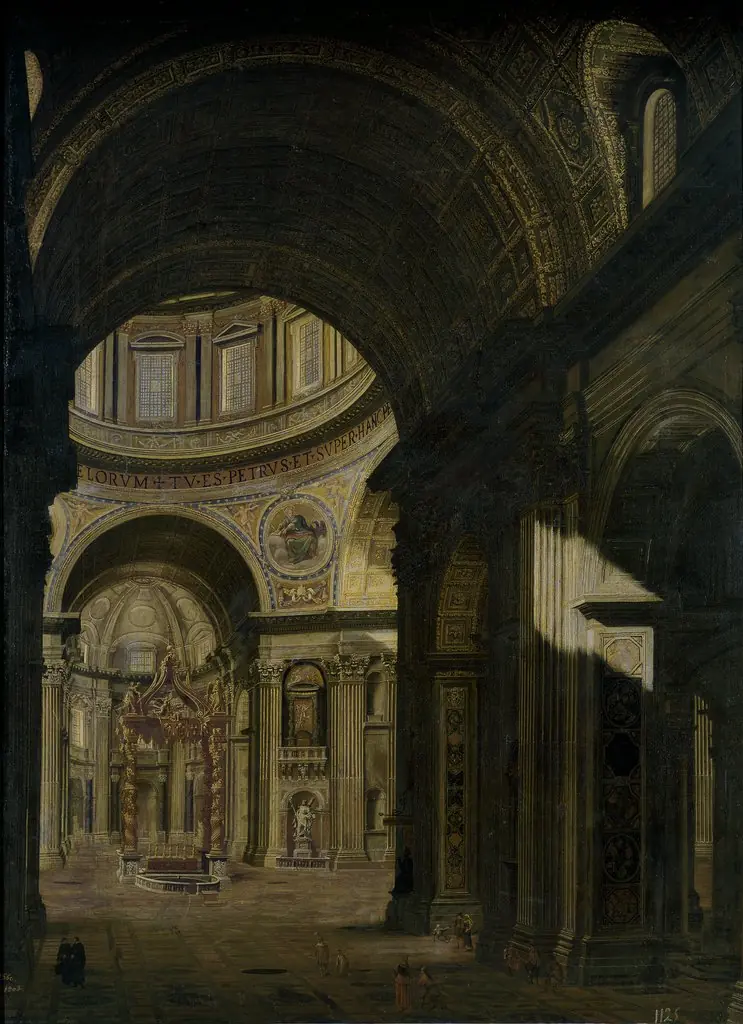 Interior de la Basílica de San Pedro de Roma
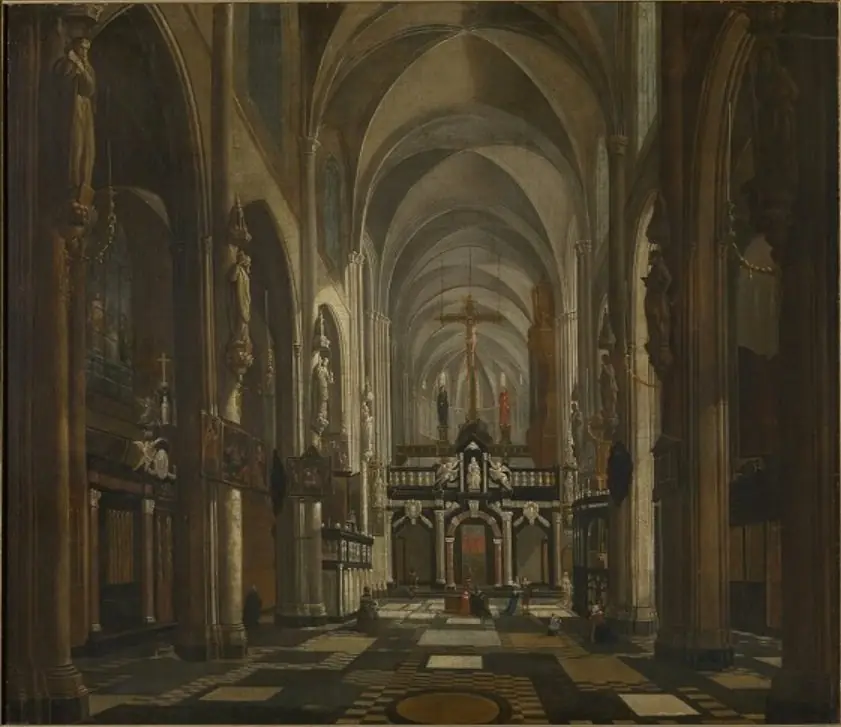 Interior of the former Saint Donatus Church in Bruges
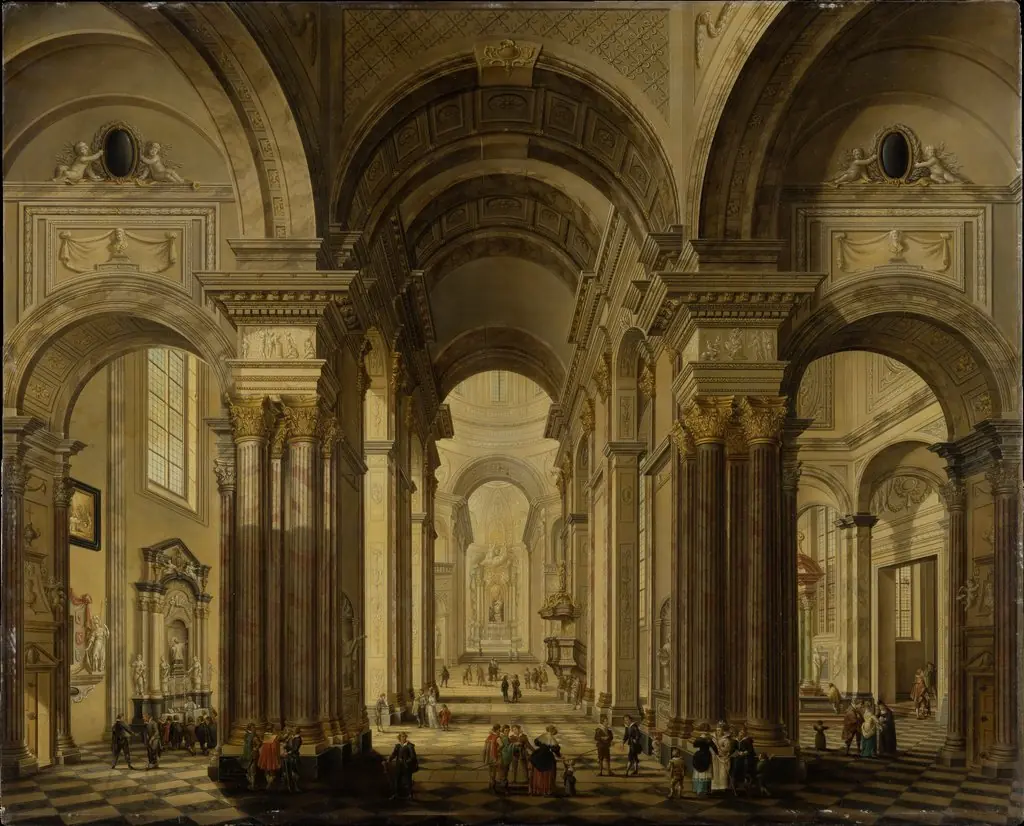 Interior of a Baroque Church
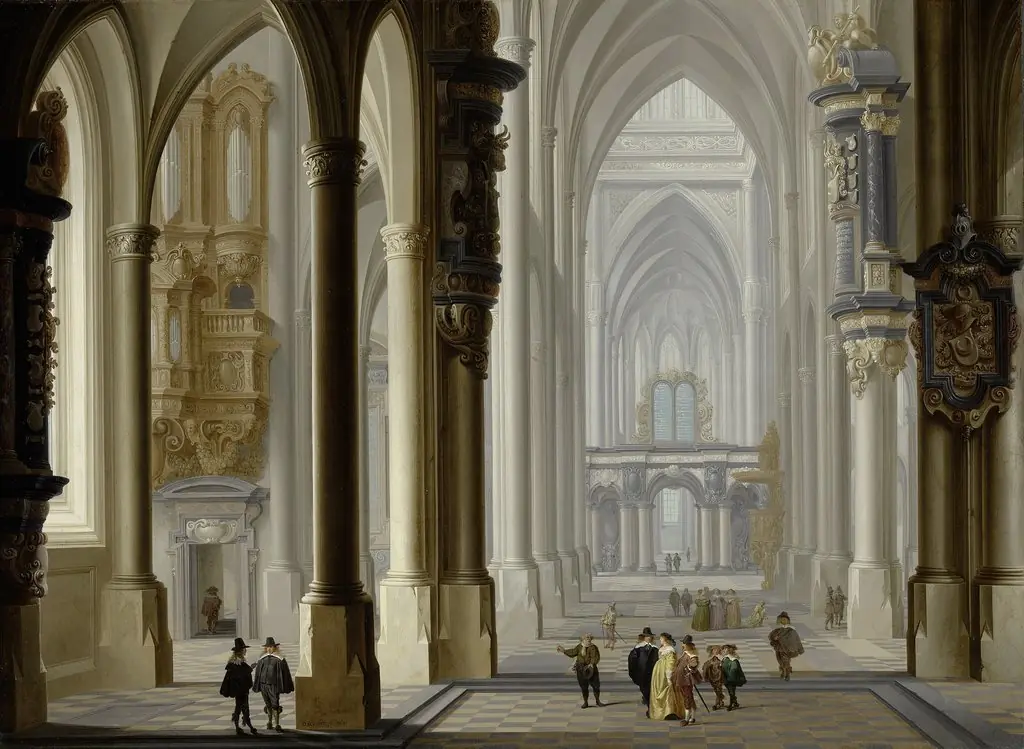 Interior of a Gothic Church