Artwork
The Glorification of the Royal Hungarian Saints
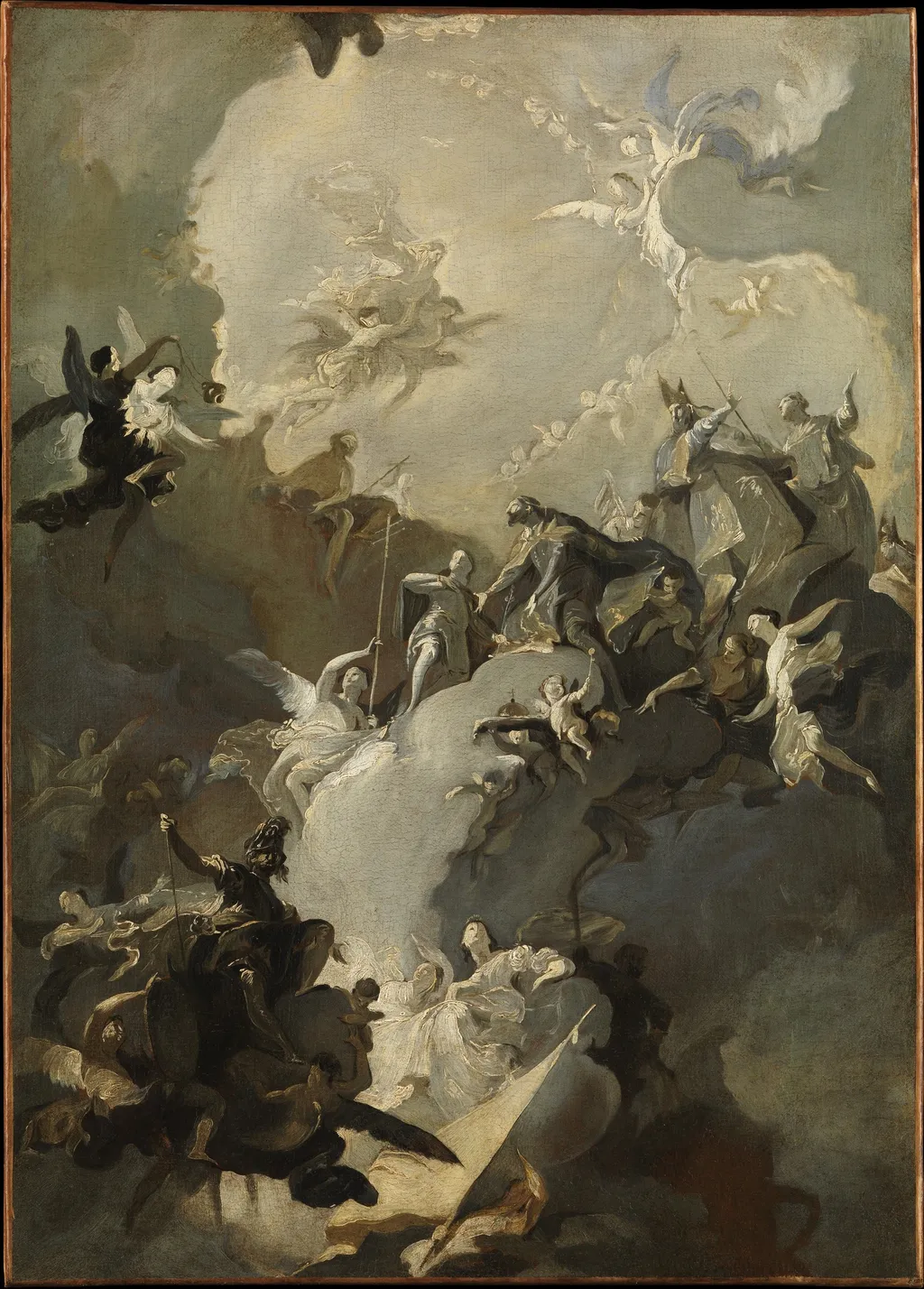
The Glorification of the Royal Hungarian Saints is an oil painting by Franz Anton Maulbertsch. It dates from 1772 and is held in the collection of the Metropolitan Museum of Art.
About this work
Overview
Franz Anton Maulbertsch, an Austrian artist active in German and Hungarian territories, completed The Glorification of the Royal Hungarian Saints in 1772. This oil painting exemplifies the Rococo aesthetic prevalent in religious art of the era. The work is currently part of the collection at The Metropolitan Museum of Art, showcasing Maulbertsch's distinctive approach to spiritual themes.
Subject & Meaning
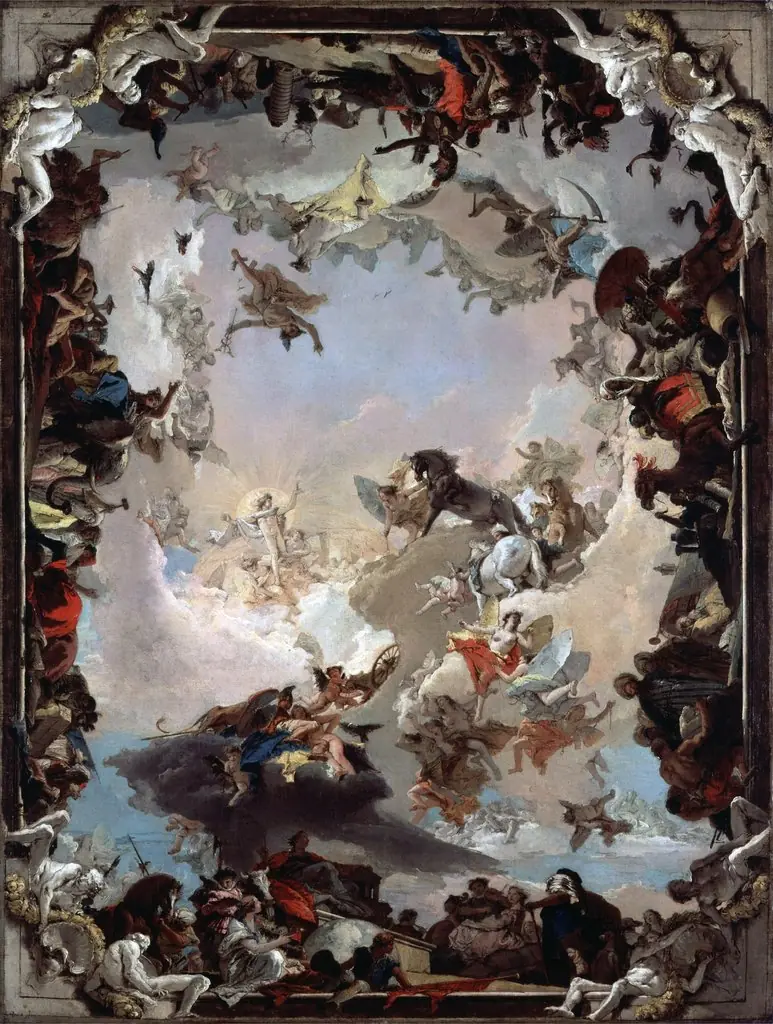
The painting depicts a celestial realm where numerous figures, interpreted as saints, angels, and warriors, ascend amidst swirling clouds.
The painting depicts a celestial realm where numerous figures, interpreted as saints, angels, and warriors, ascend amidst swirling clouds. They are shown in dynamic motion, some holding banners or weapons, suggesting a triumphant spiritual event. The composition conveys a sense of dramatic elevation and divine intervention, characteristic of glorification scenes in religious art. Muted tones are punctuated by luminous gold and white, emphasizing the ethereal light breaking through the heavens.
Technique & Style
Maulbertsch's Rococo style is evident in the painting's energetic composition and fluid forms. His artistic development was shaped by his training at the Academy of Vienna and by the influence of Venetian masters such as Piazzetta and Giovanni Battista Pittoni. The artist's acquaintance with Giambattista Tiepolo and an awareness of Sebastiano Ricci's frescoes also contributed to his vibrant brushwork and dramatic use of light and shadow. Thick, textured brushstrokes enhance the sense of movement and depth.
Context
Created in 1772, this work reflects the artistic trends of the late Rococo period in Central Europe, where Maulbertsch was a prominent figure. His focus on religious subjects, particularly those involving saints and divine narratives, aligned with the patronage and spiritual interests of the time in the German and Hungarian regions. The painting serves as an example of how artists interpreted sacred themes with dramatic flair and elaborate compositions during the 18th century.
Artist & collection
Artist
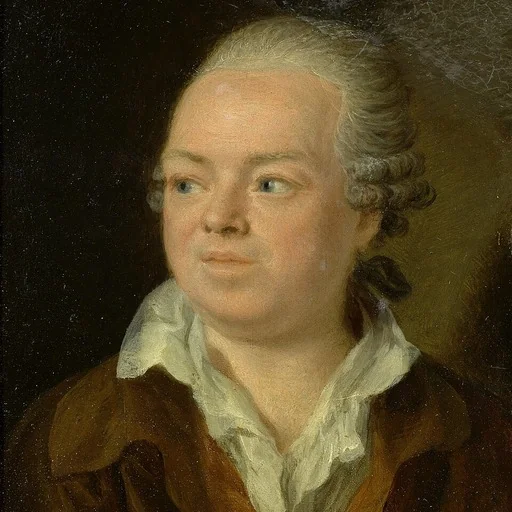
Franz Anton Maulbertsch (7 June 1724 – 8 August 1796) was an Austrian painter and engraver, one of the most renowned exponents of Rococo painting in the German and Hungarian regions.