Artwork
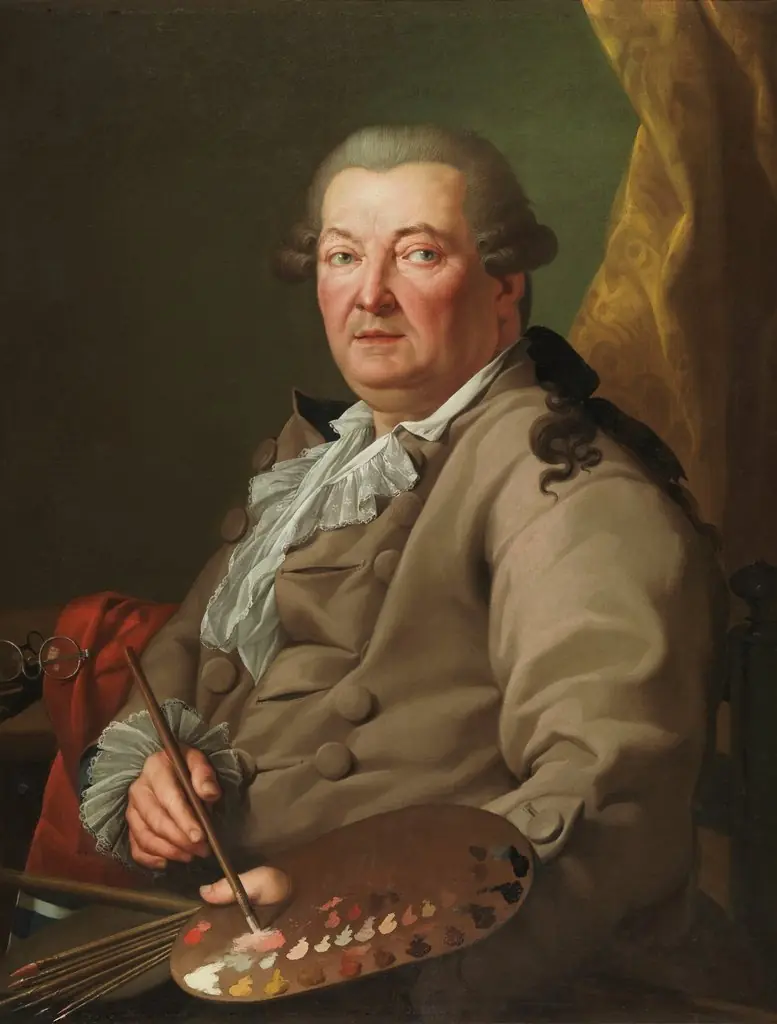
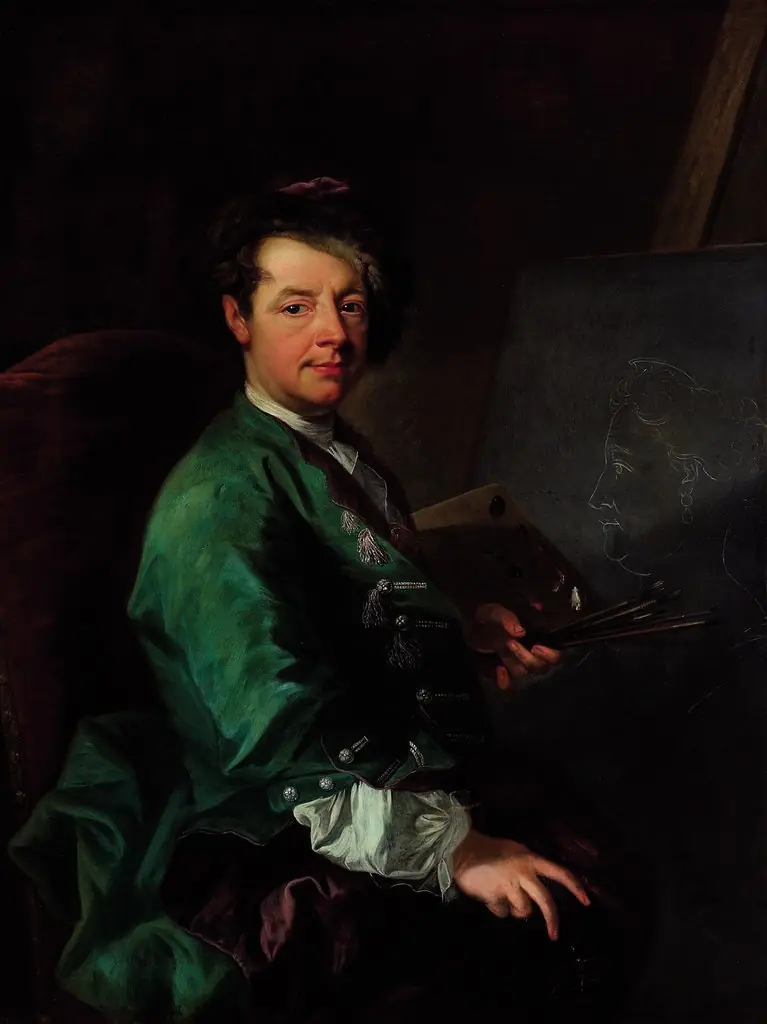
Portrait of the battle painter August Querfurt (1696-1761)
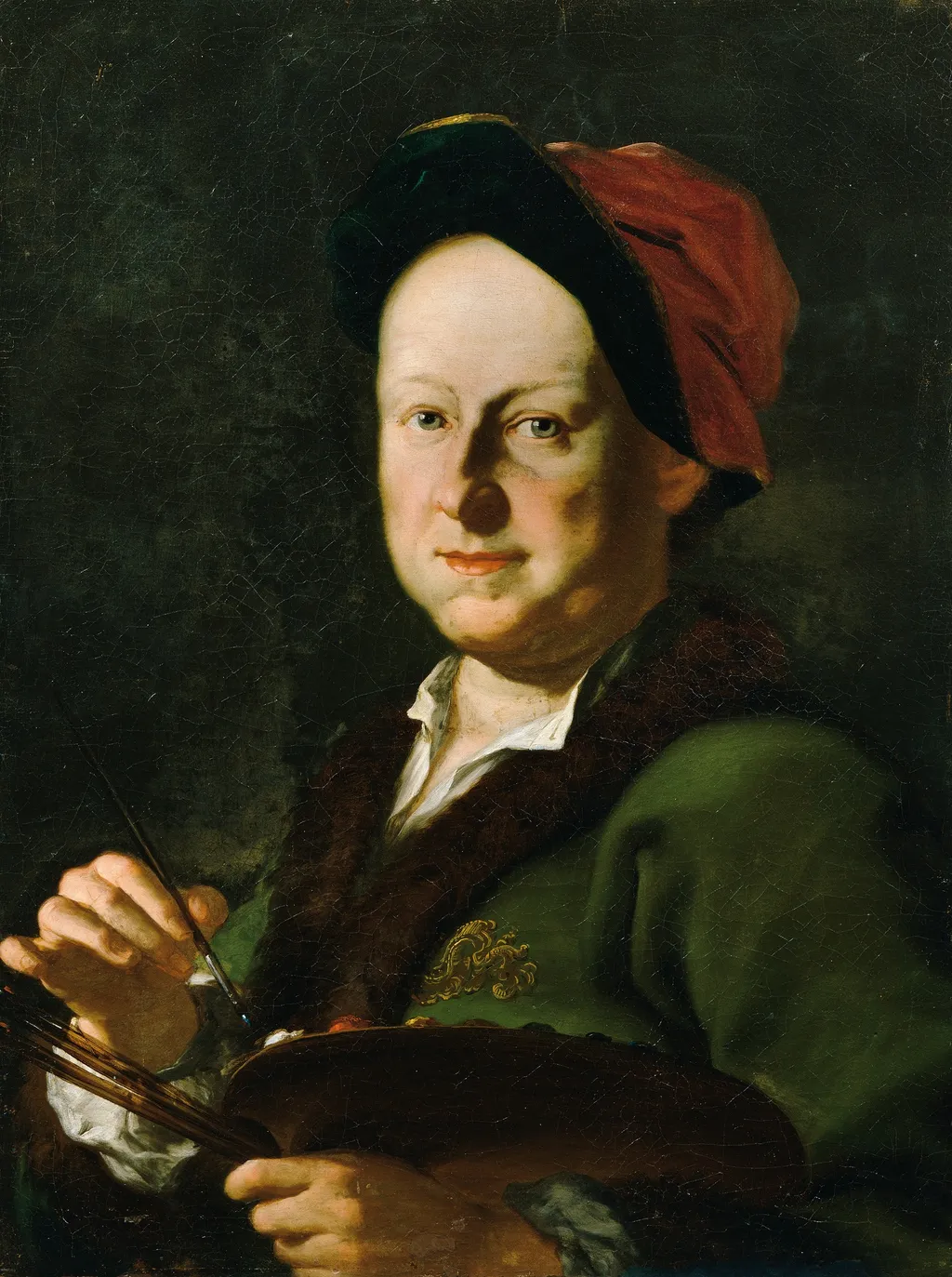
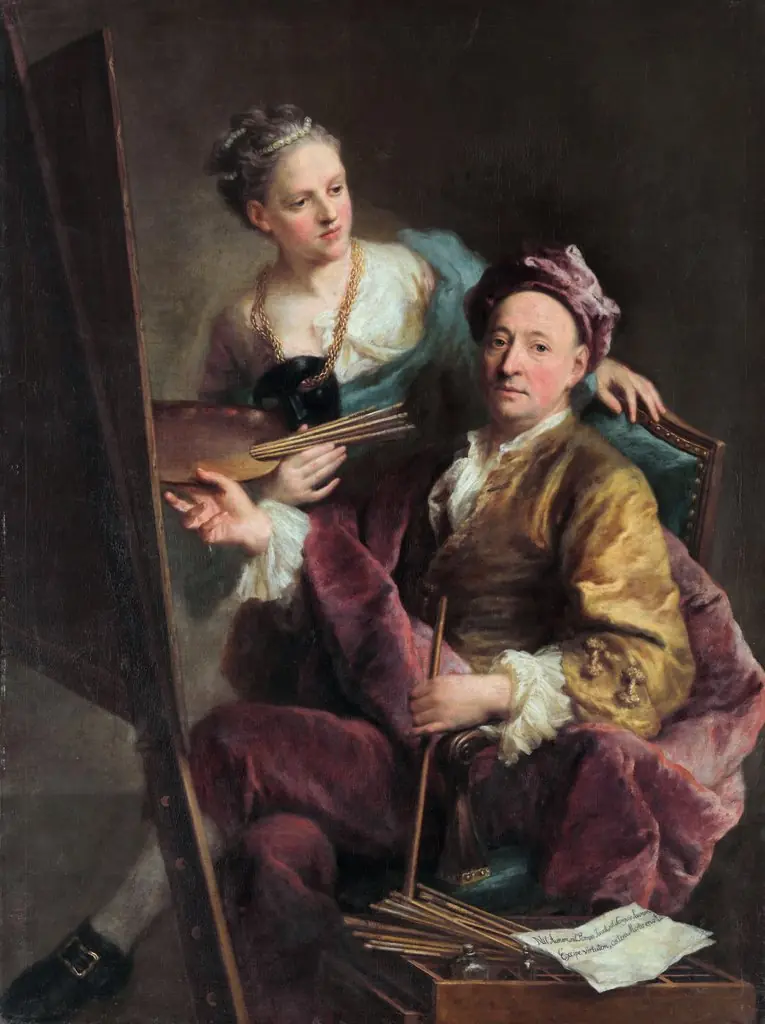
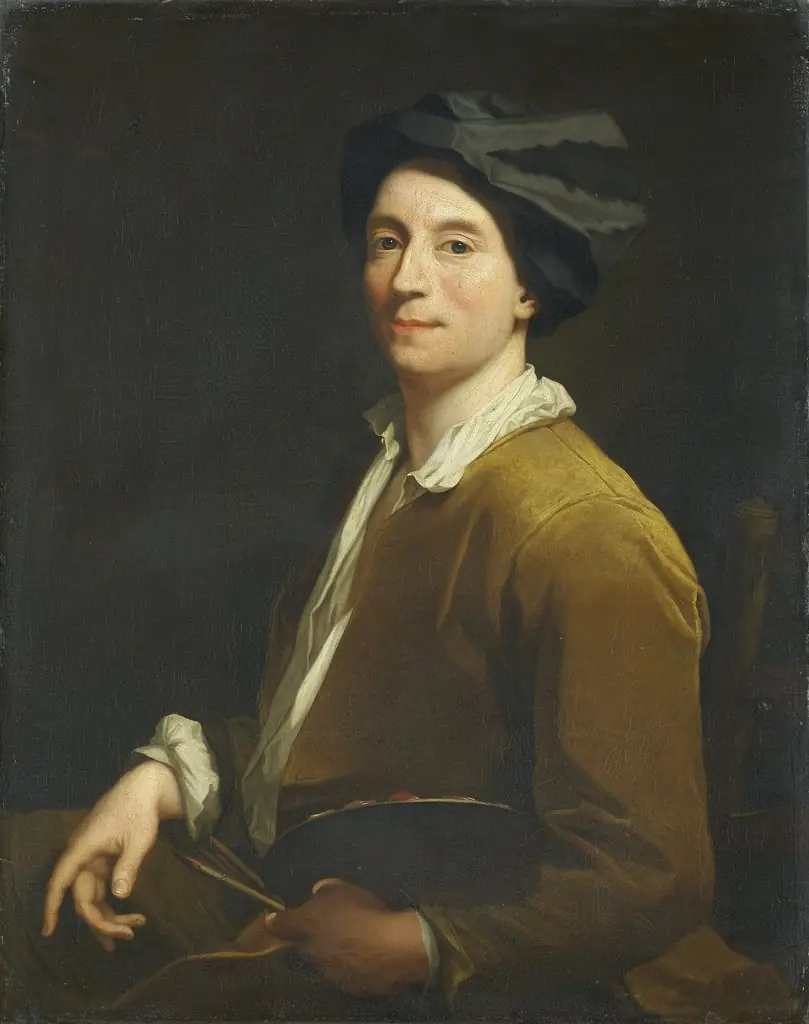
Portrait of the battle painter August Querfurt (1696-1761) is an oil painting by the Rococo painting artist Franz Sebald Unterberger. It dates from 1752 and is held in the collection of the Kunsthistorisches Museum.
About this work
Overview
It resides in the Kunsthistorisches Museum in Vienna, where it serves as a quiet testament to the professional identity of 18th-century artists.
Painted in 1752 by Franz Sebald Unterberger, this oil portrait captures August Querfurt, a German artist known for military scenes. The work is a restrained yet precise representation of a working painter, executed in the Rococo idiom with Baroque influences. It resides in the Kunsthistorisches Museum in Vienna, where it serves as a quiet testament to the professional identity of 18th-century artists.
Subject & Meaning
August Querfurt is depicted not as a nobleman or courtier, but as a craftsman engaged in his trade. His stained fingers and held palette emphasize his hands as tools of his profession. The absence of grandeur or allegory shifts focus to the dignity of labor. The portrait affirms the artist’s self-perception as a skilled practitioner, not merely a decorative figure in aristocratic circles.
Technique & Style
Unterberger employs chiaroscuro to isolate Querfurt’s face and hands against a deep, neutral background. The contrast enhances the tactile quality of skin and fabric, while the brushwork remains controlled and deliberate. The dark green coat and red hat provide subtle color accents without distraction. The lighting suggests a studio setting, reinforcing the intimacy of the artist’s daily reality.
History & Provenance
Commissioned during Querfurt’s lifetime, the portrait remained within Austrian collections and entered the Kunsthistorisches Museum’s holdings in the 19th century. Its preservation reflects early institutional interest in documenting artists’ likenesses. No significant alterations or repainting are recorded, and the surface remains largely intact, preserving Unterberger’s original intent.
Context
In mid-18th-century Central Europe, portraits of artists were uncommon unless they held court positions. Querfurt, a specialist in battle scenes, operated outside aristocratic patronage networks. This portrait thus stands as an atypical document of artistic self-representation, emerging from a cultural moment when professional identity was beginning to supersede social rank in artistic depiction.
Legacy
The portrait offers a rare glimpse into the visual culture of non-noble artists in the Baroque-Rococo transition. It influenced later depictions of artists as thinkers and artisans, rather than mere decorators. Though Unterberger is less known today, this work endures as a quiet milestone in the evolving recognition of the artist’s personal and professional autonomy.
Own this work as a print
Artist & collection
Artist
Franz Sebald Unterberger, or Unterperger (1 August 1706 – 23 January 1776) was a South Tyrolean painter in the Baroque style.