Artwork
Der Hallstätter See
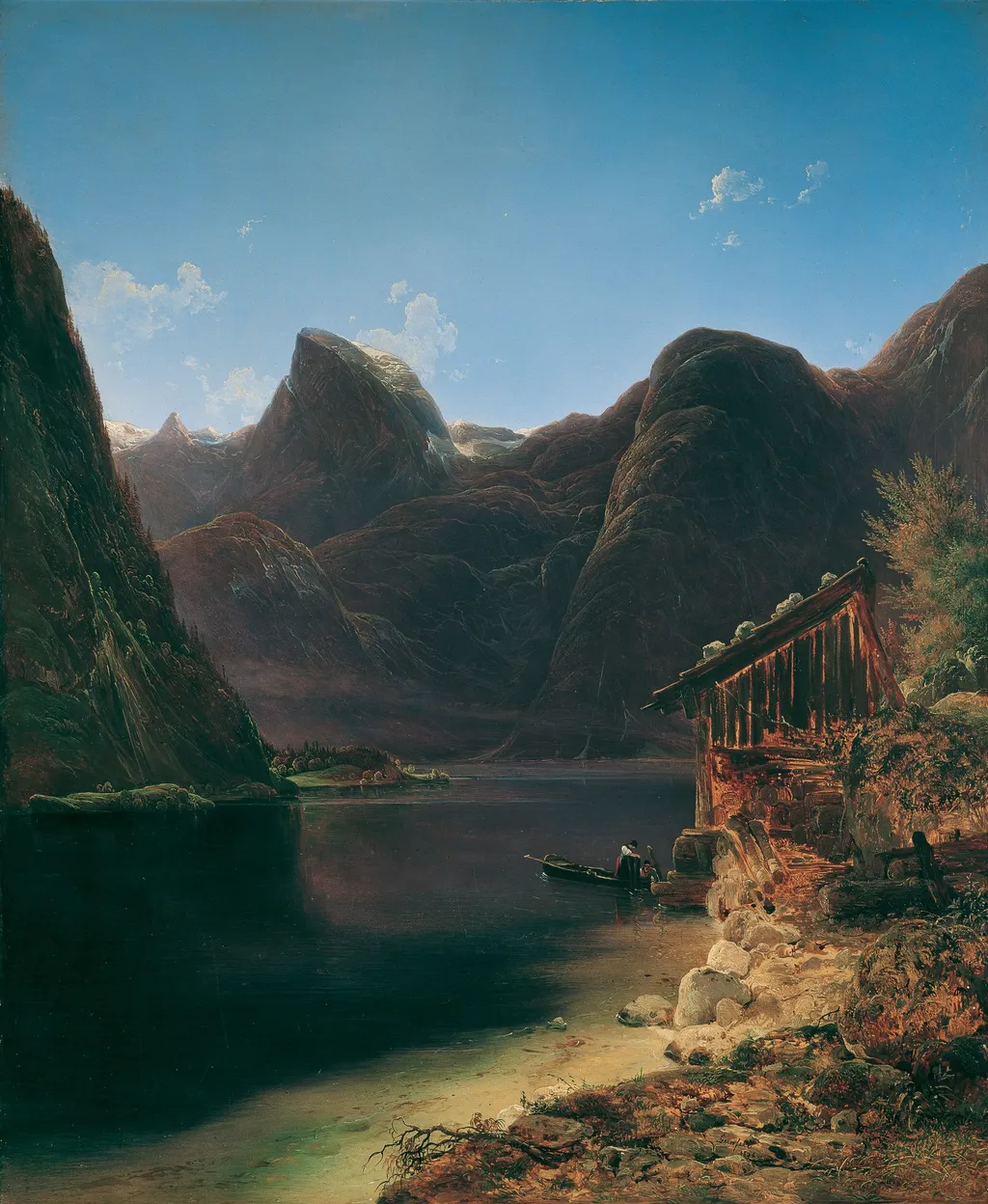
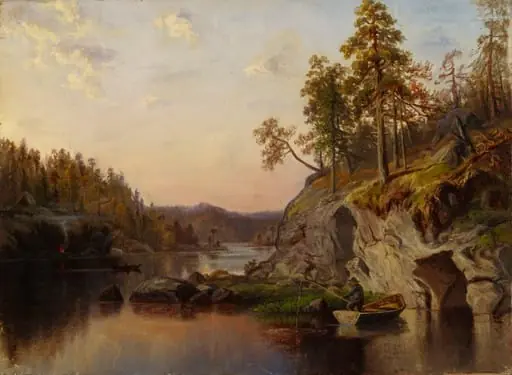
Der Hallstätter See is an oil painting by Franz Steinfeld. It dates from 1834 and is held in the collection of the Kunsthistorisches Museum.
About this work
Overview
Franz Steinfeld the Younger painted *Der Hallstätter See* in 1834, capturing a quiet lakeside scene in Austria’s Salzkammergut region. Executed in oil on canvas, the work reflects his focus on topographically accurate alpine views. It is part of the Kunsthistorisches Museum’s permanent collection, where it stands as a representative example of 19th-century Austrian landscape painting.
Subject & Meaning
The painting presents a tranquil view of Hallstatt Lake, with a modest wooden structure—likely a storage shed or dwelling—nestled along the shore. Its placement anchors the composition without dominating it. The still water, distant peaks, and soft clouds suggest a contemplative mood, emphasizing harmony between human presence and the natural environment rather than narrative or symbolism.
Technique & Style
Cool blues and grays define the mountains and sky, while warm browns and greens ground the foreground with foliage and timber.
Steinfeld employed subtle gradations of color to distinguish air, water, and rock. Cool blues and grays define the mountains and sky, while warm browns and greens ground the foreground with foliage and timber. Brushwork is precise yet unobtrusive, favoring clarity over dramatic texture. Light is evenly distributed, avoiding strong chiaroscuro, which reinforces the scene’s calm, uneventful atmosphere.
History & Provenance
Created during a period of growing interest in Austrian natural heritage, the painting entered the Kunsthistorisches Museum’s holdings in the 19th century. Its acquisition aligns with the museum’s broader effort to document regional artistic traditions. No significant changes in ownership are recorded, suggesting it remained within Austrian cultural institutions since its completion.
Context
In the 1830s, Austrian artists increasingly turned to local landscapes as subjects worthy of serious depiction, moving away from idealized classical scenery. Steinfeld’s work reflects this shift, contributing to a national visual identity rooted in the Alps. His attention to specific locations, like Hallstatt, supported emerging regional pride and early tourism interests in the empire’s mountainous areas.
Legacy
Though not widely known outside Austria, Steinfeld’s paintings, including *Der Hallstätter See*, helped establish a precedent for topographical realism in Austrian landscape art. His method of recording place with quiet fidelity influenced later regional painters and remains a reference for studies of 19th-century Austrian environmental representation.
Own this work as a print
Artist & collection
Artist
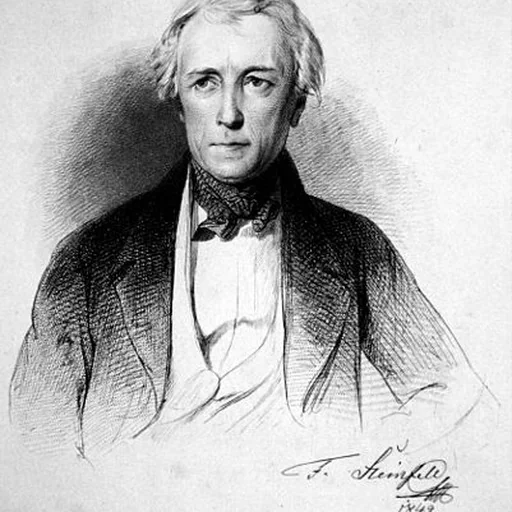
Franz Steinfeld (26 March 1787 – 5 November 1868) was an Austrian landscape painter. He is often referred to as "The Younger", to distinguish him from his father, also named Franz (1750–1832), who was a sculptor.

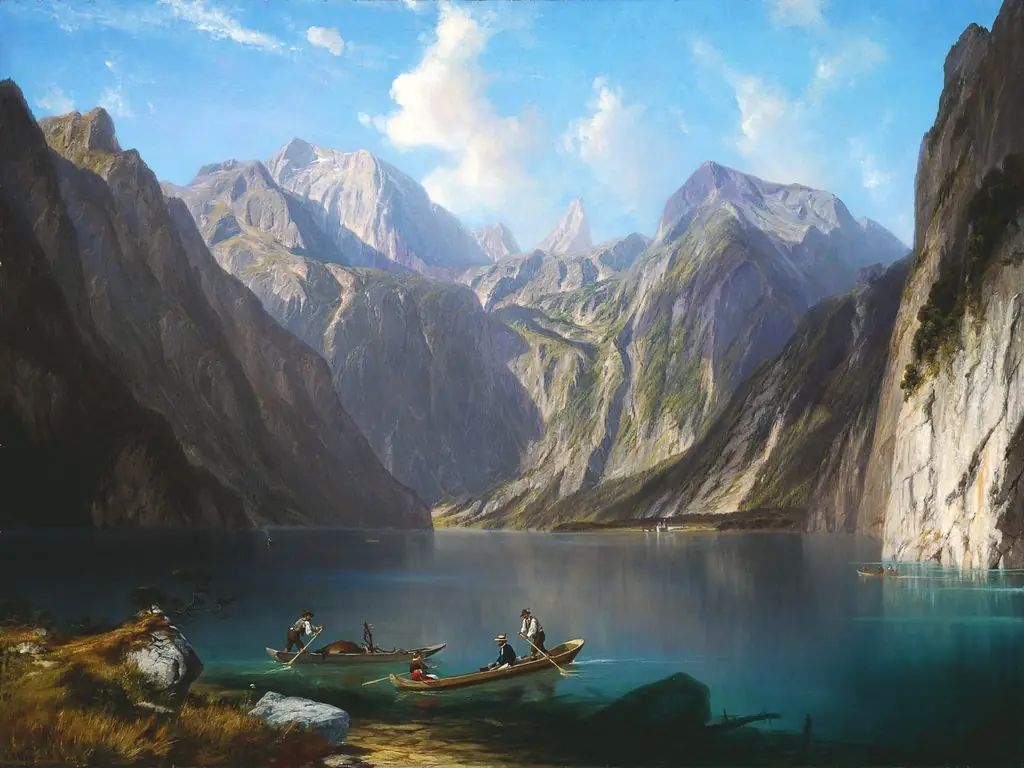 Konigsee
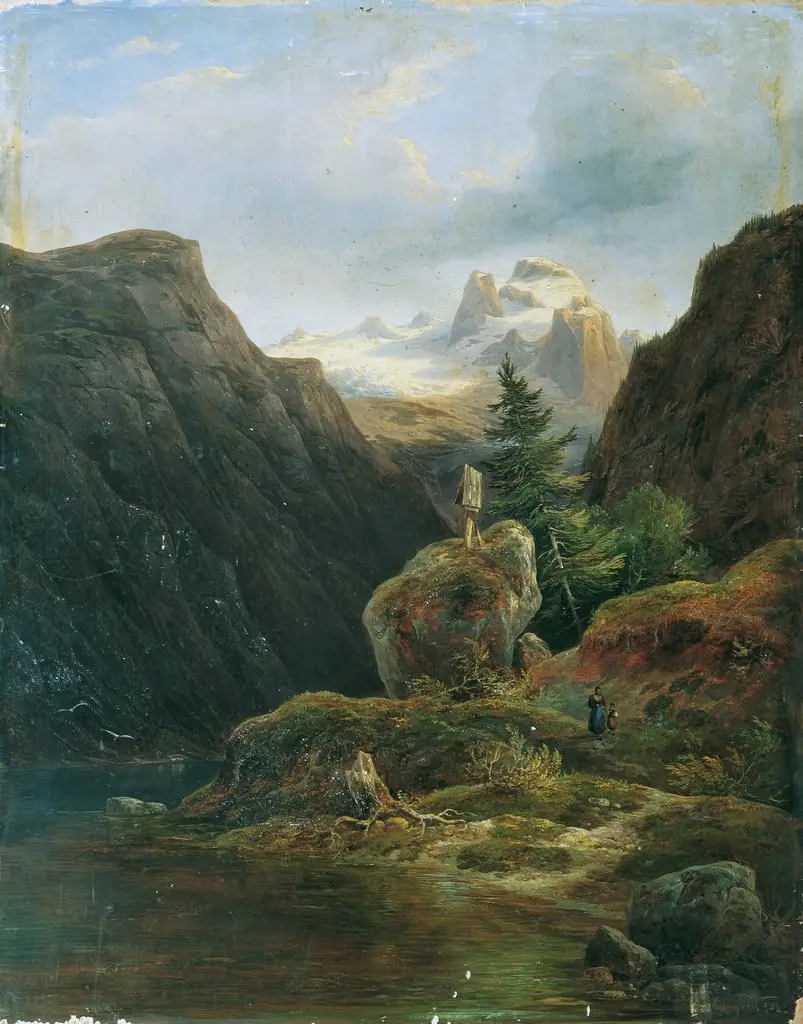 Vorderer Gosausee against Dachstein
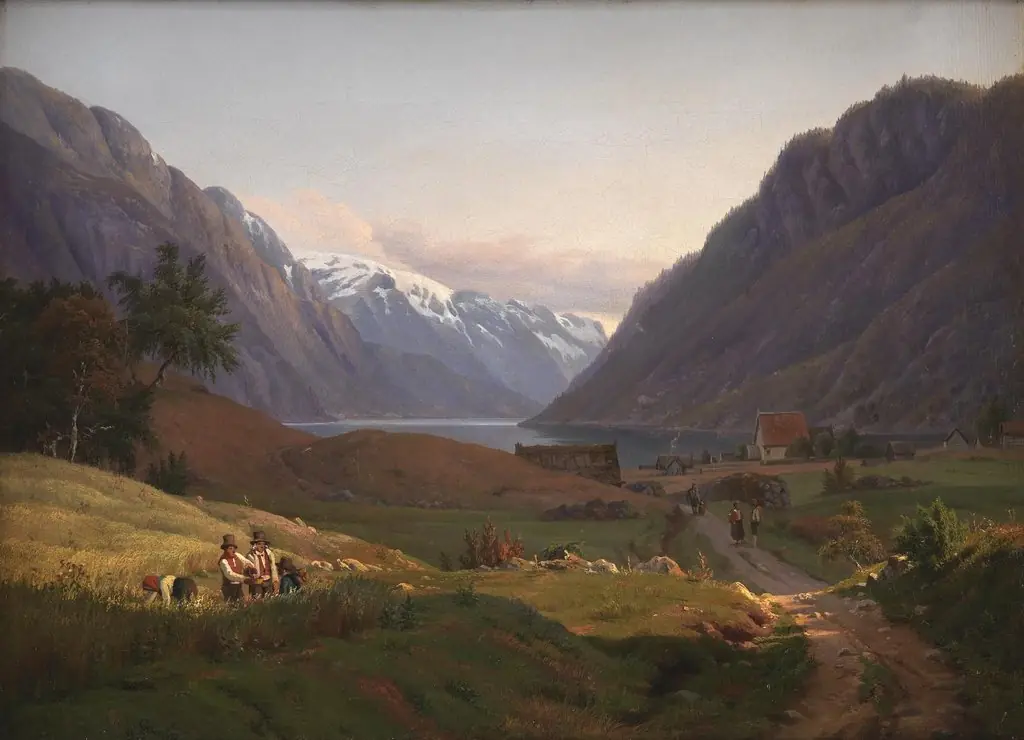 View of Odda at the Sør Fjord in Hardanger, Norway. Morning Light
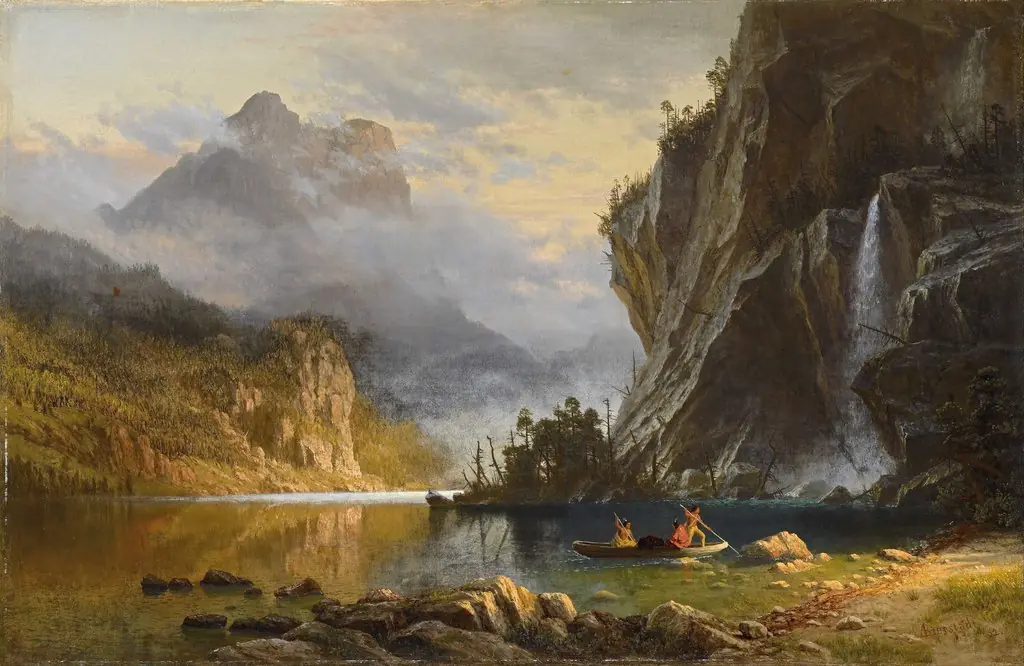 Indians Spear Fishing
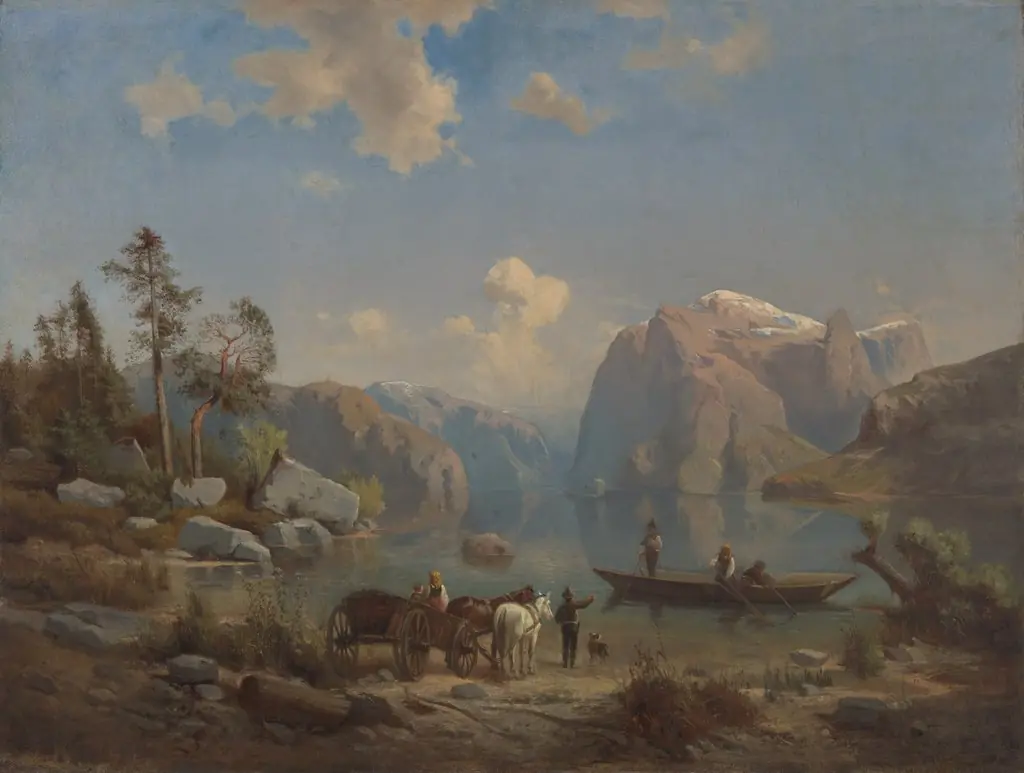 Mountain Landscape with a Lake
 Vierwaldstätter See -järven rantamaisema
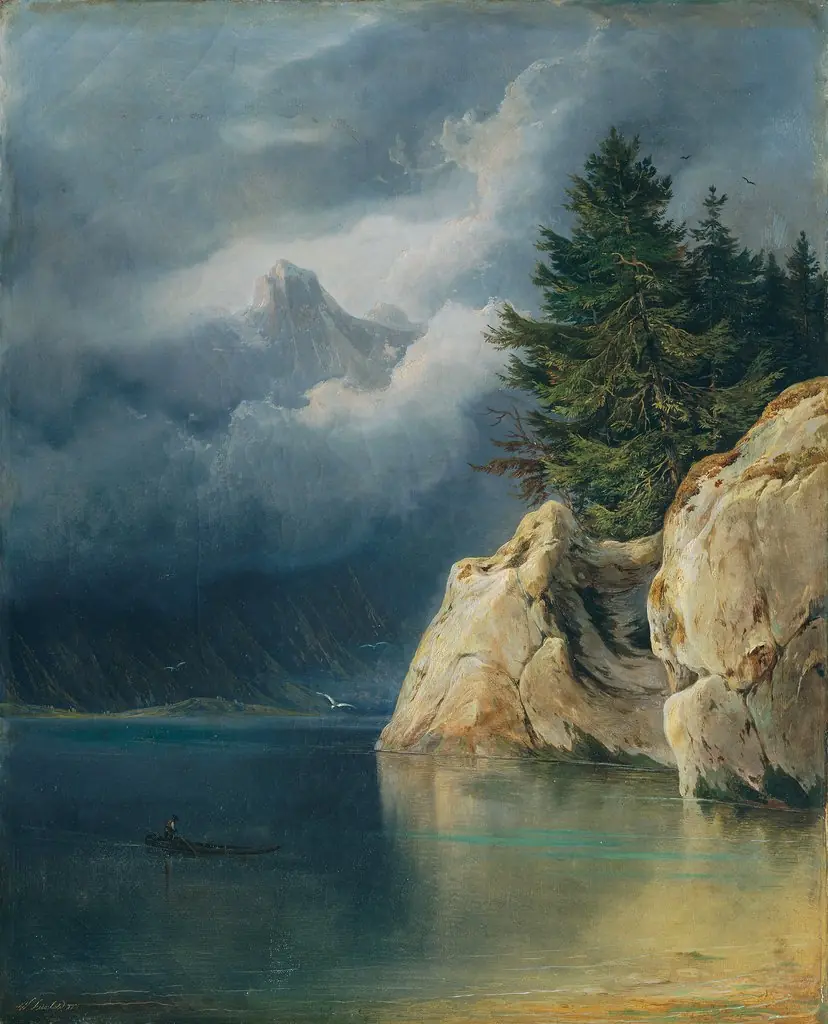 Gebirgssee
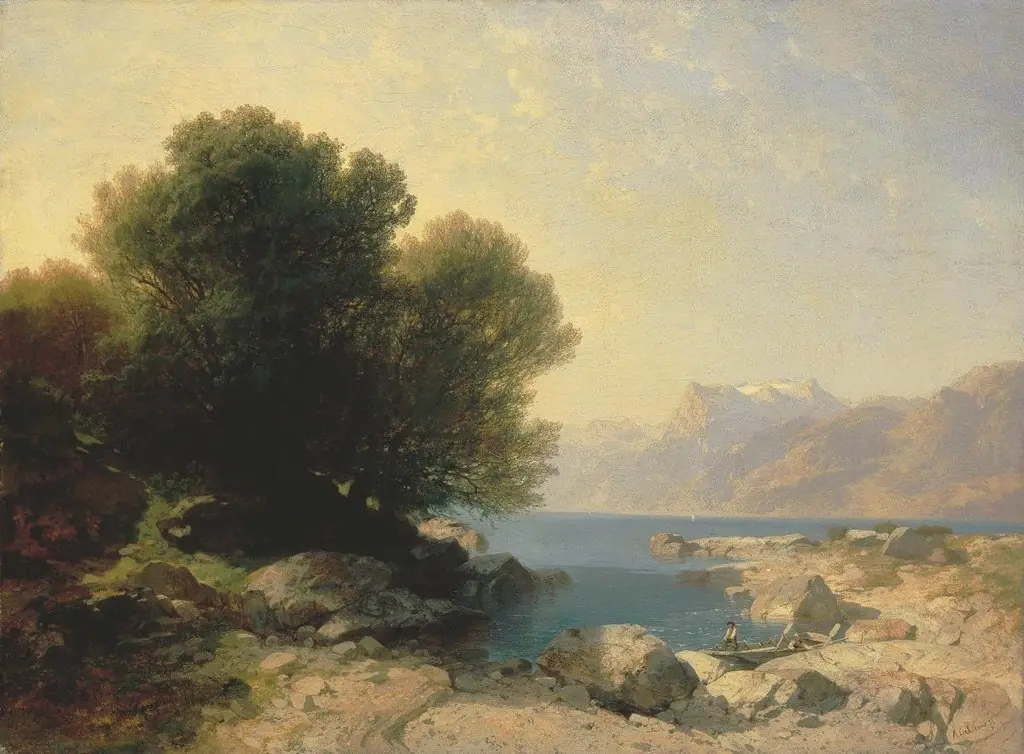 Lac des Quatre-Cantons, vers Brunnen
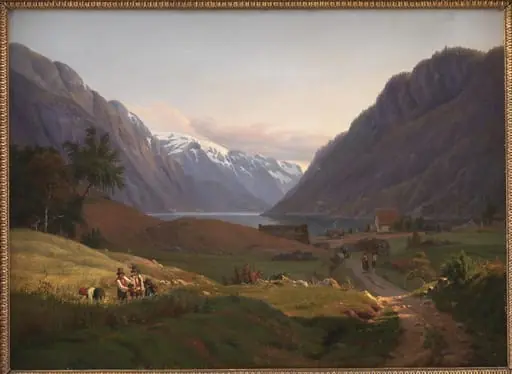 View of Odda at the Sør Fjord in Hardanger, Norway. Morning Light
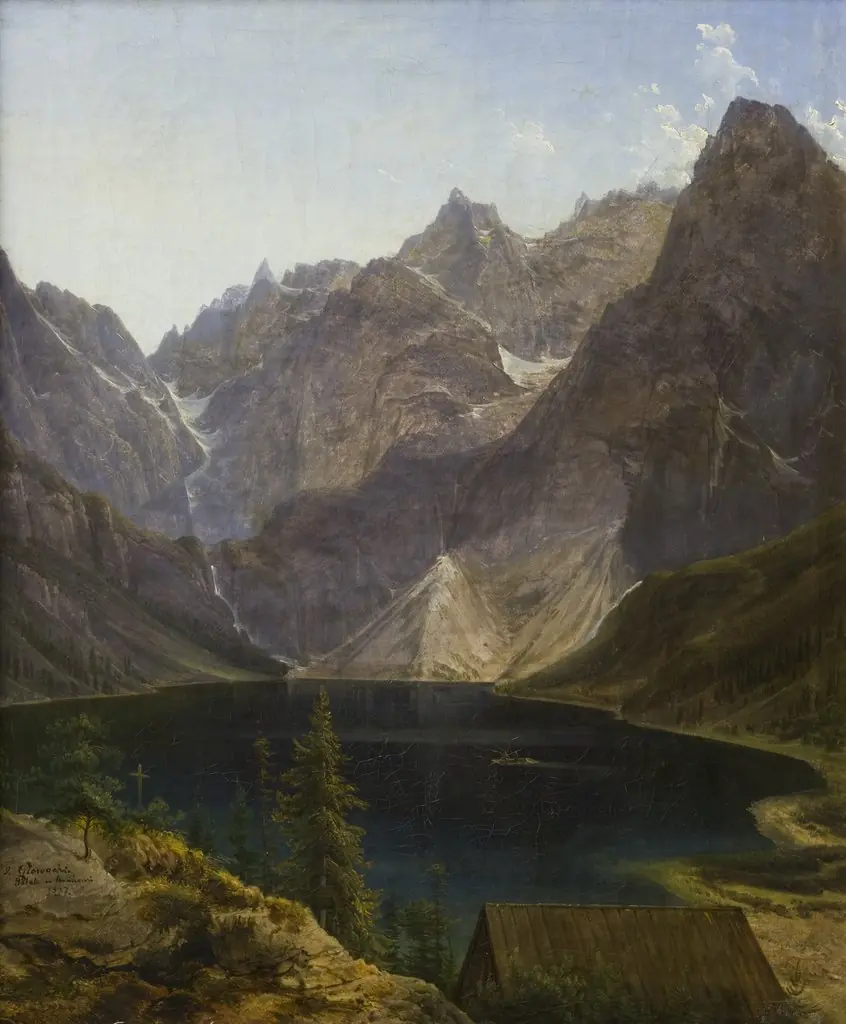 The Morskie Oko Lake in the Tatra Mountains
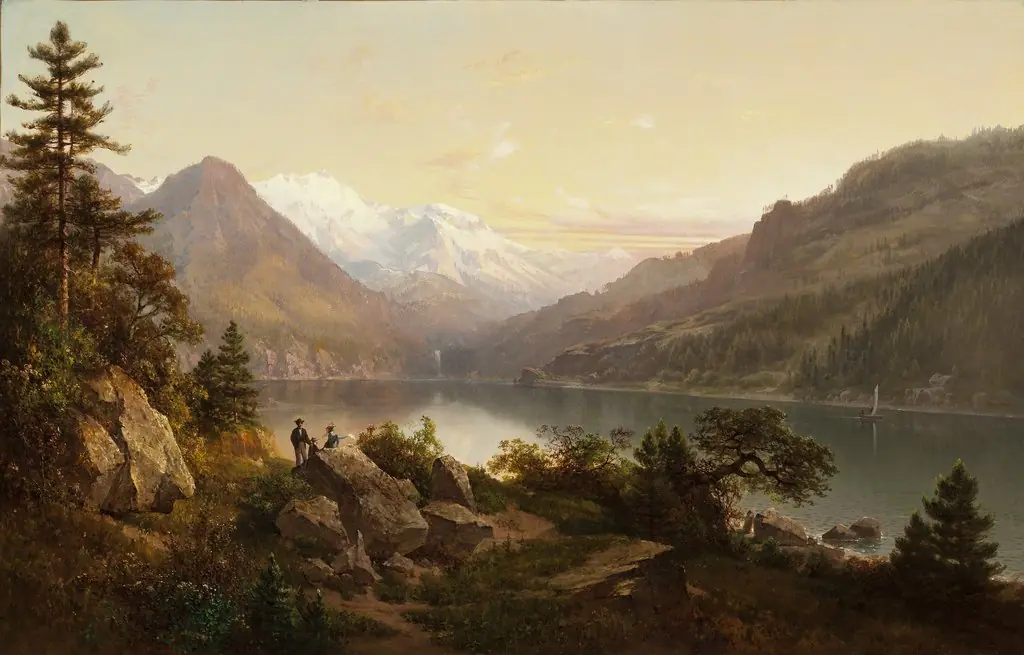 Emerald Bay, Lake Tahoe
 Maisema Hämeestä