Artwork
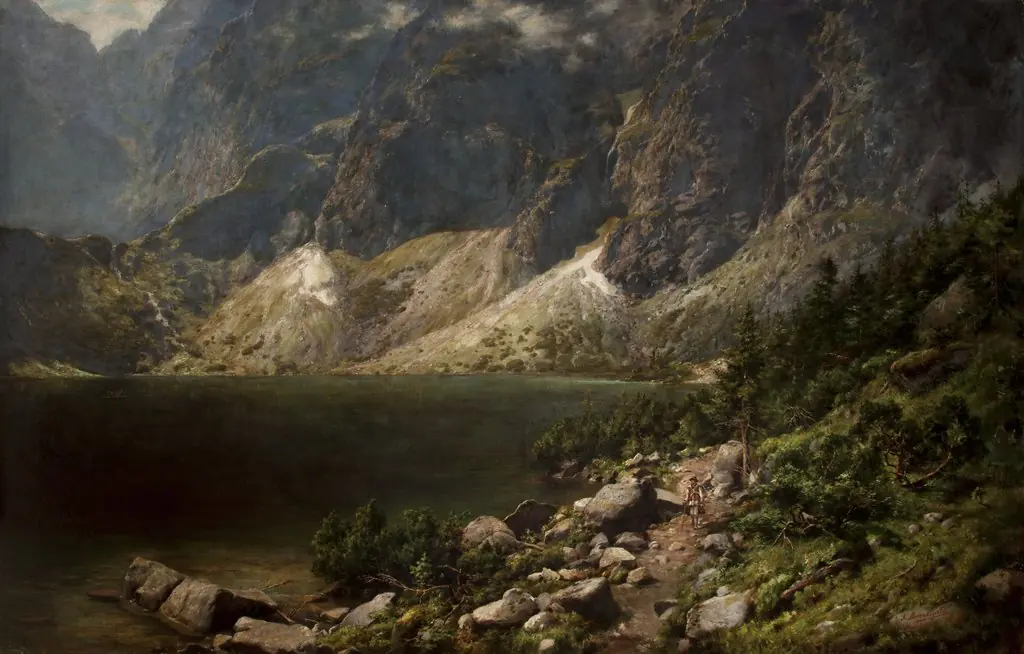
The Morskie Oko Lake in the Tatra Mountains
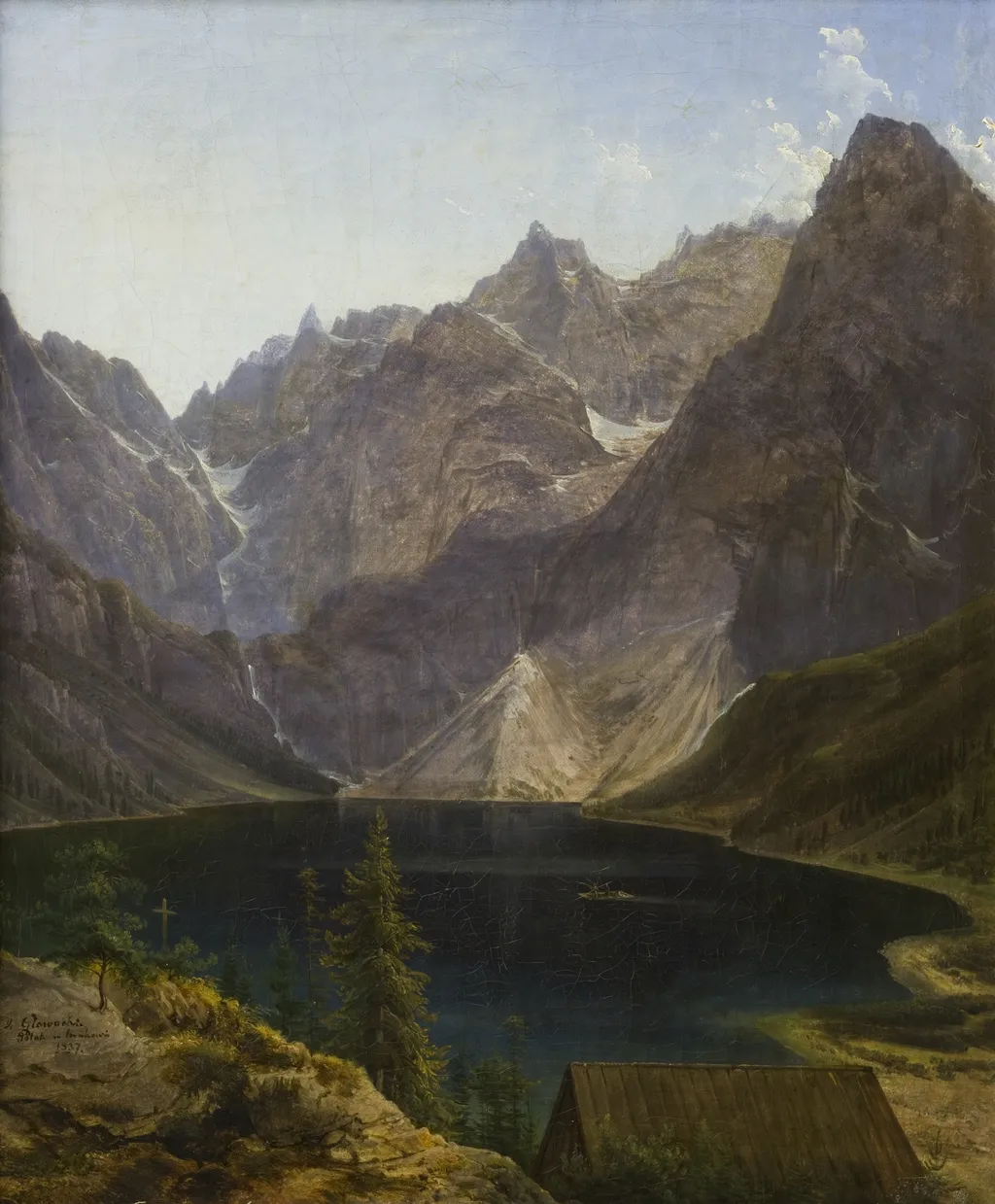
The Morskie Oko Lake in the Tatra Mountains is an oil painting by Jan Nepomucen Głowacki. It dates from 1837 and is held in the collection of the National Museum in Kraków.
About this work
Overview
The Morskie Oko Lake in the Tatra Mountains is an 1837 oil painting by Jan Nepomucen Głowacki, a prominent Polish realist painter of the Romantic era. The work captures a serene view of Morskie Oko, a glacial lake in the Tatra Mountains, and is part of the National Museum in Kraków's collection.
Subject & Meaning
The painting depicts Morskie Oko, a glacial lake in the Tatra Mountains, conveying a sense of natural harmony. The lake's reflective surface mirrors the surrounding peaks, emphasizing symmetry and tranquility. Foreground elements, including a wooden structure and trees, add depth to the composition.
Technique & Style
Głowacki's use of oil paint achieves a captivating atmosphere through thoughtful color and light management. The balanced composition guides the viewer's gaze towards the majestic mountains, blending realist detail with Romantic-era emotional resonance.
History & Provenance
Created in 1837, the painting is the work of Jan Nepomucen Głowacki, who trained at various European academies before returning to Kraków in 1828. It is now held in the National Museum in Kraków's collection.
Context
As a leading Polish realist painter of his time, Głowacki's work reflects the Romantic era's emphasis on natural beauty. This painting showcases his ability to capture the unique landscapes of his native country.
Legacy
While specific legacy details of *The Morskie Oko Lake* are not provided, as a work by Głowacki, it contributes to the broader appreciation of Polish Romantic-era landscape painting and the artist's standing as a notable figure in this period.
Own this work as a print
Artist & collection
Artist
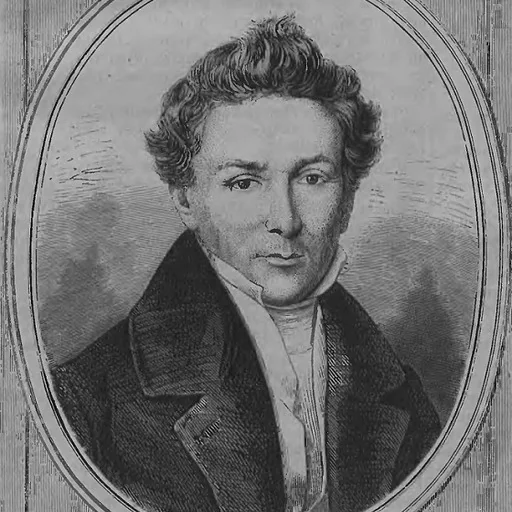
Jan Nepomucen Głowacki (1802 – July 28, 1847) was a Polish realist painter of the Romantic era, regarded as the most outstanding landscape painter of the early 19th century in Poland under the foreign partitions.

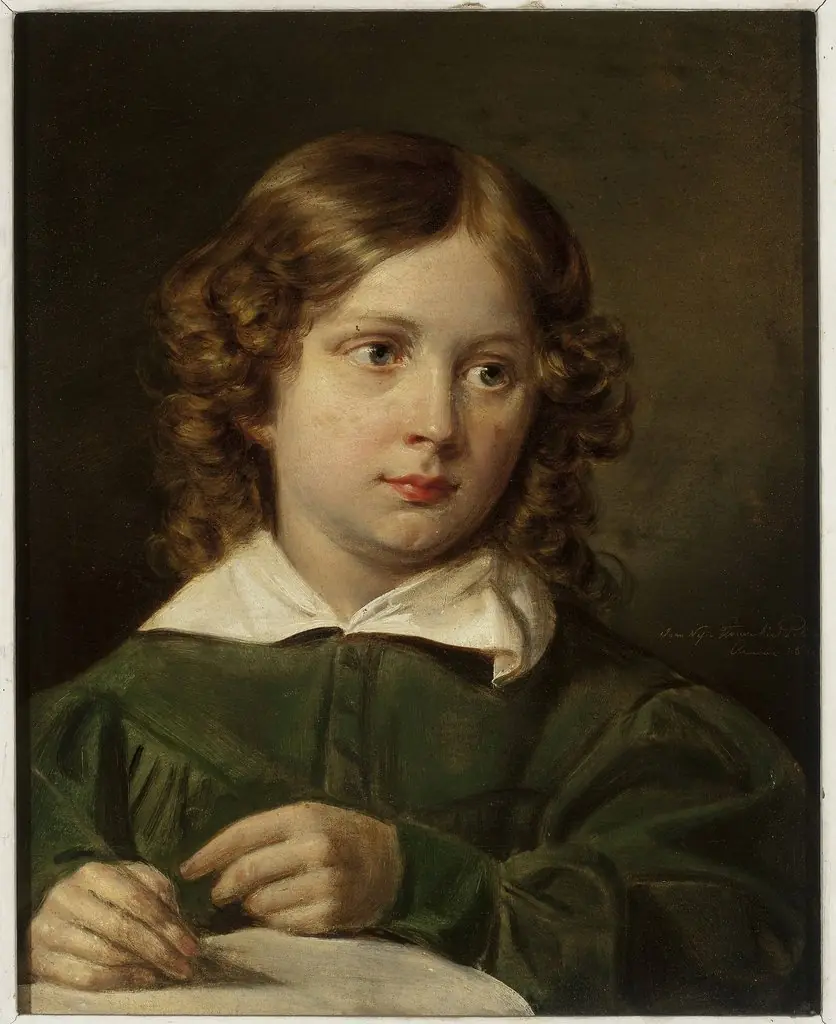 Portrait of a writing child
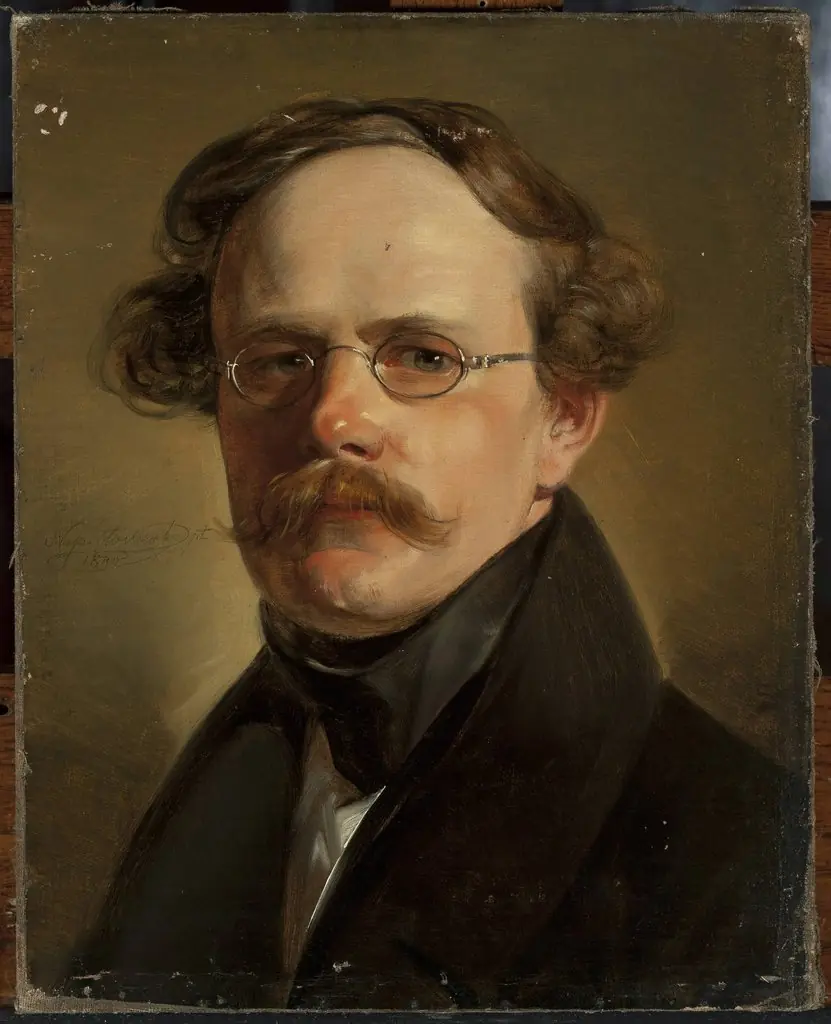 Portrait of Antoni Paszyc, colonel
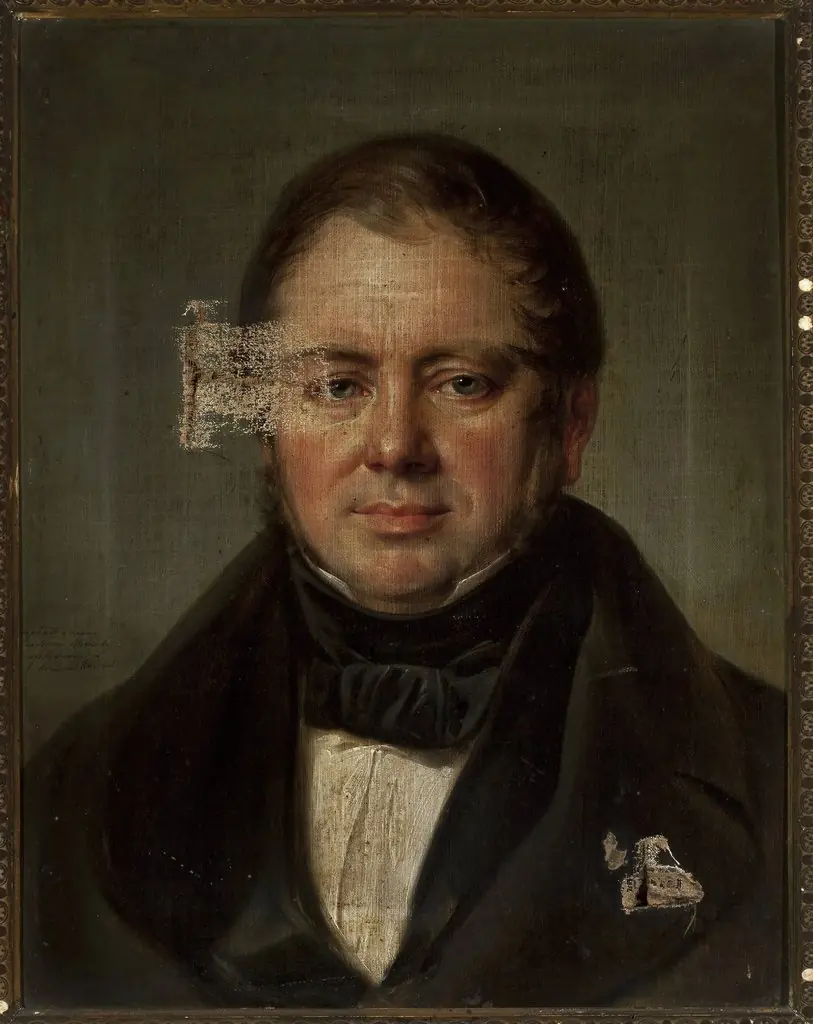 Portrait of Mikołaj Tyrchowski, rector at St. Anne's Secondary School in Kraków
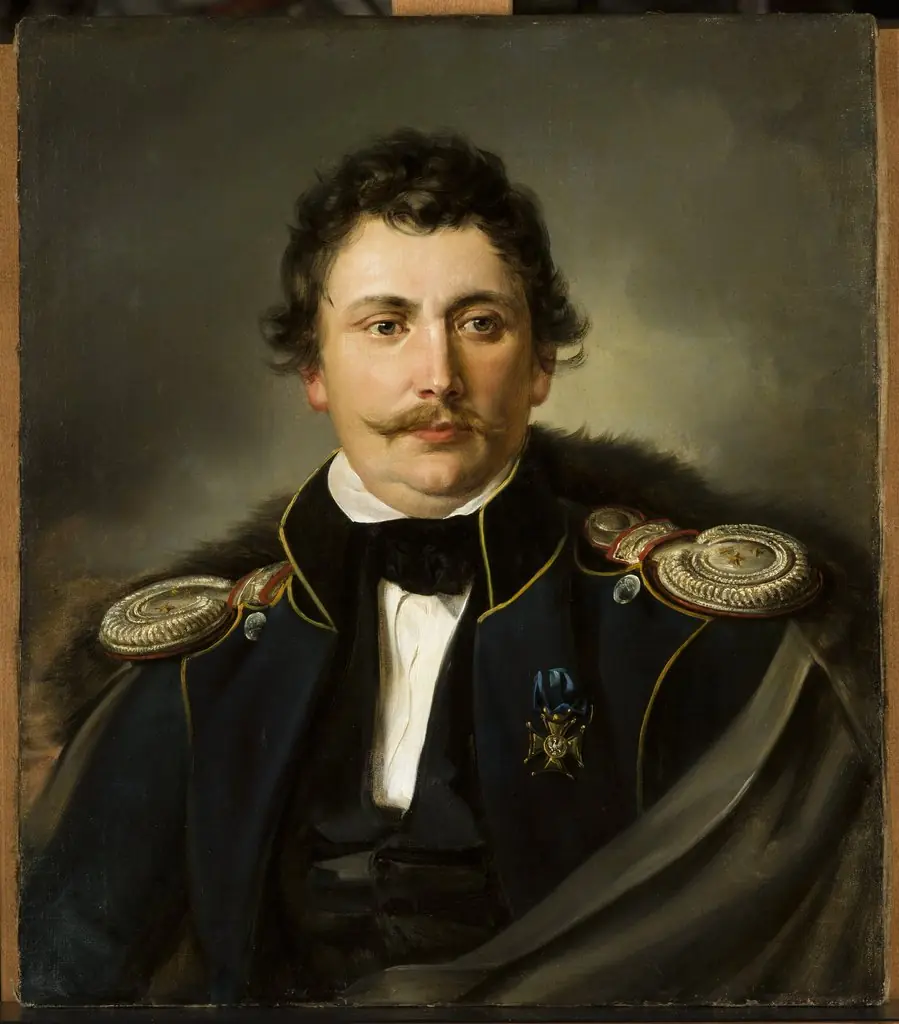 Portrait of Józef Patelski
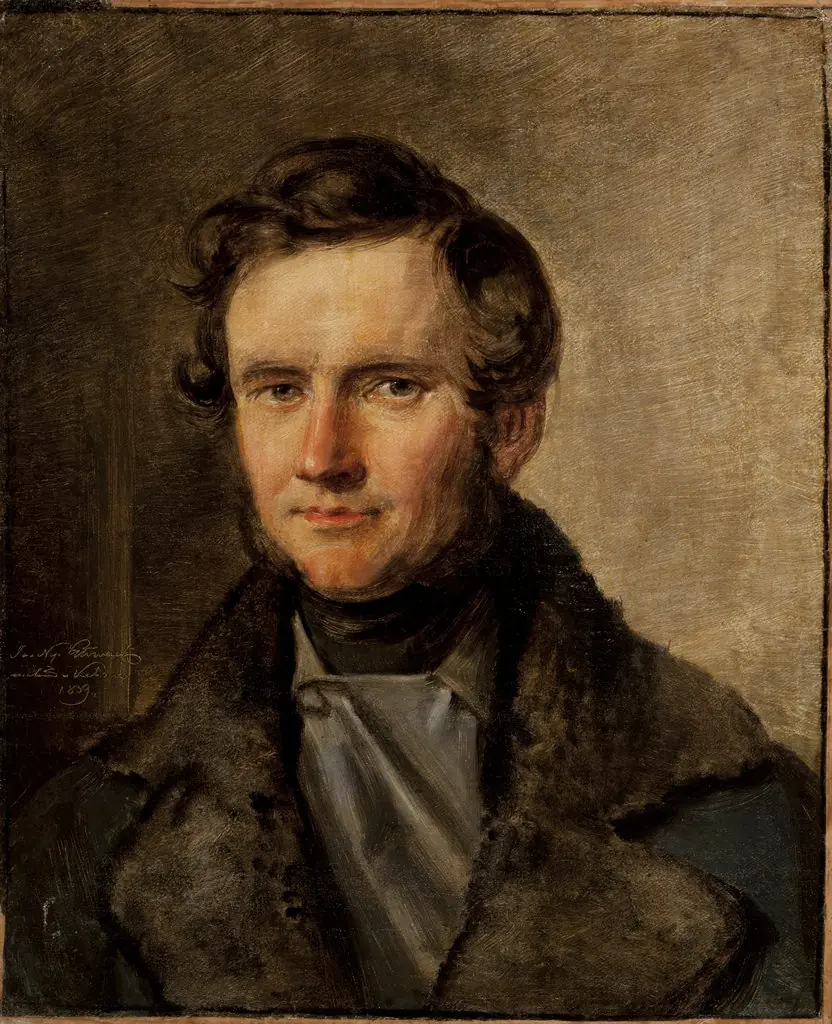 Portrait of Eng. Maciej Bajer
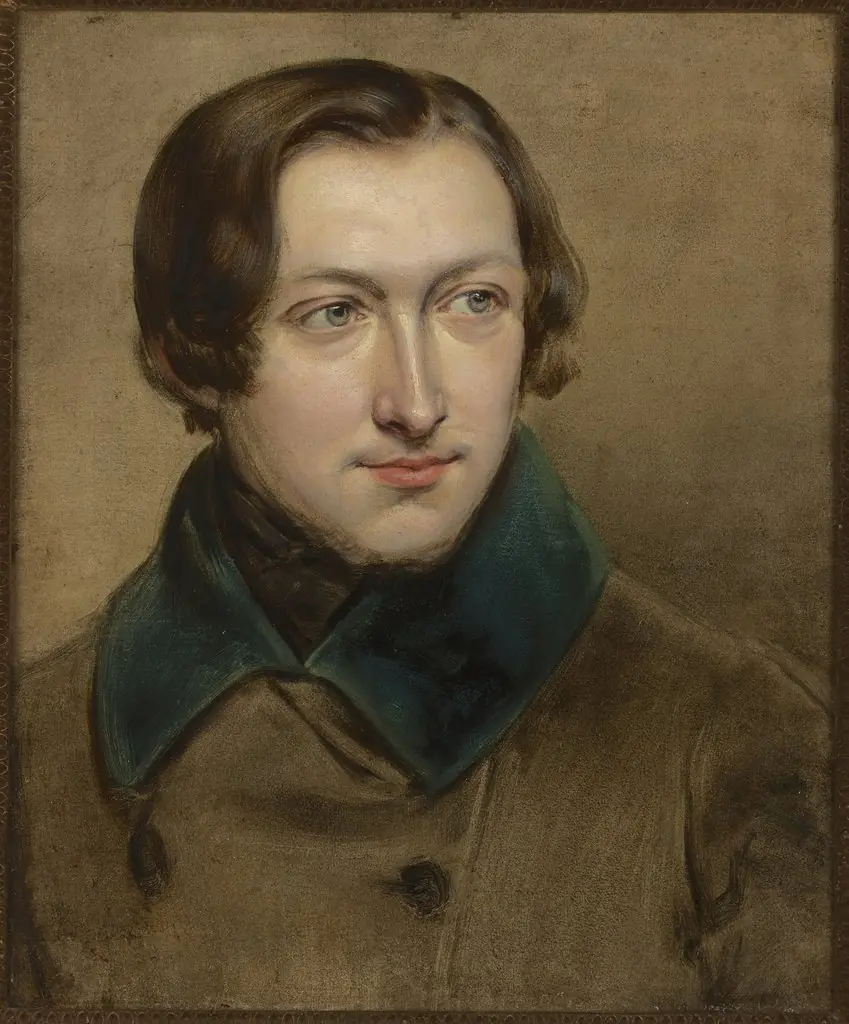 Portrait of Aleksander Płonczyński
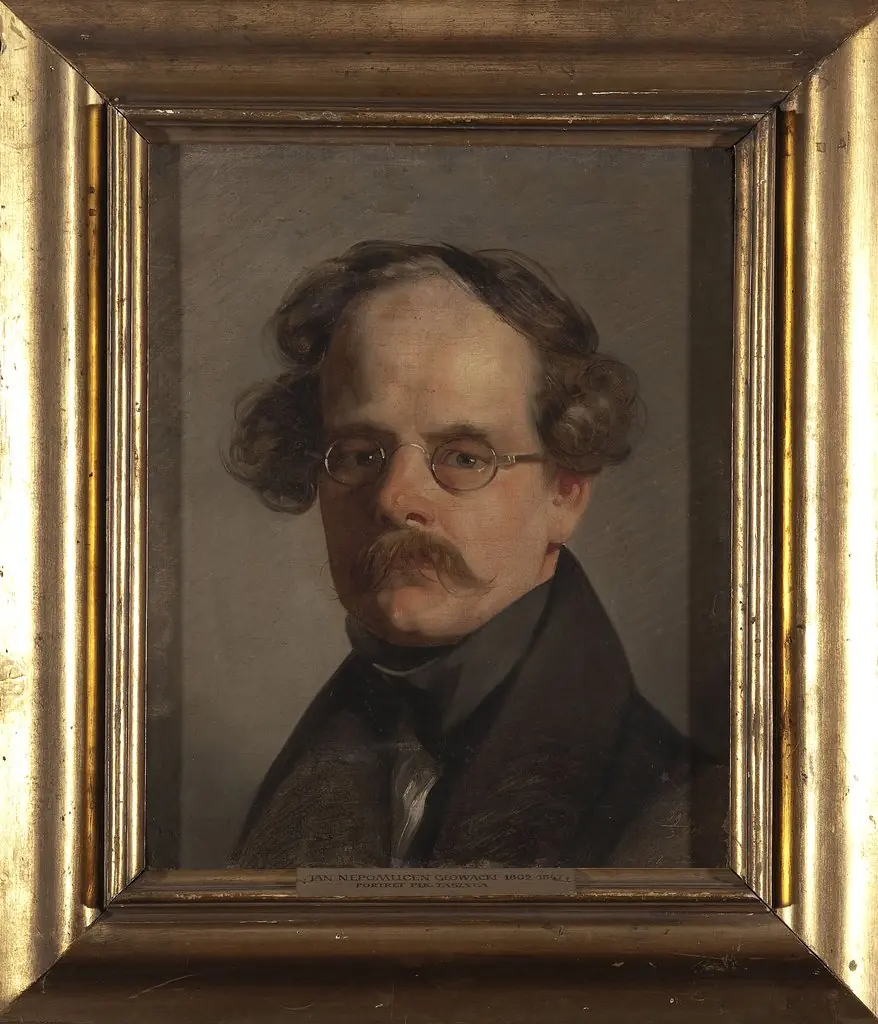 Portrait of Antoni Paszyc, colonel
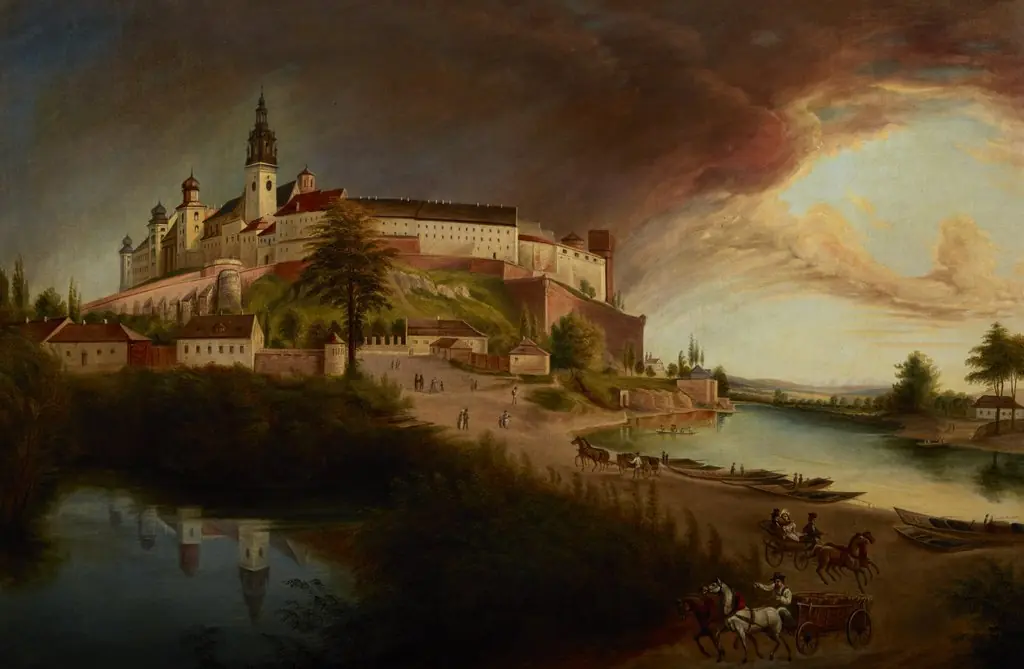 "View of Wawel" by Jan Nepomucen Głowacki