Artwork
St. John of Matha and St. Felix of Valois Ransoming Christian Slaves
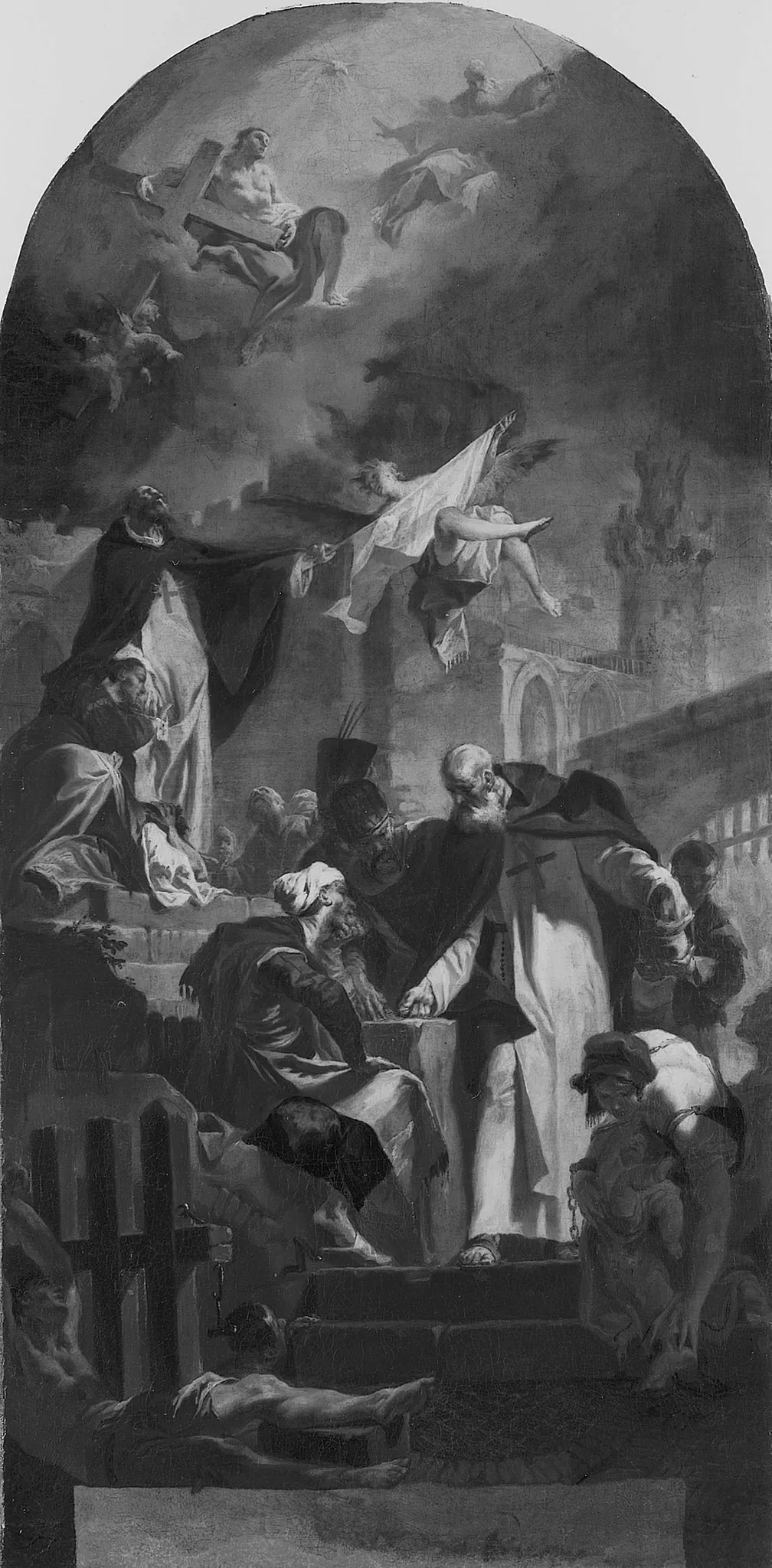
St. John of Matha and St. Felix of Valois Ransoming Christian Slaves is an oil painting by the Rococo painting artist Franz Xavier Karl Palko. It dates from 1745 and is held in the collection of the Art Institute of Chicago. Painted in 1745 by Franz Xaver Karl Palko, this oil work depicts a moment of religious intervention: the liberation of Christian captives.
About this work
Overview
The composition centers on two saints engaged in a solemn transaction, framed by a bustling urban setting that grounds the scene in tangible reality.
Painted in 1745 by Franz Xaver Karl Palko, this oil work depicts a moment of religious intervention: the liberation of Christian captives. Palko, a Silesian artist known for devotional subjects, executed the piece during the Rococo era, though his approach leans toward dramatic clarity rather than the period’s typical lightness. The composition centers on two saints engaged in a solemn transaction, framed by a bustling urban setting that grounds the scene in tangible reality.
Subject & Meaning
The painting illustrates St. John of Matha and St. Felix of Valois, founders of the Trinitarian Order, mediating the ransom of enslaved Christians. Their presence signifies divine intervention in human suffering, while the captives’ postures convey vulnerability and hope. The large cross held by one saint underscores the spiritual authority behind the act. The scene does not idealize liberation but presents it as a solemn, hard-won mercy, aligning with the order’s mission of redemption through sacrifice.
Technique & Style
Palko employs chiaroscuro to heighten emotional weight, with sharp contrasts between light and shadow defining the figures’ garments and faces. The folds of the saints’ robes are rendered with precision, suggesting texture and movement, while the background remains loosely suggested to focus attention on the central interaction. Facial expressions are carefully modeled to communicate anguish and resolve, avoiding theatricality in favor of restrained intensity.
History & Provenance
Commissioned likely for a Trinitarian church or monastery, the painting reflects the order’s active role in ransom missions across the Mediterranean during the 17th and 18th centuries. Palko’s documented work in Silesia and Central Europe suggests the piece may have been intended for a regional religious community. Its survival into the modern era indicates continued veneration, though its exact early ownership remains unrecorded in public archives.
Context
In mid-18th-century Europe, religious orders like the Trinitarians were still engaged in rescuing captives taken by Ottoman forces and North African raiders. Art served as both devotion and propaganda, reinforcing the moral duty of redemption. Palko’s painting fits within a broader tradition of Counter-Reformation imagery, where saints were depicted as active agents of grace, responding to contemporary fears of enslavement and spiritual loss.
Legacy
Though Palko is not widely known outside regional art histories, this work endures as a clear example of how religious orders used visual culture to affirm their mission. Its restrained drama and focus on human dignity distinguish it from more ornate Rococo devotional works. The painting remains a quiet testament to the persistence of charitable institutions in an era of geopolitical instability and human vulnerability.
Artist & collection
Artist
Franz Xaver Karl Palko (3 March 1724 – c. 1767) was a Silesian painter; known primarily for religious scenes, although he also did portraits and engravings.

 Christus am Ölberg
 The Presentation in the Temple
 The arrival of Cardinal Wolsey at Leicester Abbey, 1530
 The Fall of Simon Magus
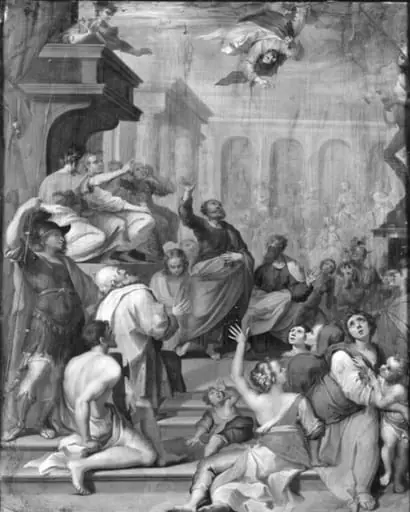 The Fall of Simon Magus
 Ludwig IX. der Heilige
 The Adoration of the Blessed Sacrament by the Ecclesiastical Hierarchy
 Sermon by St Ignatius of Loyola
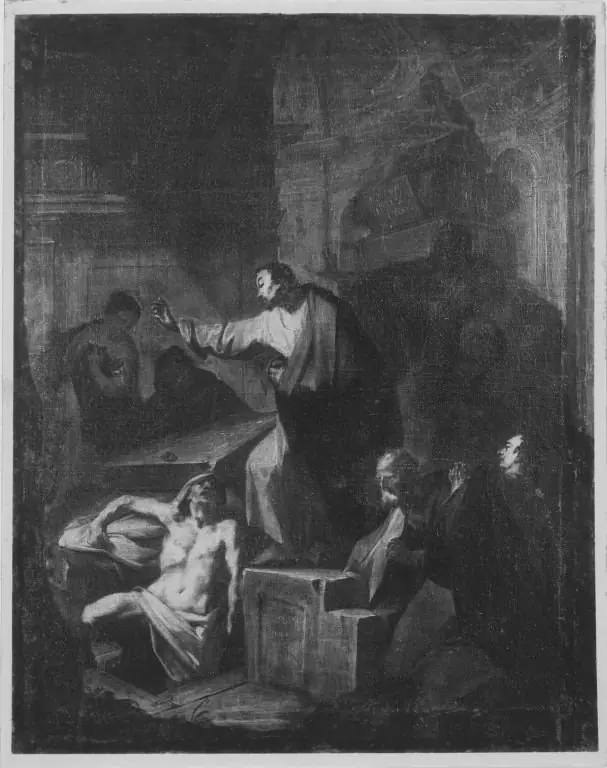 Auferweckung des Lazarus
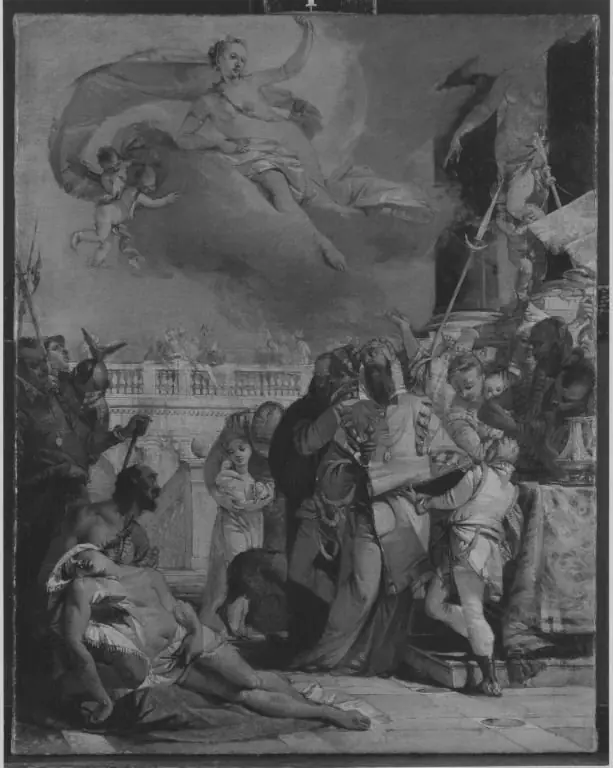 Opferung der Iphigenie
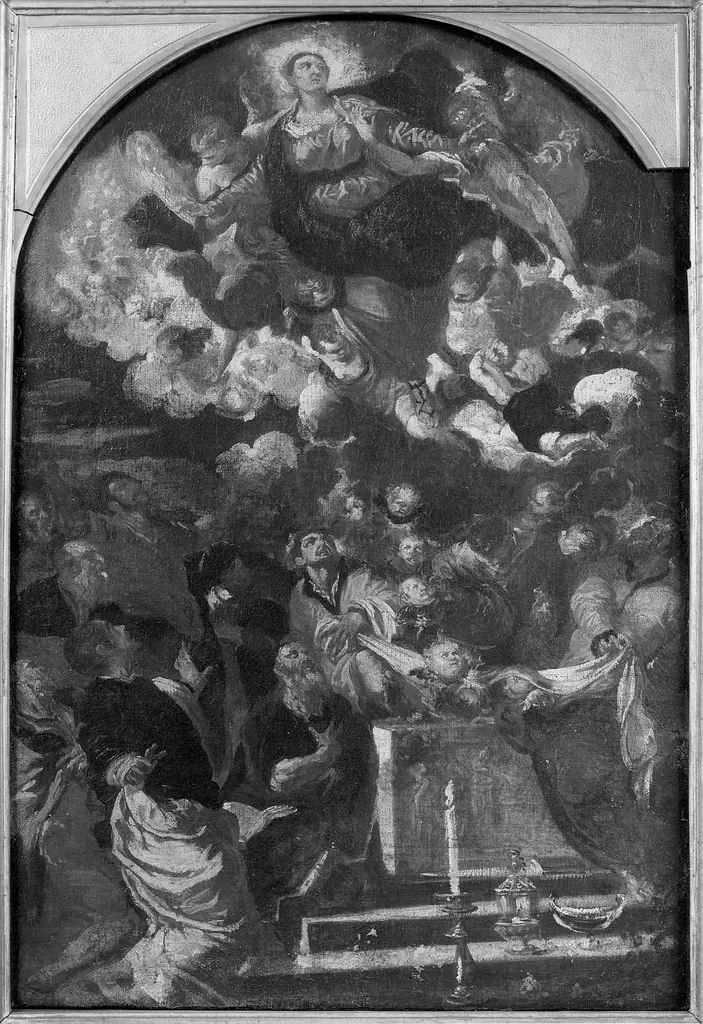 The Assumption of the Virgin
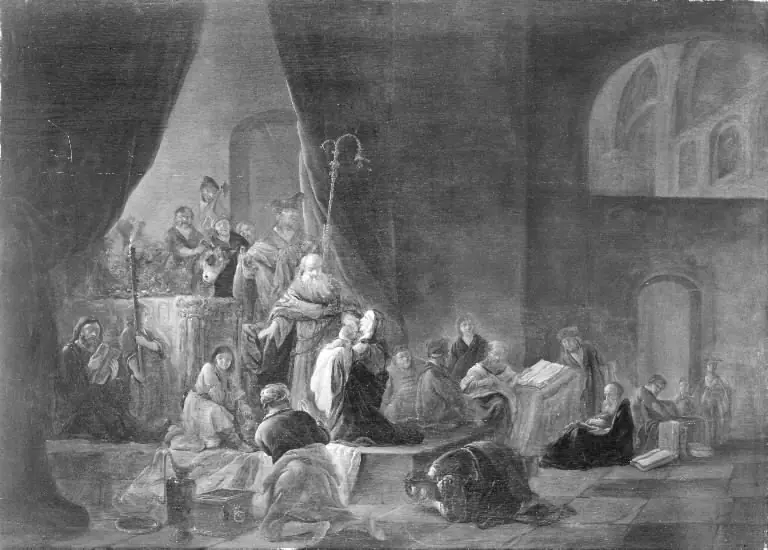 The Presentation in the Temple