Artwork
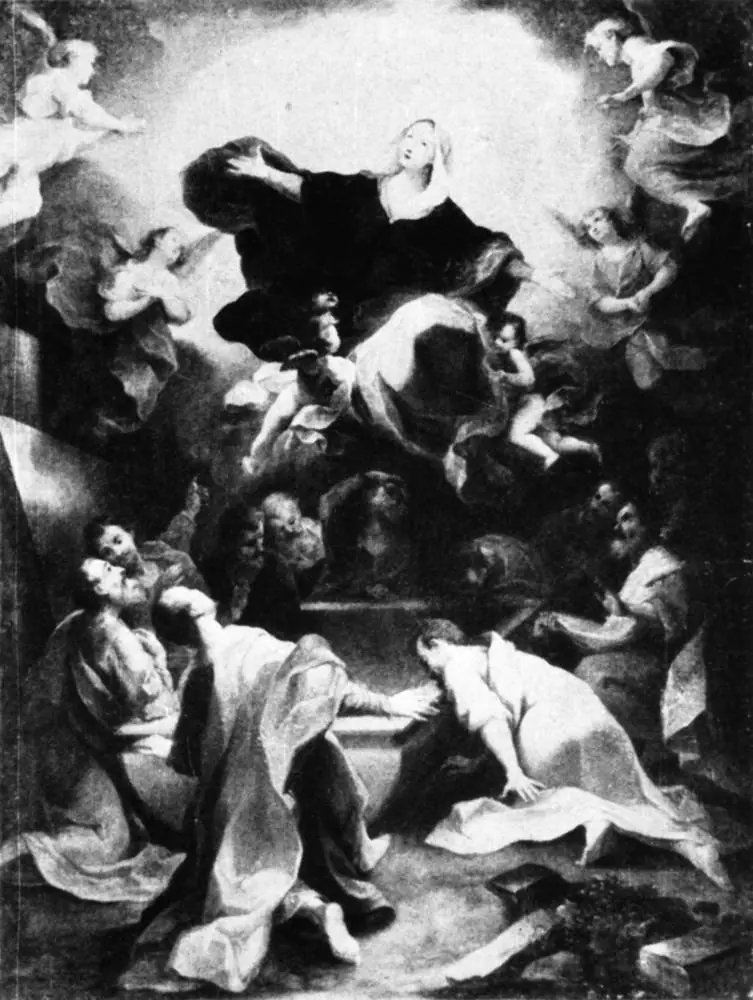
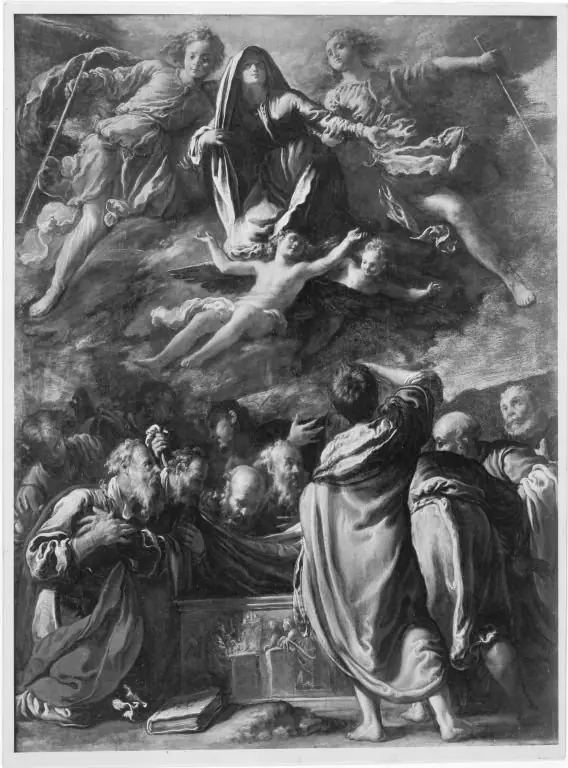
The Assumption of the Virgin
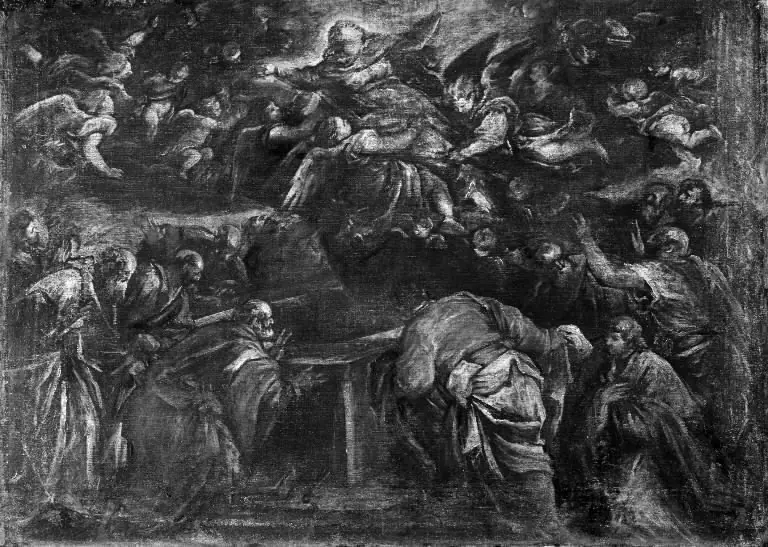
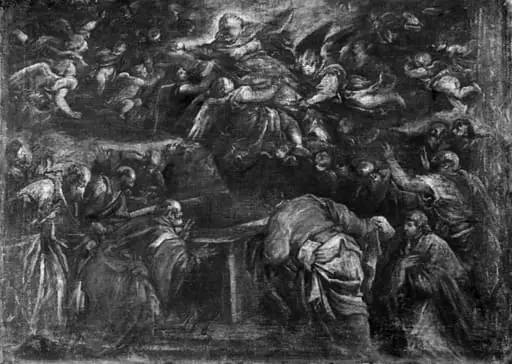
The Assumption of the Virgin is an oil painting by the Mannerist artist Jacopo Tintoretto. It dates from 1566 and is held in the collection of the Museum of Fine Arts Boston.
About this work
Overview
Painted circa 1566, *The Assumption of the Virgin* is a religious oil painting by Jacopo Tintoretto, characteristic of the Mannerist movement. It depicts the Virgin Mary’s ascension into heaven, showcasing Tintoretto’s distinctive style.
Subject & Meaning
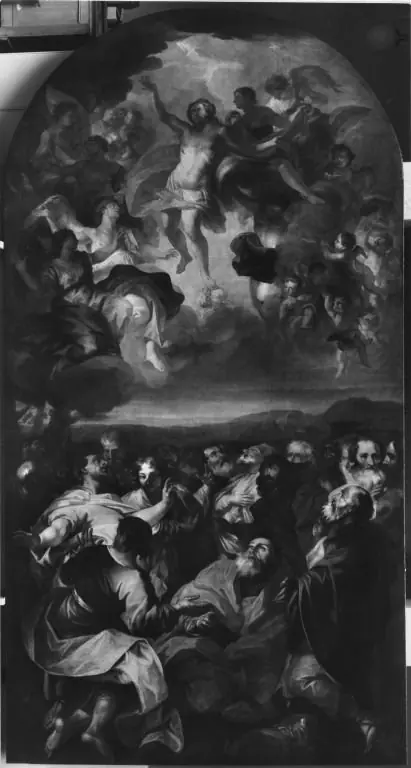
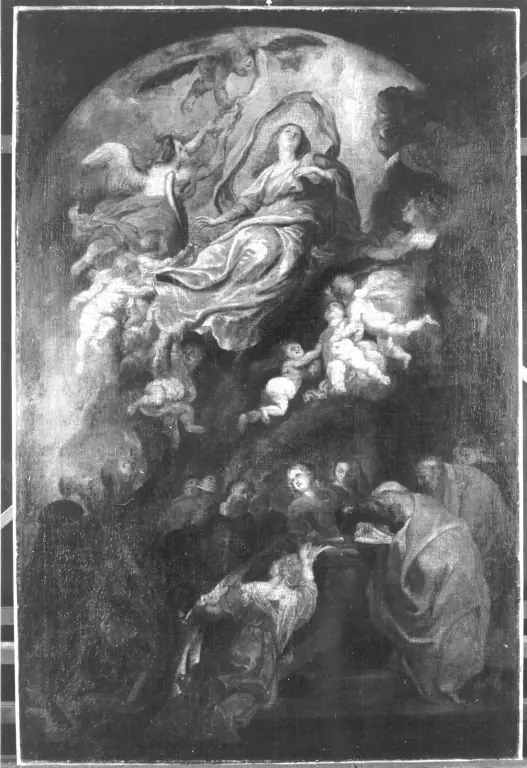
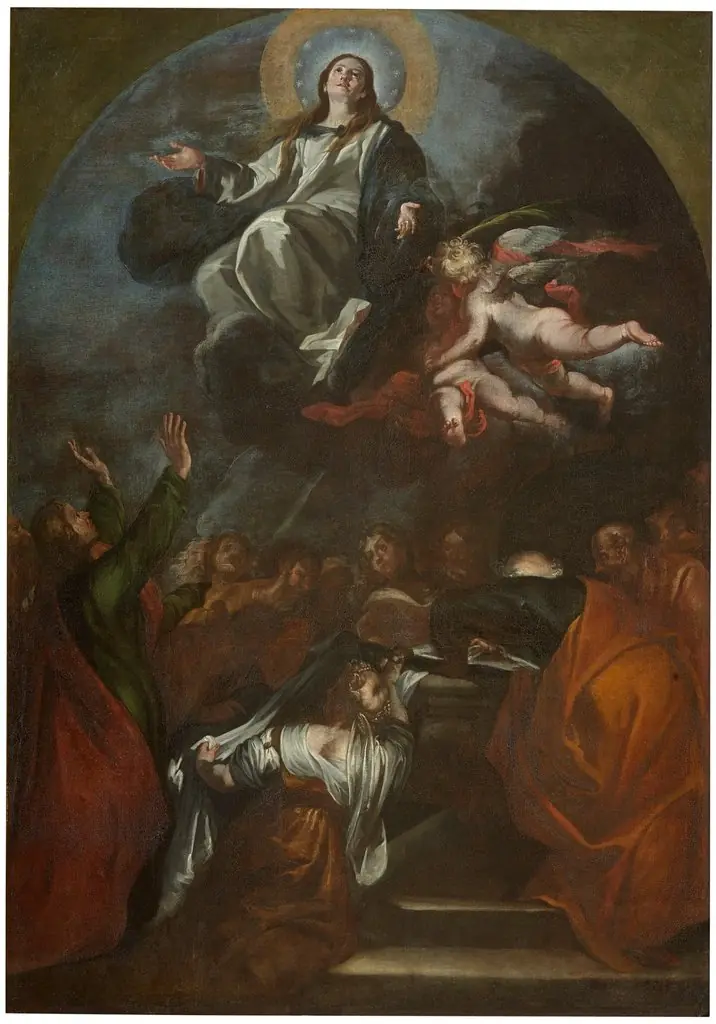
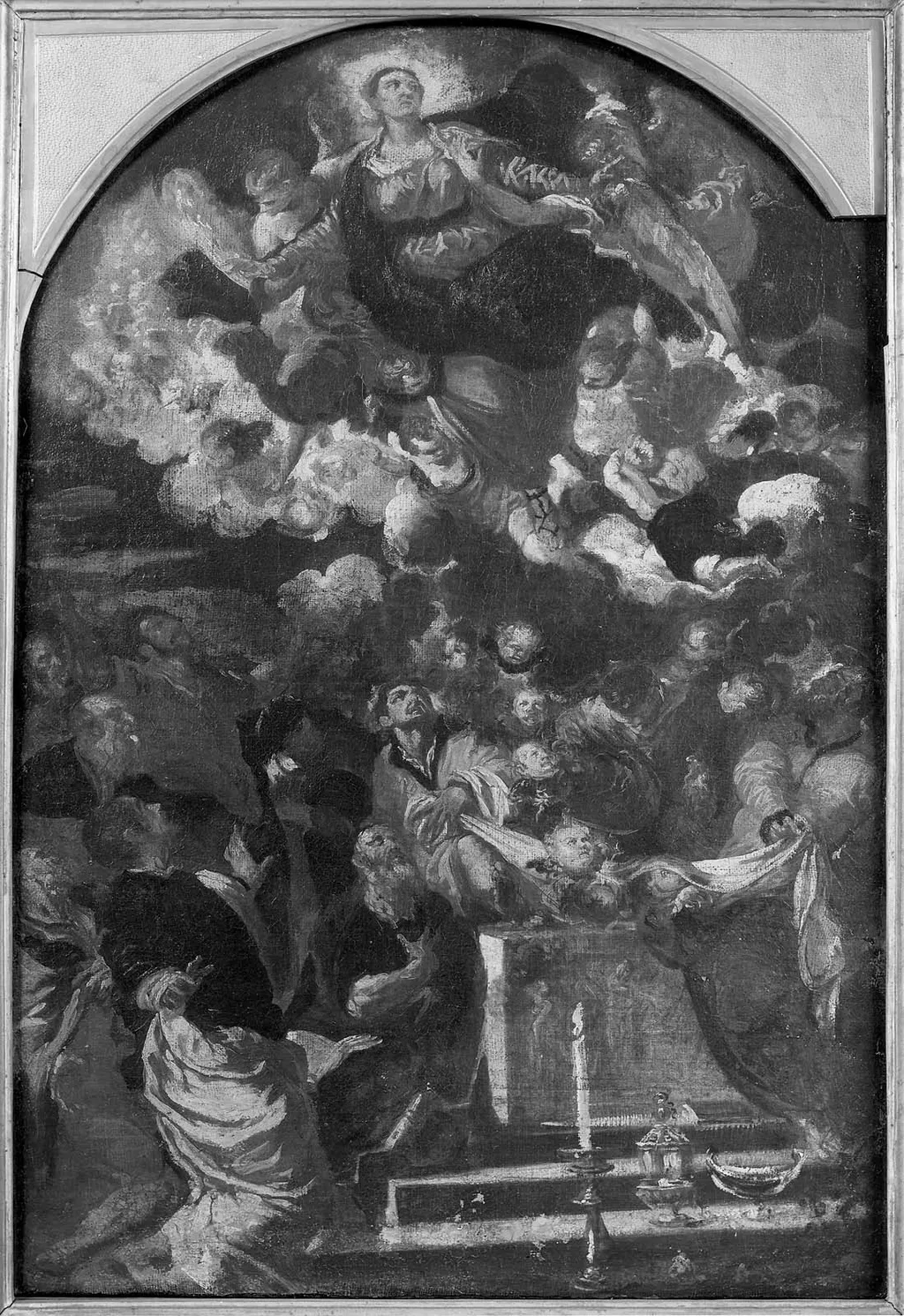
The painting illustrates the biblical scene of the Virgin Mary’s assumption into heaven. Figures below, in various poses of reverence, contrast with Mary’s upward trajectory, emphasizing the miraculous event’s emotional and spiritual impact.
Technique & Style
Tintoretto’s *il Furioso* style is evident in the dynamic movement, striking perspective, and bold, expressive brushwork. The predominantly grayscale palette is punctuated by vibrant robe accents, while thick textures in clouds and drapery and strong chiaroscuro lighting enhance the dramatic effect.
History & Provenance
Created in the late Venetian Renaissance, the work is now part of the Museum of Fine Arts, Boston’s collection.
Context
As a Mannerist piece, it reflects the era’s emphasis on emotional intensity and unconventional composition, distinguishing it from the harmony of the High Renaissance.
Legacy
Through its innovative use of perspective, lighting, and brushwork, *The Assumption of the Virgin* contributes to Tintoretto’s reputation for energetic and boldly expressive artworks that influenced the development of Baroque painting.
Artist & collection

Artist
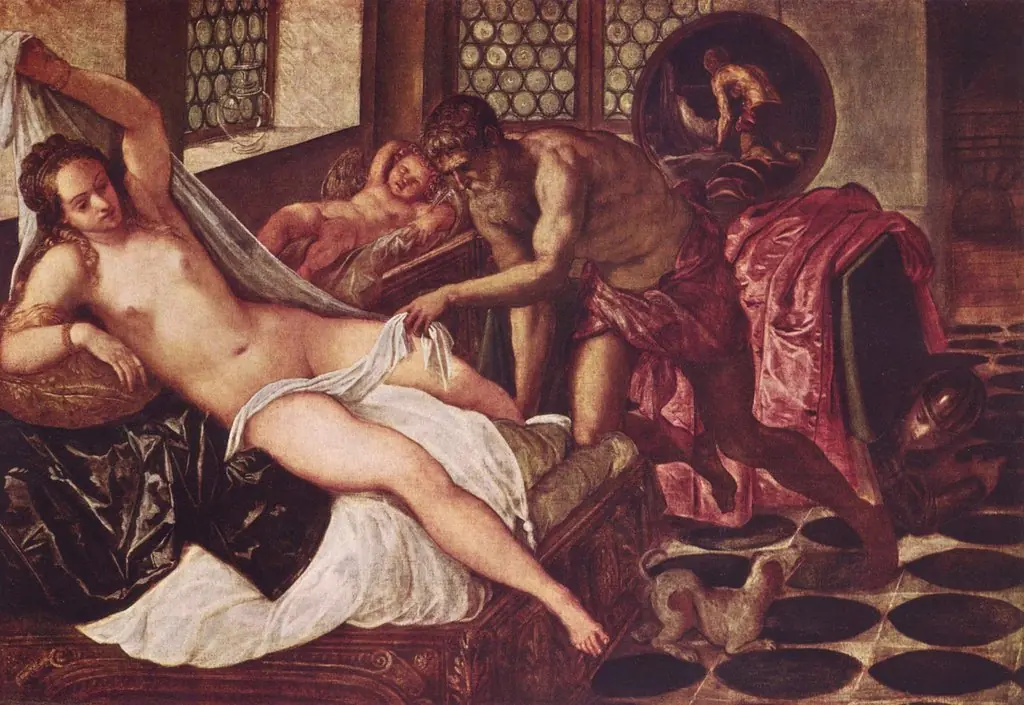
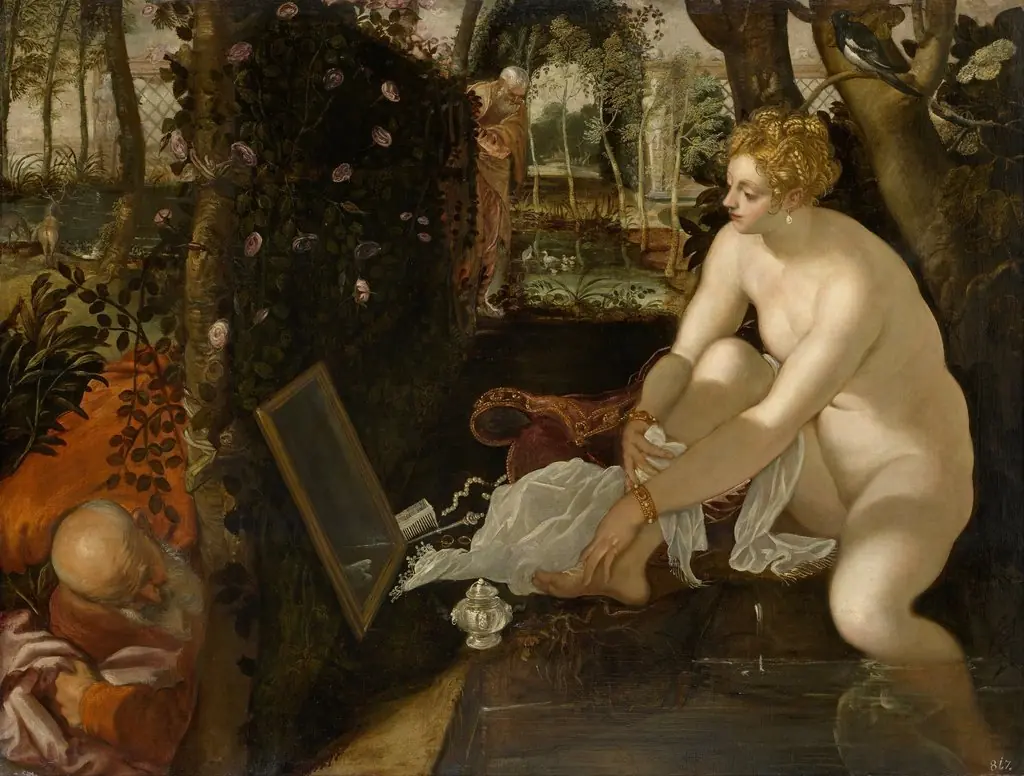
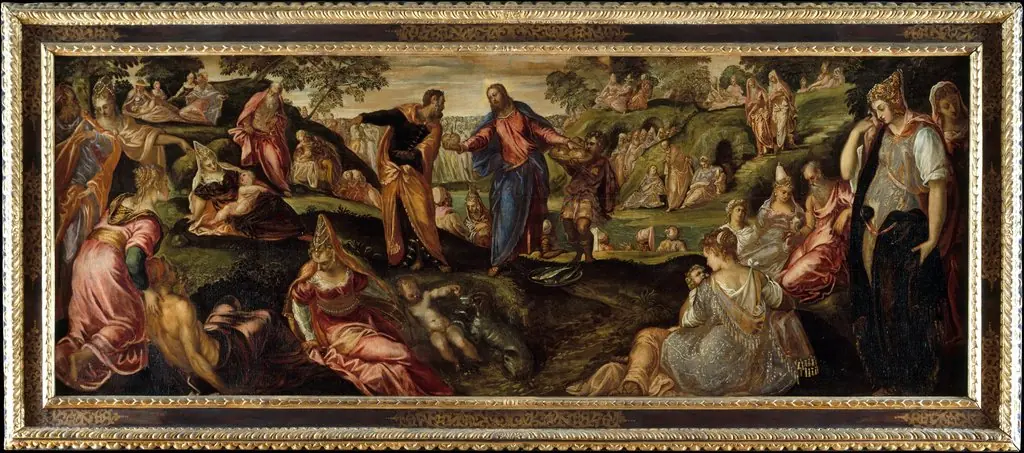
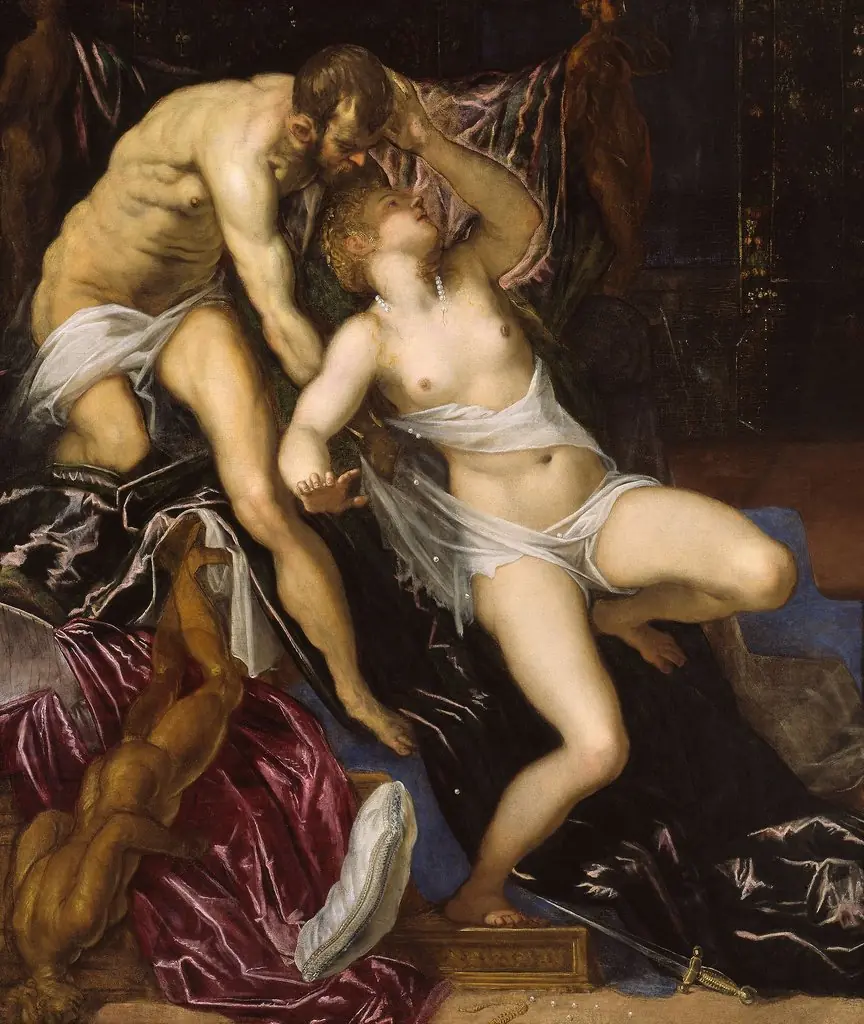
Jacopo Robusti (late September or early October 1518 – 31 May 1594), best known as Tintoretto ( TIN-tə-RET-oh; Italian: ; Venetian: ), was an Italian Renaissance painter of the Venetian school.