Artwork
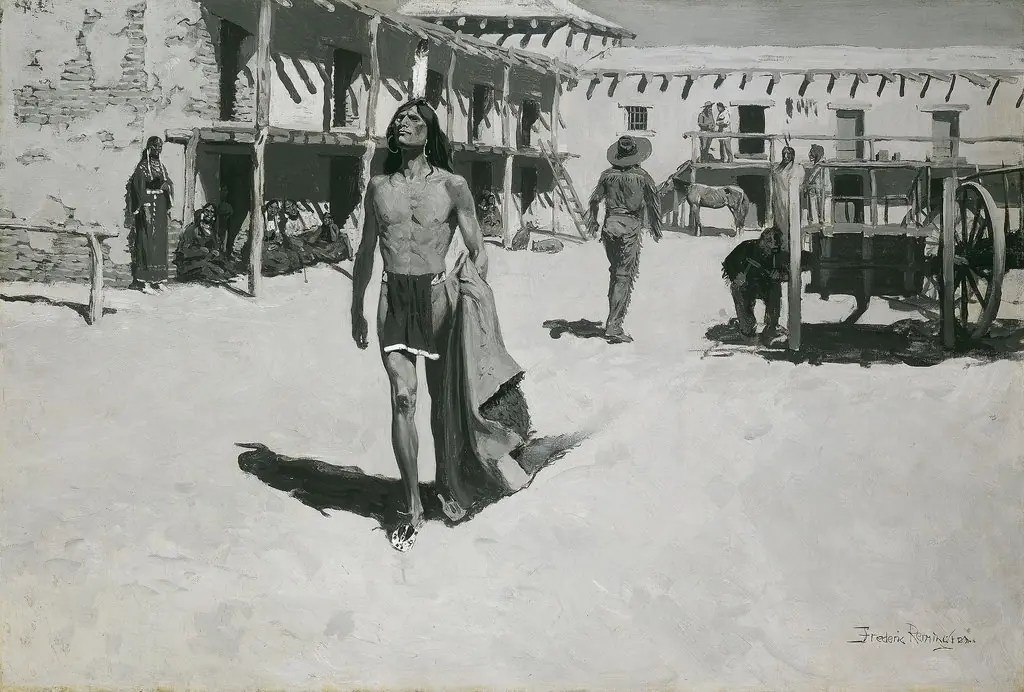
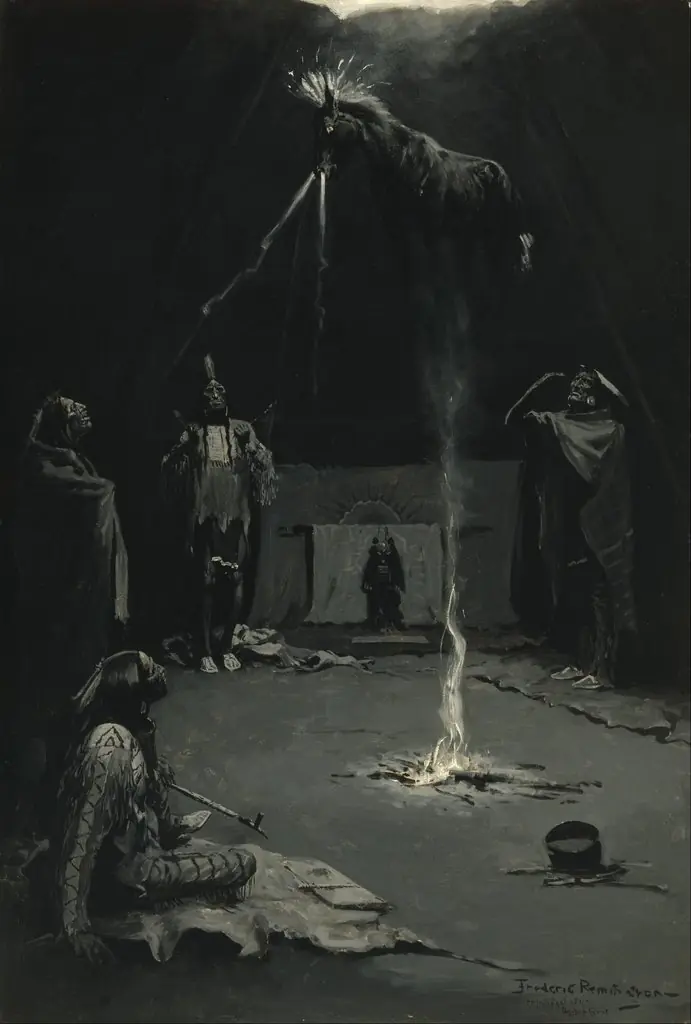
The Fire Eater Raised His Arms to the Thunder Bird
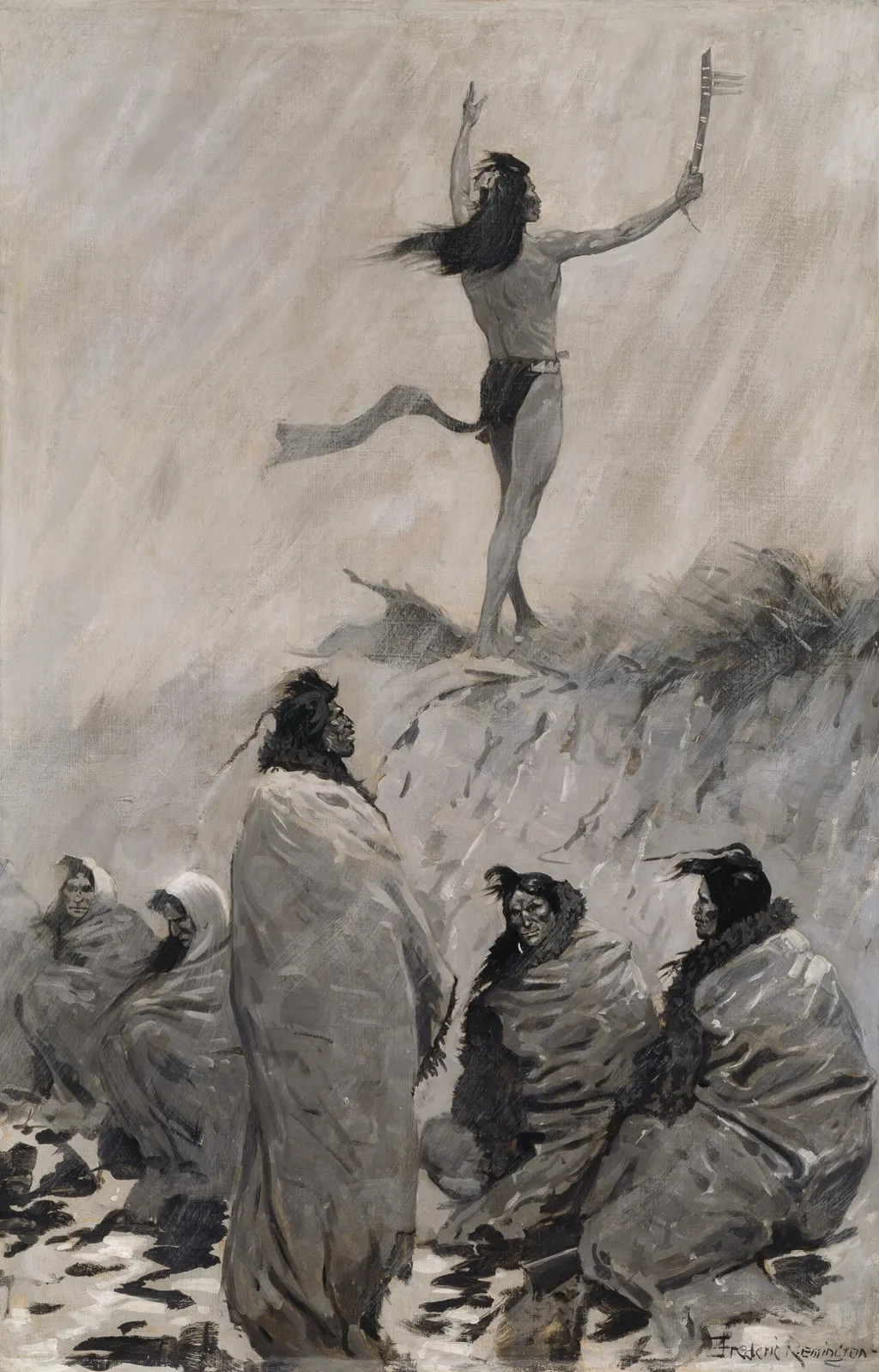
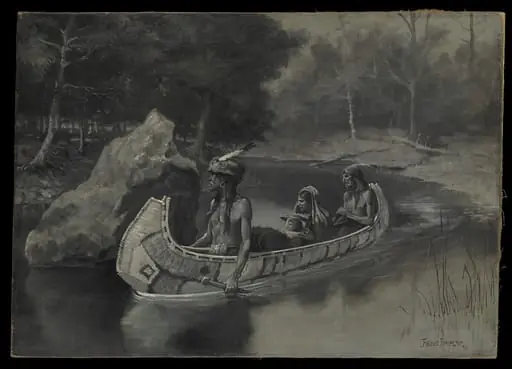
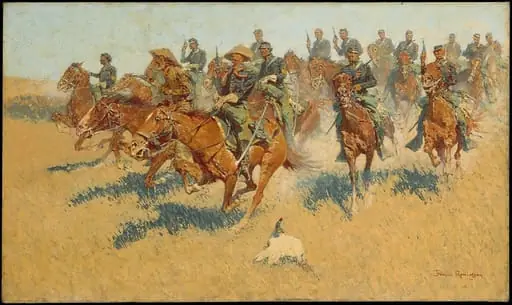
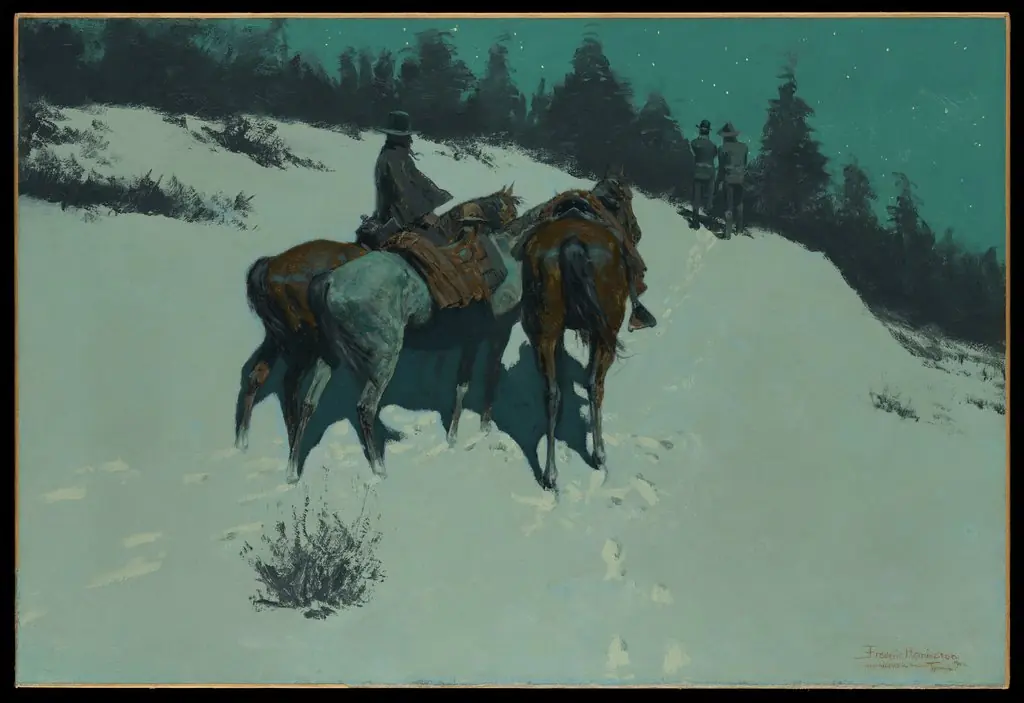
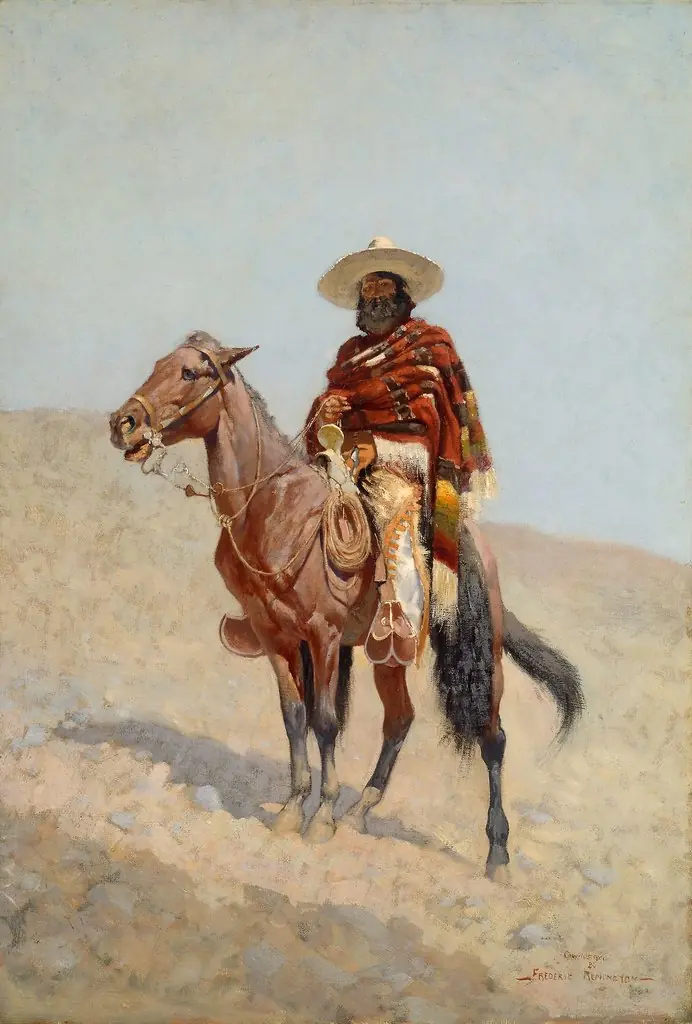
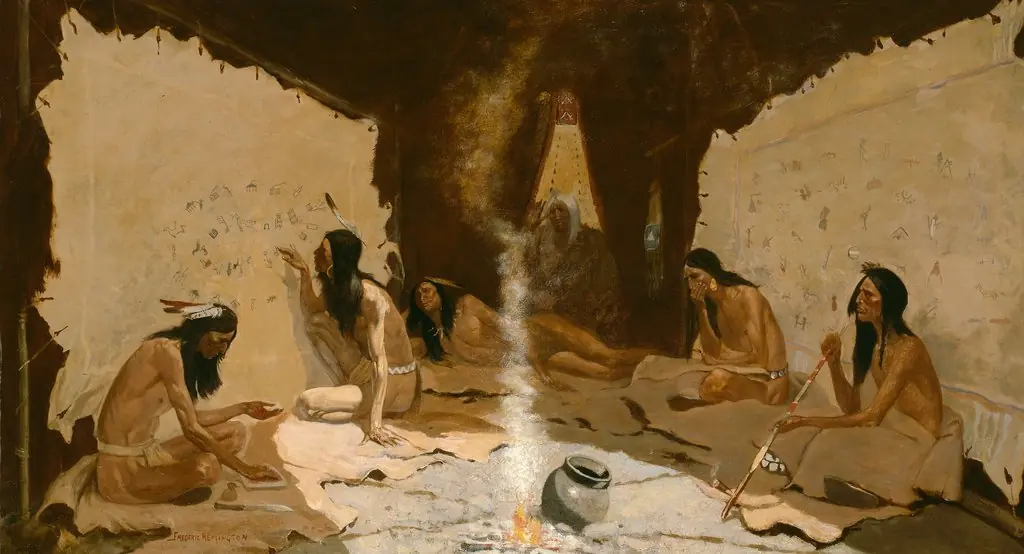
The Fire Eater Raised His Arms to the Thunder Bird is an oil painting by the American Impressionist artist Frederic Remington. It dates from 1900 and is held in the collection of the Art Institute of Chicago.
About this work
Overview
The work depicts a solitary figure in fringed buckskin gesturing upward beneath a storm‑laden sky, where a massive avian silhouette looms among the clouds.
Frederic Remington’s oil on canvas, titled The Fire Eater Raised His Arms to the Thunder Bird, dates to around 1900. The work depicts a solitary figure in fringed buckskin gesturing upward beneath a storm‑laden sky, where a massive avian silhouette looms among the clouds. Lightning forks across the horizon, lending the composition a sense of sudden, untamed energy. The painting belongs to the collection of the Art Institute of Chicago.
Subject & Meaning
The central figure is a fire‑eater, a character drawn from Native American legend, captured in the act of invoking the thunderbird—a powerful spirit associated with storms and transformation. By raising his arms, the man appears to summon or confront the celestial bird, suggesting a dialogue between human agency and the forces of nature, a theme that extends beyond Remington’s usual frontier subjects.
Technique & Style
Remington employs a vigorous impasto technique, building up thick layers of paint especially in the lightning and cloud formations. This tactile application creates a palpable texture that heightens the visual impact of the storm. The palette is dominated by muted earth tones contrasted with stark whites and blues, while the brushwork remains brisk, conveying motion and immediacy.
History & Provenance
Created near the end of Remington’s career, the painting reflects his late‑period interest in mythic and symbolic subjects rather than the cavalry scenes for which he was known. Although Remington never traveled west of the Mississippi, he relied on photographs and sketches supplied by acquaintances to construct the western motifs. The work entered the Art Institute of Chicago’s holdings in the mid‑20th century, where it remains on view.
Context
The thunderbird motif originates in various Indigenous narratives of the North American Plains, representing a bridge between the earthly and the divine. Remington’s interpretation, filtered through secondary sources, illustrates the era’s fascination with romanticized Native imagery. While not central to his oeuvre, the painting contributes to the broader discourse on how early 20th‑century artists engaged with myth and cultural representation.
Own this work as a print
Artist & collection

Artist
Frederic Sackrider Remington was an American painter, illustrator, sculptor, and writer who specialized in the genre of Western American Art.