Artwork
The 2nd Earl Granville (1815–1891)
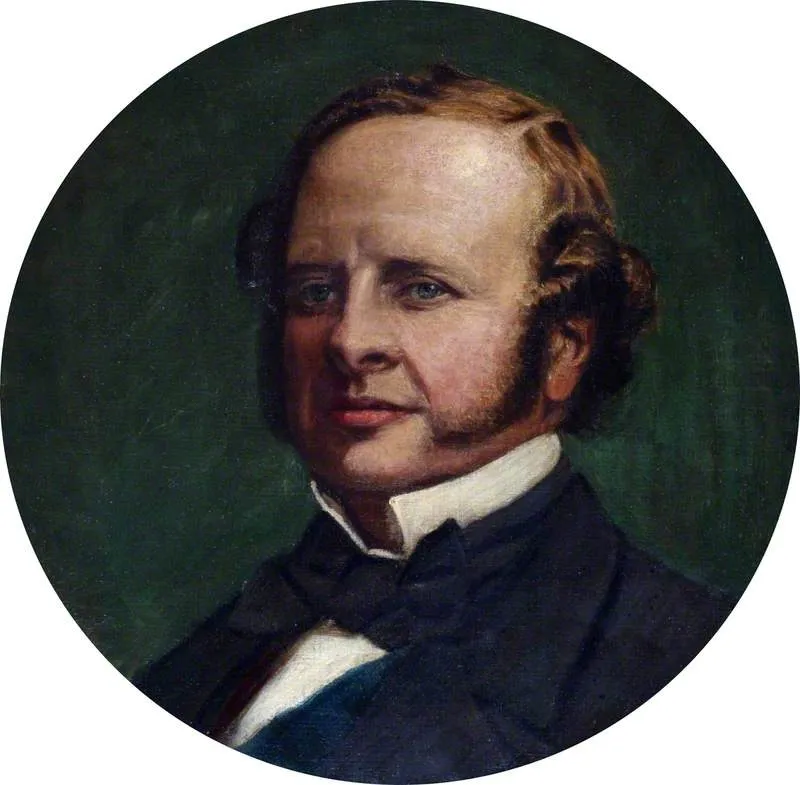
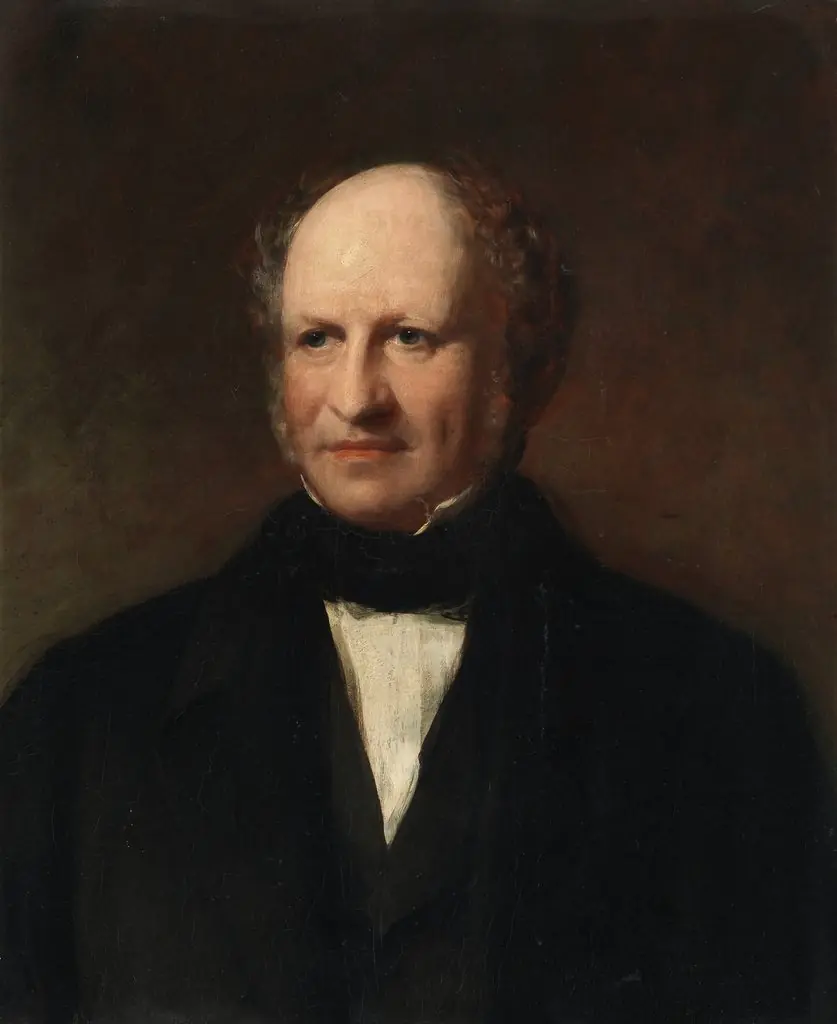
The 2nd Earl Granville (1815–1891) is an oil painting by the British Romanticist artist Frederick Bacon Barwell. It dates from 1866 and is held in the collection of the Victoria and Albert Museum.
About this work
Overview
Barwell, known for his formal commissions, rendered the subject with precision and restraint, reflecting the era’s expectations for aristocratic representation.
Painted in 1866 by Frederick Bacon Barwell, this oil portrait depicts George Leveson-Gower, the 2nd Earl Granville, a British statesman and diplomat. The work is part of the Victoria and Albert Museum’s collection, where it is preserved as an example of mid-Victorian portraiture. Barwell, known for his formal commissions, rendered the subject with precision and restraint, reflecting the era’s expectations for aristocratic representation.
Subject & Meaning
The 2nd Earl Granville, a prominent Liberal politician and former Foreign Secretary, is portrayed in formal attire, conveying his public stature. His direct gaze to the left suggests contemplation or engagement beyond the frame, reinforcing an air of quiet authority. The absence of symbolic objects or grand settings shifts focus to his demeanor, emphasizing personal gravitas over inherited privilege.
Technique & Style
Barwell employed a muted palette dominated by dark tones, with the Earl’s red hair and pale skin providing subtle contrast. The brushwork is controlled, favoring smooth transitions over visible texture, typical of academic portraiture. The solid dark green background isolates the figure, enhancing three-dimensionality and directing attention to facial expression and posture without distraction.
History & Provenance
Commissioned during Granville’s political career, the portrait entered the Victoria and Albert Museum’s collection in the late 19th century, likely through a donation or transfer from the family. Its preservation reflects the museum’s interest in documenting influential figures of the Victorian age. No significant alterations or reworkings are recorded in its documented history.
Context
In mid-19th-century Britain, portraiture served as both personal commemoration and public record for the elite. Barwell’s approach aligns with the trend of restrained, dignified likenesses favored by statesmen, contrasting with the more ornate styles of earlier decades. The painting reflects a shift toward psychological subtlety within formal conventions of the time.
Legacy
Though not widely exhibited today, the portrait remains a representative example of Barwell’s work and the visual culture of Victorian political life. It contributes to the V&A’s broader collection of 19th-century British portraiture, offering insight into how public figures were visually constructed during a period of social and political transformation.
Artist & collection

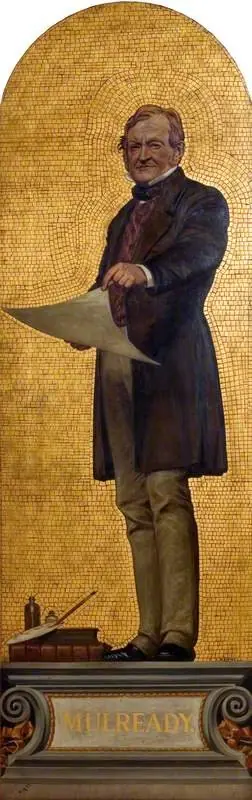 William Mulready (1786–1863), RA (design for a mosaic in the Victoria and Albert Museum)
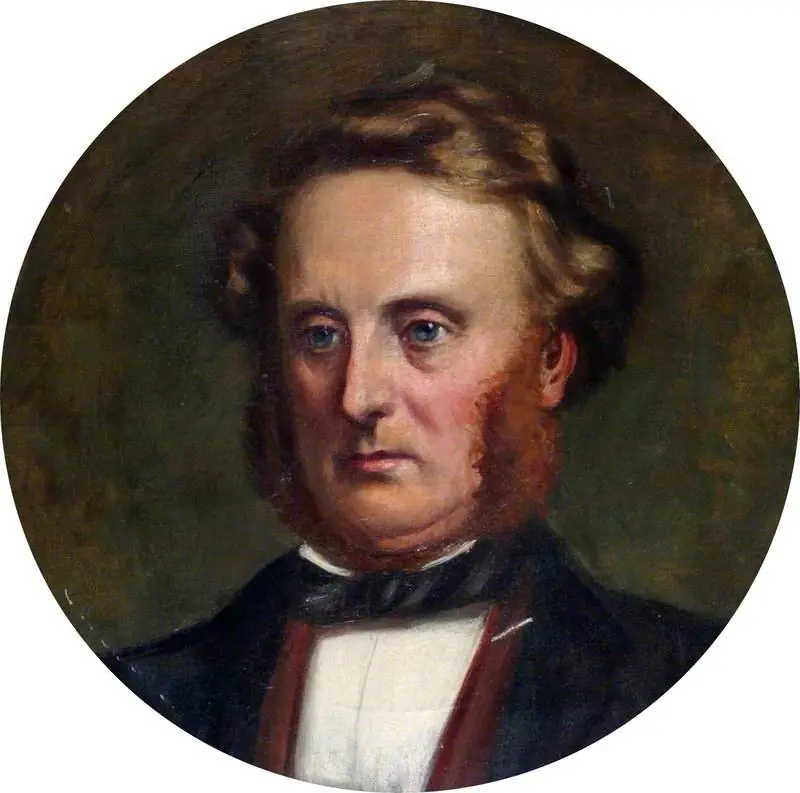 The Right Honourable Edward Cardwell (1813–1886)
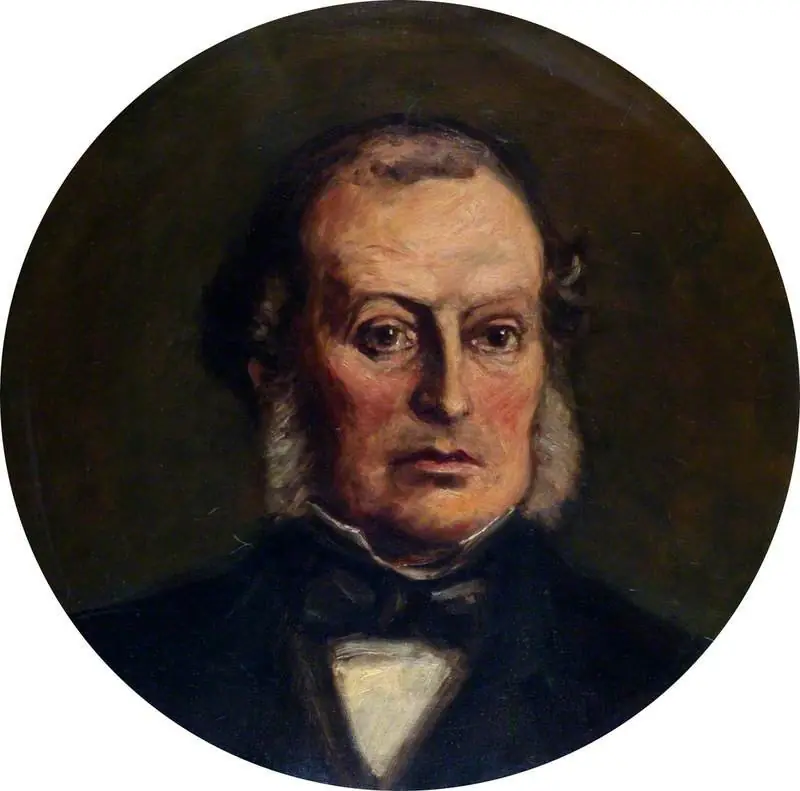 The Right Honourable Henry Labouchere (1798–1869), Lord Taunton
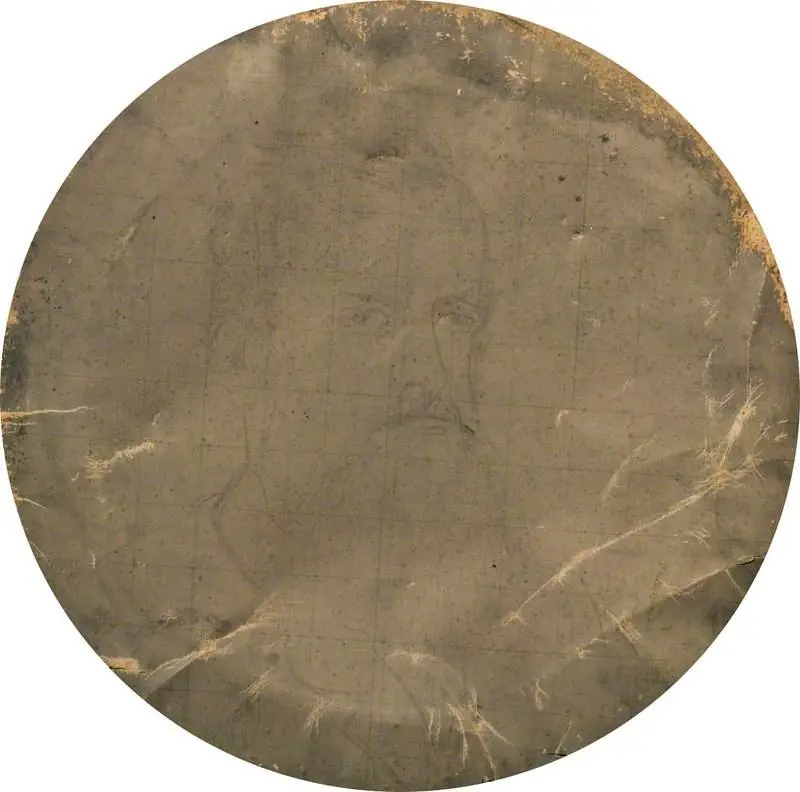 The 1st Marquis of Ripon (1828–1909) (sketch for a bust)
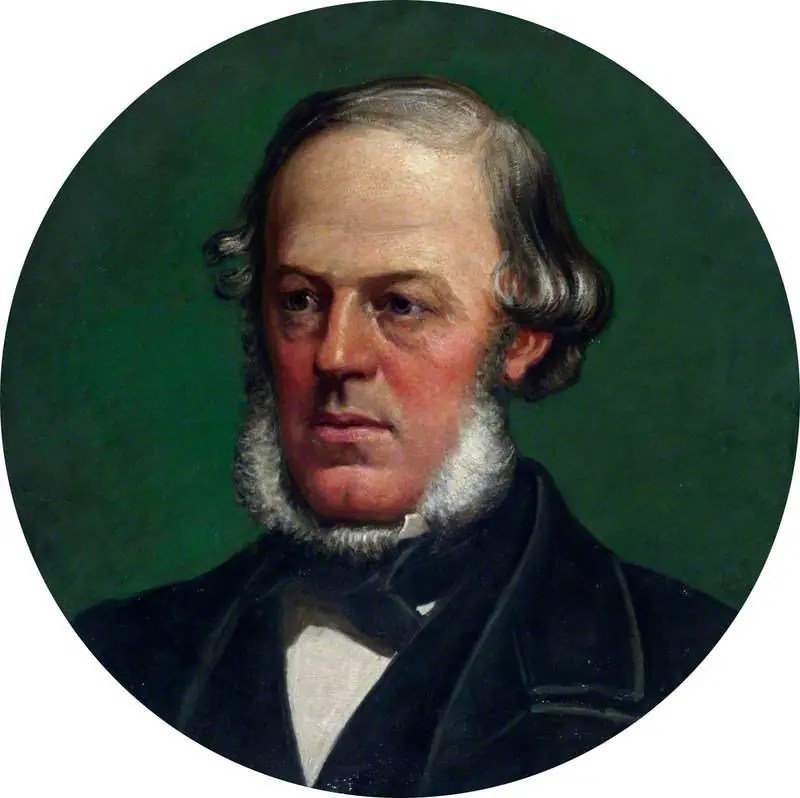 The Right Honourable Lord Aberdare (1815–1895)
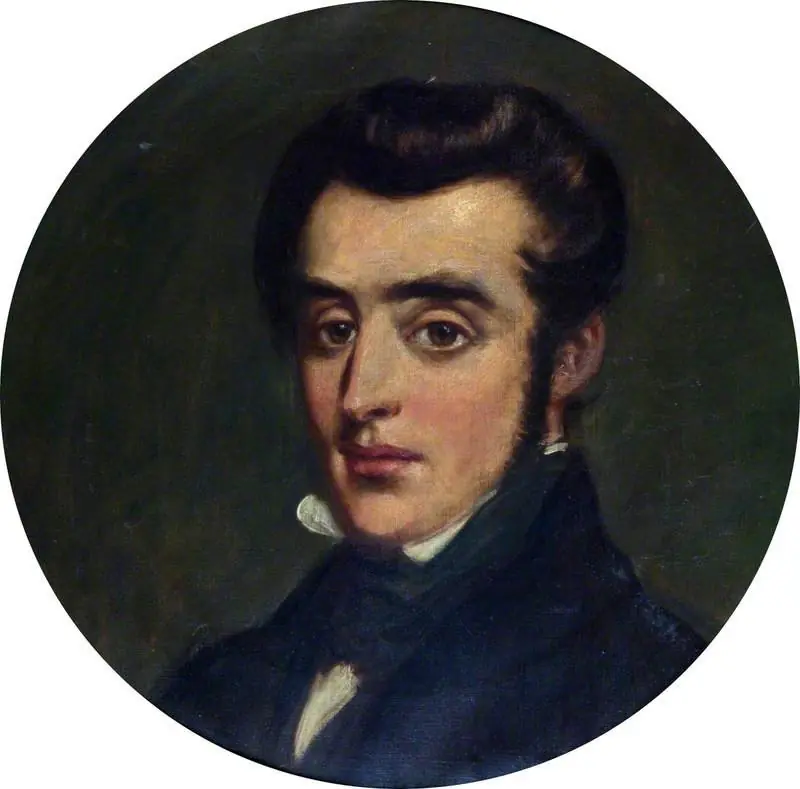 The Right Honourable Lord Sydenham (1799–1841)
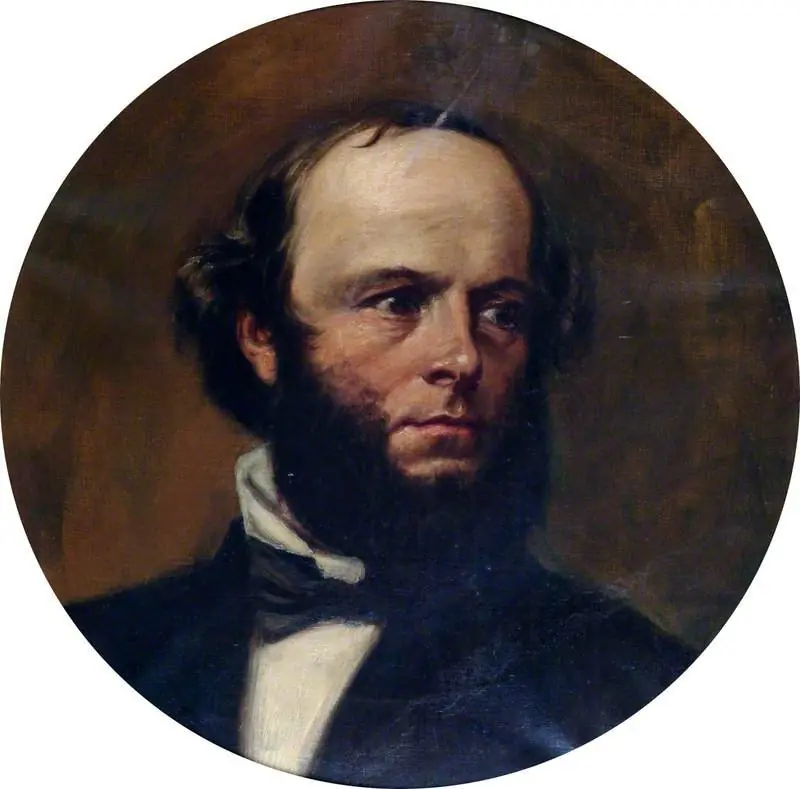 The Duke of Buckingham and Chandos (1823–1889)
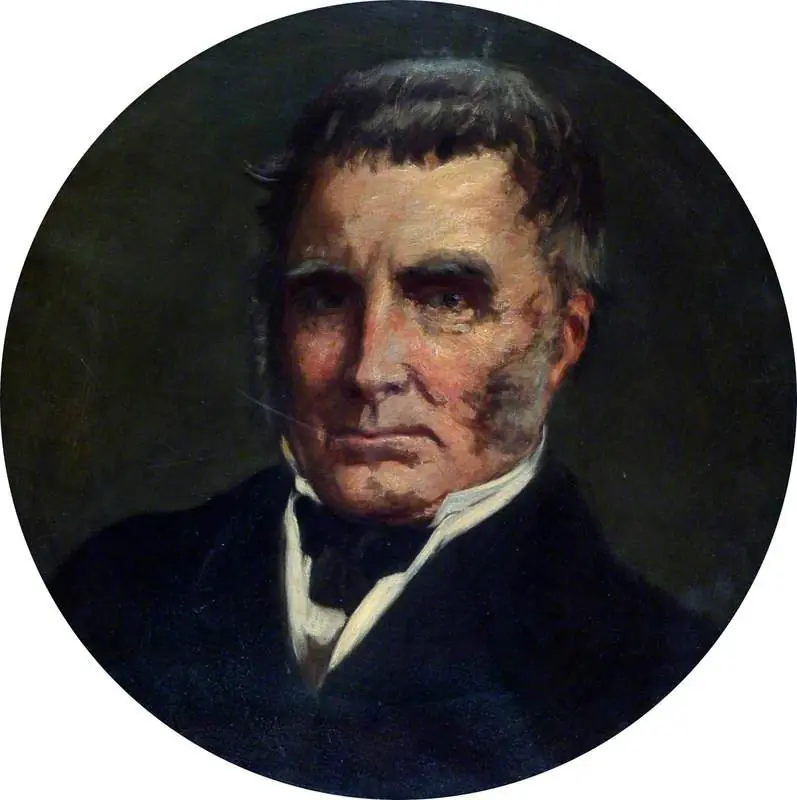 The Right Honourable Joseph Warner Henley (1793–1884)