Artwork
The Right Honourable Joseph Warner Henley (1793–1884)
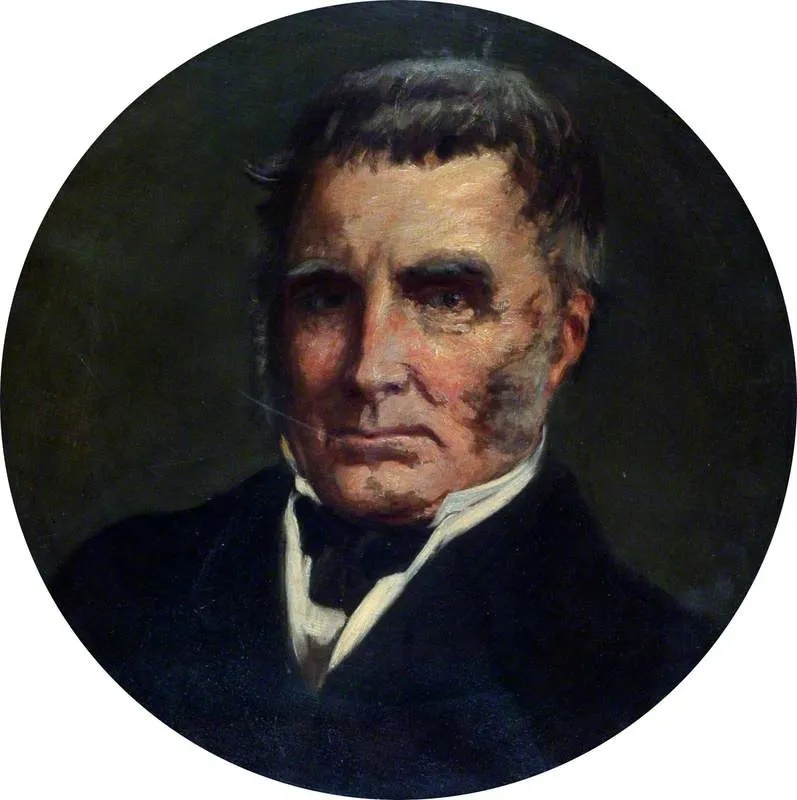
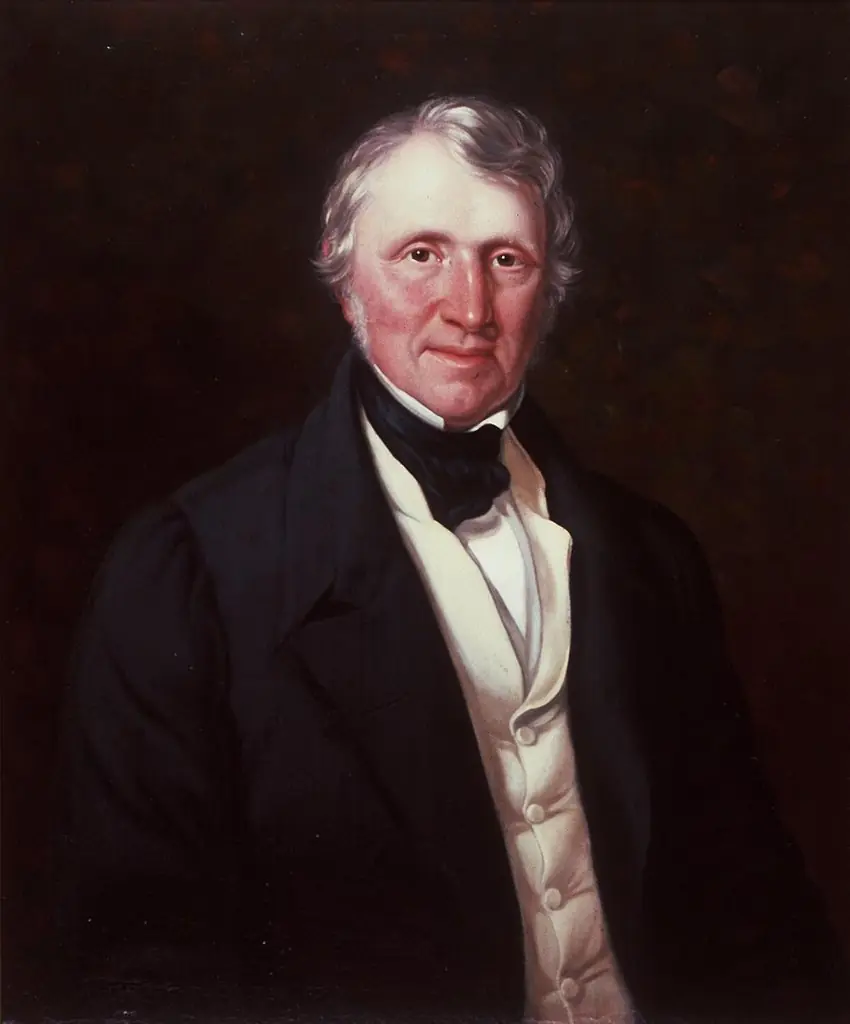
The Right Honourable Joseph Warner Henley (1793–1884) is an oil painting by the Realist artist Frederick Bacon Barwell. It dates from 1866 and is held in the collection of the Victoria and Albert Museum.
About this work
Overview
Frederick Bacon Barwell’s 1866 oil portrait depicts Joseph Warner Henley, a distinguished 19th‑century British politician.
Frederick Bacon Barwell’s 1866 oil portrait depicts Joseph Warner Henley, a distinguished 19th‑century British politician. The canvas, now part of the Victoria and Albert Museum’s collection, presents Henley in a formal pose, his gaze directed outward, inviting the viewer into a silent dialogue. The work exemplifies mid‑Victorian portraiture, balancing personal likeness with the conventions of public representation.
Subject & Meaning
Henley, who lived from 1793 to 1884, is rendered with a sober demeanor, reflecting his reputation as a steadfast public servant. The serious expression, dark hair, and restrained attire convey a sense of duty and gravitas, aligning the sitter’s personal identity with the broader ideals of political responsibility prevalent in his era.
Technique & Style
Barwell employs a limited palette of deep blacks and muted whites, allowing the facial features to emerge with clarity against a softened, indistinct background. The brushwork is smooth and controlled, particularly in the rendering of the collar and bow tie, while the blurred surroundings create a shallow depth of field that focuses attention on Henley’s eyes and expression.
History & Provenance
Completed in 1866, the portrait entered the Victoria and Albert Museum’s holdings as part of its 19th‑century British portrait collection. Its acquisition reflects the museum’s commitment to preserving visual records of notable political figures, ensuring that Henley’s likeness remains accessible to scholars and the public alike.
Context
The painting emerges from a period when portraiture served both as personal commemoration and as a means of reinforcing public stature. In the mid‑1800s, oil portraits of politicians were commonly displayed in institutional settings, reinforcing the connection between individual achievement and national governance.
Artist & collection

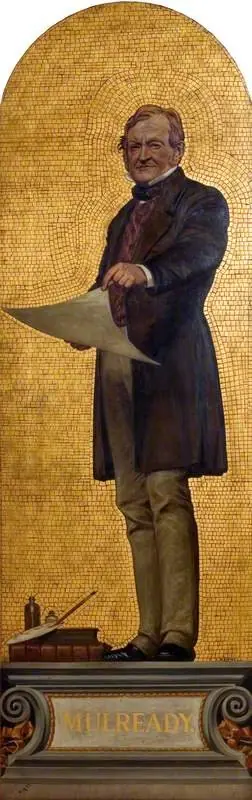 William Mulready (1786–1863), RA (design for a mosaic in the Victoria and Albert Museum)
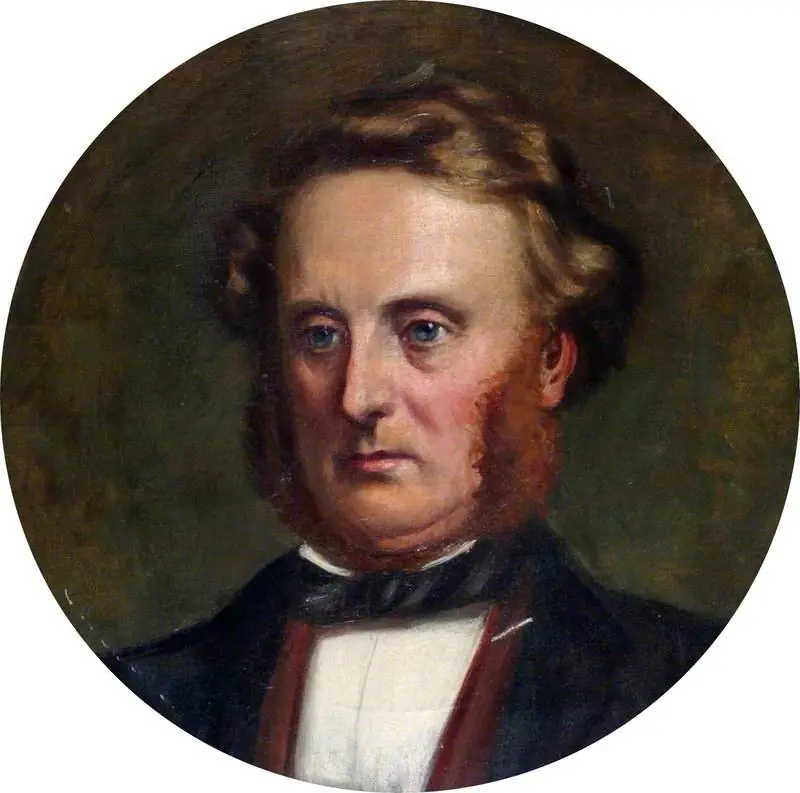 The Right Honourable Edward Cardwell (1813–1886)
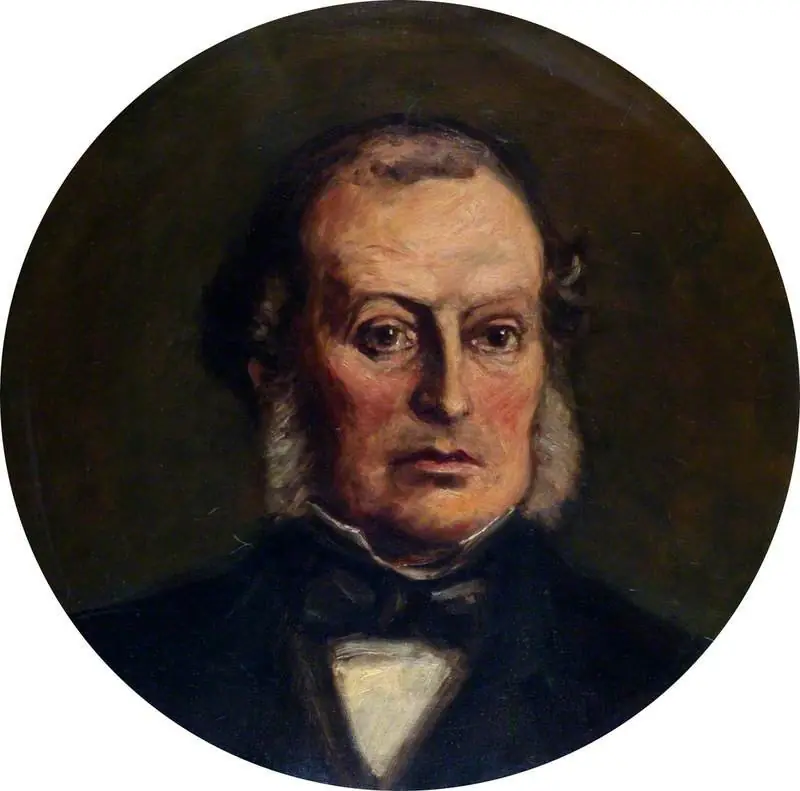 The Right Honourable Henry Labouchere (1798–1869), Lord Taunton
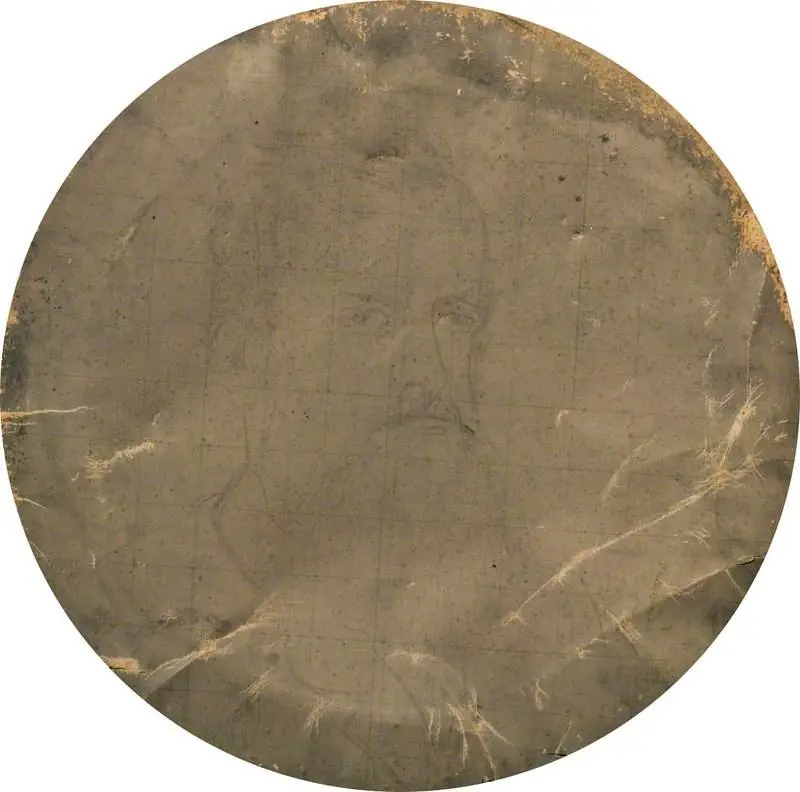 The 1st Marquis of Ripon (1828–1909) (sketch for a bust)
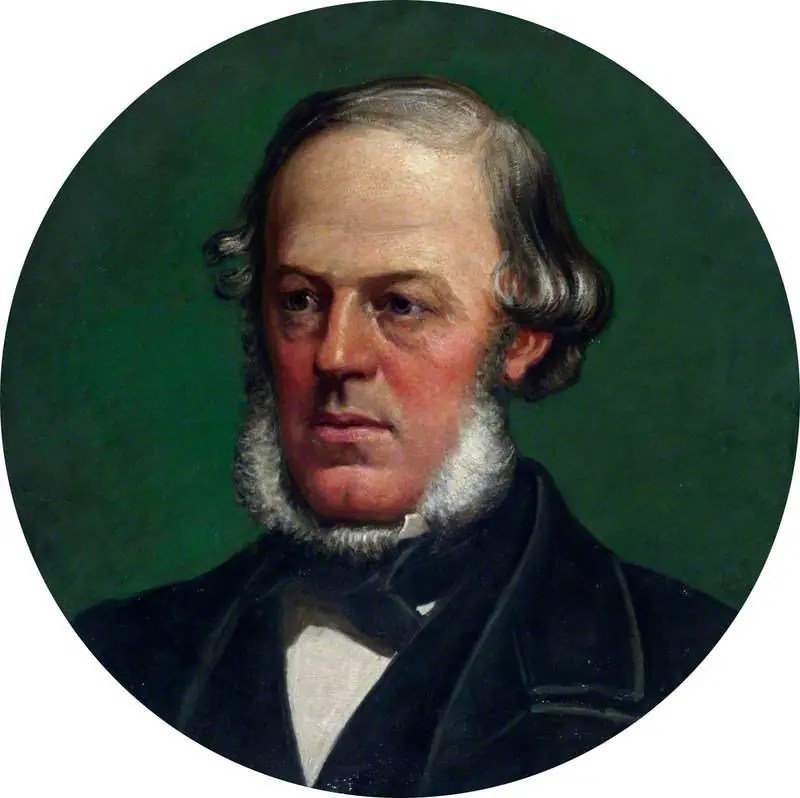 The Right Honourable Lord Aberdare (1815–1895)
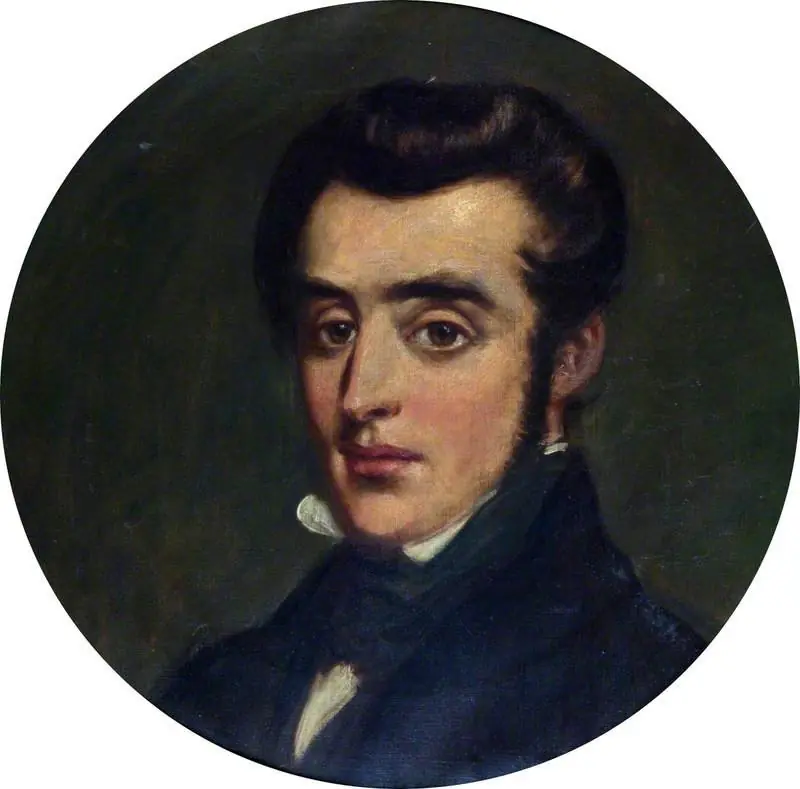 The Right Honourable Lord Sydenham (1799–1841)
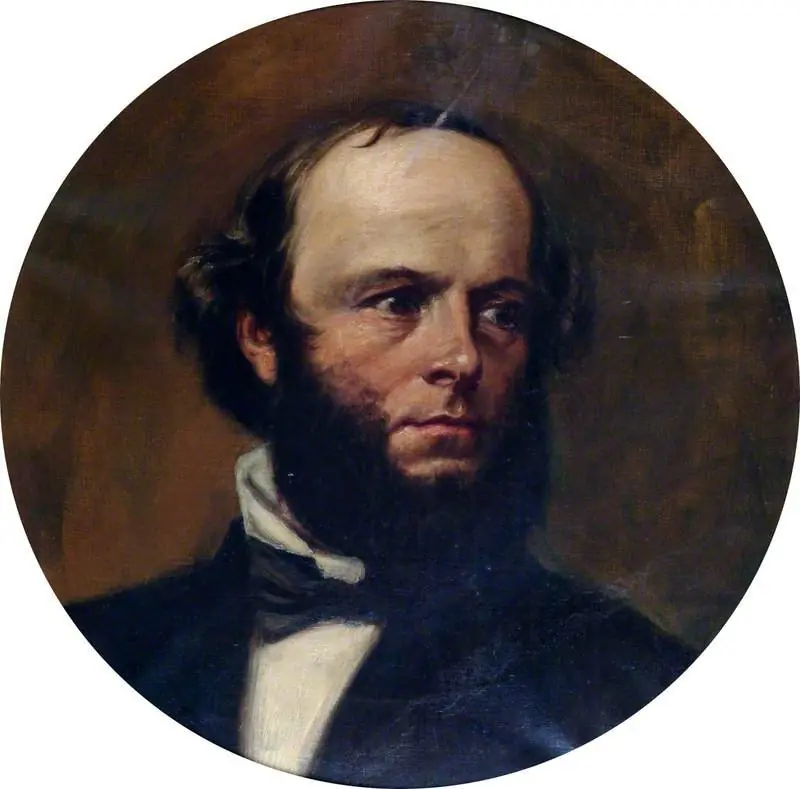 The Duke of Buckingham and Chandos (1823–1889)
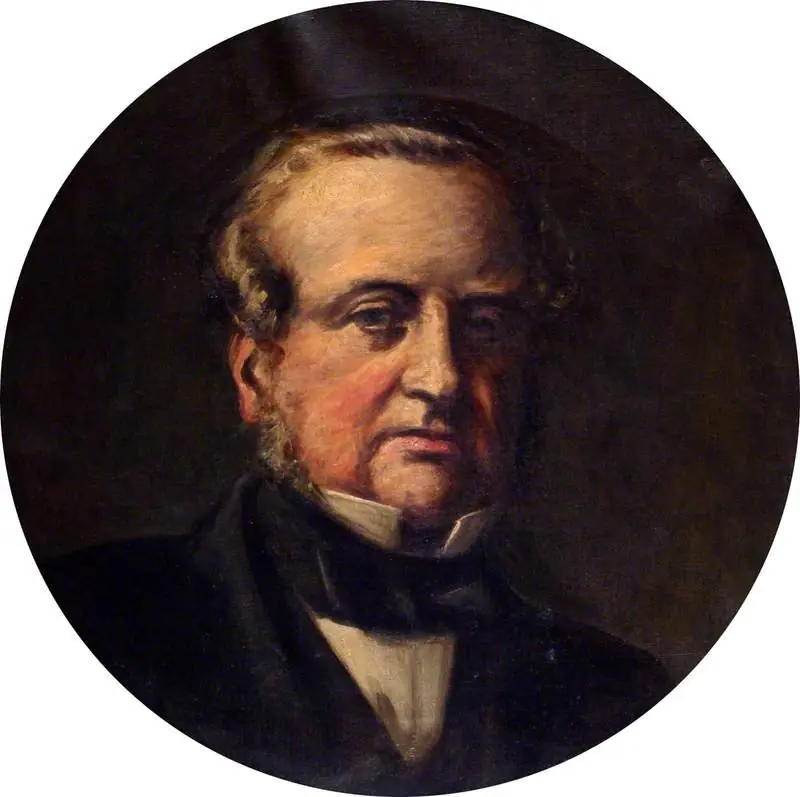 The Right Honourable Lord Stanley of Alderley (1766–1850)
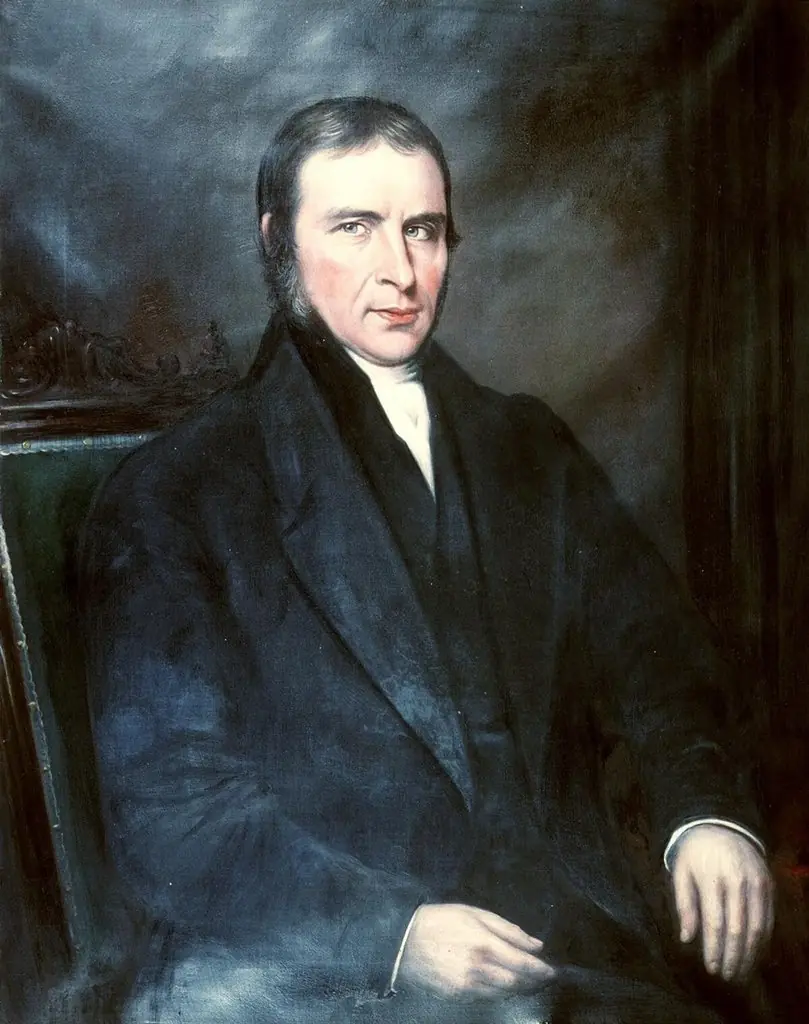 John Jones of Talysarn 1796-1857
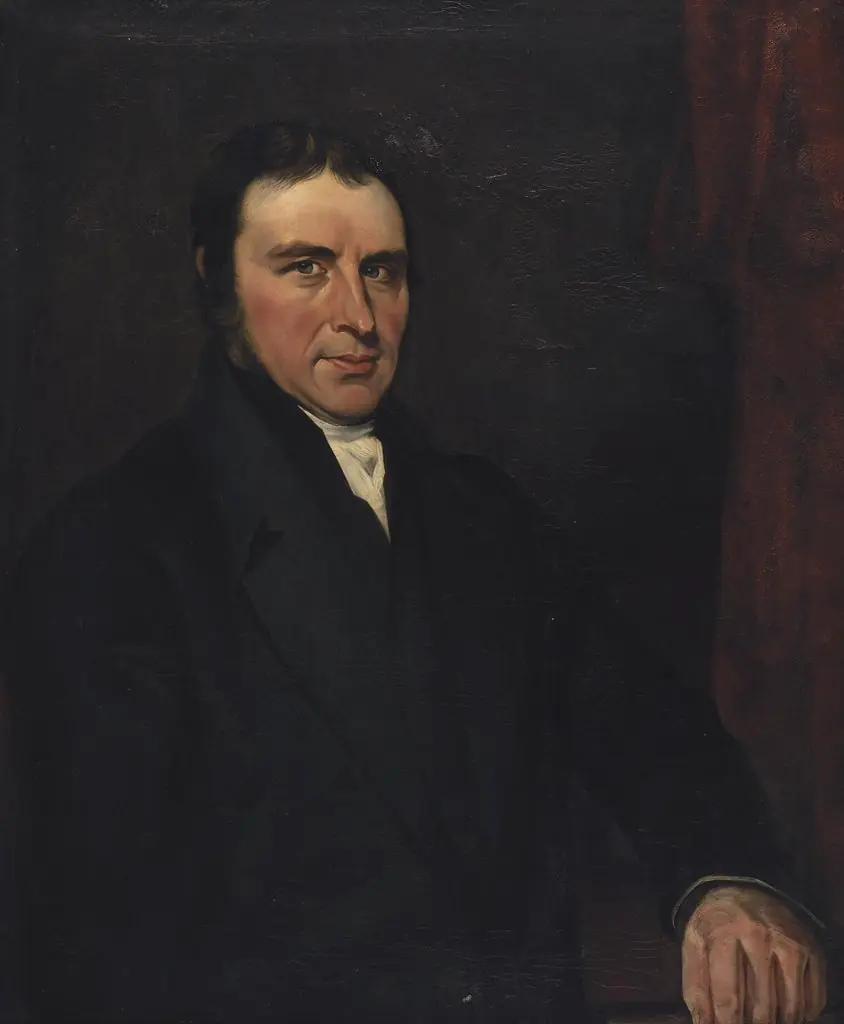 Revd John Jones, Talysarn 1796-1857
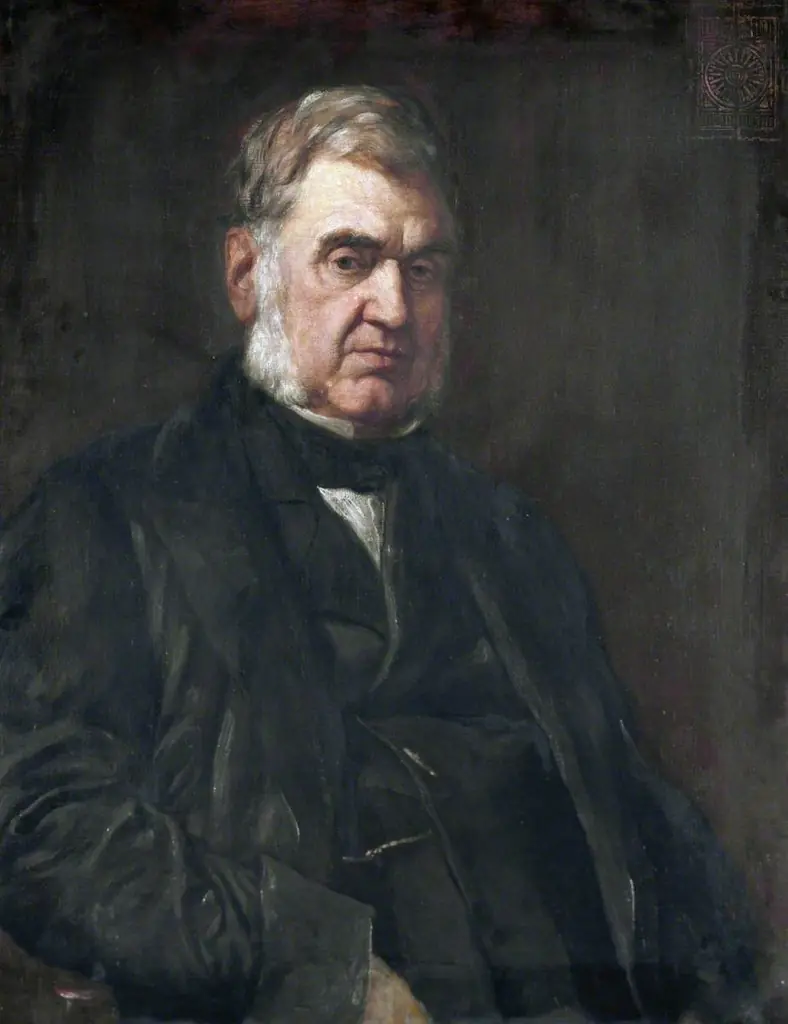 Sir Anthony Panizzi (1797–1879), Principal Librarian (1856–1866)
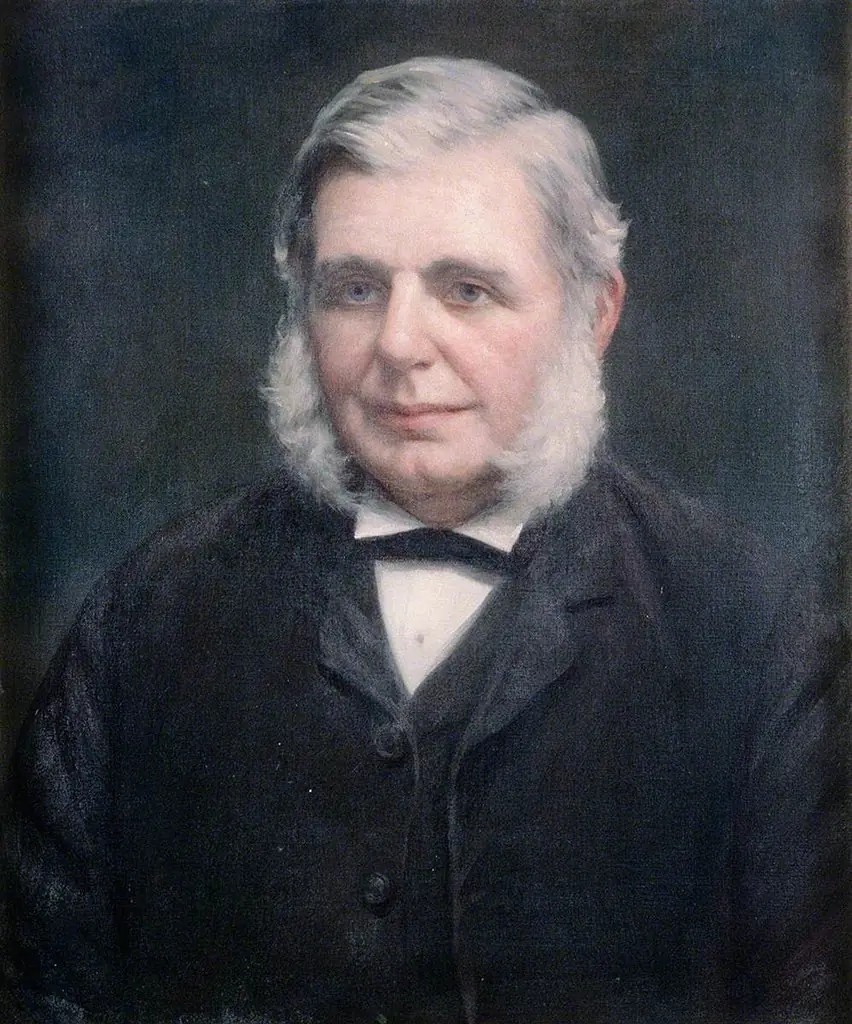 Richard Owen
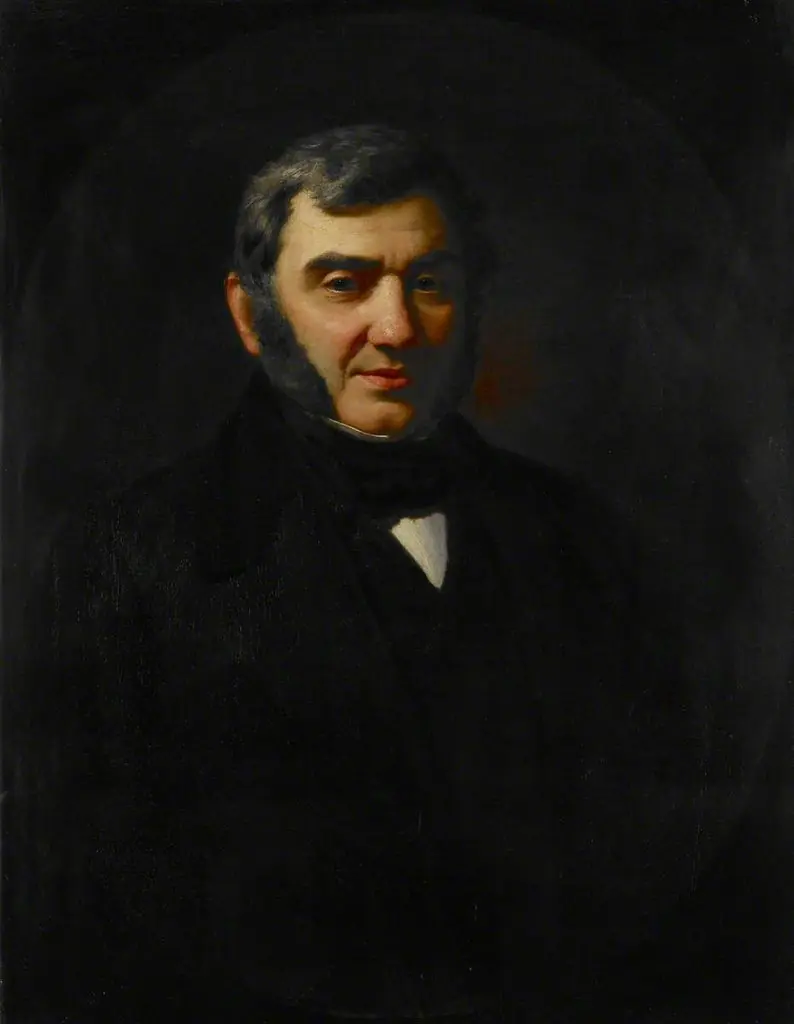 Sir Anthony Panizzi (1797–1879), Principal Librarian (1856–1866)
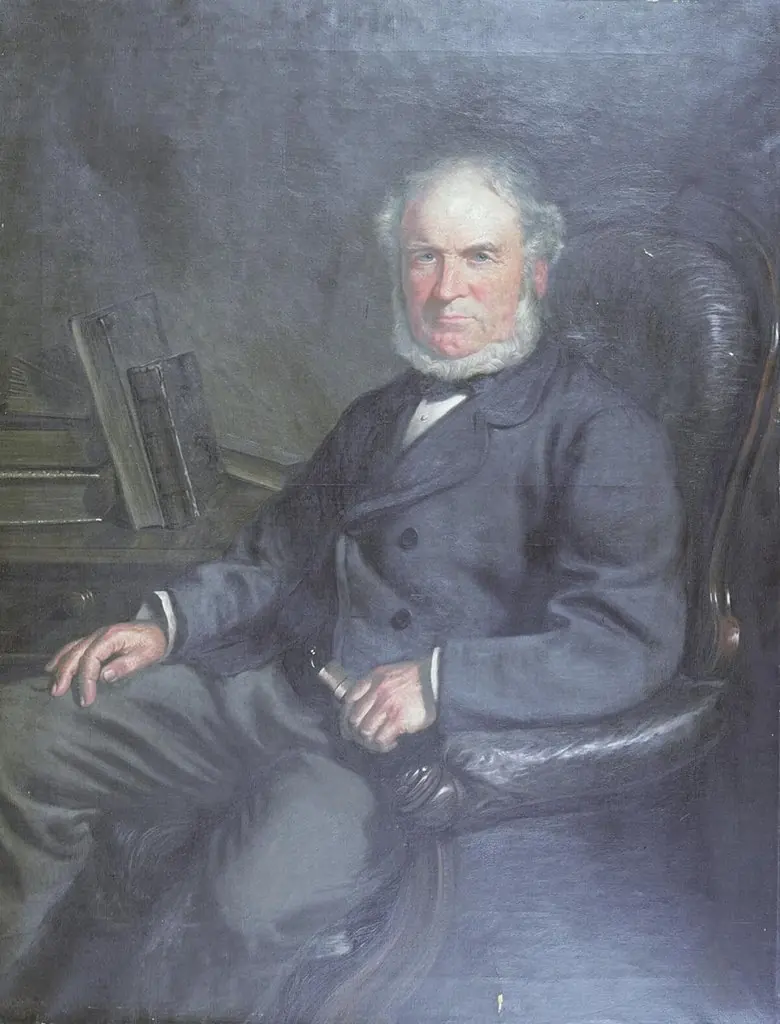 Mr. J. Davies, Ystrad Dyfodwy
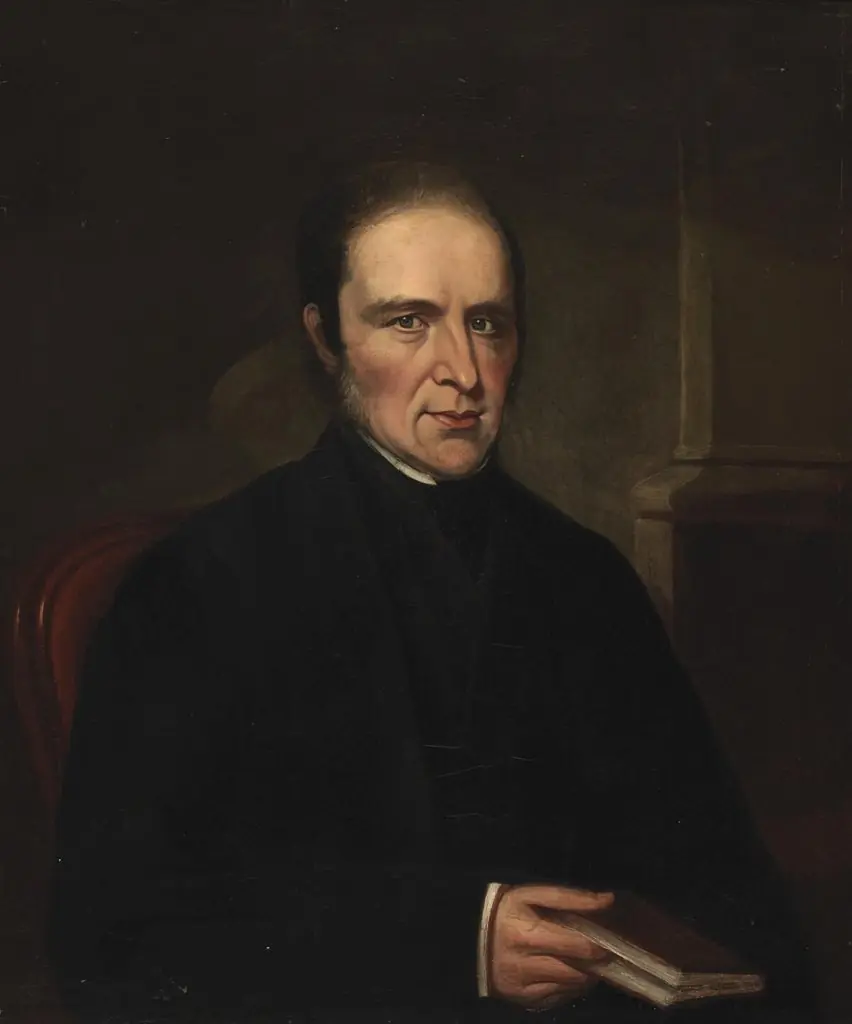 Parch. John Jones, Talysarn
 Hugh Thomas, died 1848
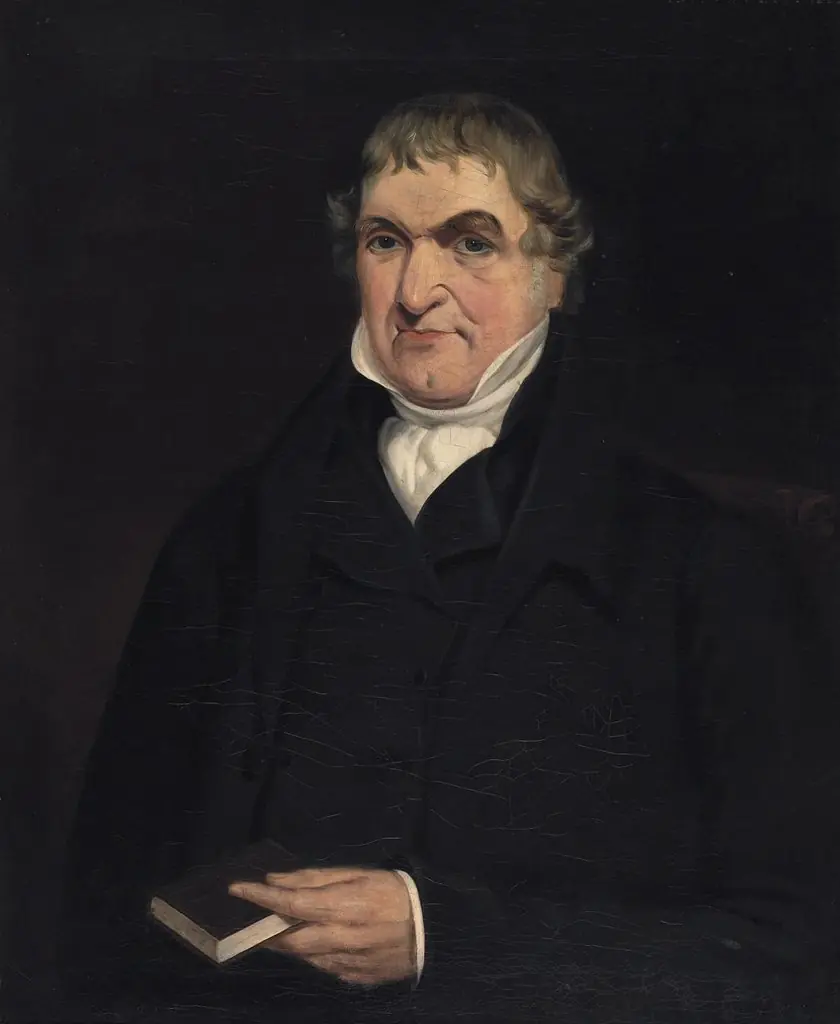 Rev. John Davies
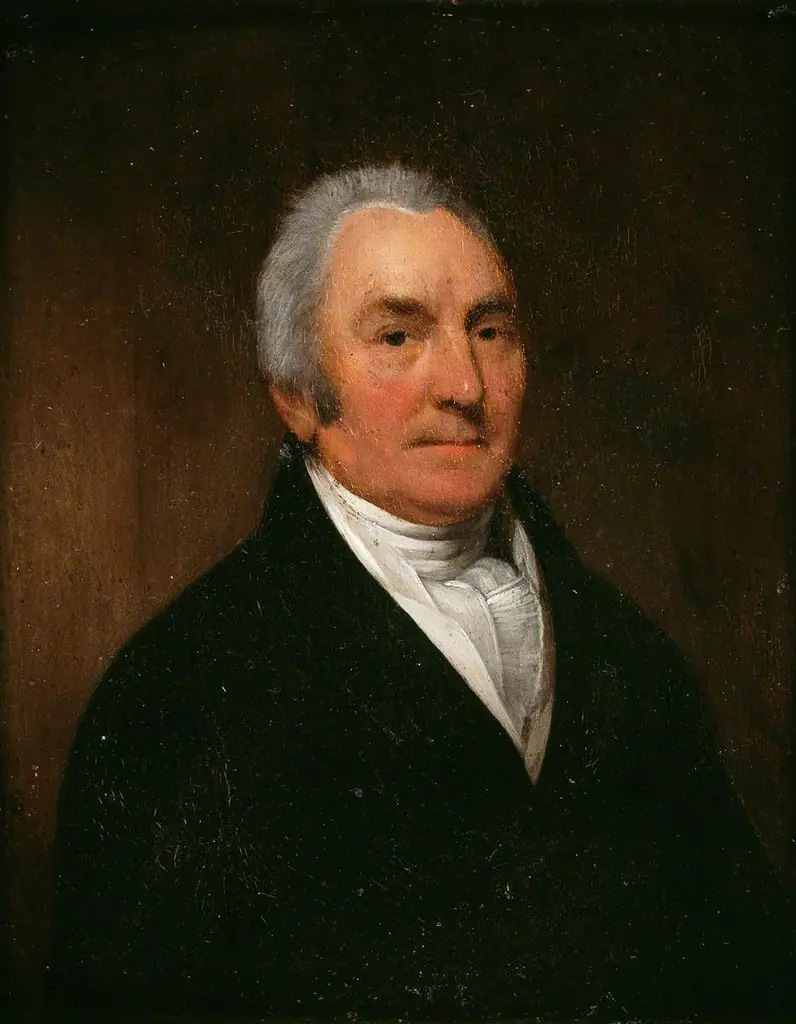 Roland Williams (1756–1836)