Artwork
Salome with the Head of John the Baptist
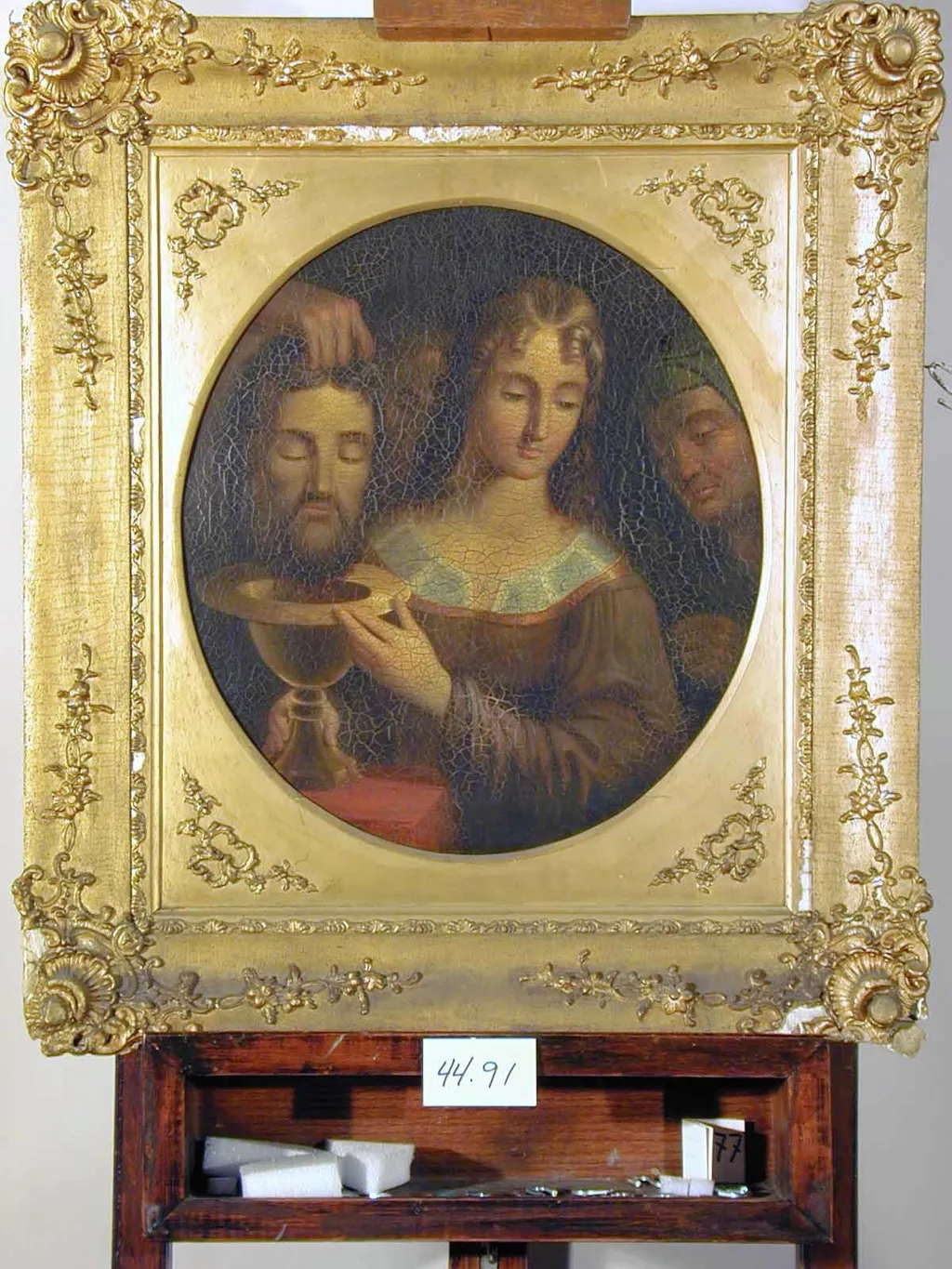
Salome with the Head of John the Baptist is an unspecified painting by the British Romanticist artist Frederick E. Cohen. It dates from 1849 and is held in the collection of the Detroit Institute of Arts. Painted in 1849 by Frederick E.
About this work
Overview
Cohen, this work depicts the biblical moment of Salome presenting the severed head of John the Baptist on a platter.
Painted in 1849 by Frederick E. Cohen, this work depicts the biblical moment of Salome presenting the severed head of John the Baptist on a platter. The painting resides in the collection of the Detroit Institute of Arts. Its composition centers on a solitary female figure and the grim trophy she holds, rendered with restrained emotion and minimal background detail to focus attention on the act and its psychological weight.
Subject & Meaning
The scene references the New Testament account in which Salome, at her mother’s urging, demands John the Baptist’s head as a reward for dancing. Cohen portrays Salome not as a figure of triumph but as a quiet, almost detached agent of fate. The calmness of both figures—the woman and the decapitated prophet—suggests resignation rather than violence, inviting contemplation of moral consequence and the cost of obedience to power.
Technique & Style
Cohen employs a muted palette dominated by dark tones, with subtle contrasts in the woman’s light collar and the pallor of the head to draw the eye. Brushwork is controlled and smooth, avoiding dramatic chiaroscuro in favor of even, diffused light. The background recedes into near-obscurity, isolating the figures and amplifying the intimacy of the moment. Facial expressions are rendered with delicate precision, emphasizing stillness over spectacle.
History & Provenance
The painting was completed in 1849 and entered the Detroit Institute of Arts’ collection in the early 20th century. Its provenance before acquisition is not well documented, though it aligns with mid-19th-century American interest in biblical narratives rendered with psychological nuance. It has remained in the museum’s holdings since, with no record of significant restoration or public exhibition beyond institutional archives.
Context
In the mid-1800s, American artists increasingly turned to religious subjects as vehicles for moral and emotional exploration, often influenced by European Romanticism and academic traditions. Cohen’s treatment of Salome diverges from theatrical European depictions, favoring quiet introspection. This reflects a broader trend among U.S. painters to emphasize inner states over external drama, even in violent biblical scenes.
Legacy
Though not widely known outside regional collections, the painting stands as an example of 19th-century American religious painting that prioritizes psychological restraint over sensationalism. It contributes to a lesser-discussed strand of biblical art in the United States, where solemnity and subtlety replace grandeur. Its continued presence in the Detroit Institute of Arts underscores its role as a quiet, enduring artifact of its era.
Artist & collection

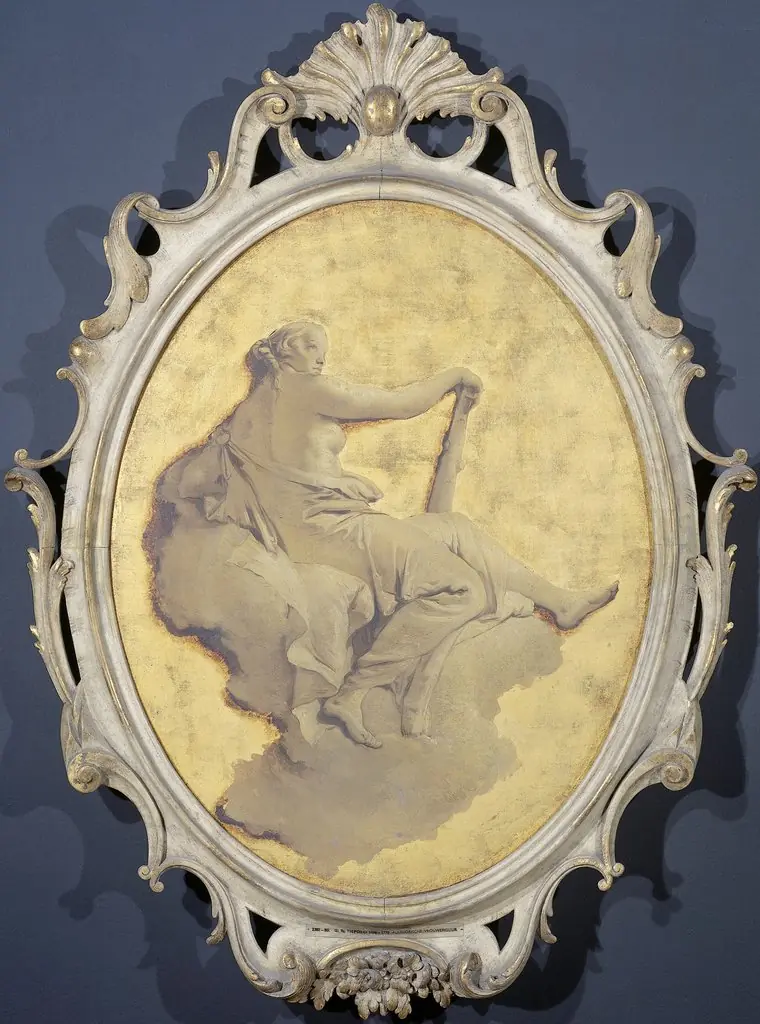 Allegorical Figure of a Woman with a Club (Fortitude?)
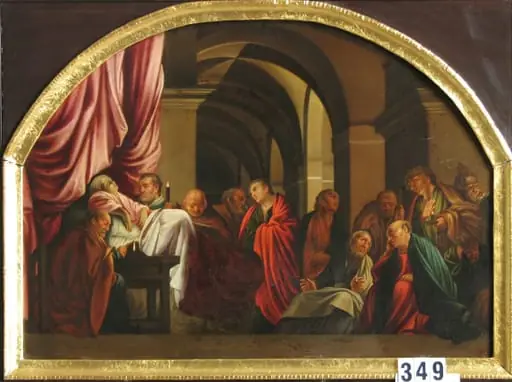 Moartea Fecioarei Maria (în Reg. Inv.: Moartea Mariei)
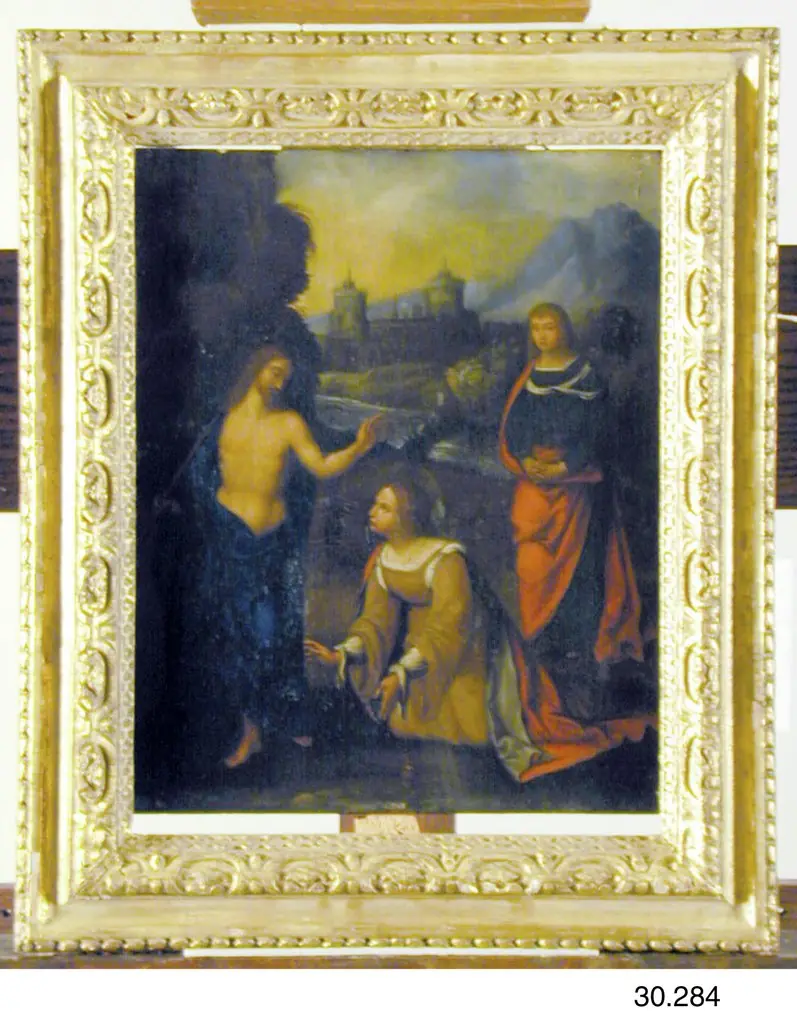 Noli Me Tangere
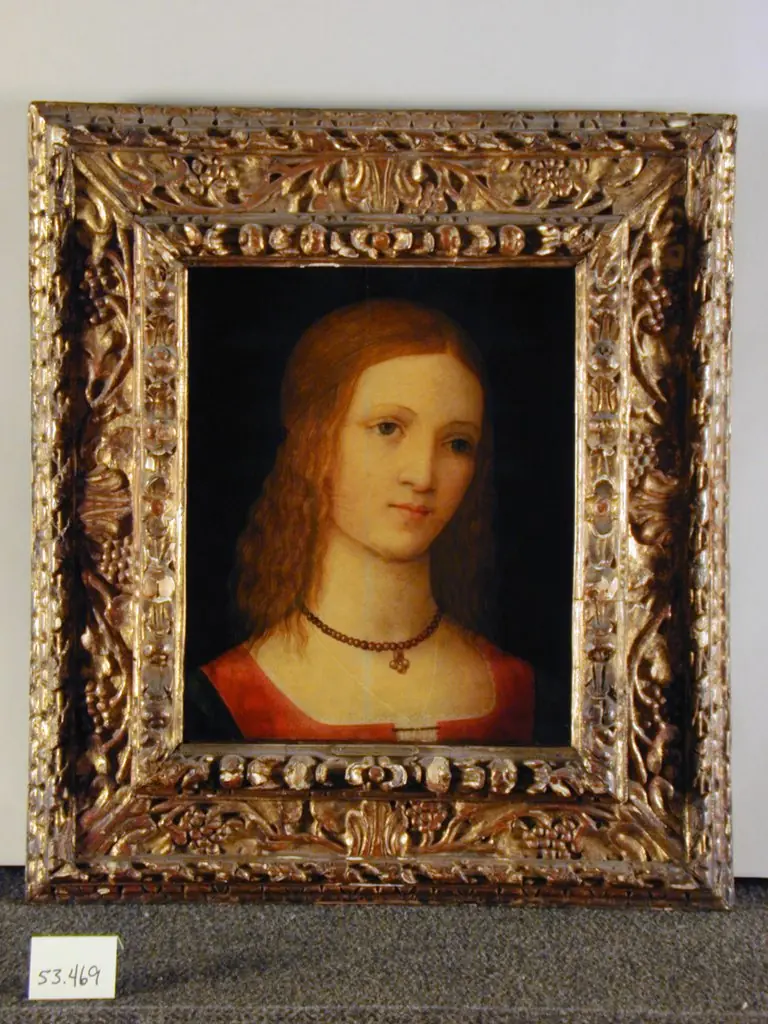 Young Girl
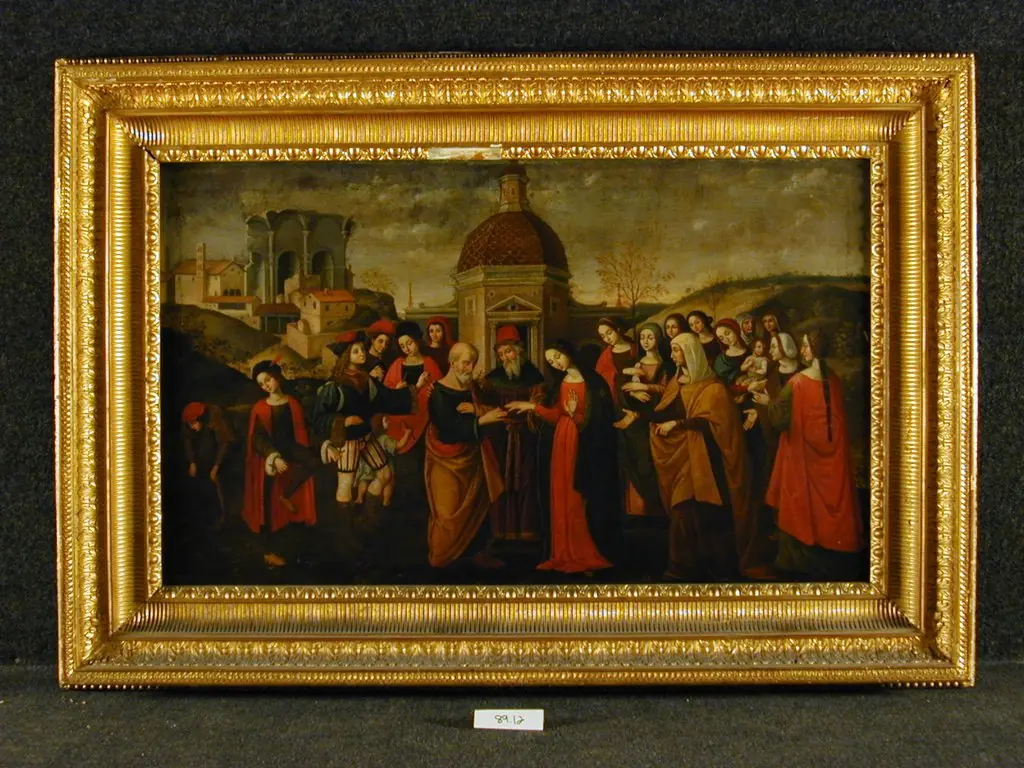 The Marriage of the Virgin
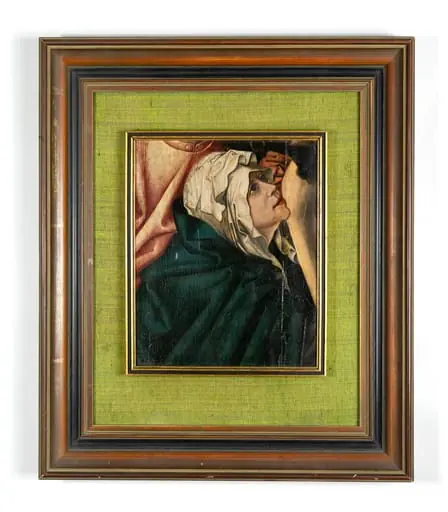 Painting, Virgin Mary
 Cristos și samariteana ; pandant: Cristos de vorbă cu Nicodim
 Fructe cu pară tăiată (pandant: Fructe cu pepene rupt)
 Naisen pää, harjoitelma veistoksen mukaan
 Adorația magilor; în registrul inventar: Cei trei magi adorând pe Christos