Artwork
Portrait of Lady
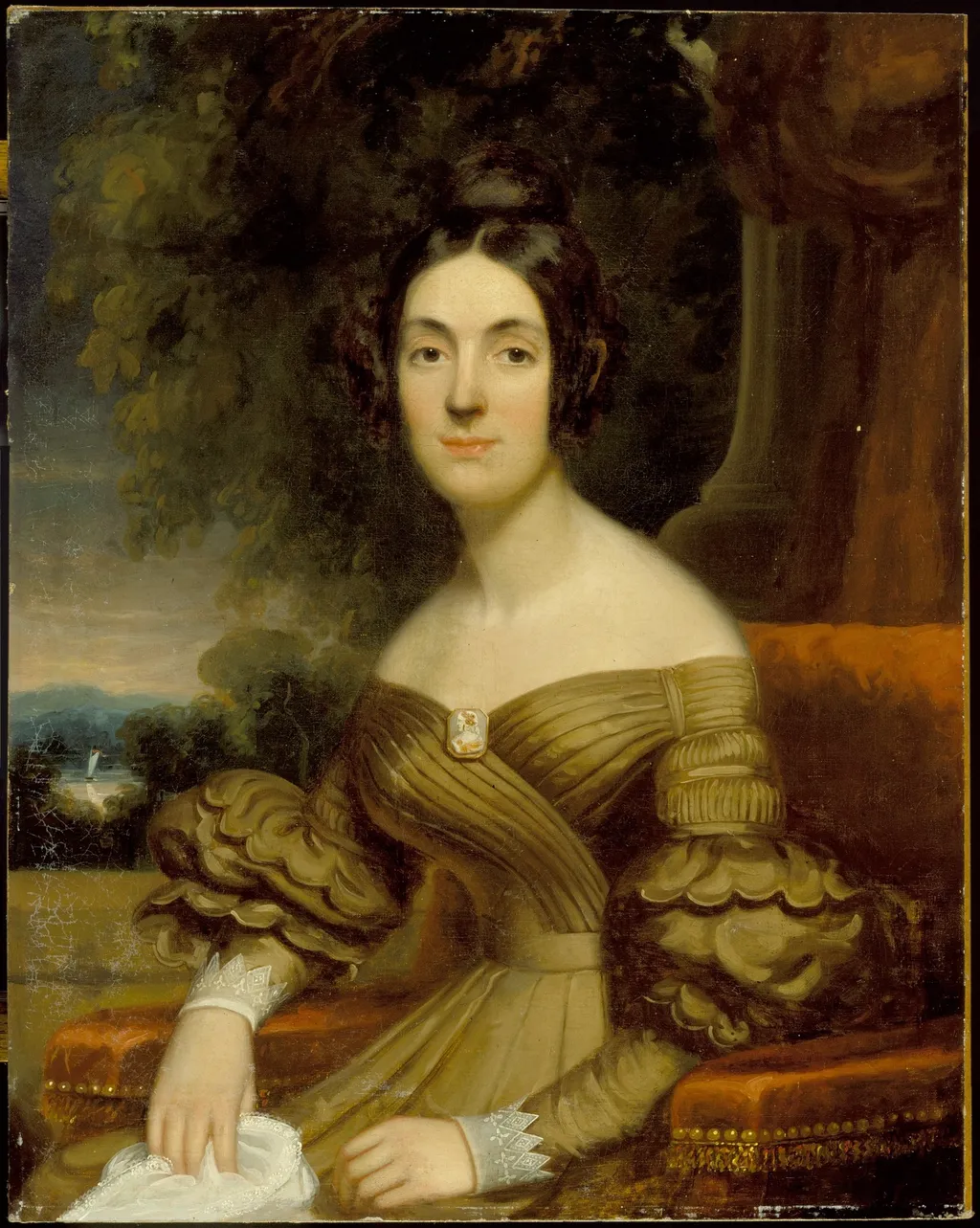
Portrait of Lady is an oil painting by the British Romanticist artist Frederick R. Spencer. It dates from 1835 and is held in the collection of the Los Angeles County Museum of Art. Painted in 1835 by American artist Frederick R.
About this work
Overview
Painted in 1835 by American artist Frederick R. Spencer, this oil portrait captures a woman in quiet composure. Executed with restrained elegance, the work reflects Spencer’s engagement with European portraiture traditions despite his American origins. It resides in the collection of the Los Angeles County Museum of Art, where it stands as one of the few documented works by the artist.
Subject & Meaning
The subject is a woman dressed in a dark brown gown with full sleeves, seated on a couch and gazing directly at the viewer.
The subject is a woman dressed in a dark brown gown with full sleeves, seated on a couch and gazing directly at the viewer. She holds a white cloth, possibly a handkerchief or veil, suggesting modesty or refined manners. The stillness of her posture and direct gaze convey a sense of dignified presence, typical of early 19th-century portraiture aimed at asserting social standing through composed demeanor.
Technique & Style
Spencer employed oil paint to achieve soft transitions in skin tones and fabric textures, with careful attention to light falling across the figure. The dark, indistinct background—hinting at distant trees and water—draws focus to the sitter. The brushwork is controlled, avoiding overt drama; the style aligns with the quieter, introspective side of Romantic portraiture, prioritizing psychological presence over theatricality.
History & Provenance
The painting’s early ownership is undocumented, but it entered the Los Angeles County Museum of Art’s collection in the 20th century. As Spencer was active primarily in the northeastern United States, the work’s journey to California remains unclear. Its survival and preservation suggest it was valued by private collectors before institutional acquisition, though few records of Spencer’s career survive.
Context
Created during the height of Romanticism in Europe, the portrait echoes the movement’s interest in individual character and emotional subtlety, even if Spencer’s approach lacks the grandeur of his British or Continental peers. As an American artist working in a transatlantic tradition, he adapted European conventions to local tastes, producing portraits that balanced formality with personal stillness.
Legacy
Frederick R. Spencer left behind a limited body of work, and this portrait remains one of his most recognizable. It offers insight into the practices of lesser-known American portraitists who operated between regional commissions and international styles. The painting contributes to broader studies of 19th-century American art that engaged with, but did not dominate, European artistic currents.
Artist & collection


 Portrait of Charlotte Story Forrester
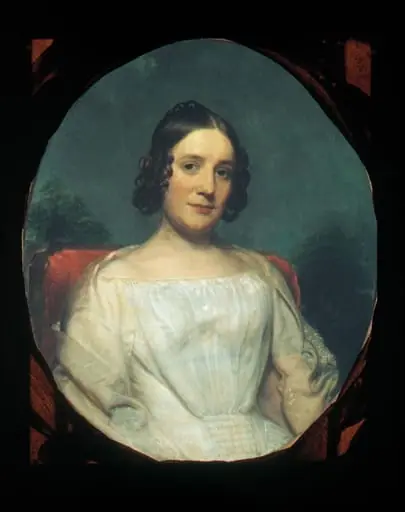 Mrs. Adrian Baucker Holmes
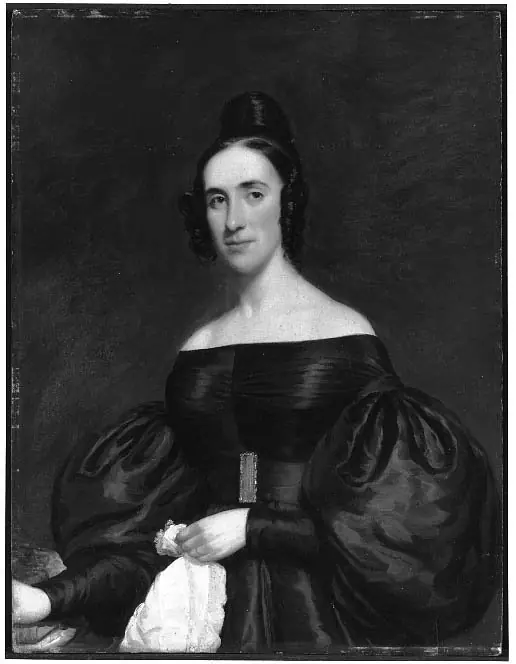 Lady in a Dark Blue Dress
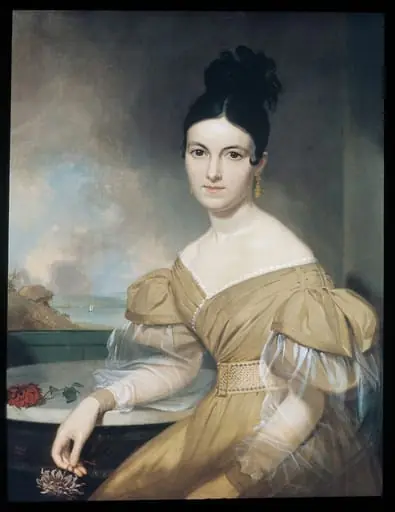 Mrs. Winfield Scott
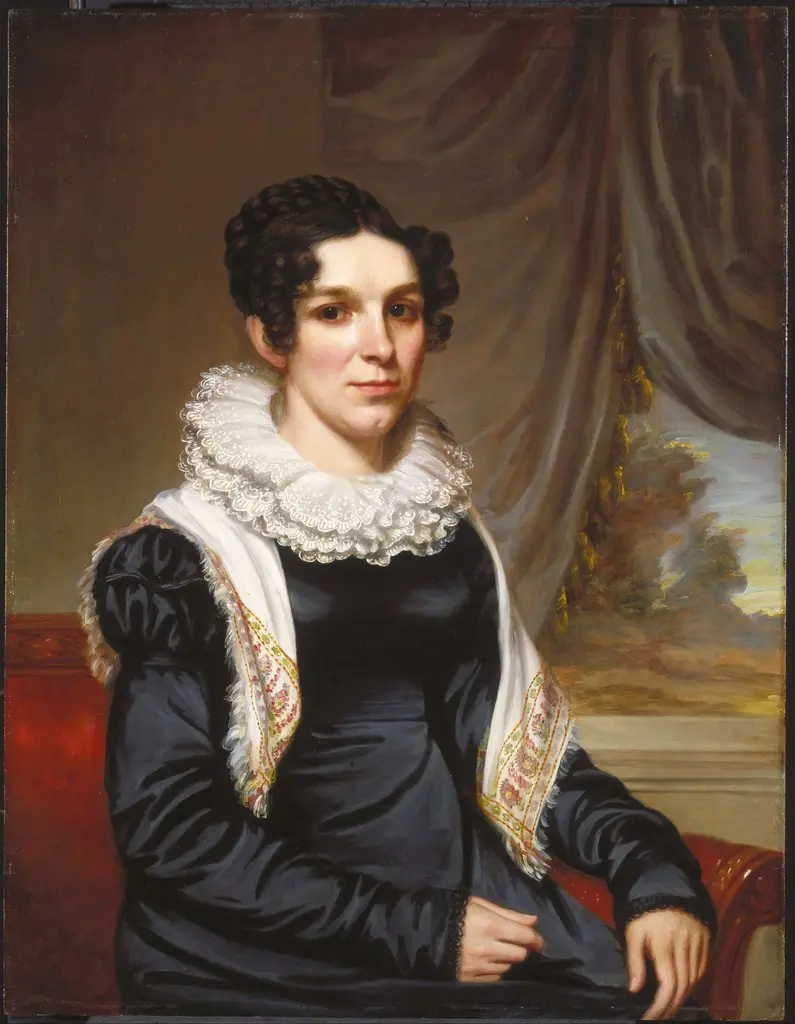 Maria Clarissa Leavitt
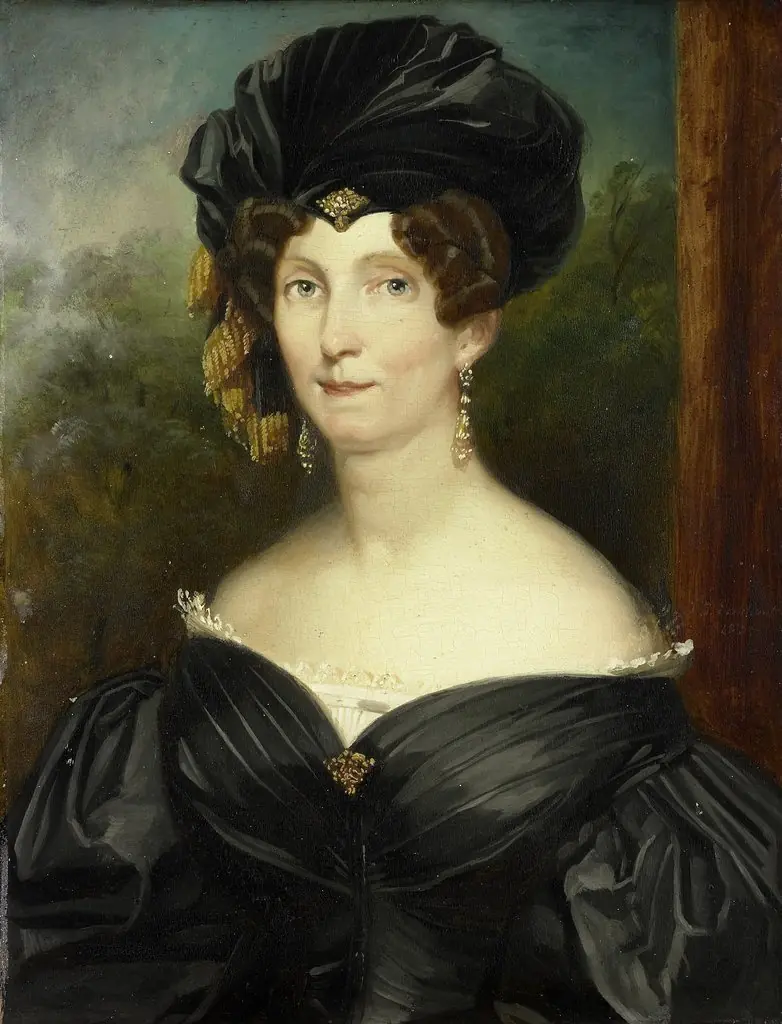 Portrait of Petronella de Lange, Wife of Theodorus Frederik van Capellen
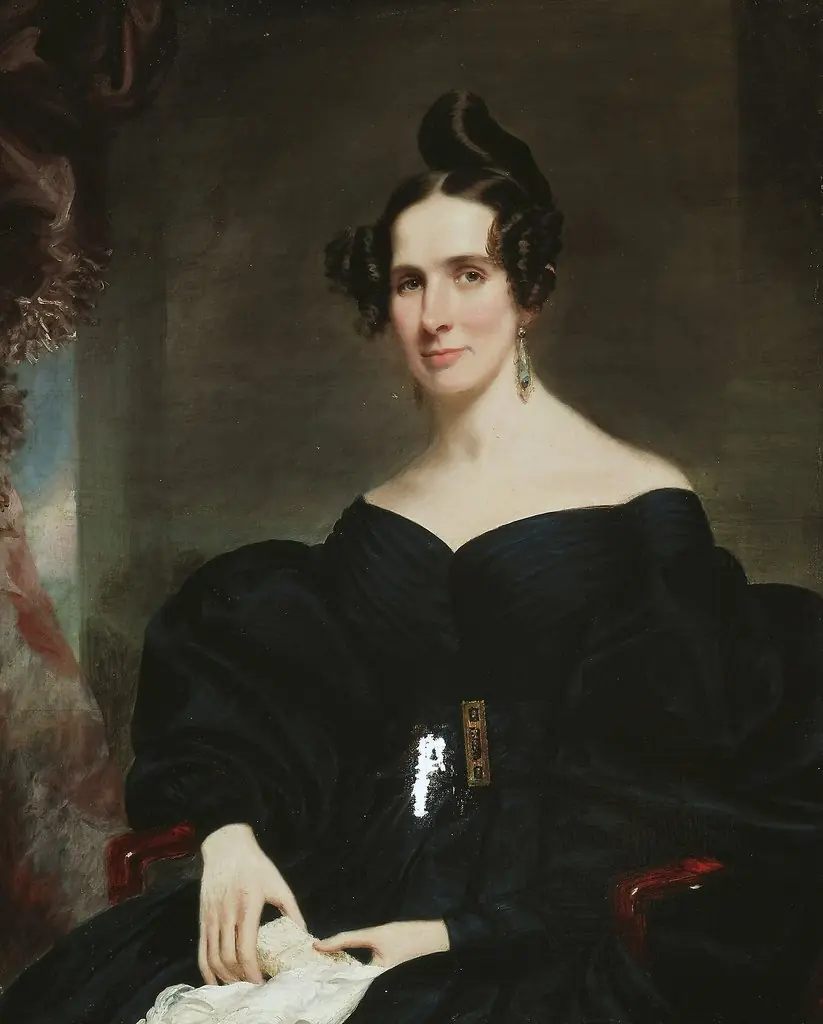 Mrs. James Mackie
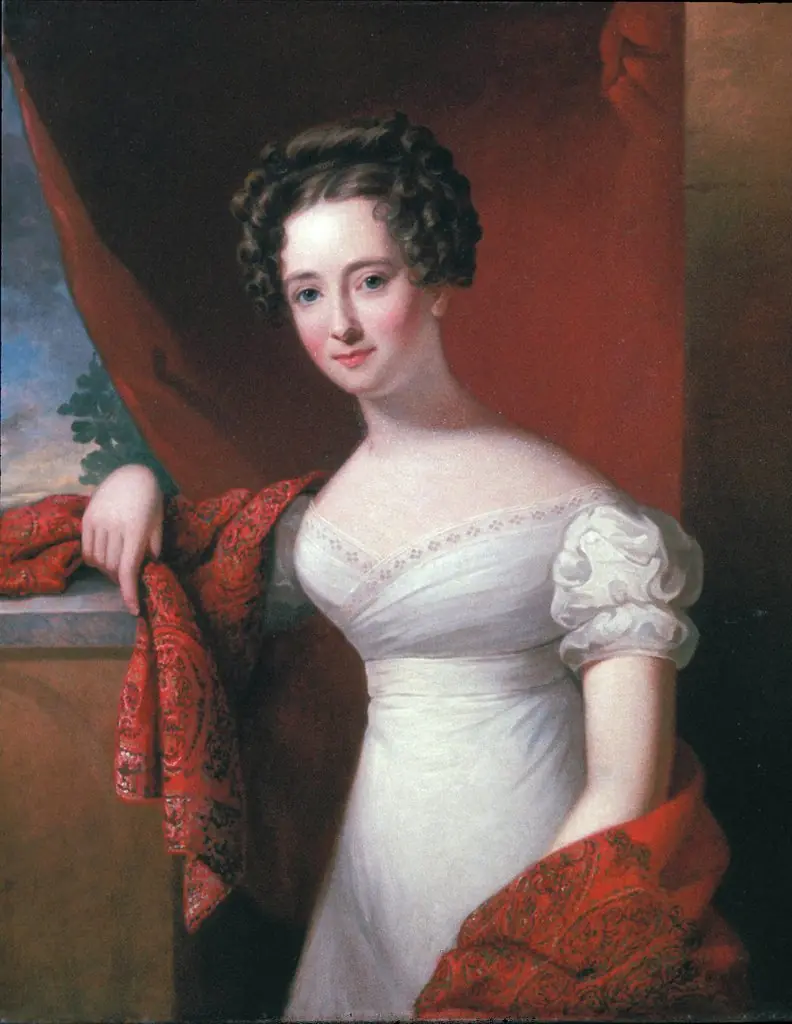 Isabella Hodgkiss Norvell
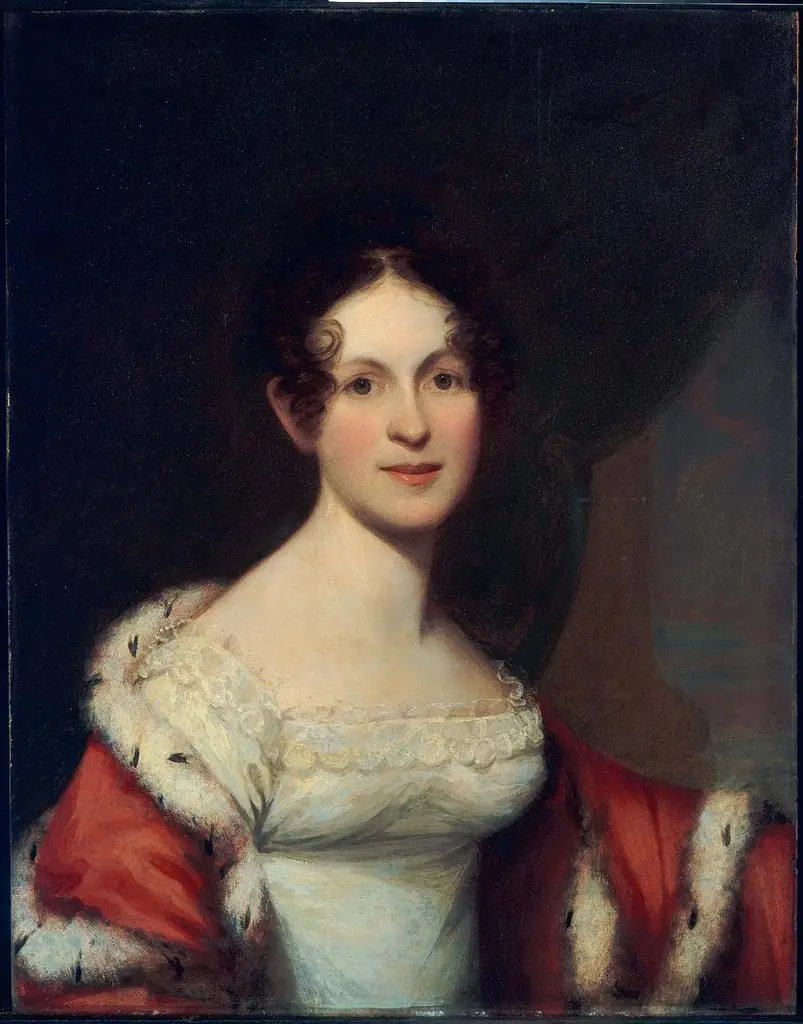 Mrs. Nathaniel West, Jr. (Mary White)
 Maria Gansevoort Melvill (Mrs. Allan Melvill)
 Portrait of Józefina Deboli née Drużbacka