Artwork
Lady in a Dark Blue Dress
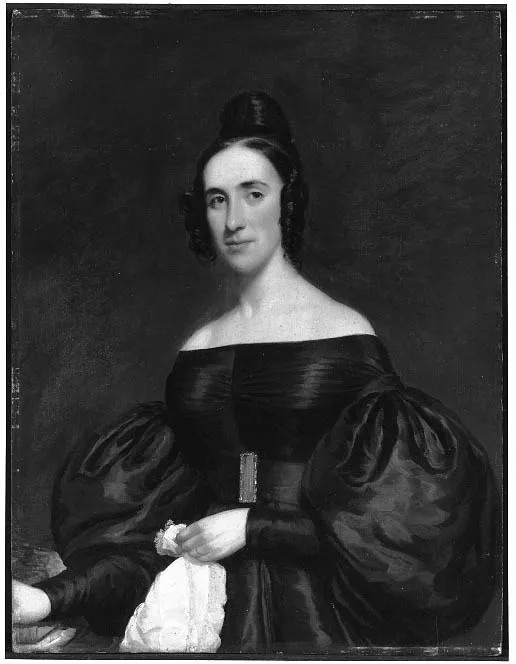
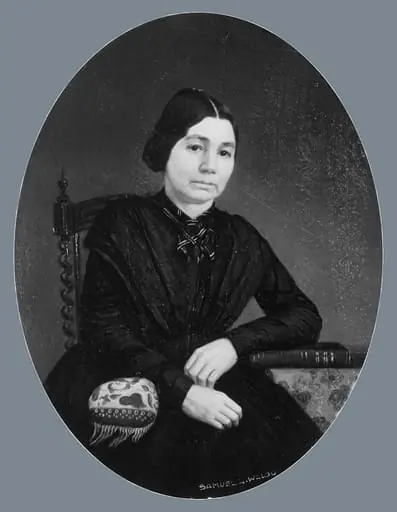
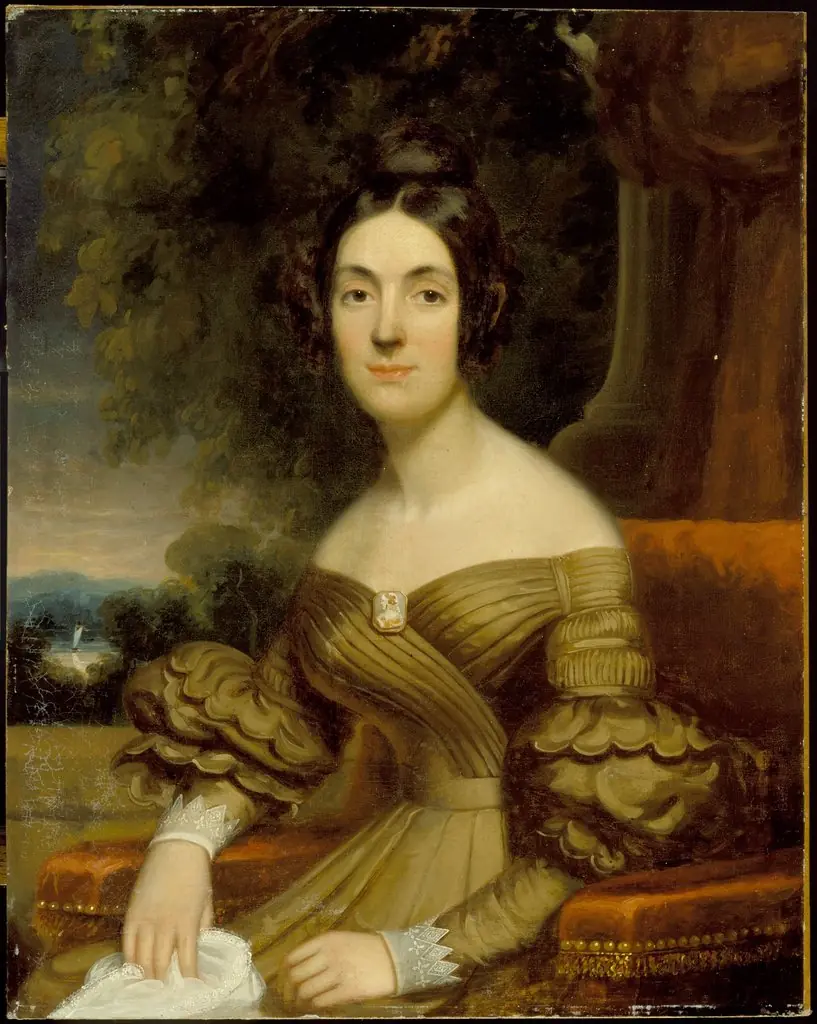
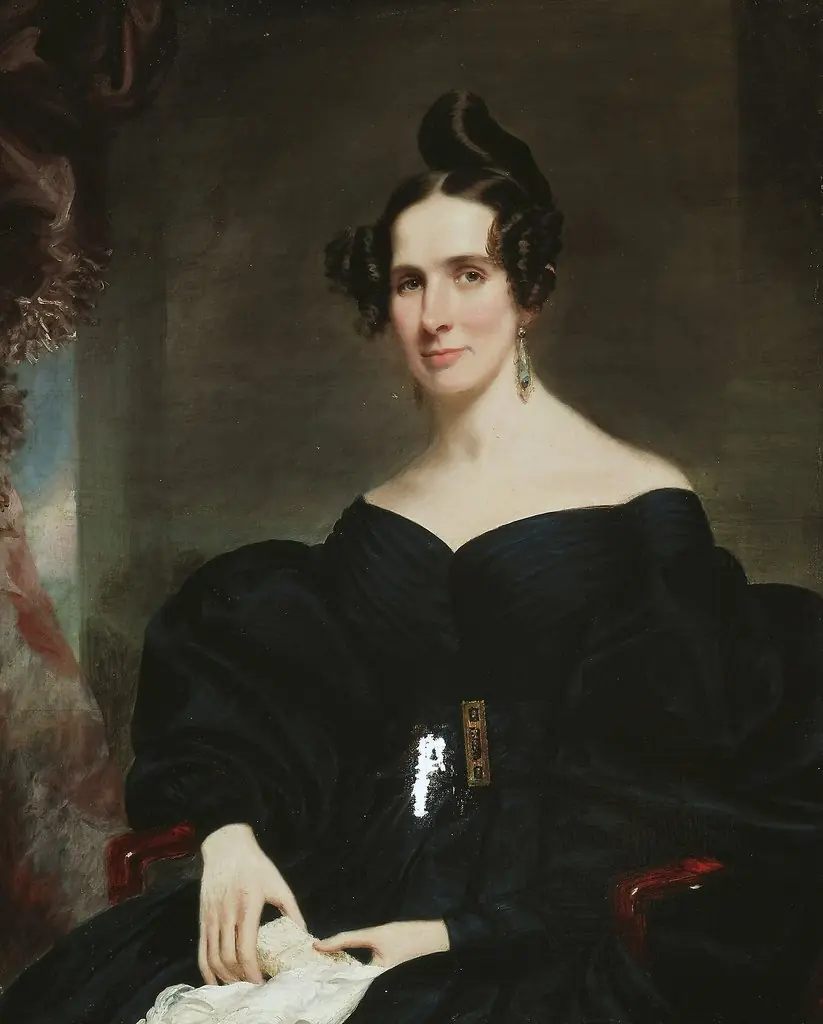
Lady in a Dark Blue Dress is an unspecified painting by the Realist artist Samuel Lovett Waldo. It dates from 1835 and is held in the collection of the Museum of Fine Arts Boston.
About this work
Overview
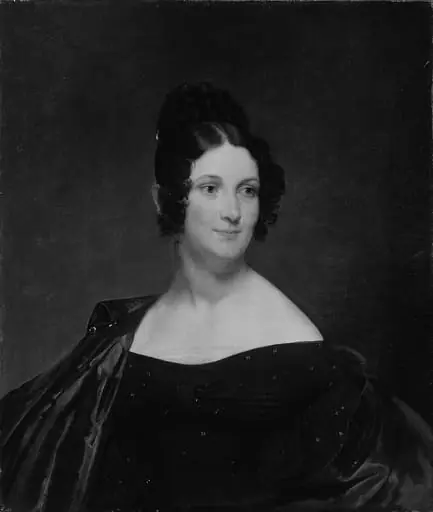
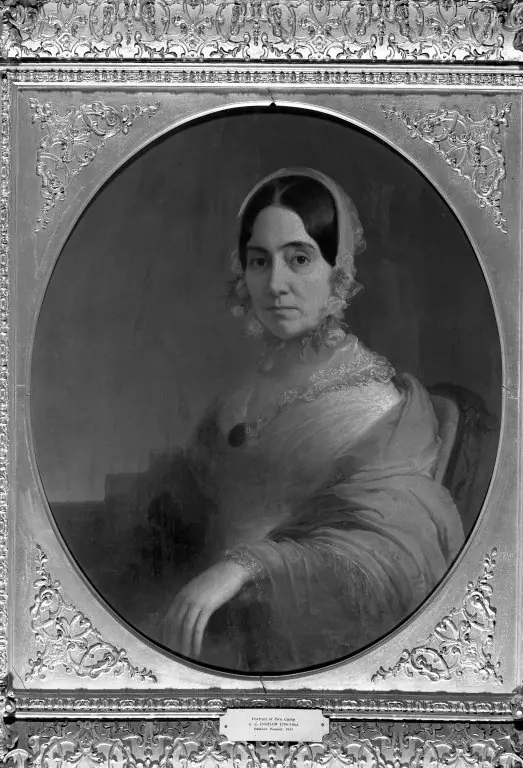
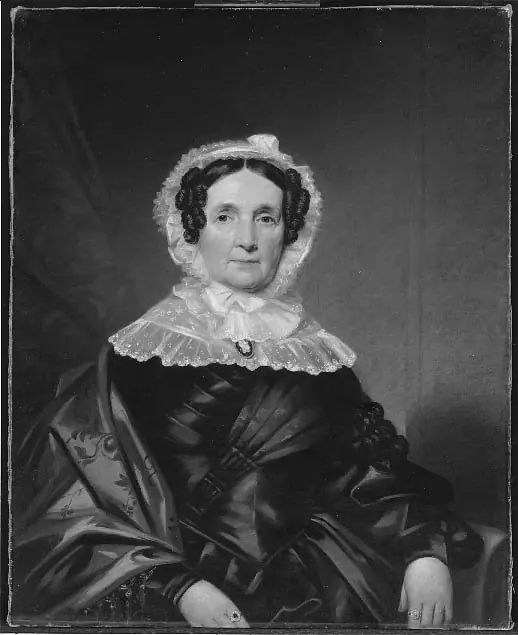
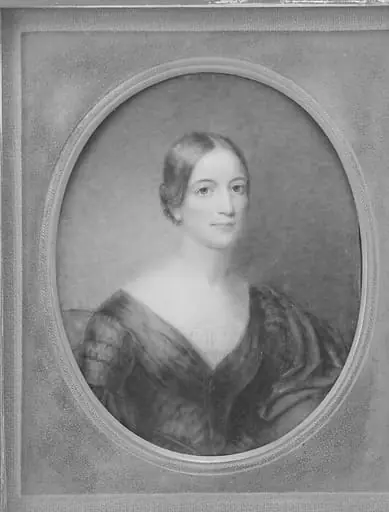
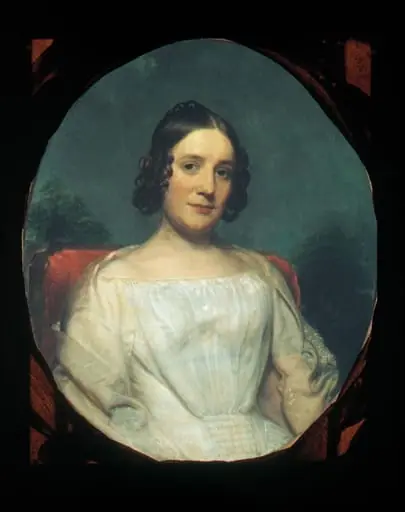
Painted in 1835 by Samuel Lovett Waldo, this portrait captures a woman seated against a deep, unadorned background. Her dark blue dress, off-the-shoulder and simply tailored, anchors the composition. The absence of elaborate props or setting directs focus to her presence. The work exemplifies early 19th-century American portraiture, emphasizing quiet dignity over theatricality.
Subject & Meaning
Her white lace glove and carefully arranged updo signal refinement, yet the lack of jewelry or symbolic objects resists narrative interpretation.
The subject, unidentified, gazes slightly aside with a restrained expression, suggesting introspection rather than engagement with the viewer. Her white lace glove and carefully arranged updo signal refinement, yet the lack of jewelry or symbolic objects resists narrative interpretation. The painting conveys a sense of private stillness, inviting contemplation without revealing personal identity or story.
Technique & Style
Waldo employed soft, blended brushwork to render the fabric of the dress and the delicate texture of the lace glove. The dark background enhances the figure’s form through subtle tonal contrasts, avoiding sharp outlines. Lighting is even and diffused, minimizing dramatic shadows. This restrained approach reflects a preference for naturalism over idealization, typical of Waldo’s mature style.
History & Provenance
The painting entered the Museum of Fine Arts, Boston’s collection in the early 20th century, though its earlier ownership remains undocumented. It was likely commissioned by a private patron in New England, consistent with Waldo’s clientele during the 1830s. No records indicate public exhibition prior to its acquisition by the museum.
Context
During the 1830s, American portrait painters increasingly turned to intimate, psychologically nuanced depictions as alternatives to formal grandeur. Waldo, trained in Europe and active in Boston and New York, adapted European conventions to suit domestic tastes. This work aligns with a broader trend toward understated elegance in middle- and upper-class portraiture.
Legacy
Though not among Waldo’s most widely recognized works, this portrait illustrates his skill in conveying quiet individuality. It contributes to the understanding of how American artists balanced European training with local sensibilities. The painting remains a quiet example of early 19th-century portraiture that values presence over spectacle.
Artist & collection