Artwork
The Lion in Love
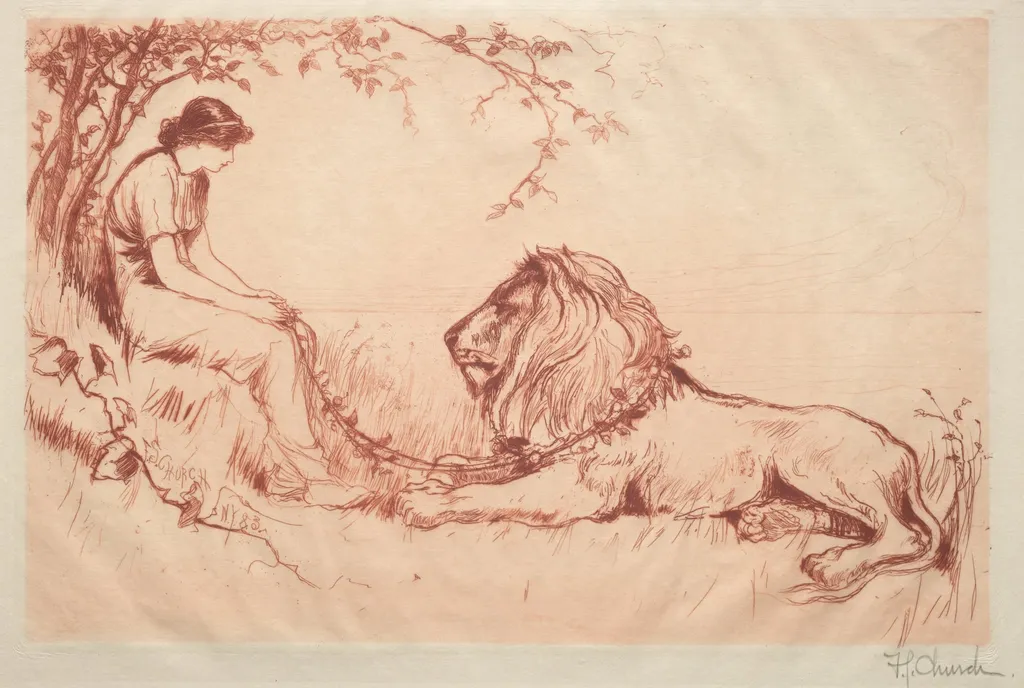
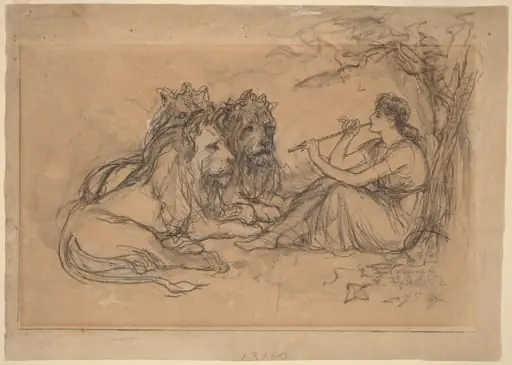
The Lion in Love is a print by the Impressionist artist Frederick Stuart Church. It dates from 1883 and is held in the collection of the Cleveland Museum of Art.
About this work
Overview
Created in 1883 by American illustrator Frederick Stuart Church, *The Lion in Love* is a print that presents a symbolic narrative through the quiet interaction between a woman and a lion. Church, known for his allegorical animal subjects, used this composition to explore themes of tenderness and control in nature. The work is part of the permanent collection at The Cleveland Museum of Art.
Subject & Meaning
The scene evokes an idealized harmony between human and wild, possibly alluding to the taming of passion or the power of compassion to transform instinct.
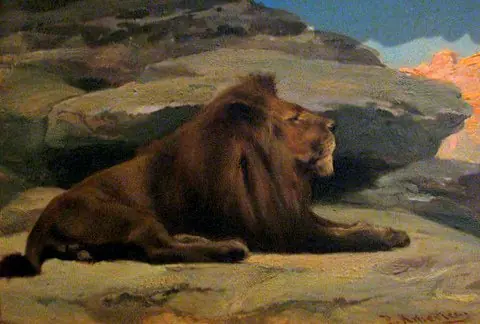
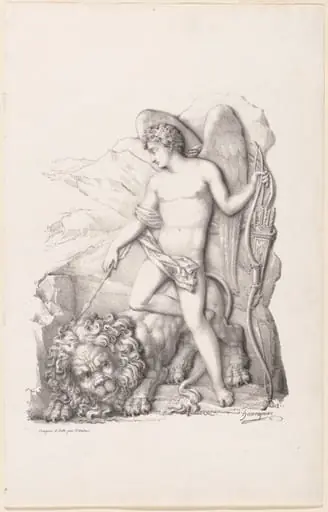
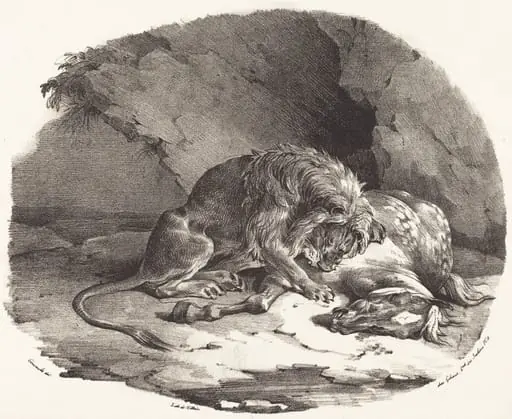
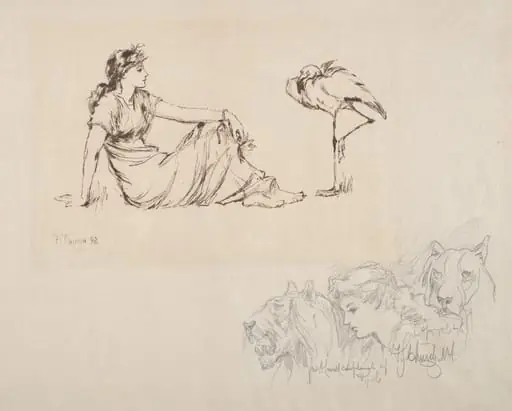
The image depicts a woman seated calmly beside a reclining lion, its massive form softened by its stillness and proximity to her. The leash, lightly held, suggests domestication without force. The scene evokes an idealized harmony between human and wild, possibly alluding to the taming of passion or the power of compassion to transform instinct. The lion’s submission is not coerced but appears voluntary, deepening the allegory.
Technique & Style
Church rendered the scene with precise, illustrative detail, emphasizing texture in the lion’s mane and the woman’s flowing garments. The landscape is softly modeled, with gentle gradients of green and earth tones framing the figures without distraction. The composition is balanced and serene, using spatial calm to reinforce the emotional quietude. Line and tone are controlled, reflecting Church’s background in editorial illustration and his focus on narrative clarity.
History & Provenance
The print was produced in 1883 as part of Church’s broader body of animal-themed illustrations, often published in periodicals before being collected in book form. It entered the Cleveland Museum of Art’s collection in the 20th century, where it has remained as a representative example of late 19th-century American illustrative printmaking. No significant alterations or reproductions are documented in its history.
Context
In the late 1800s, American illustrators increasingly turned to allegory and anthropomorphism to address moral and emotional themes. Church’s work aligned with a cultural fascination with nature’s duality—wildness versus domestication. The lion, a common symbol of power, was often used to explore vulnerability and transformation, reflecting broader Victorian-era interests in sentimentality and the moral potential of the natural world.
Legacy
While not widely exhibited today, *The Lion in Love* endures as a quiet example of how illustrative art could convey complex emotional narratives without overt drama. Church’s approach influenced later illustrators who sought to humanize animals through restraint rather than exaggeration. The work remains a reference point in studies of American visual allegory from the Gilded Age.
Artist & collection
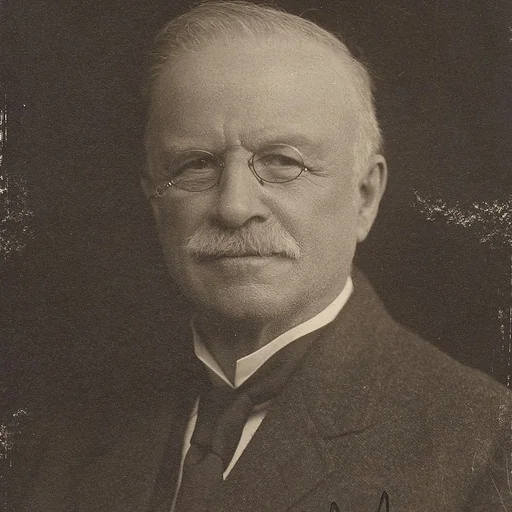
Artist
Frederick Stuart Church (December 1, 1842 – February 18, 1923) was an American artist, working mainly as an illustrator and especially known for his (often allegorical) depiction of animals.