Artwork
Untitled
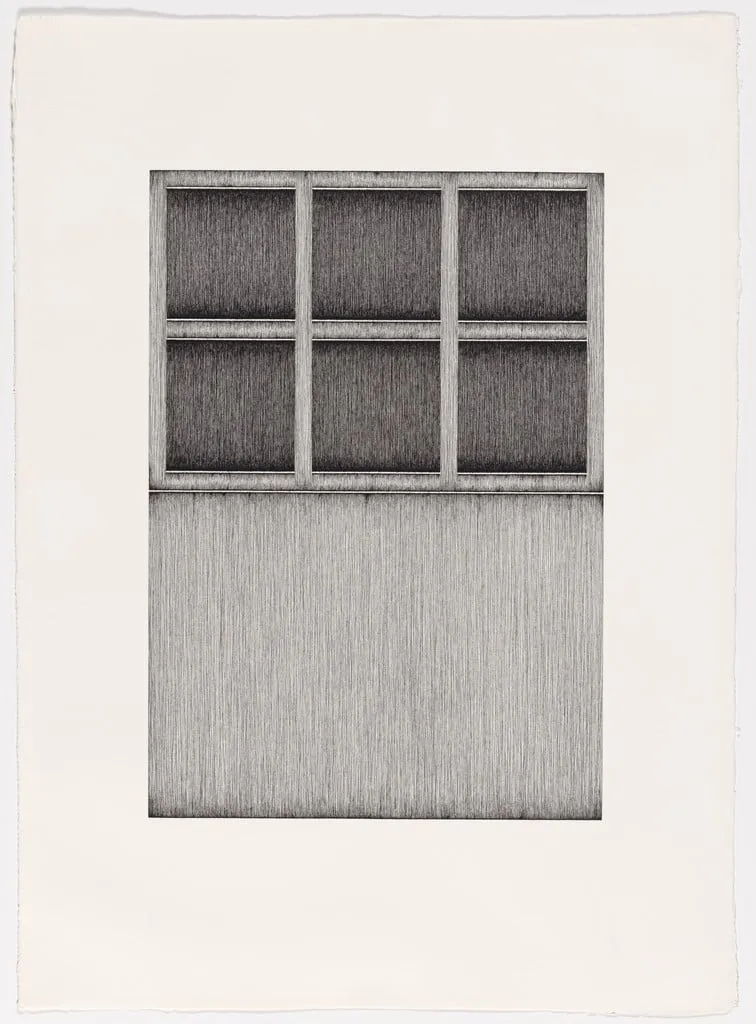
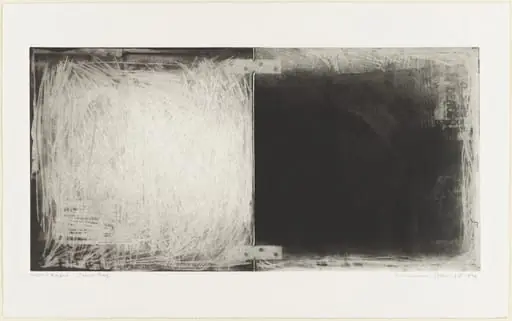
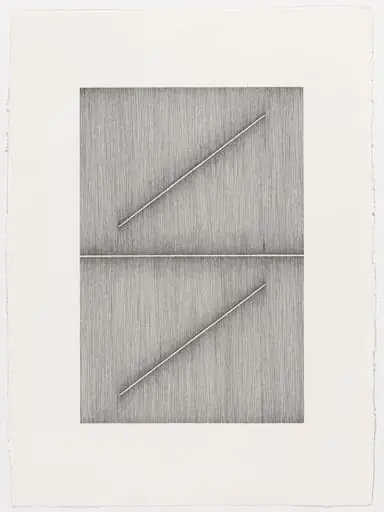
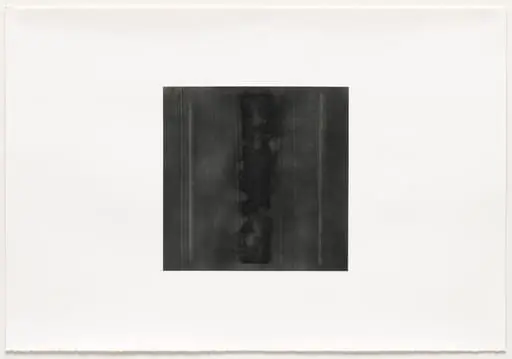
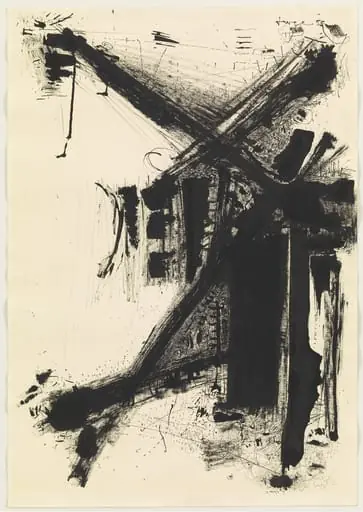
Untitled is an ink drawing by Frederick Wardy. It dates from 1974 and is held in the collection of the Museum of Modern Art.
About this work
Overview
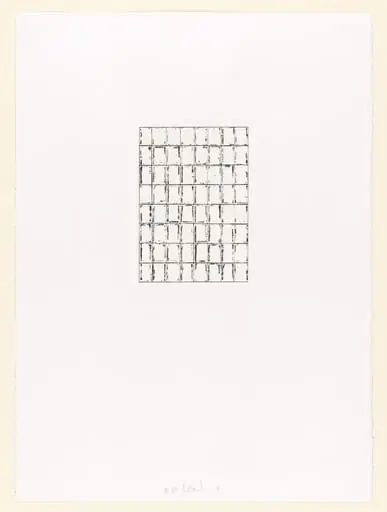
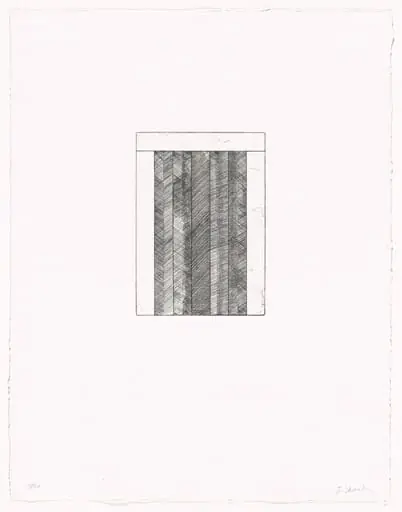
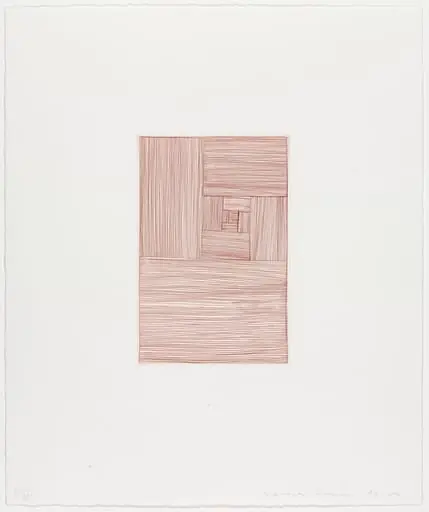
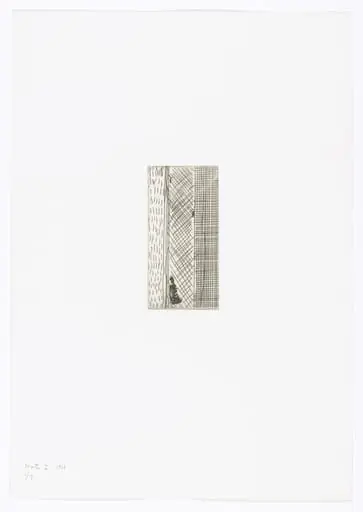
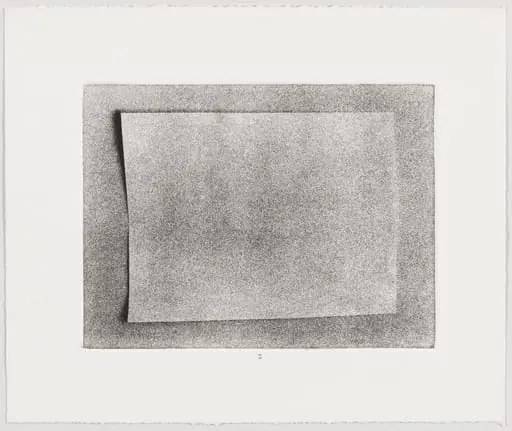
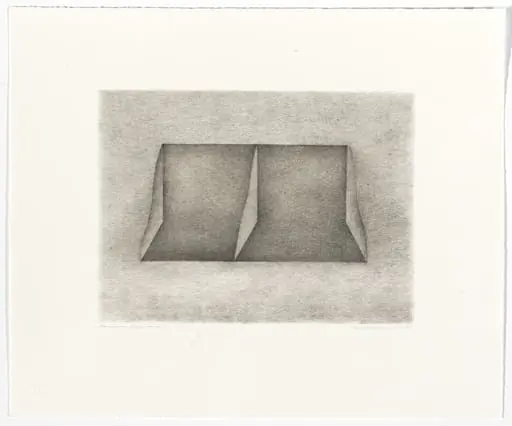
Created in 1974, this ink drawing by Frederick Wardy is part of The Museum of Modern Art’s collection. Executed on paper, the work presents a restrained composition centered on a six-pane window set against a solid wall. The absence of a title invites open interpretation, while the medium’s simplicity emphasizes form and light over narrative.
Subject & Meaning
The drawing depicts a window with two rows of three panes, framed by a flat, darkened lower section suggesting a wall. The window, neither open nor closed, functions as a threshold—neither revealing nor concealing what lies beyond. The quiet ambiguity of the scene encourages reflection on perception, enclosure, and the boundary between interior and exterior space.
Technique & Style
Wardy employs fine ink cross-hatching to model the window’s mullions and suggest subtle shifts in light and shadow. The technique builds texture without color, relying on tonal gradation to create depth. The lines are deliberate and controlled, avoiding expressive flourish; the result is a calm, almost architectural precision that underscores the work’s meditative tone.
History & Provenance
The drawing entered The Museum of Modern Art’s collection shortly after its creation. No public record indicates prior ownership or exhibition history before its acquisition. Its inclusion in the museum’s holdings suggests early recognition of Wardy’s interest in minimal, contemplative forms within postwar American drawing practices.
Context
Made during a period when many artists explored abstraction and conceptual minimalism, Wardy’s work aligns with a quieter strain of drawing that prioritized observation over expression. Its focus on an ordinary architectural element reflects broader interests in everyday space, akin to contemporaries who examined domestic environments with restrained formalism.
Legacy
Though Wardy did not achieve widespread public recognition, this drawing remains a quiet example of late 20th-century American ink drawing that values stillness and subtlety. It continues to be referenced in studies of understated visual language, contributing to broader conversations about the role of simplicity in modernist drawing.
Artist & collection