Artwork
John Selden, Esquire, Jurist and Antiquary
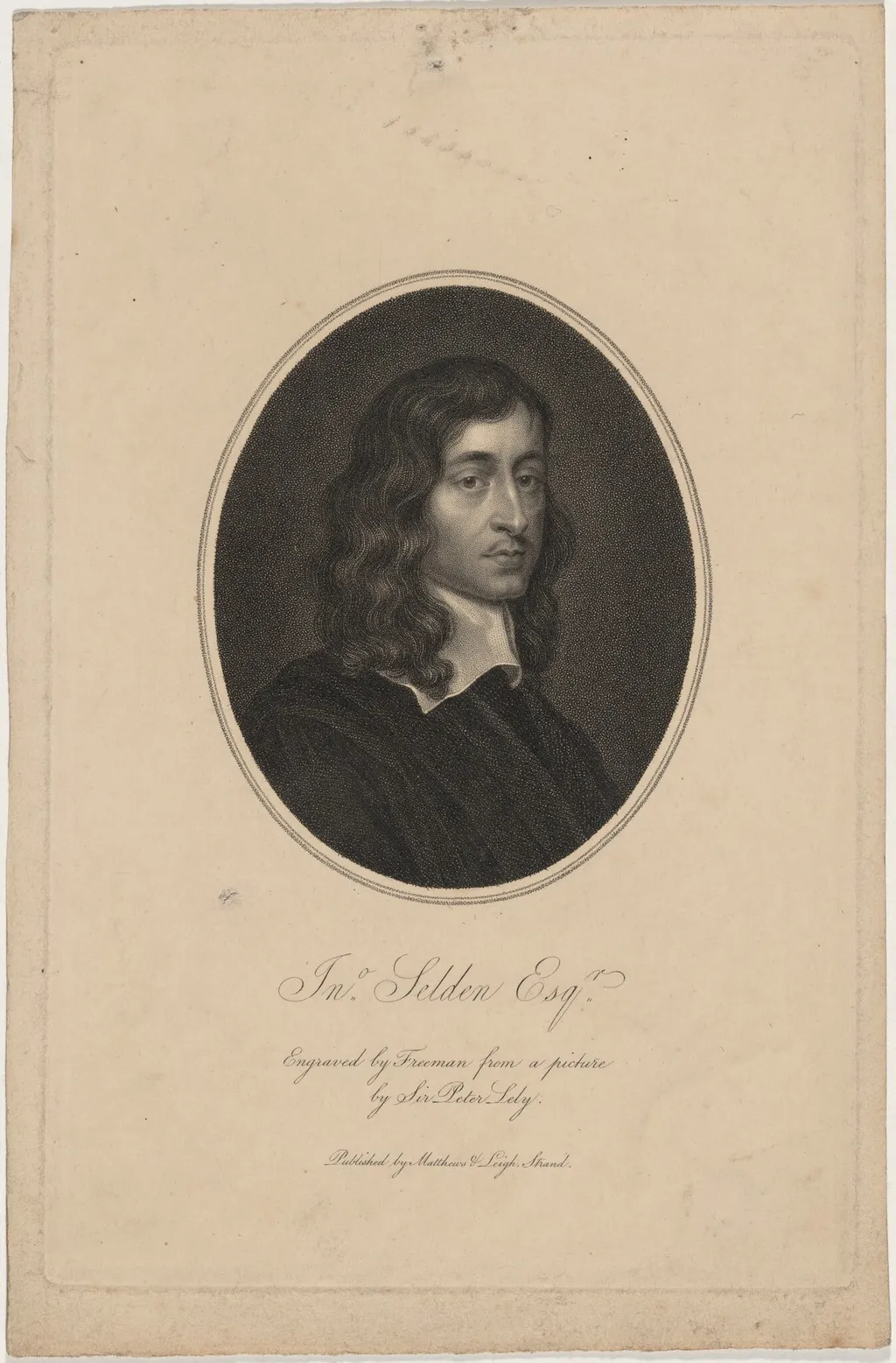
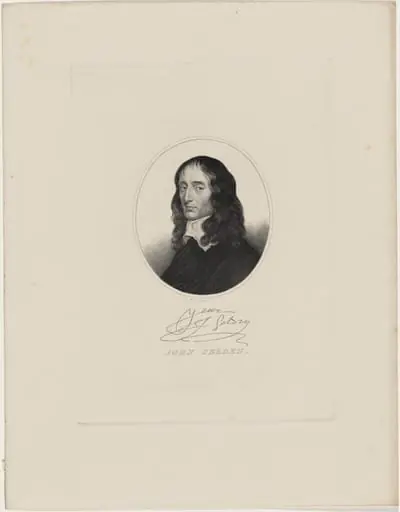
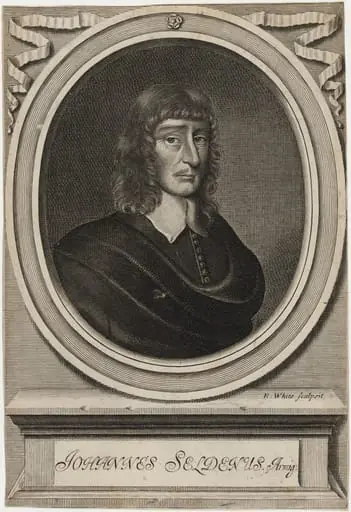
John Selden, Esquire, Jurist and Antiquary is a print by the Romanticist artist Samuel Freeman. It dates from 1815 and is held in the collection of the National Gallery of Art.
About this work
Overview
The inscription identifies the subject and the artist, reflecting the conventions of scholarly portraiture in early 19th-century Britain.
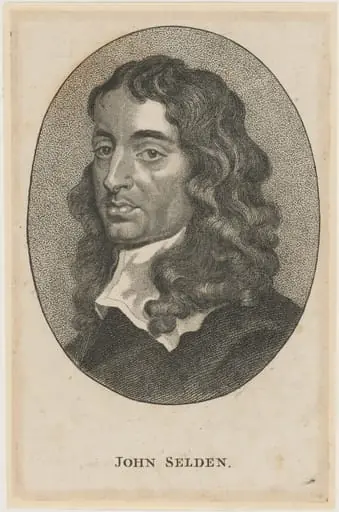
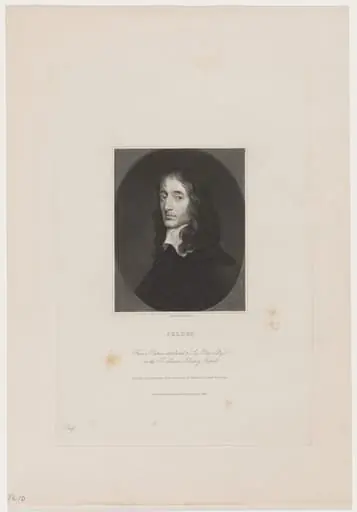
This 1815 stipple engraving by Samuel Freeman depicts John Selden, an English legal scholar and antiquarian. Rendered in monochrome, the portrait presents Selden in a circular frame against a plain background. The technique emphasizes subtle tonal gradations to define facial structure, with minimal decorative elements. The inscription identifies the subject and the artist, reflecting the conventions of scholarly portraiture in early 19th-century Britain.
Subject & Meaning
John Selden was a prominent jurist known for his work in English common law and his studies of ancient legal systems. The portrait captures him with a composed, introspective expression, aligning with his reputation as a meticulous scholar. The absence of symbolic objects or elaborate attire focuses attention on his intellectual presence, reinforcing his identity as a man of letters rather than a figure of political power.
Technique & Style
Freeman employed stippling—a method using small dots to build tone and texture—to render Selden’s features with precision. The technique allows for nuanced shading, particularly in the contours of the face and the texture of his curled hair. The plain background and circular format draw the viewer’s focus entirely to the head, a compositional choice common in engraved portraits meant for scholarly dissemination.
History & Provenance
Created in 1815, the print likely served to commemorate Selden’s legacy decades after his death in 1654. It may have been produced for inclusion in legal or antiquarian publications, where portraits of influential figures were reproduced for educational use. The paper shows signs of age, consistent with handling and storage over two centuries, suggesting it was part of a circulated collection rather than a private commission.
Context
In the early 19th century, there was renewed interest in England’s legal history, and figures like Selden were revisited as foundational thinkers. Engravings of such scholars were often made to support academic discourse, appearing in libraries and legal institutions. Freeman, known for his reproductive engravings, contributed to this trend by translating painted portraits into accessible printed formats.
Legacy
The engraving endures as a visual record of Selden’s intellectual stature, preserved in institutional collections and digital archives. While not widely known outside specialized circles, it remains a representative example of how scholarly identity was visually constructed in the post-Renaissance era. Its simplicity and focus on likeness reflect a broader cultural preference for restrained, authoritative portraiture in academic contexts.
Artist & collection

 John Selden, Jurist and Antiquary
 John Selden, Jurist and Antiquary
 John Selden, Jurist and Antiquary
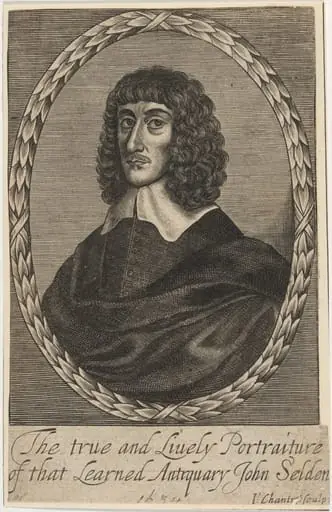 John Selden, Jurist and Antiquary
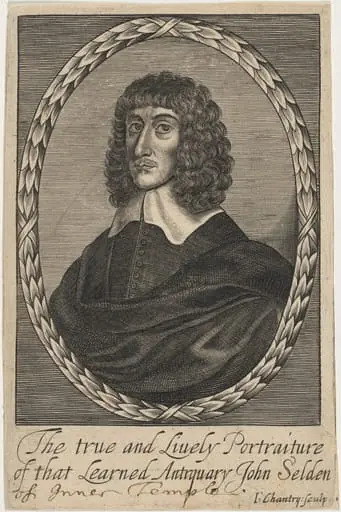 John Selden, Jurist and Antiquary
 John Selden
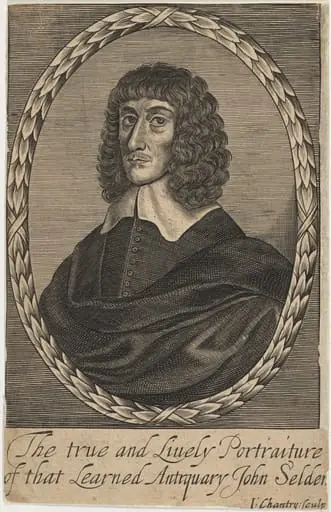 John Selden, Jurist and Antiquary
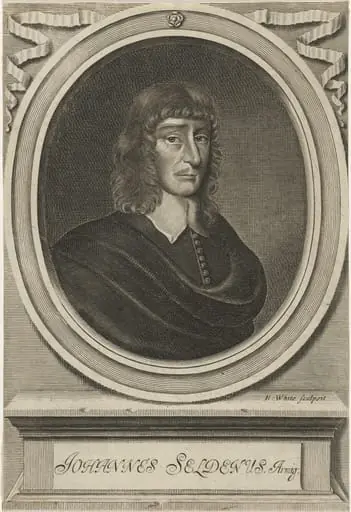 John Selden
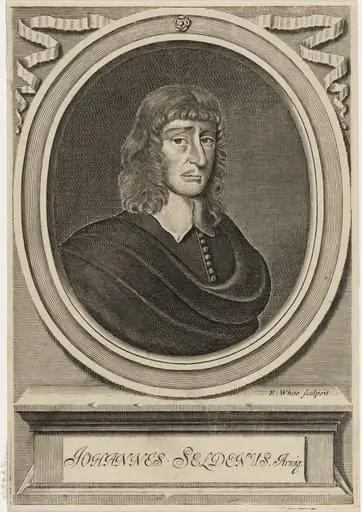 John Selden
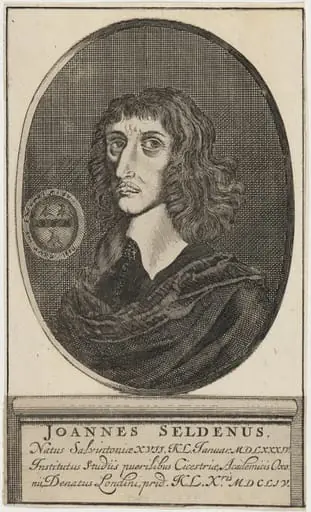 John Selden, Jurist and Antiquary
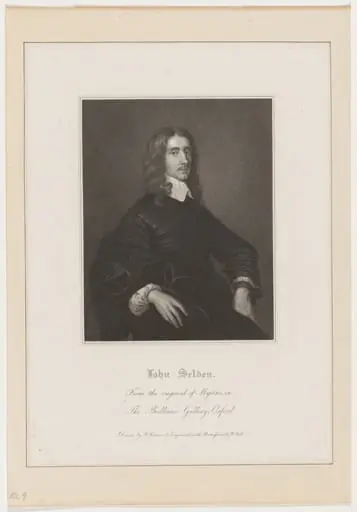 John Selden, Jurist and Antiquary
 John Selden, Jurist and Antiquary