Artwork
John Selden, Jurist and Antiquary
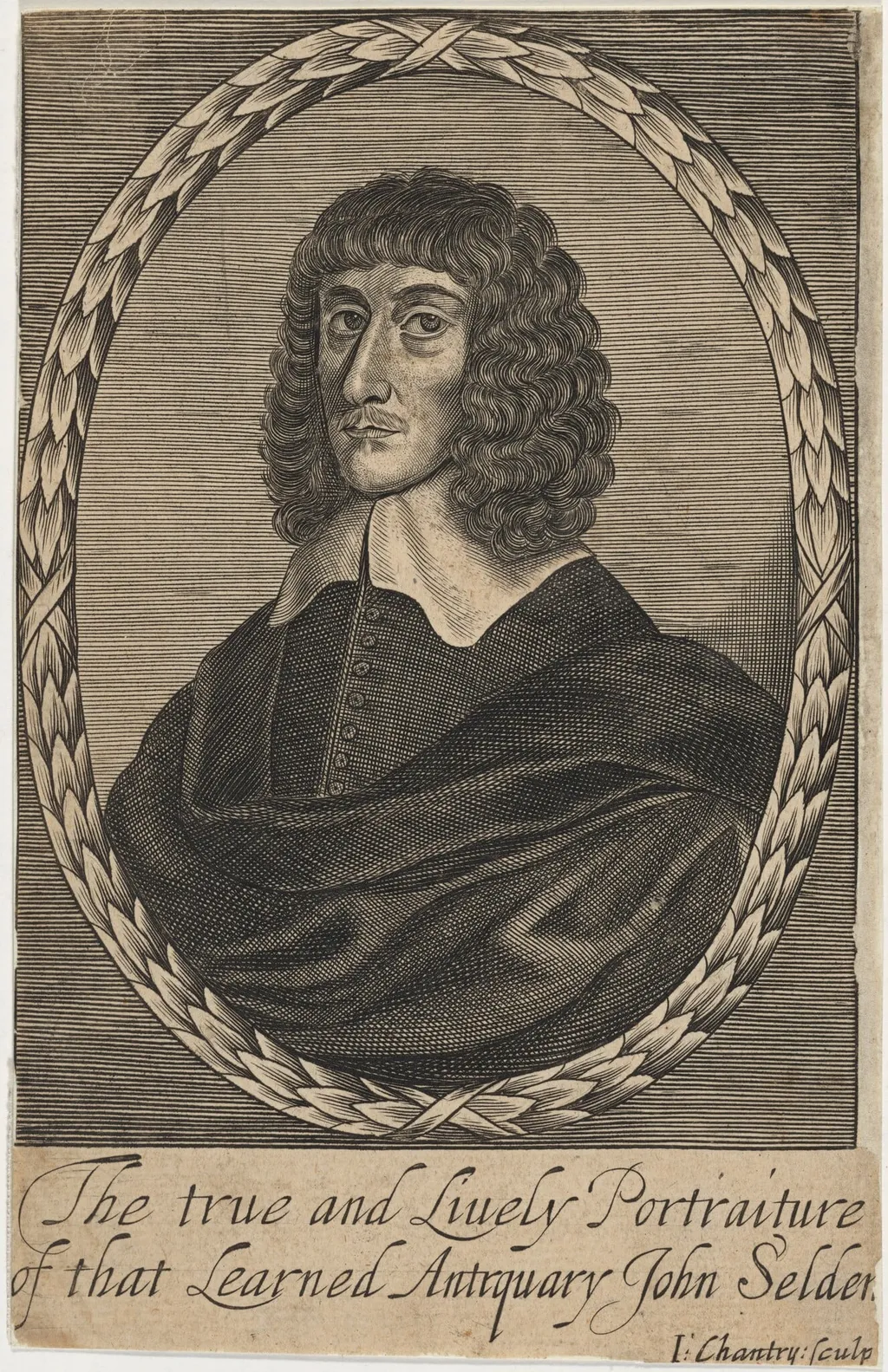
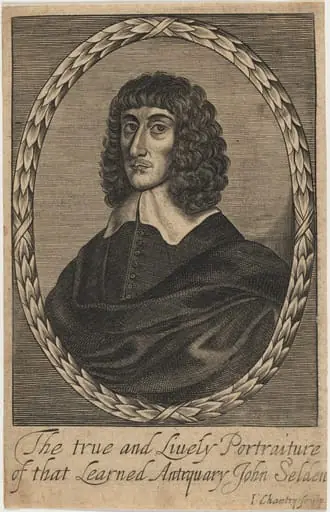
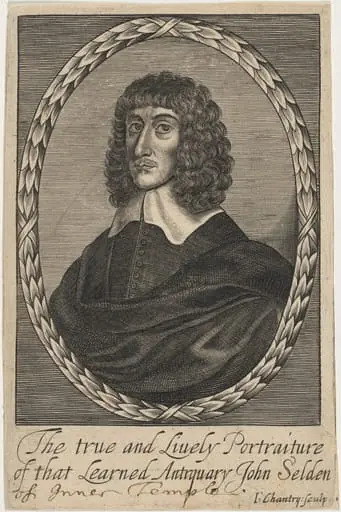
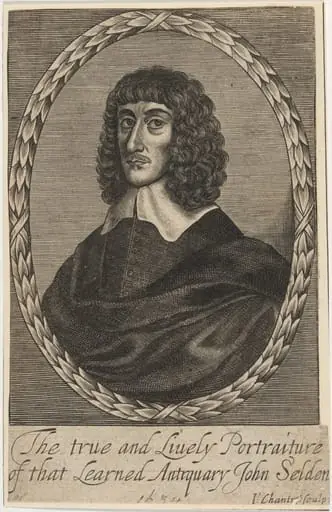
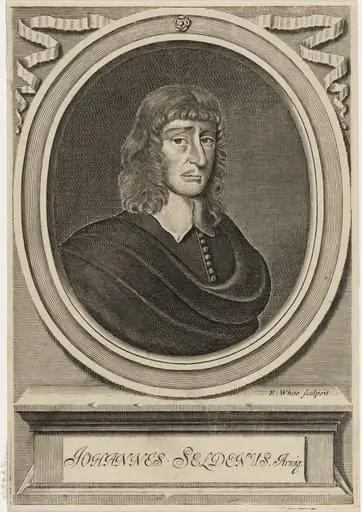
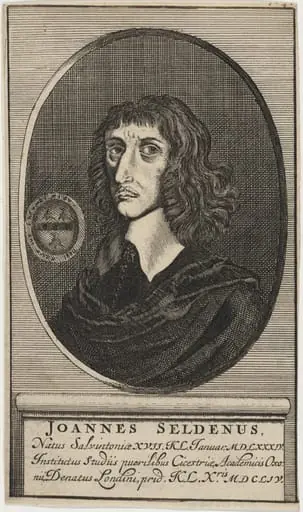
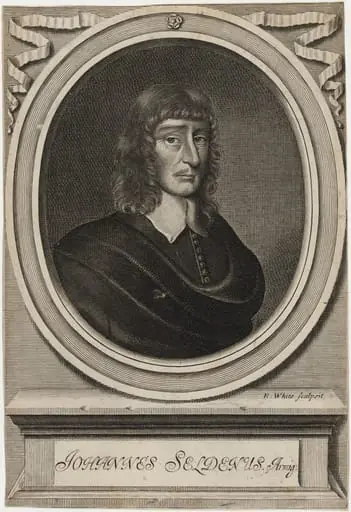
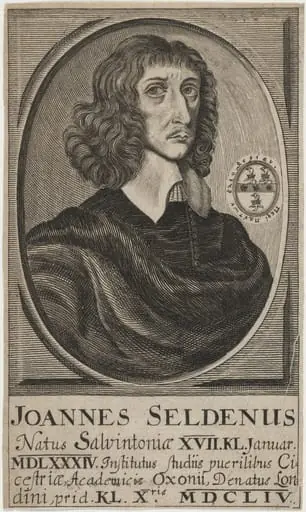
John Selden, Jurist and Antiquary is an ink print by the Renaissance artist John Chantry. It dates from 1640 and is held in the collection of the Rosenwald Collection.
About this work
Overview
Rendered in monochrome, the portrait presents Selden in formal attire, with a high collar and dark shirt, framed by a leafy wreath.
This 1640 engraving by John Chantry depicts John Selden, a prominent English jurist and scholar of antiquities. Rendered in monochrome, the portrait presents Selden in formal attire, with a high collar and dark shirt, framed by a leafy wreath. The image is accompanied by an inscription identifying him as a learned antiquary. The work belongs to the tradition of scholarly portraiture, emphasizing intellectual stature over personal charisma.
Subject & Meaning
John Selden was renowned for his expertise in legal history and ancient customs, making him a central figure in early modern English scholarship. The wreath of leaves alludes to classical learning and scholarly distinction, while the inscription explicitly anchors his identity in intellectual pursuit. The portrait does not idealize but rather affirms his reputation, positioning him as a keeper of legal and historical knowledge rather than a political figure.
Technique & Style
Chantry employed fine, intersecting lines known as cross-hatching to model form and suggest volume. This technique creates subtle gradations of tone, defining the texture of Selden’s hair, the folds of his collar, and the contours of his face. The precision of the lines reflects the engraver’s skill and the print’s function as a refined, reproducible image meant for scholarly circulation rather than public display.
History & Provenance
Created in 1640, the engraving likely served to accompany Selden’s published works or to commemorate his standing among learned circles. It was produced during a period when printed portraits of scholars were becoming common tools for disseminating intellectual authority. The print’s survival in institutional collections suggests it was valued by libraries and antiquarian societies in the centuries that followed.
Context
In mid-17th century England, the study of law and ancient texts gained renewed importance amid political and religious upheaval. Selden’s work challenged royal absolutism by grounding authority in historical precedent. His portrait, therefore, was not merely decorative but carried ideological weight, aligning his image with the rising prestige of empirical scholarship over inherited privilege.
Legacy
The engraving remains a key visual record of Selden’s public persona, frequently reproduced in later biographies and legal histories. Its restrained aesthetic reflects the values of the scholarly community of the time—clarity, precision, and intellectual gravitas. Though not widely known outside academic circles, it endures as a document of how knowledge was visually affirmed in early modern England.