Artwork
L'hermite (Le diable en enfer)
L'hermite (Le diable en enfer) is an ink print by the Baroque artist French 18th Century. It dates from 1750 and is held in the collection of the National Gallery of Art.
About this work
Overview
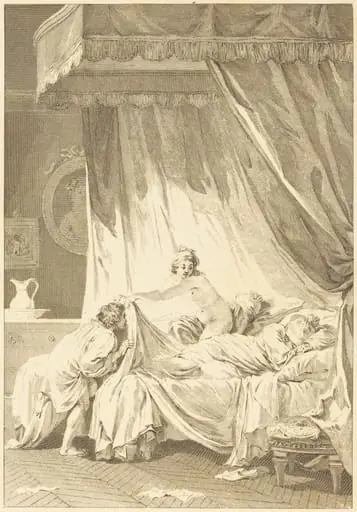
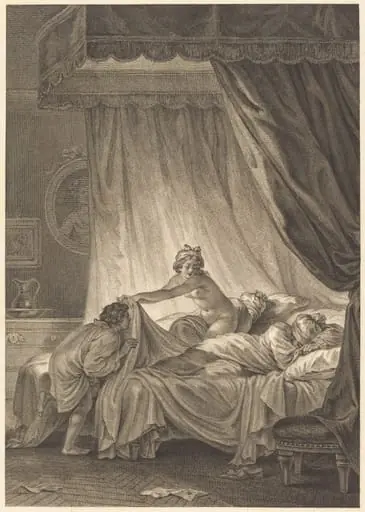
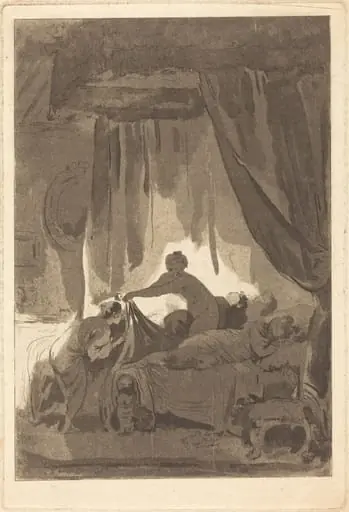
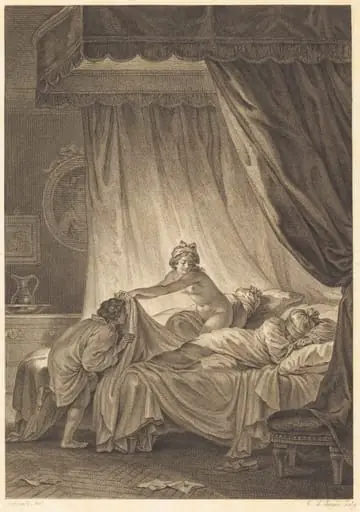
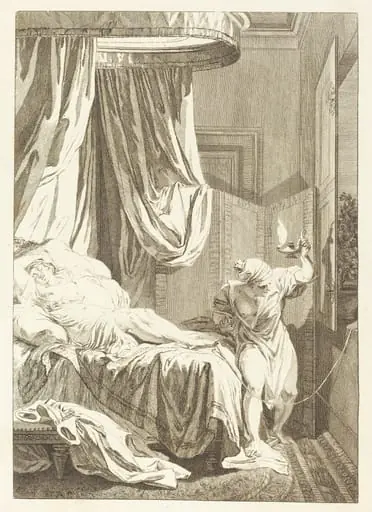
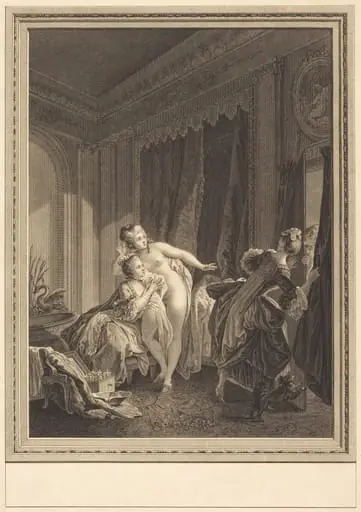
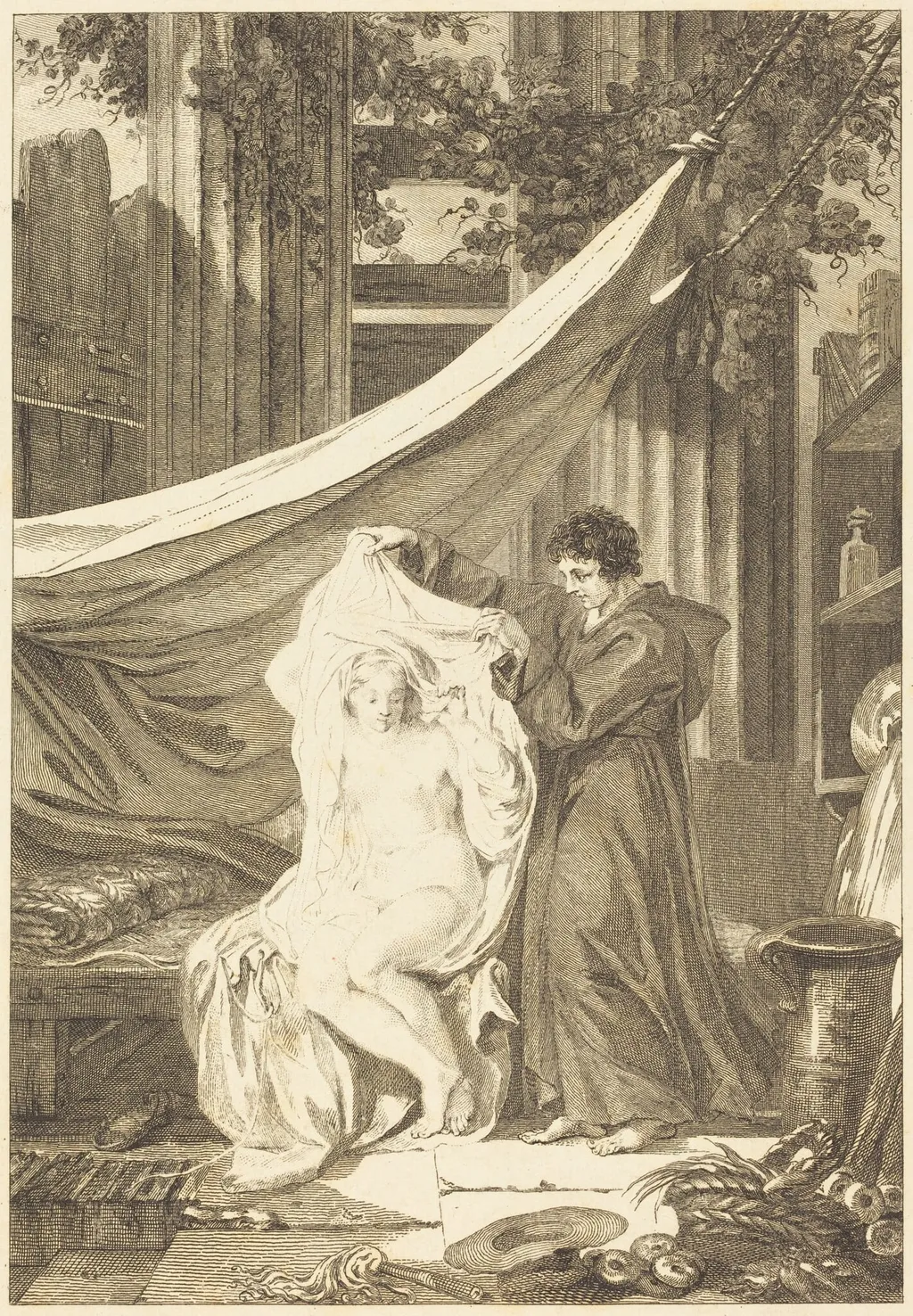
The print titled L'hermite (Le diable en enfer) is an etching that depicts a domestic interior scene. A woman in draped garments cradles a sleeping infant, while a second woman kneels nearby, adjusting a cloth. Beyond the figures, a curtained darkness gives way to a rocky landscape featuring a modest structure.
Subject & Meaning
The composition juxtaposes intimate care with a looming, perhaps ominous, exterior. The presence of the sleeping child and the attentive caretaker suggests themes of protection and vulnerability, while the distant, rugged terrain and the title’s reference to a devil in hell introduce a contrasting element of danger or moral tension.
Technique & Style
The artist employed drypoint alongside traditional etching, incising the metal plate with a sharp needle to produce deep, ragged lines. This method yields a textured, almost feverish quality in the folds of fabric and shadows, a characteristic approach in Baroque printmaking that heightens dramatic contrast and tactile richness.
Context
Baroque prints often used drypoint to intensify visual impact, and this work follows that practice. The stark chiaroscuro and dynamic arrangement of figures reflect the period’s interest in theatricality and emotional depth, aligning the piece with broader trends in 17th‑century European graphic art.
Artist & collection

Artist
This artist worked in late 18th-century France, making portrait paintings and etched prints.