Artwork
Portrait of an Unknown
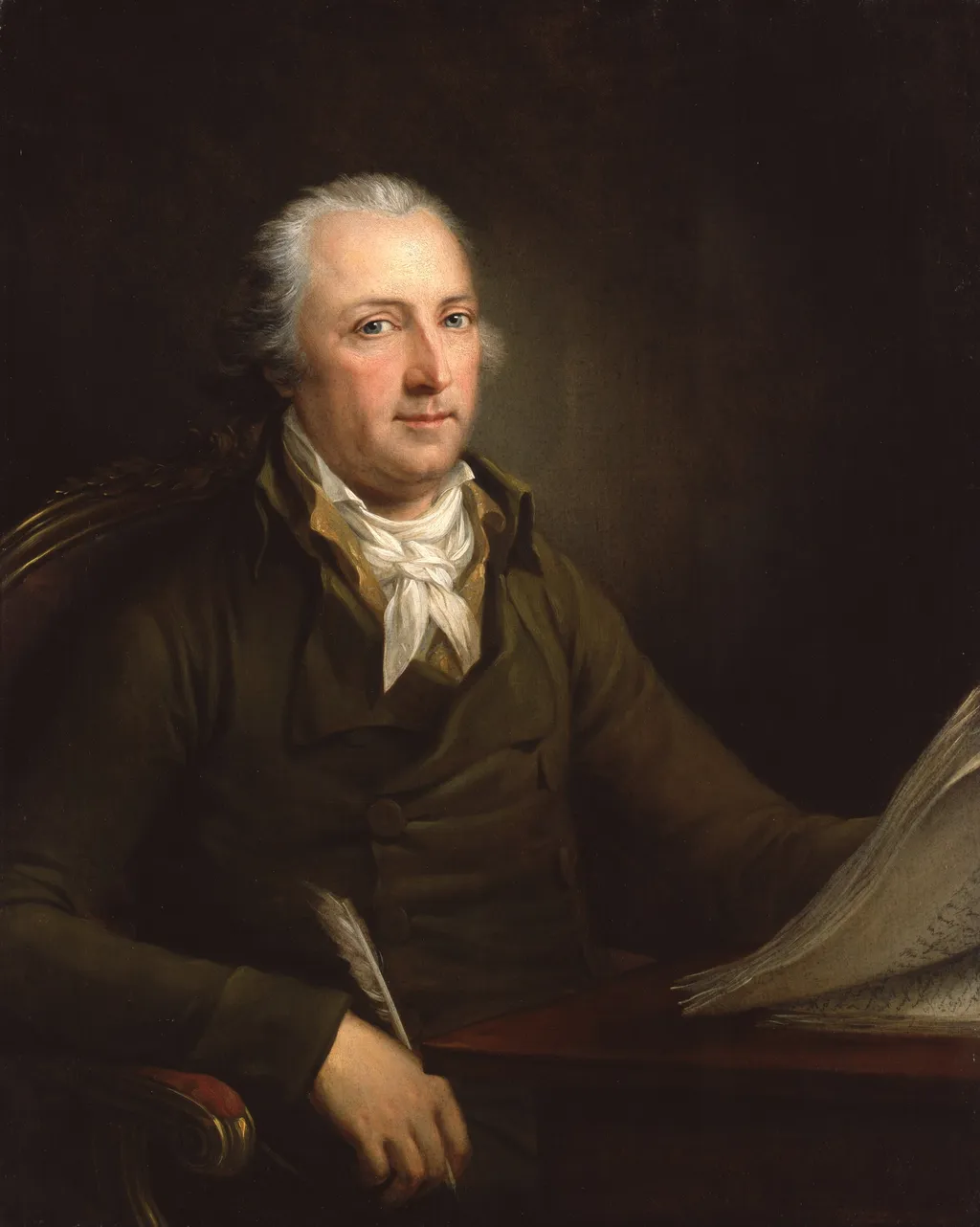
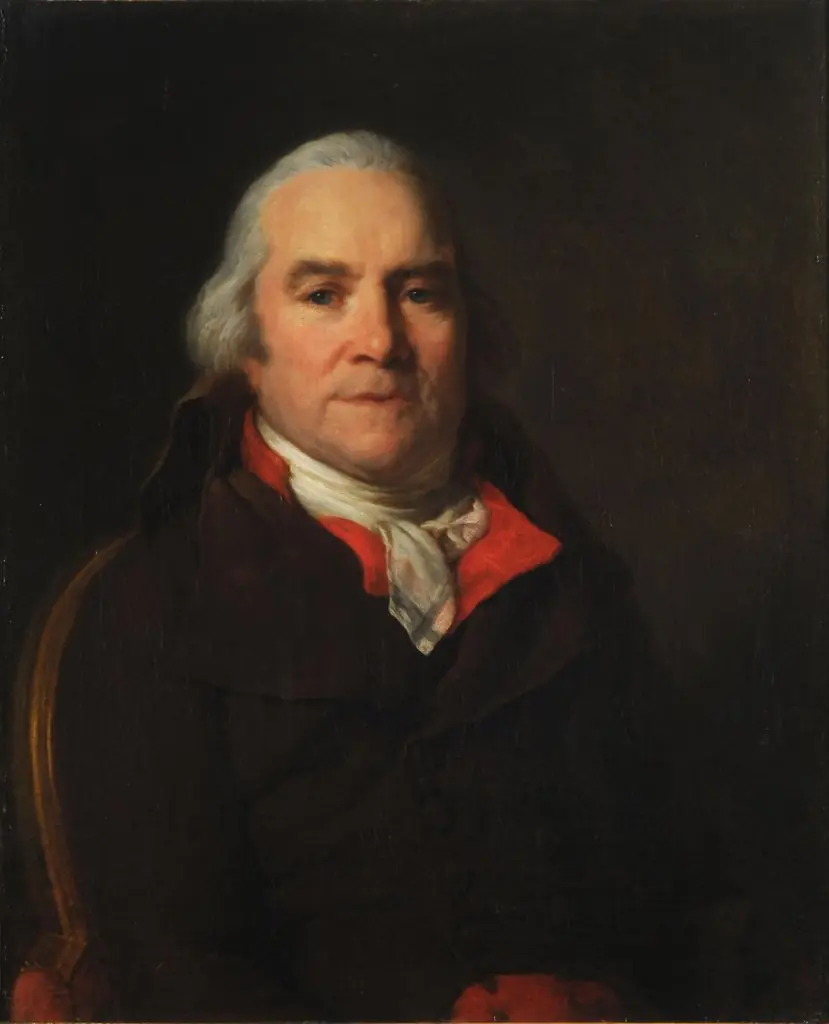
Portrait of an Unknown is an oil painting by the Biedermeier artist Friedrich Georg Weitsch. It dates from 1800 and is held in the collection of the Gemäldegalerie Berlin.
About this work
Overview
Rendered with quiet precision, the portrait captures a moment of stillness, emphasizing the subject’s contemplative demeanor rather than his identity.
Painted in 1800 by Friedrich Georg Weitsch, this oil portrait depicts an unidentified man seated in a simple chair. The work is part of the collection at the Gemäldegalerie in Berlin. Rendered with quiet precision, the portrait captures a moment of stillness, emphasizing the subject’s contemplative demeanor rather than his identity. The composition is restrained, focusing attention on the figure and his immediate surroundings.
Subject & Meaning
The man, identified only by his appearance, holds a quill pen and rests his hand on a stack of papers, suggesting a scholarly or literary profession. His white hair and composed expression convey age and introspection. The absence of identifying symbols or titles invites interpretation: he may represent the intellectual class of the era, or embody the quiet dignity of private thought. His gaze meets the viewer directly, creating an intimate, unspoken connection.
Technique & Style
Weitsch employed oil paint with a muted palette and soft transitions between light and shadow. The textures of the white scarf and dark jacket are rendered with subtle brushwork, avoiding theatricality. The table and papers are suggested rather than meticulously detailed, allowing the figure to dominate. The lighting is even and naturalistic, enhancing the portrait’s sense of realism without dramatic emphasis.
History & Provenance
The painting entered the Gemäldegalerie Berlin’s collection in the early 19th century, likely acquired during Weitsch’s active period in Prussian artistic circles. Its attribution to Weitsch is well documented, though the identity of the sitter remains unconfirmed. No significant alterations or reworkings are recorded, and the work has remained in stable condition since its creation.
Context
Created during the early Napoleonic era, the portrait reflects the German tradition of sober, psychologically attentive portraiture. Unlike grand aristocratic commissions, this work focuses on an individual of probable middle-class status—perhaps a writer, editor, or civil servant. The emphasis on quiet intellect aligns with broader cultural values of the time, where reason and literacy were increasingly celebrated.
Legacy
Though not widely exhibited outside Germany, the portrait is recognized within academic circles as a representative example of early 19th-century German realism. It contributes to the understanding of how non-noble subjects were portrayed with dignity during a period of social transition. Its enduring presence in the Gemäldegalerie underscores its role as a quiet but significant document of its time.
Artist & collection
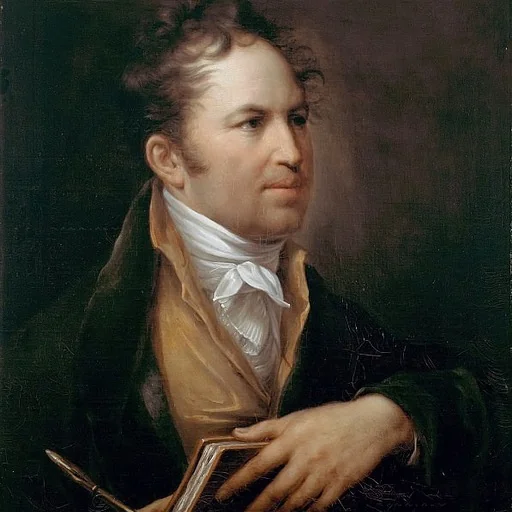
Artist
Friedrich Georg Weitsch (1758–1828) was an artist, born in Brunswick.

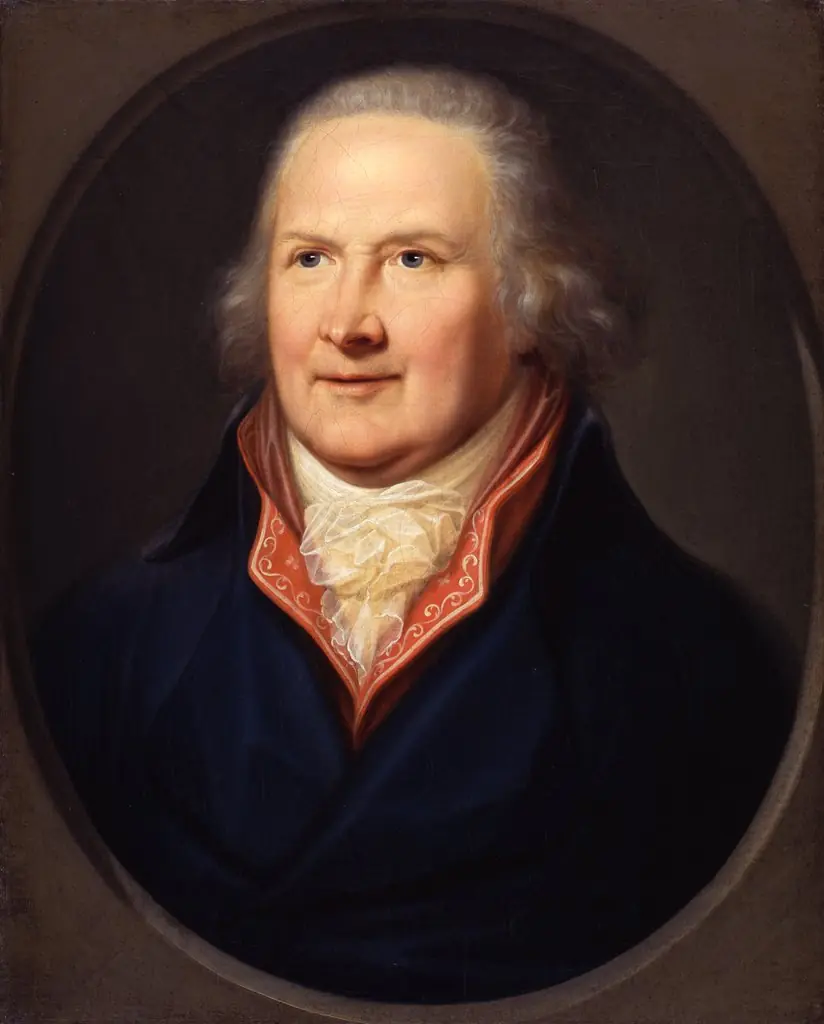 The Painter Jacob Philipp Hackert (1737-1807)
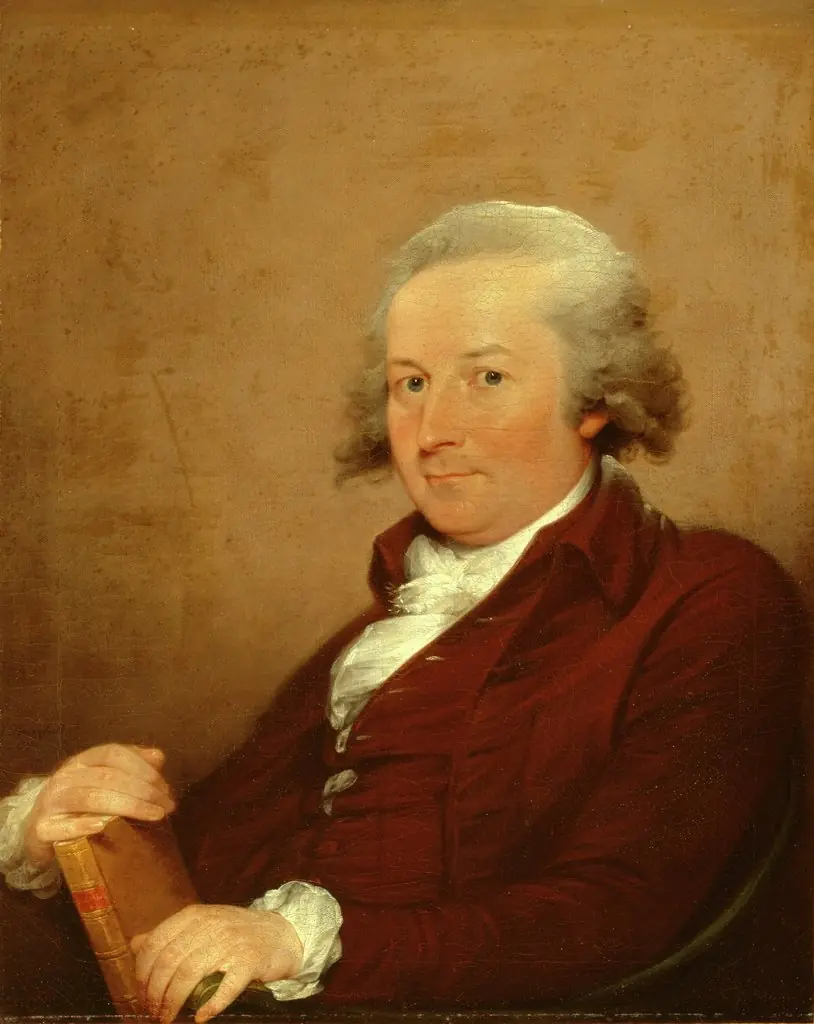 John Trumbull
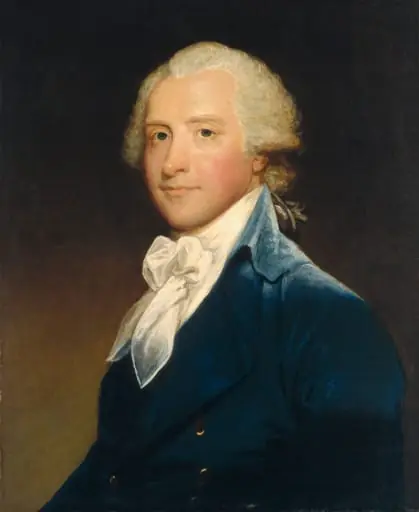 William Constable
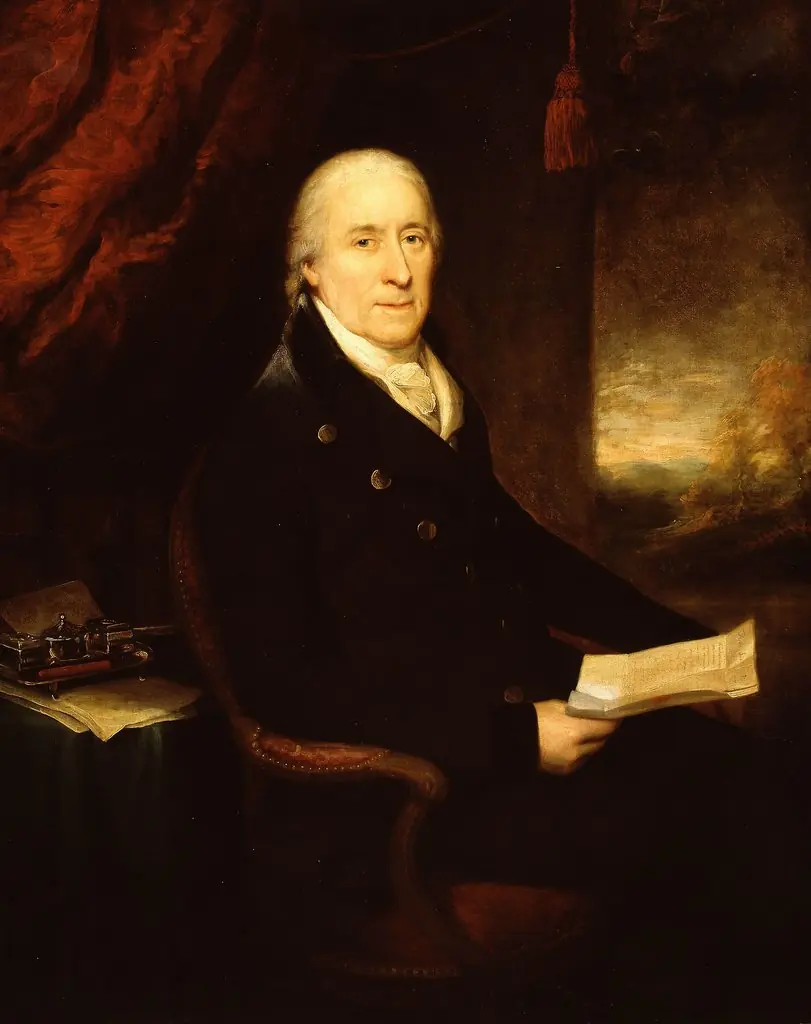 Portrait of a Man
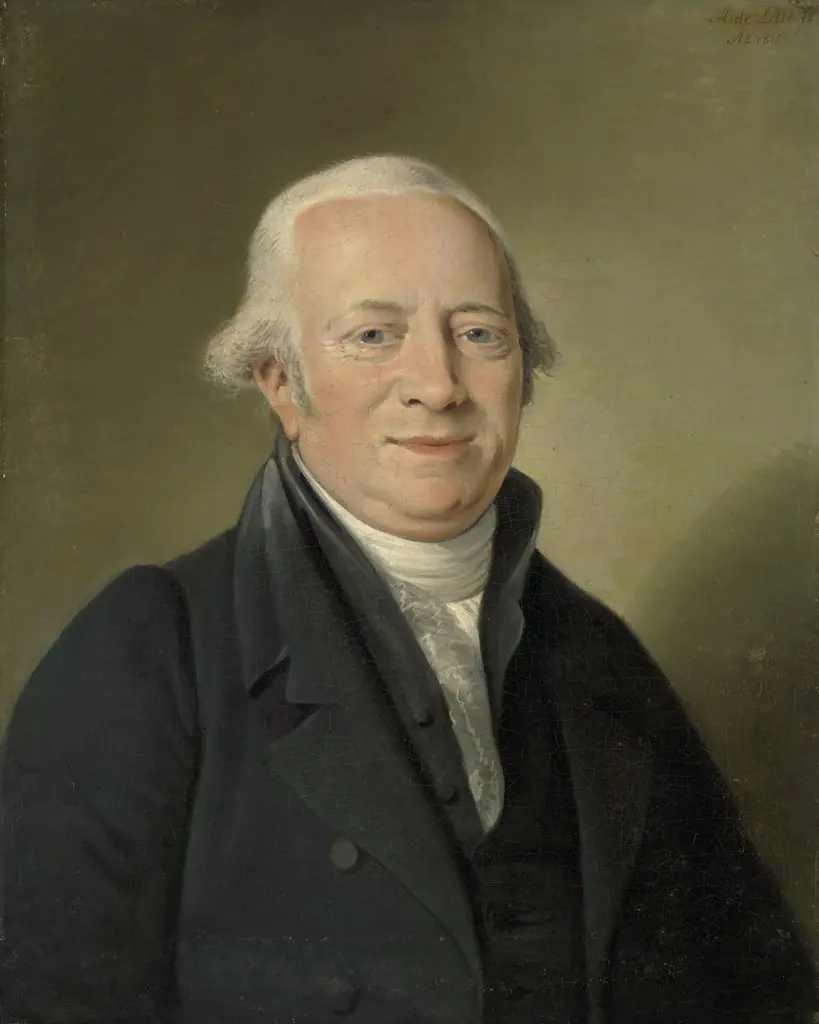 Portrait of Cornelis Sebille Roos, Art Dealer in Amsterdam and Inspector of the National Konst-Gallery and the Huis ten Bosch in The Hague
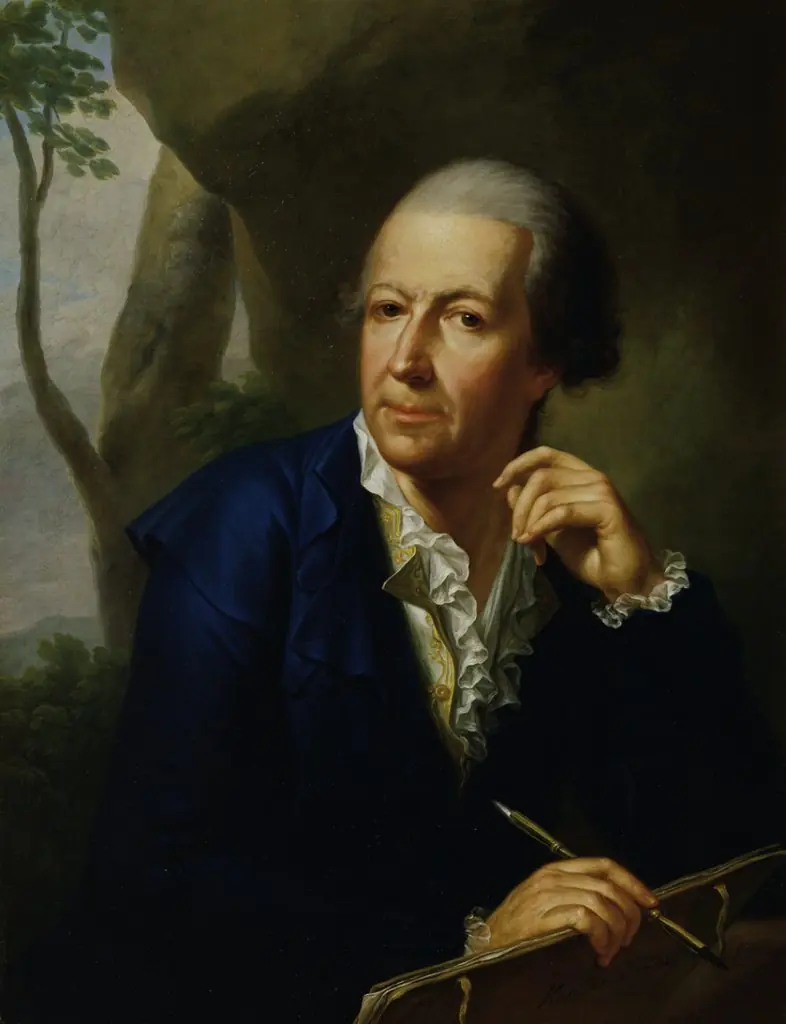 Der Maler Joseph Rosa
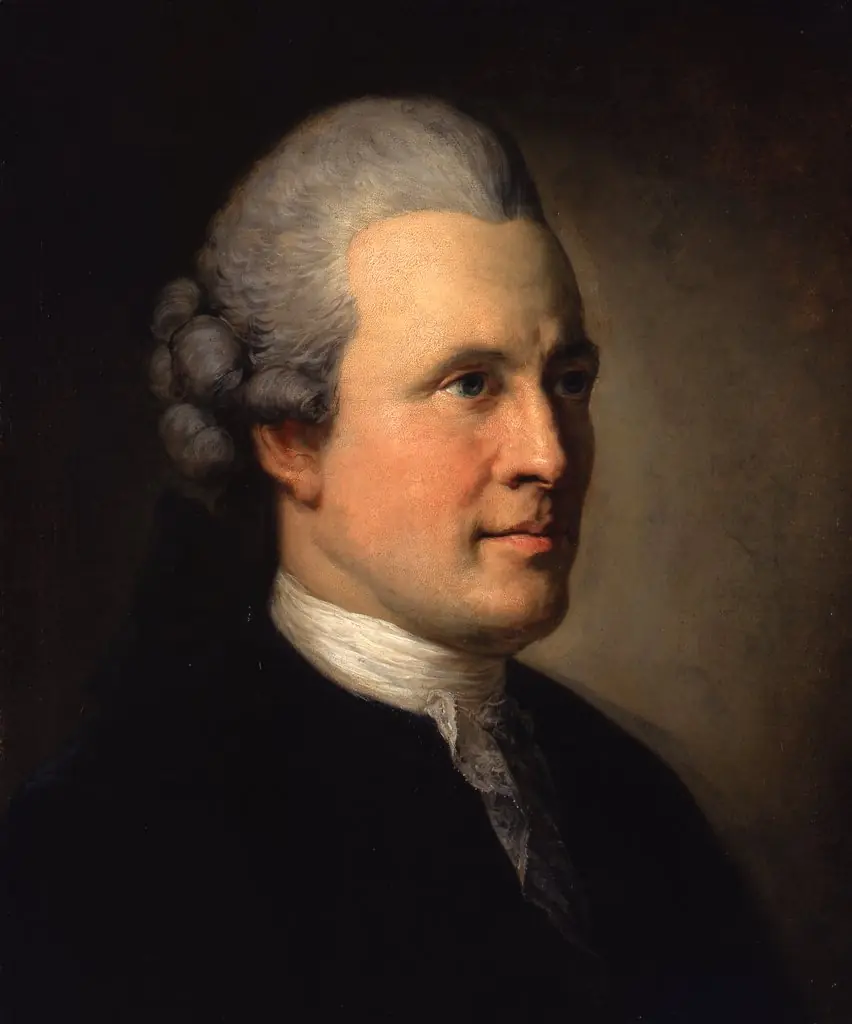 Doctor and Philosopher Johann Georg, Ritter von Zimmermann
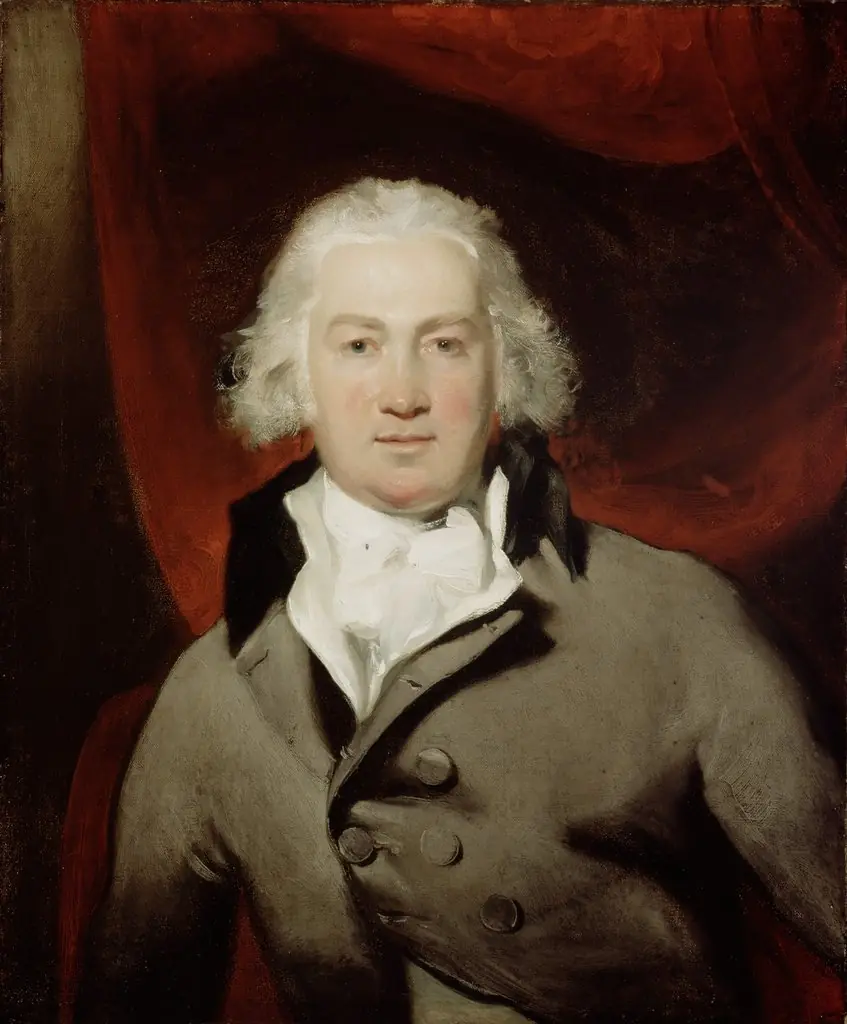 Ewan Law, M.P.
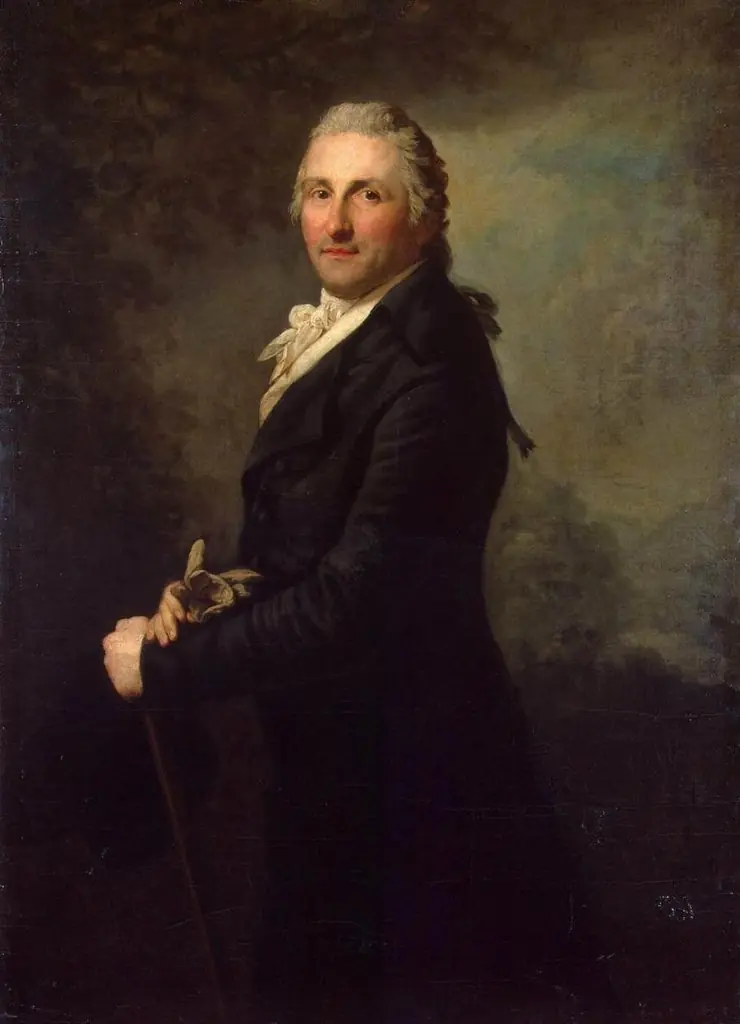 Portrait of Georg Leopold Goguel
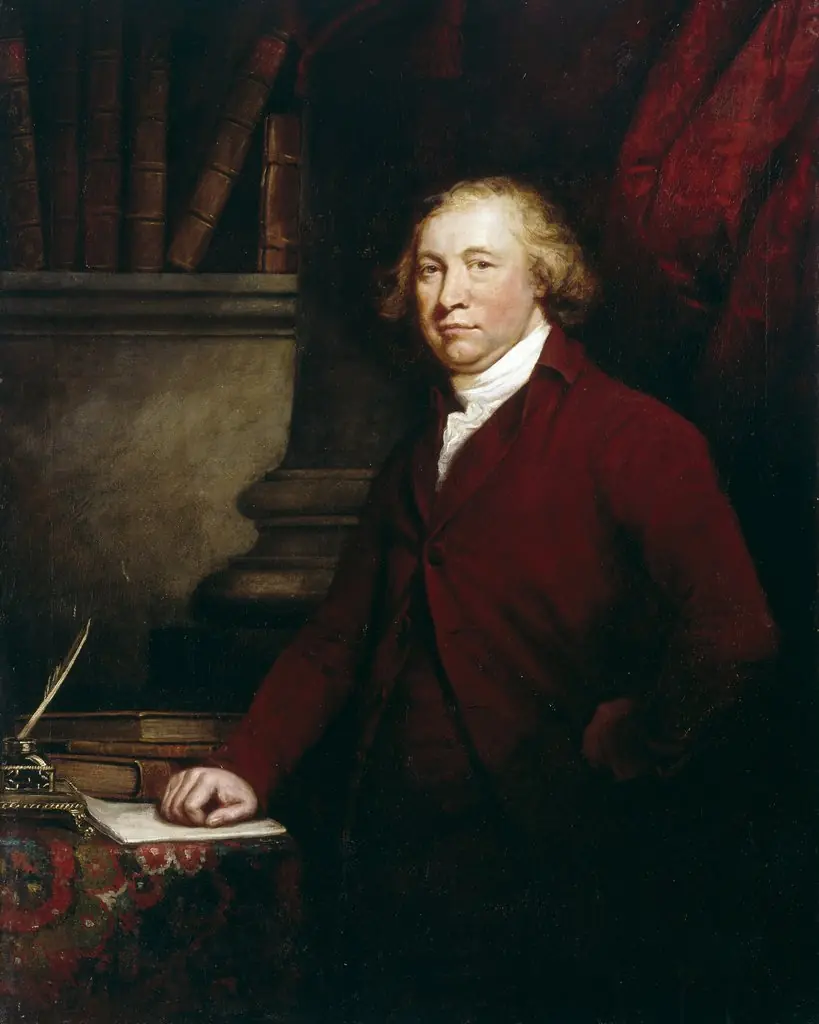 Portrait of Edmund Burke (1729-1797), Statesman, Orator and Writer
 Sir Joshua Reynolds
 Hombre de época