Artwork
Doctor and Philosopher Johann Georg, Ritter von Zimmermann
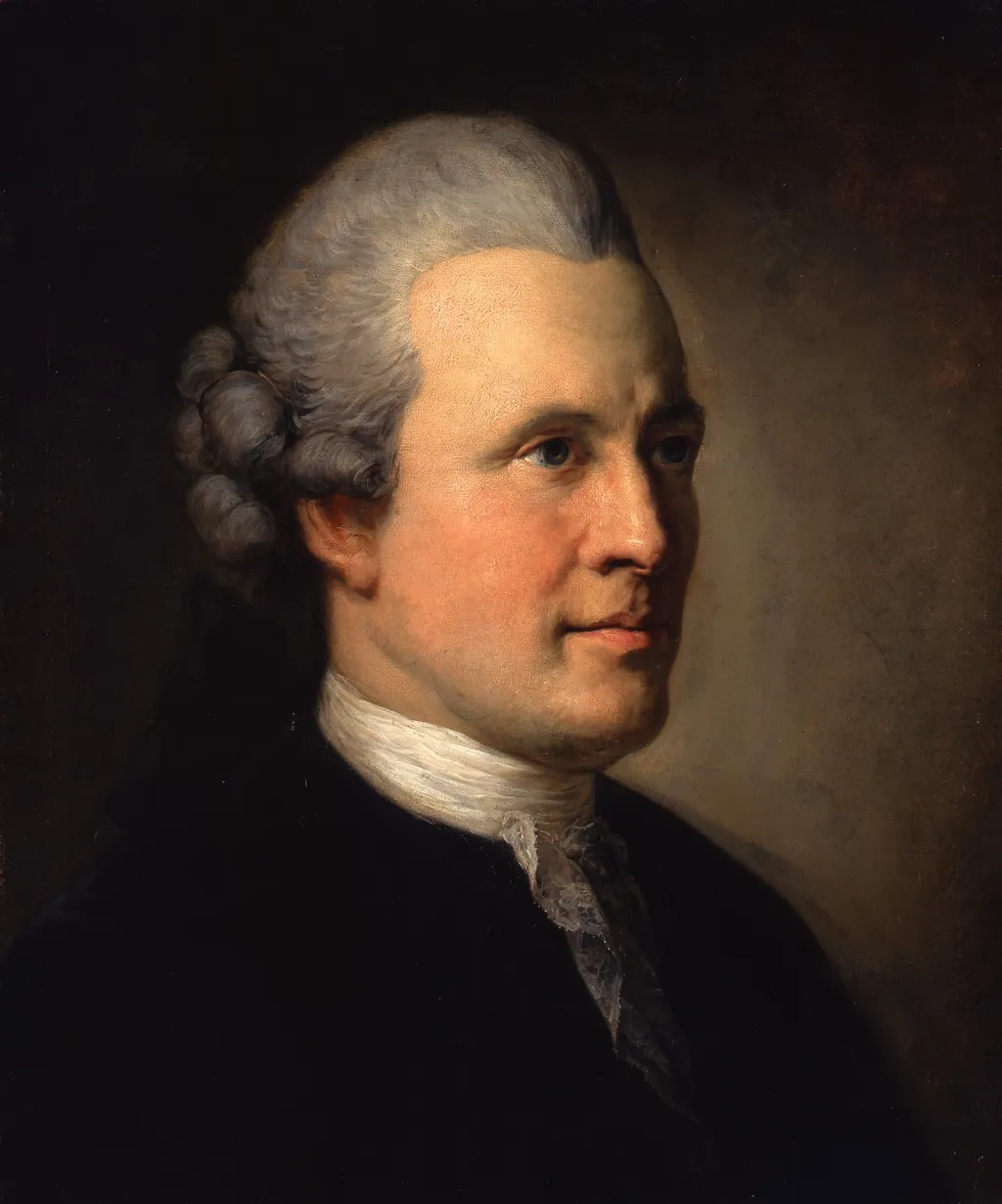
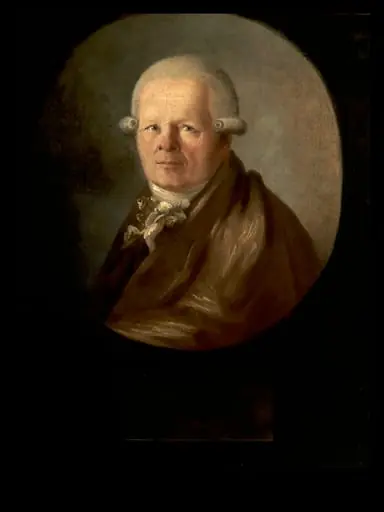
Doctor and Philosopher Johann Georg, Ritter von Zimmermann is an oil painting by the Rococo painting artist Anton Graff. It dates from 1772 and is held in the collection of the Gemäldegalerie Berlin.
About this work
Overview
It remains part of the Gemäldegalerie Berlin’s collection, where it is recognized for its restrained yet intimate presence.
Anton Graff painted Johann Georg Ritter von Zimmermann in 1772 using oil on canvas, capturing the German physician and Enlightenment thinker in a formal, full-length portrait. The work exemplifies the refined portraiture favored in mid-18th-century German-speaking regions, blending psychological insight with the elegance of Rococo aesthetics. It remains part of the Gemäldegalerie Berlin’s collection, where it is recognized for its restrained yet intimate presence.
Subject & Meaning
Johann Georg Ritter von Zimmermann was a physician and philosopher whose writings on emotion and human nature aligned with Enlightenment ideals. Graff portrays him not as a nobleman but as an intellectual: his dark attire, composed posture, and direct gaze suggest seriousness and introspection. The absence of symbolic objects or elaborate settings emphasizes his identity as a man of thought, inviting the viewer to engage with his presence rather than his status.
Technique & Style
Graff employed chiaroscuro to model Zimmermann’s face and clothing with subtle gradations of light and shadow, lending volume and realism. The dark background isolates the figure, focusing attention on his expression and the texture of his black coat and white cravat. Brushwork is precise but not ornate; details like the gray hair and skin tones are rendered with quiet accuracy, reflecting a shift from Rococo frivolity toward the clarity of emerging Neoclassical sensibilities.
History & Provenance
Commissioned during Zimmermann’s lifetime, the portrait remained in private hands before entering the Gemäldegalerie Berlin’s collection in the 19th century. Its preservation reflects the growing institutional interest in documenting Enlightenment figures through portraiture. The painting’s condition is well-maintained, with no significant alterations, allowing its original composition and tonal balance to remain intact.
Context
In the 1770s, German portraiture increasingly valued psychological depth over aristocratic display. Graff, based in Dresden and later Berlin, became a leading practitioner of this trend, portraying scholars, officials, and artists with dignified simplicity. Zimmermann’s portrait aligns with this movement, mirroring broader cultural shifts toward valuing intellect and individual character over inherited rank.
Legacy
The portrait endures as a representative example of Enlightenment-era portraiture in Central Europe. It illustrates how artists like Graff contributed to the visual documentation of intellectual life, moving beyond mere likeness to convey inner presence. While not widely reproduced, it continues to inform scholarly understanding of how identity and intellect were rendered in 18th-century visual culture.
Own this work as a print
Artist & collection
Artist
Anton Graff (18 November 1736 – 22 June 1813) was a Swiss portrait artist. Among his famous subjects were Friedrich Schiller, Christoph Willibald Gluck, Heinrich von Kleist, Frederick the Great, Friederike Sophie…

 Daniel Chodowiecki
 Portrait of a Man
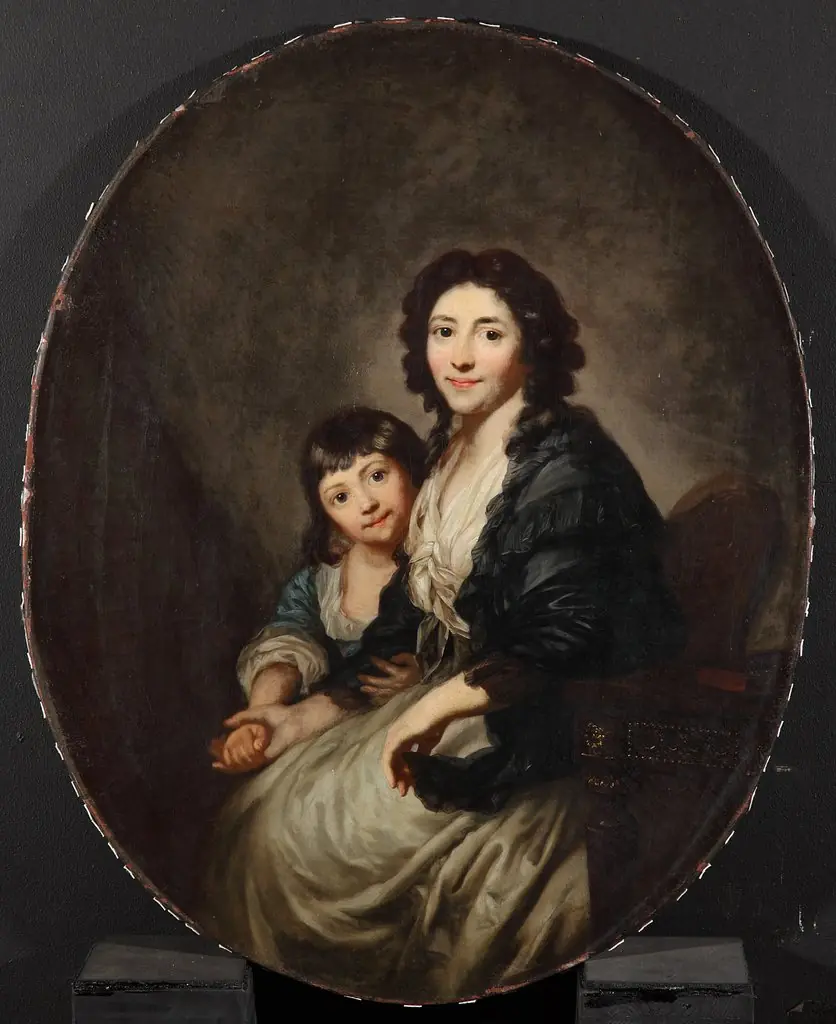 Elizabeth Sophia Augusta Graff, born Sulzer (1753-1812) and her Daughter Caroline Susanne (1781-1828)
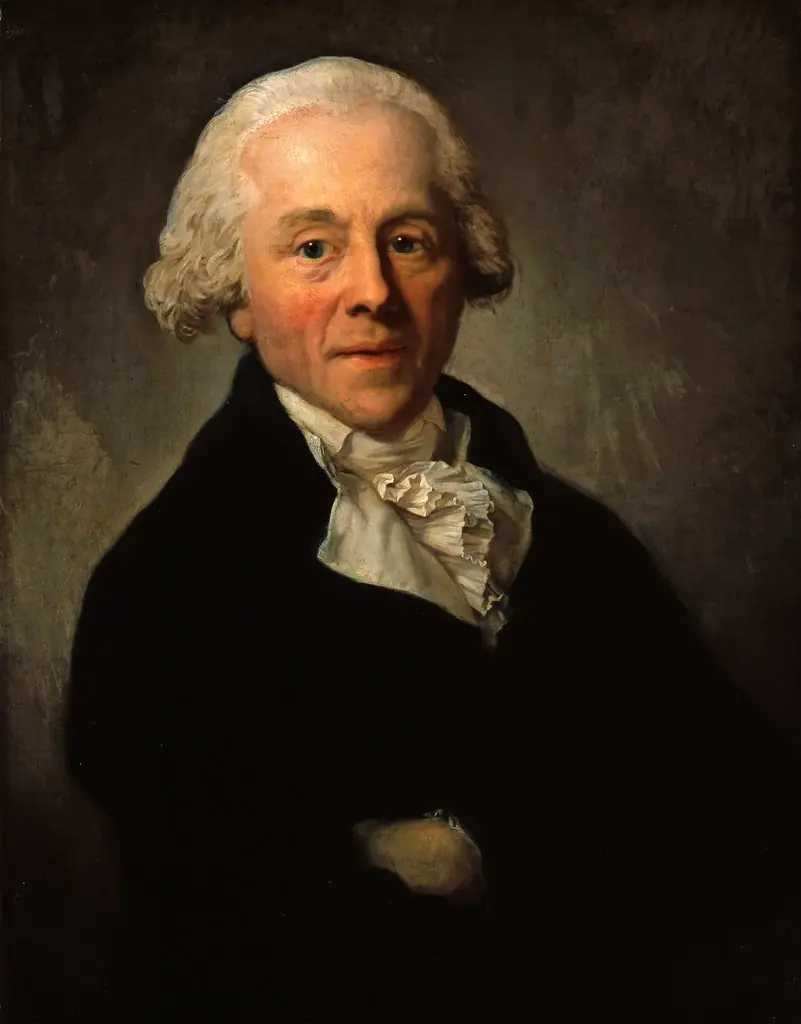 Friedrich Ludolf Hansen (1738-1803)
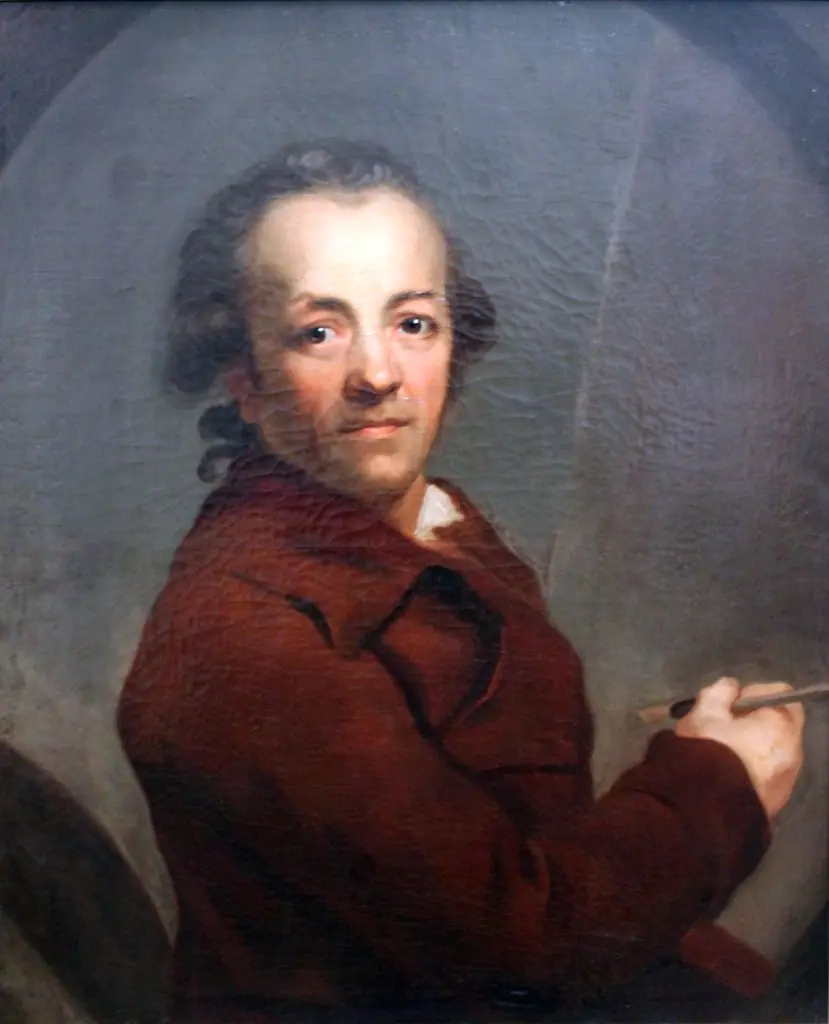 Self-portrait
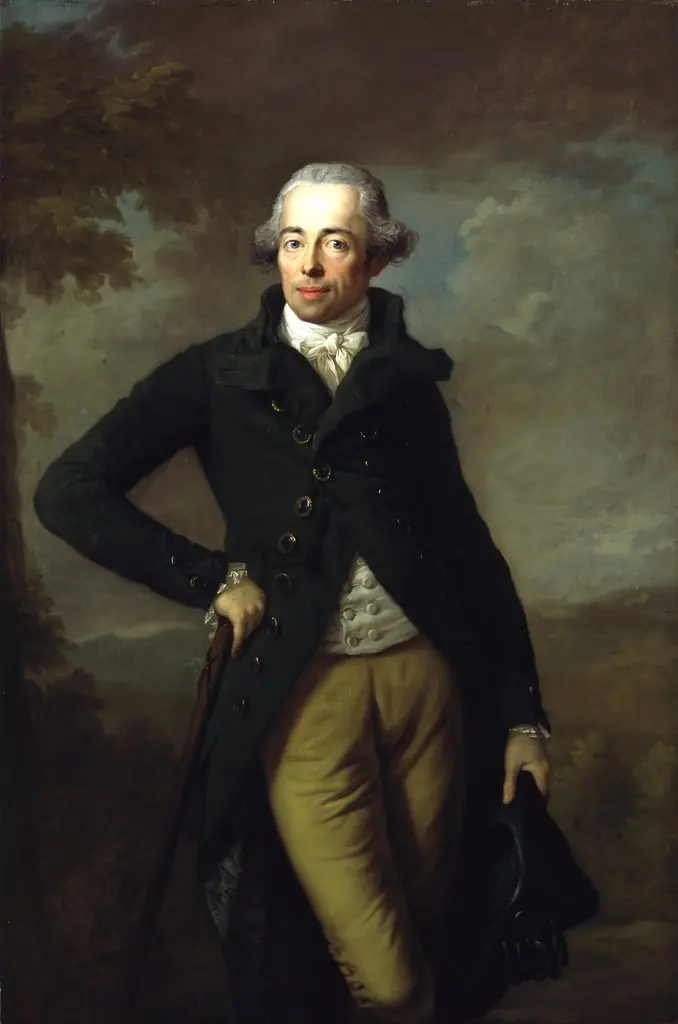 Heinrich XIV. Reuss Elder Line (Reuß ältere Linie) (1749-1799)
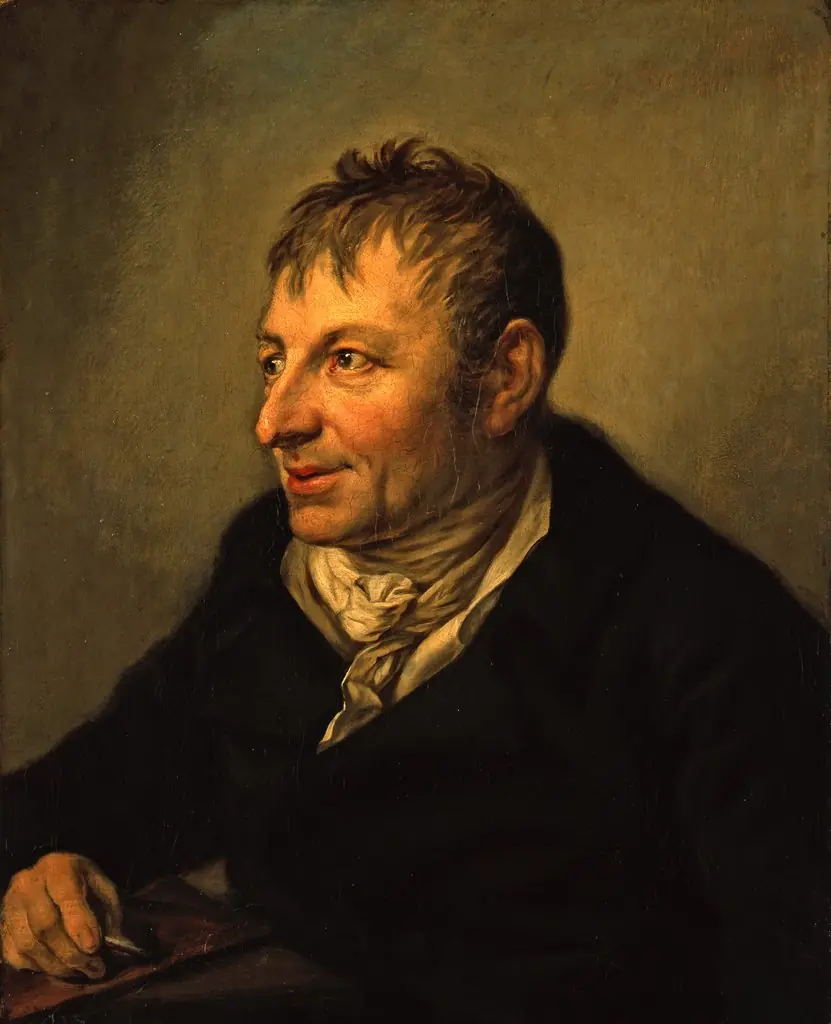 Portrait and History Painter Carl Friedrich Demiani (1768-1828)
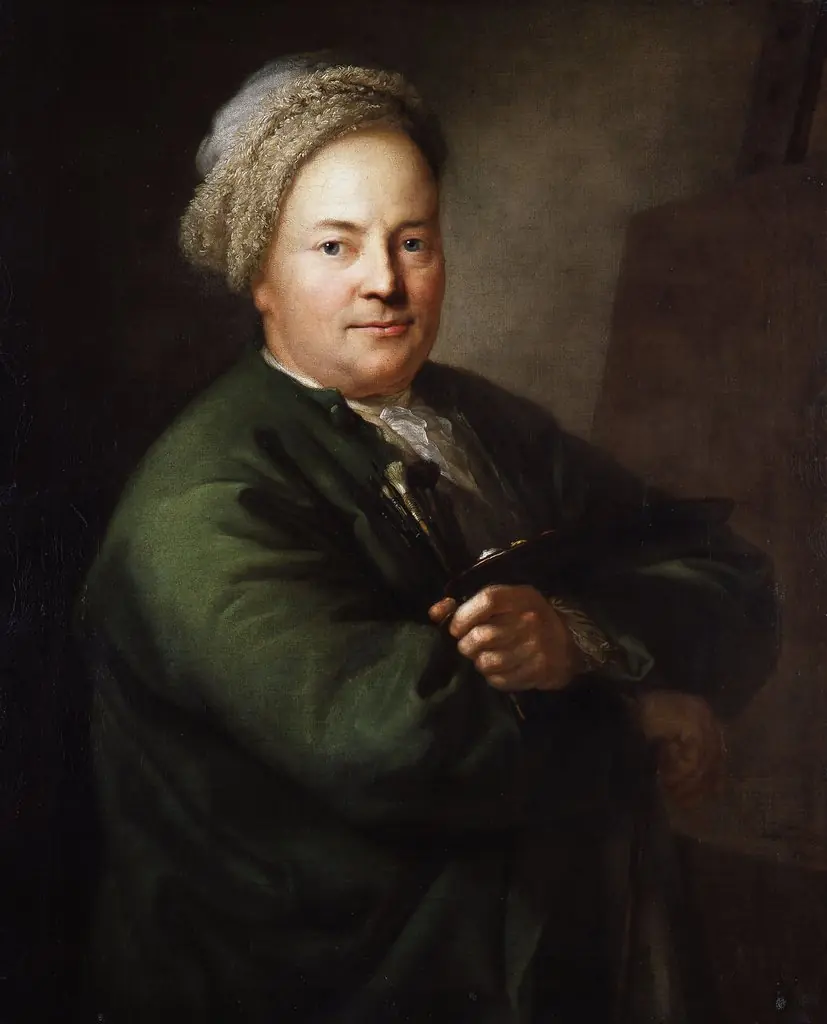 The Painter Christian Wilhelm Ernst Dietrich (1712-1774)