Artwork
Shepherd with cattle
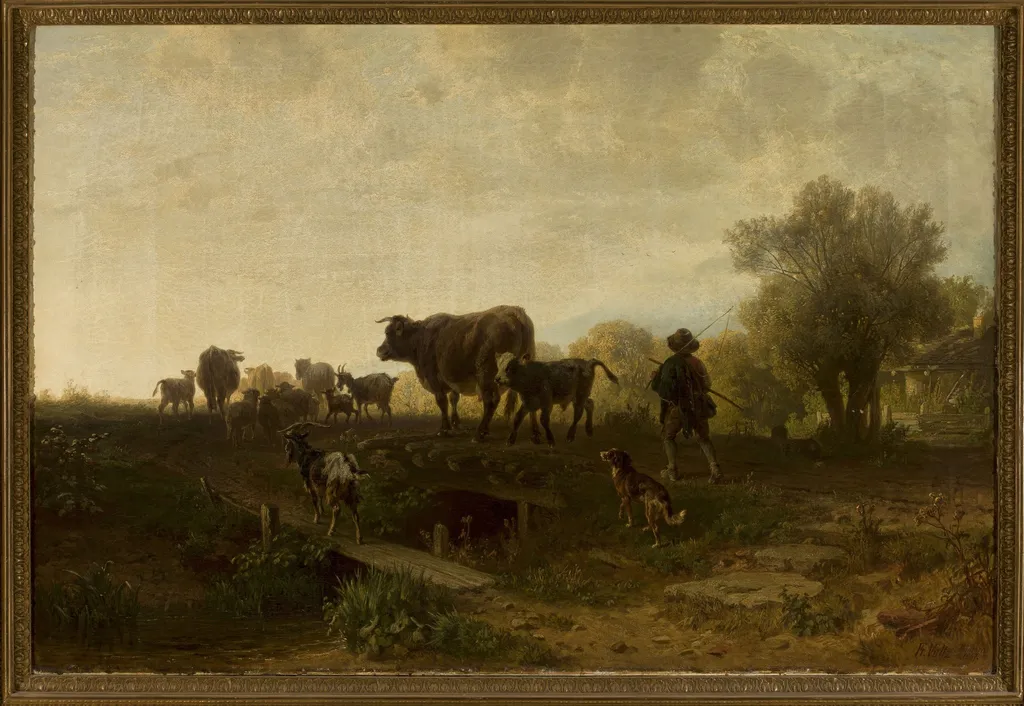
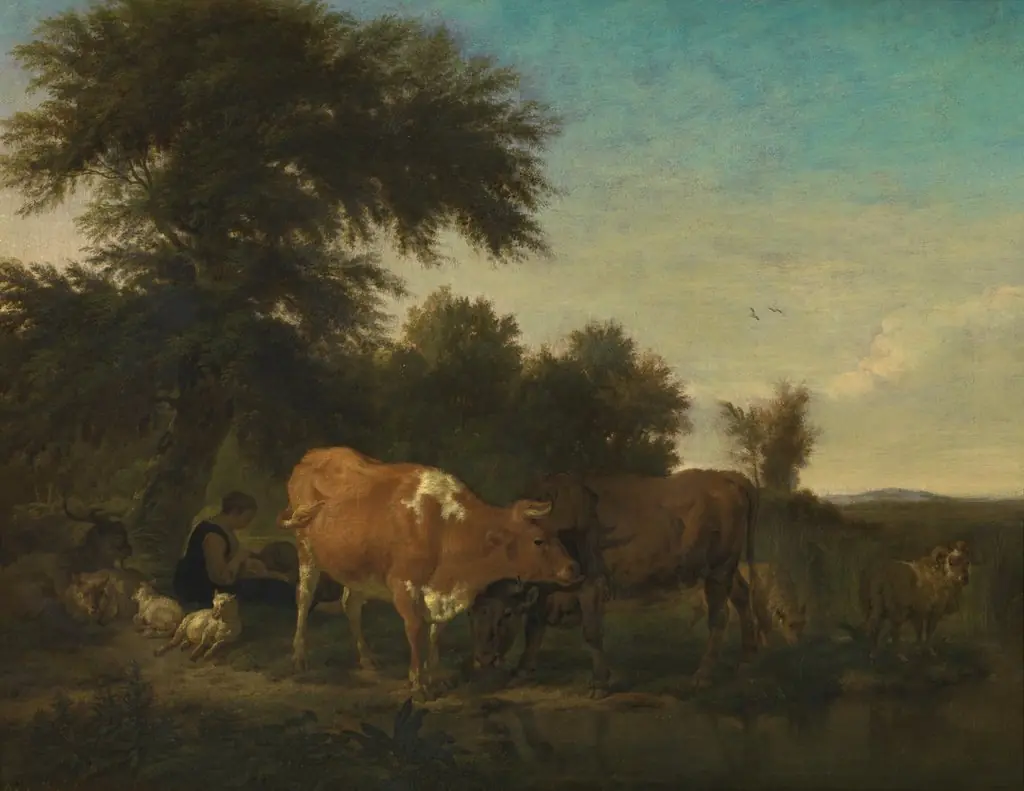
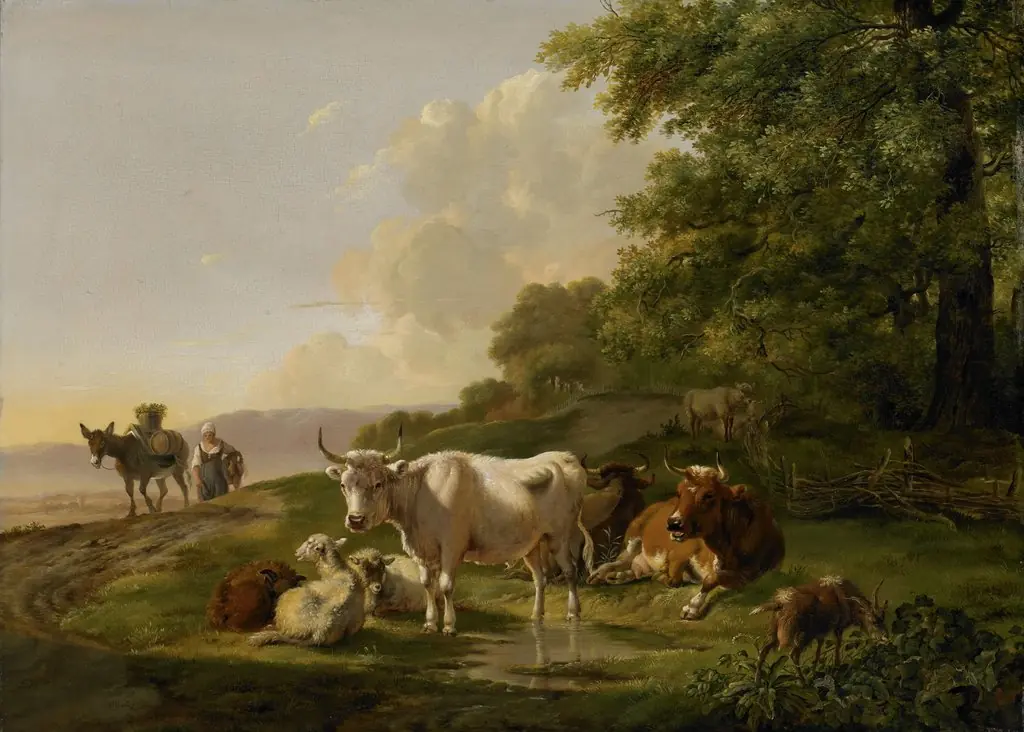
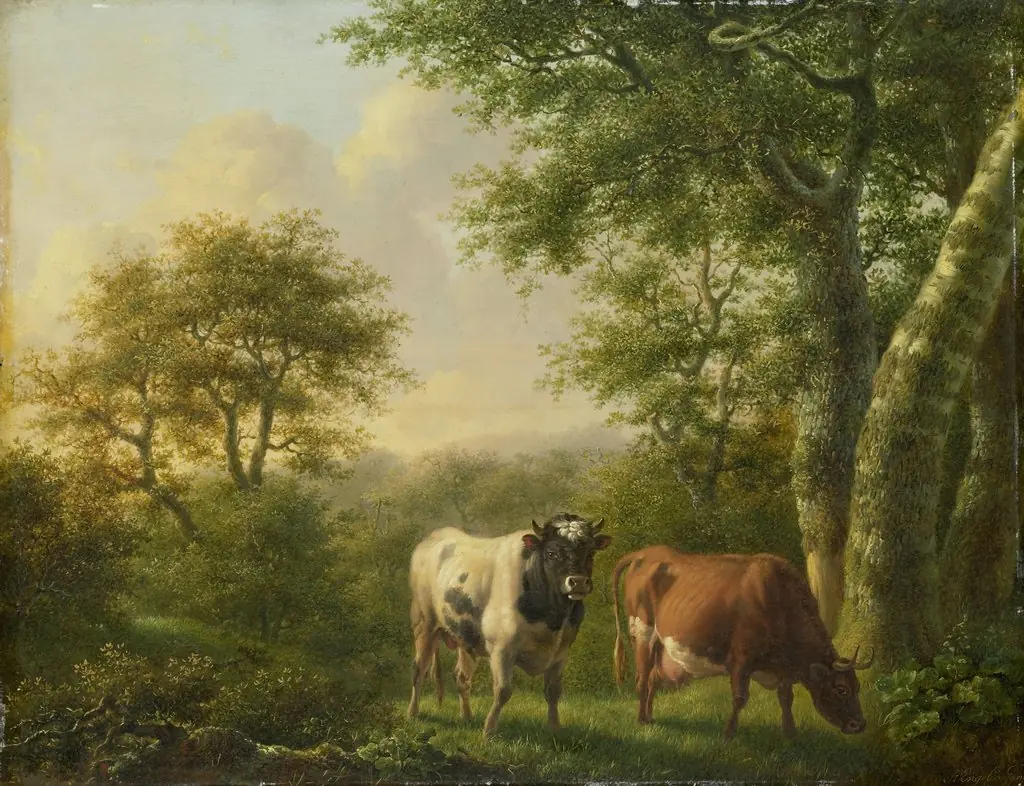
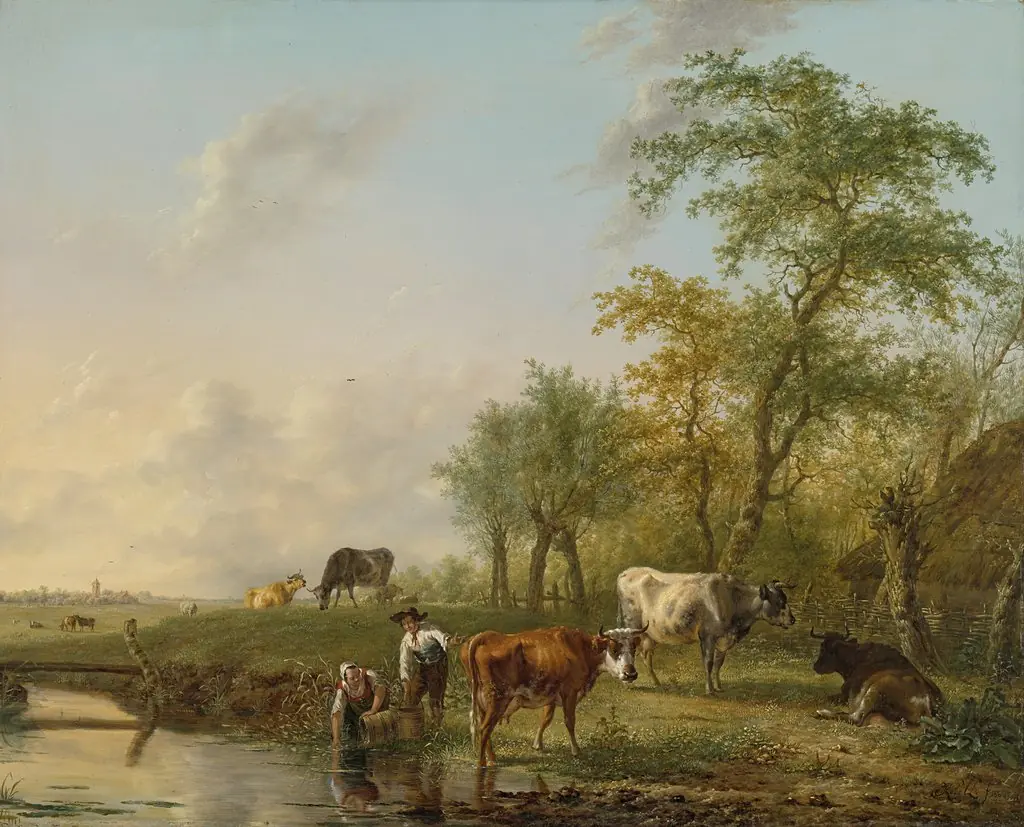
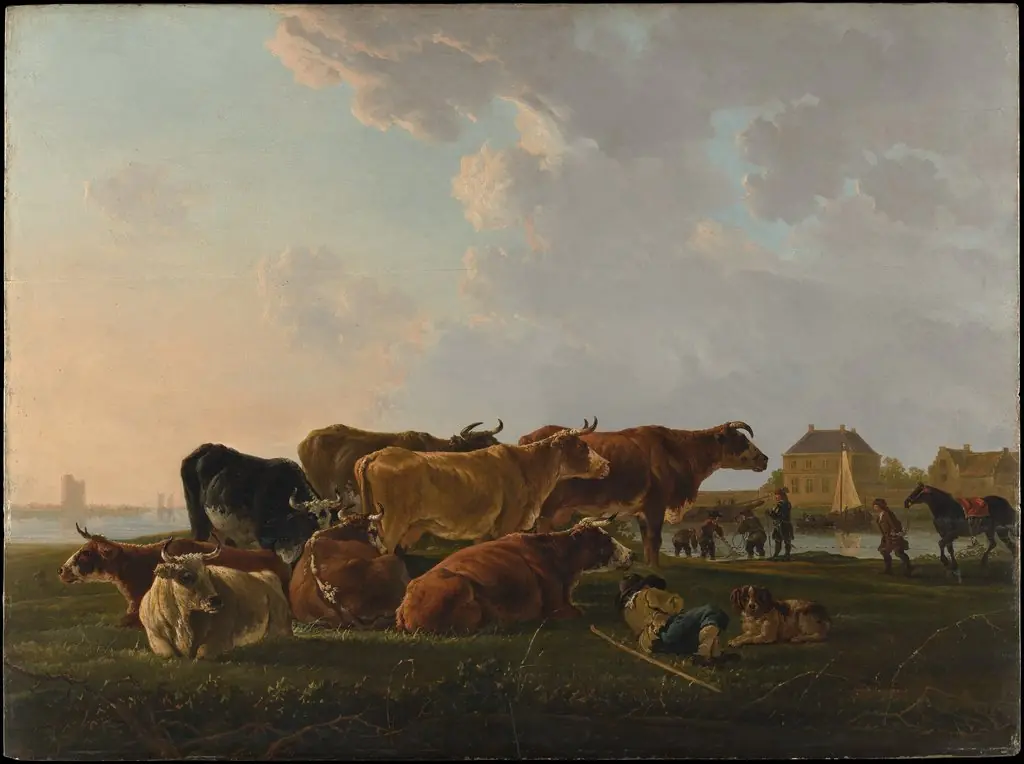
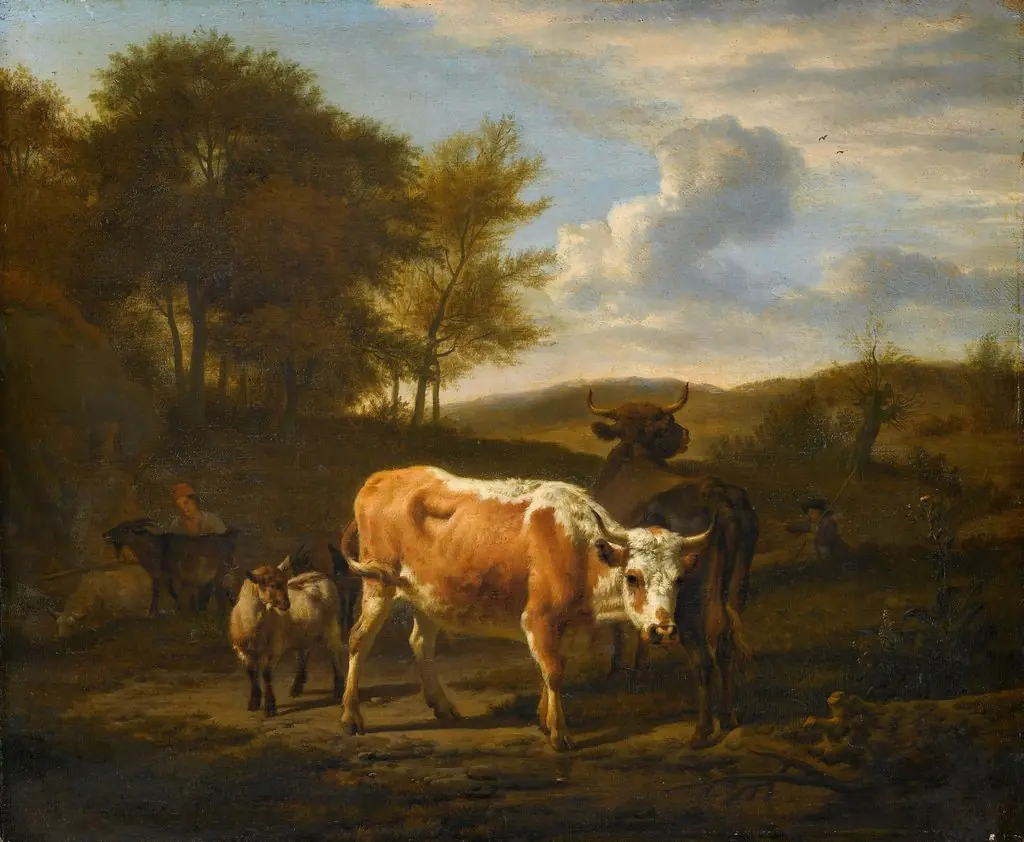
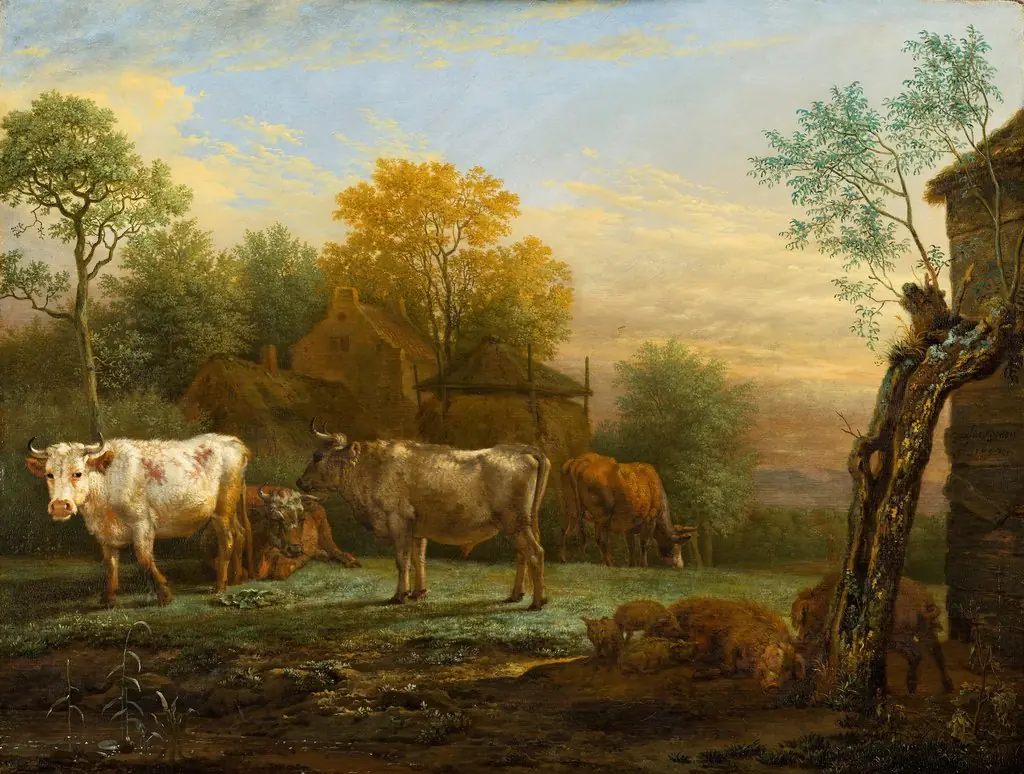
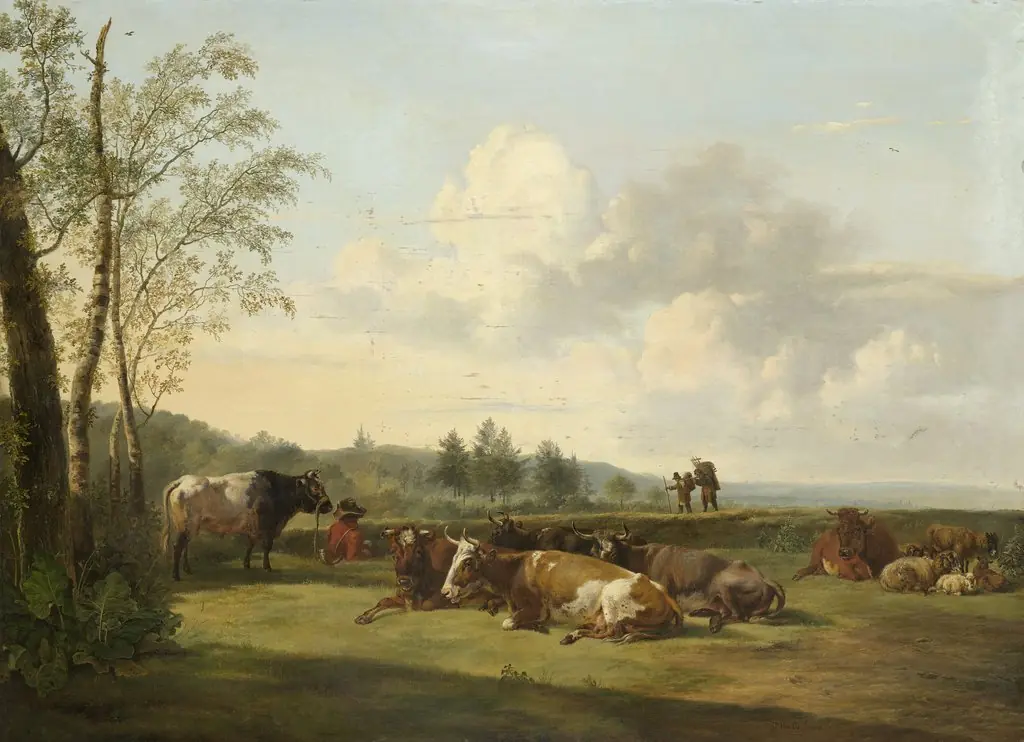
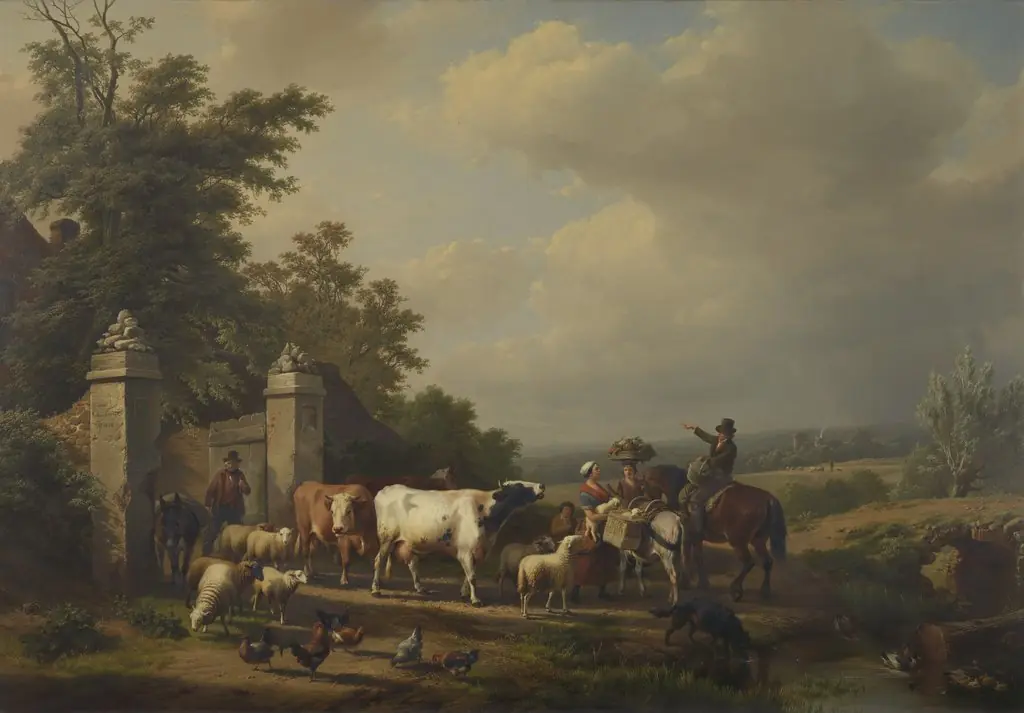
Shepherd with cattle is an oil painting by the Barbizon school artist Friedrich Voltz. It dates from 1867 and is held in the collection of the National Museum in Warsaw.
About this work
Overview
It belongs to a broader movement in 19th-century European art that valued direct observation of rural life.
Painted in 1867, *Shepherd with Cattle* is an oil-on-canvas work by the Dutch artist Voltz. It belongs to a broader movement in 19th-century European art that valued direct observation of rural life. The painting reflects influences from both the Barbizon School’s naturalism and the Munich School’s attention to atmospheric detail, positioning Voltz within a transnational tradition of landscape and animal painting.
Subject & Meaning
The scene depicts a shepherd guiding a group of cattle across an open field, accompanied by two dogs—one near his side, another resting in the foreground. Dressed in modest, traditional attire, the shepherd is rendered not as a heroic figure but as an unobtrusive presence within the landscape. The quiet rhythm of daily labor is emphasized, suggesting a contemplative relationship between humans, animals, and the land.
Technique & Style
Voltz employed visible, textured brushwork to convey the tactile qualities of grass, wool, and earth. A muted palette of greens, browns, and grays dominates, with subtle shifts in tone creating depth without dramatic contrast. Light falls evenly across the scene, avoiding strong chiaroscuro; instead, the effect is one of diffuse, natural illumination consistent with plein-air observation and a preference for atmospheric realism.
History & Provenance
The painting entered the collection of the National Museum in Warsaw at an early stage, likely through acquisition or donation in the late 19th or early 20th century. Its presence in Poland reflects broader European interest in rural genre scenes during this period. While Voltz was Dutch, his work found resonance in Central European collections, where depictions of pastoral life were valued for their sincerity and quiet dignity.
Context
In the mid-19th century, artists across Europe turned away from idealized historical subjects toward everyday rural existence. Voltz’s work aligns with this shift, sharing affinities with French and German painters who sought truth in unembellished scenes. His focus on livestock and terrain mirrors a growing cultural interest in agrarian life as a counterpoint to industrialization, even as mechanization reshaped the countryside.
Legacy
Though not widely known outside specialist circles, *Shepherd with Cattle* remains a representative example of 19th-century animal painting that prioritized observation over sentiment. It contributes to the understanding of how regional styles intersected across national boundaries. The work continues to be studied for its restrained composition and its role in documenting pre-industrial rural economies through visual means.
Artist & collection
Artist
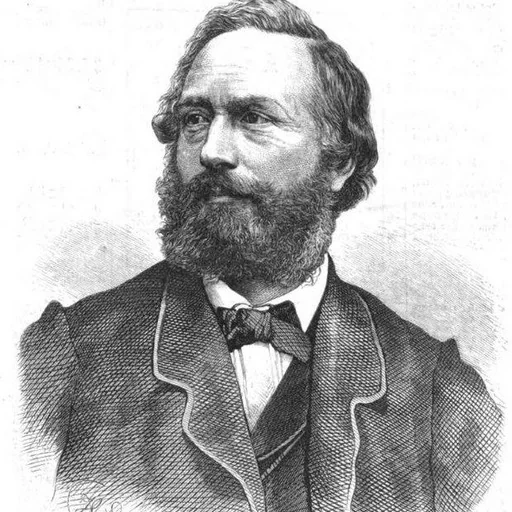
Johann Friedrich Voltz (31 October 1817, Nördlingen - 25 June 1886, Munich) was a German landscape and animal painter of the Munich School.