Art Museum
National Museum in Warsaw

Image: Wikimedia Commons.
National Museum in Warsaw is an art museum in Śródmieście, Poland. 21 works from its collection are in this catalog, including Claude Monet and Jacques-Louis David.
About National Museum in Warsaw
Identity & Overview
The National Museum in Warsaw (Muzeum Narodowe w Warszawie) is Poland's largest and most significant art museum, located in the Śródmieście district at Aleje Jerozolimskie 3. Established as the Museum of Fine Arts, Warsaw, on 20 May 1862, it was renamed the National Museum in 1916. The institution serves as a central repository for Polish and foreign art, encompassing antiquity to the present day, and is recognized as a national museum, history museum, and archaeological museum. Its collections comprise approximately 830,000 exhibits, including paintings, sculptures, drawings, engravings, photographs, coins, and objects of applied art and design.
History & Founding
The museum's origins date to 20 May 1862, when it opened as the 'Museum of Fine Arts, Warsaw' with an initial acquisition of 36 Italian, Dutch, and German paintings from the Johann Peter Weyer collection in Cologne. It underwent a significant transformation in 1916, when it was renamed the 'National Museum, Warsaw'. Following World War II, in 1945, the museum took over historic collections and properties previously held by other institutions, significantly expanding its holdings. The institution has been led by notable directors such as Cyprian Lachnicki (1876–1906), Bronisław Gembarzewski (1916–1936), and Stanisław Lorentz (1936–1939; 1945–1982), who guided its development through periods of war and political change.
Building & Architecture
The museum's current main building, located at Aleje Jerozolimskie 3, was designed by architect Tadeusz Tołwiński. The structure serves as the primary venue for the institution's extensive galleries and collections. The building's design reflects the architectural trends of the period of Polish independence and has housed the museum's public exhibitions since its official opening. The facility includes specialized spaces for the Gallery of Medieval Art, the Gallery of Old Masters, and the Gallery of 19th-century Art, which were subject to revolutionary changes and redesigns between 2012 and 2016 to modernize the presentation of the collections.
Collection Highlights & Notable Holdings
The museum's holdings are vast, with the Collection of Ancient and East Christian Art numbering some 24,000 exhibits, making it the largest and most important of its kind in Poland. The Old European Painting Collection, dating back to 1862, comprises 3,700 paintings. Notable highlights include the famous Grudziądz Polyptych, a large medieval work presented in the Gallery of Medieval Art with its reverse wings visible due to new display techniques. The Gallery of Old Masters features a confrontation of artistic circles from the South and North rather than national schools. The Gallery of 19th-century Art centers on Polish painters and sculptors, contextualized by works from other nationalities.
Significance & Legacy
The National Museum in Warsaw is a cornerstone of Polish cultural heritage, preserving and presenting art from antiquity to the present. Its significance is underscored by its role in recovering and reassembling national treasures after World War II and its continuous expansion of collections, including a major purchase in 1935. The museum's 2012–2016 redesigns revolutionized the presentation of its galleries, allowing for trans-regional phenomena to be highlighted, such as the distinction of figurative sculpture from architecture in the 12th–14th centuries. With over 830,000 exhibits and hundreds of thousands of annual visitors, it remains a primary destination for the study of Polish and European art history.
What to see at National Museum in Warsaw
Start with Still life by Pieter Claesz.
Works from National Museum in Warsaw
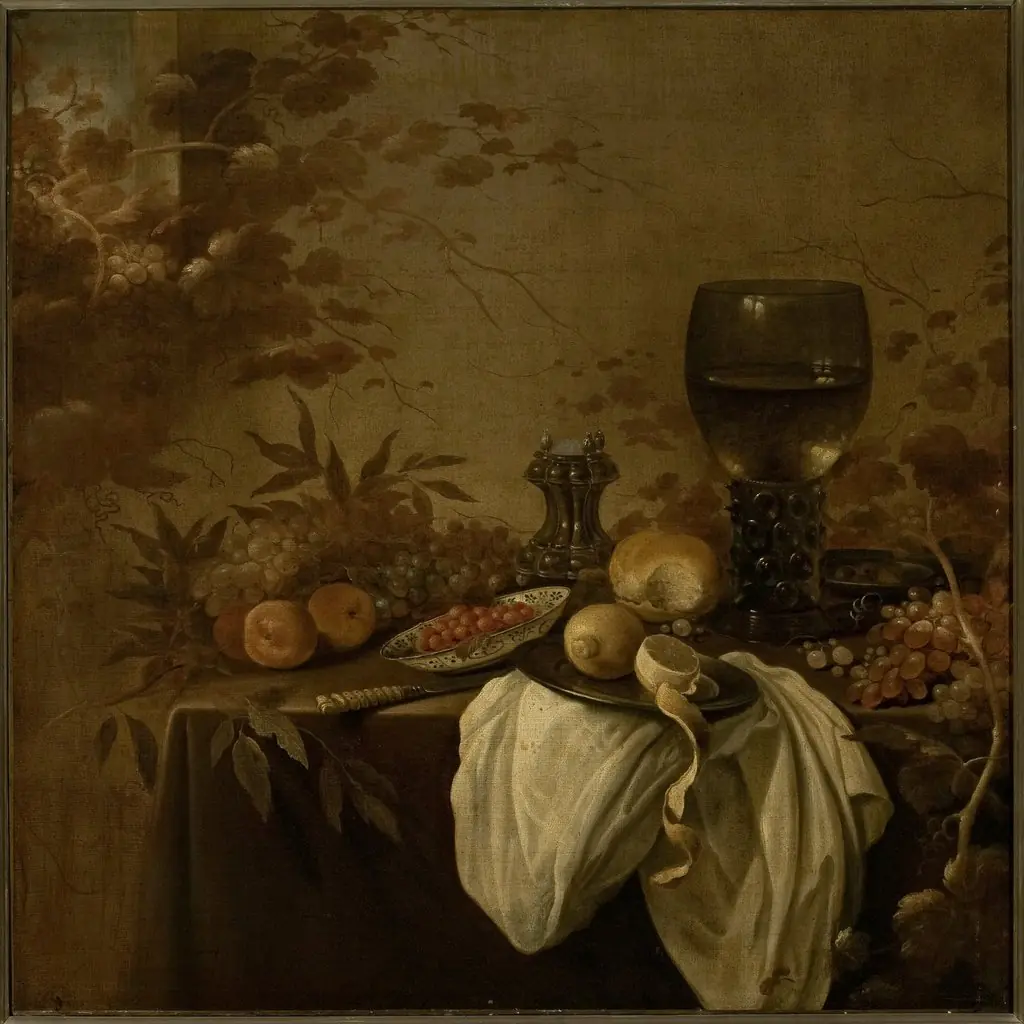 Still life
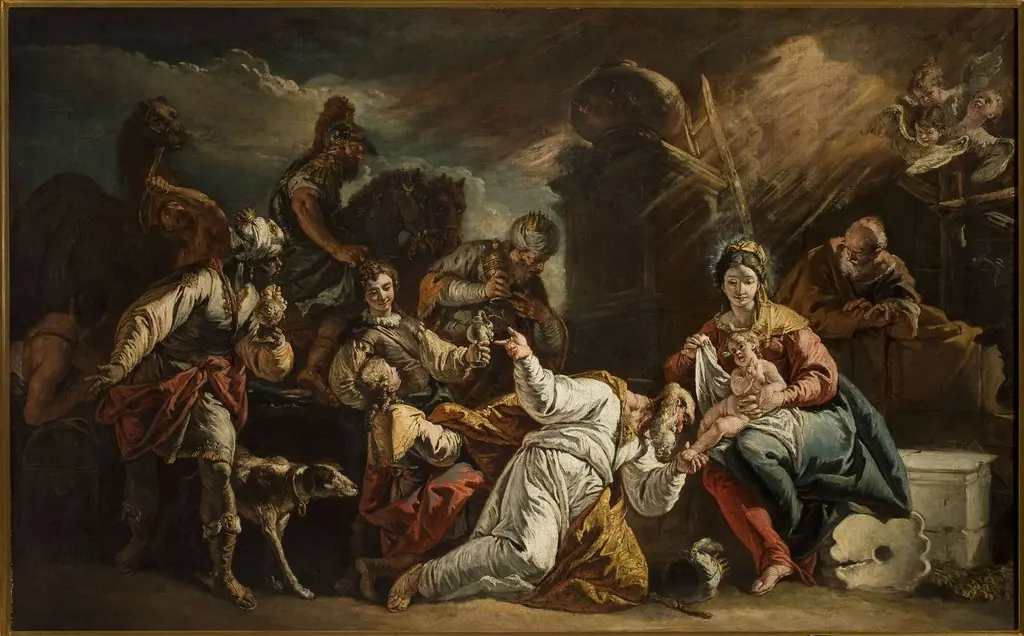 Adoration of the Magi
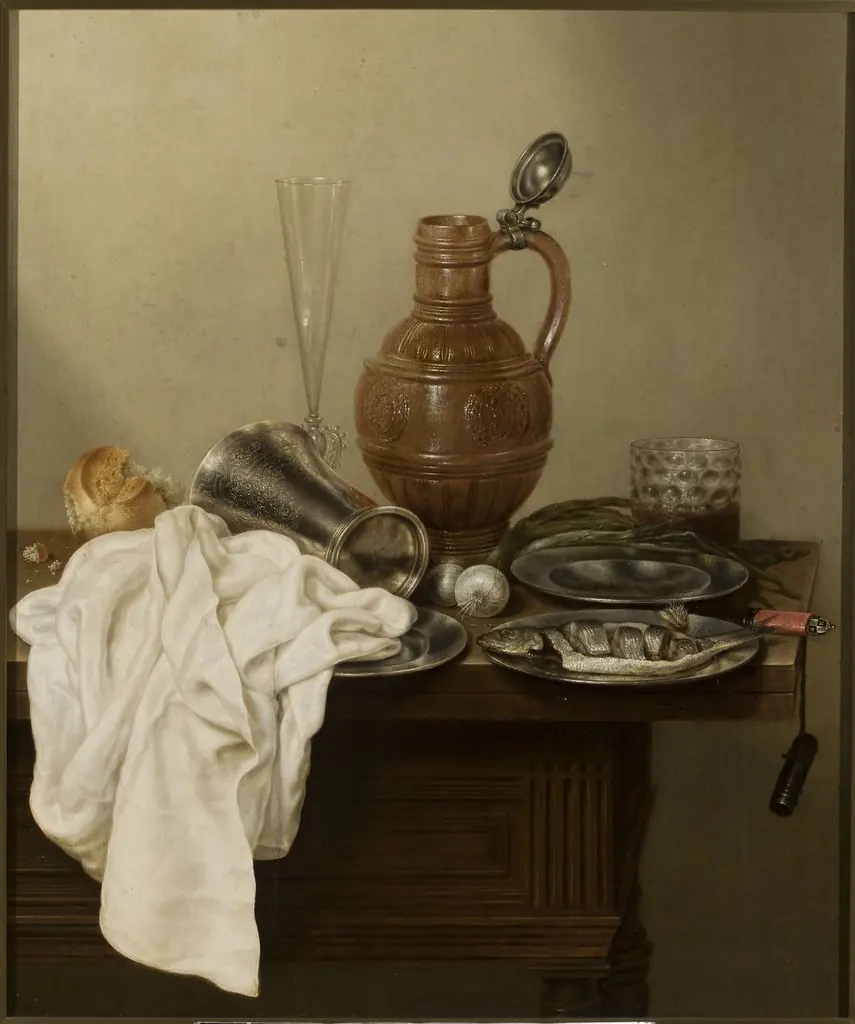 Still life with a herring
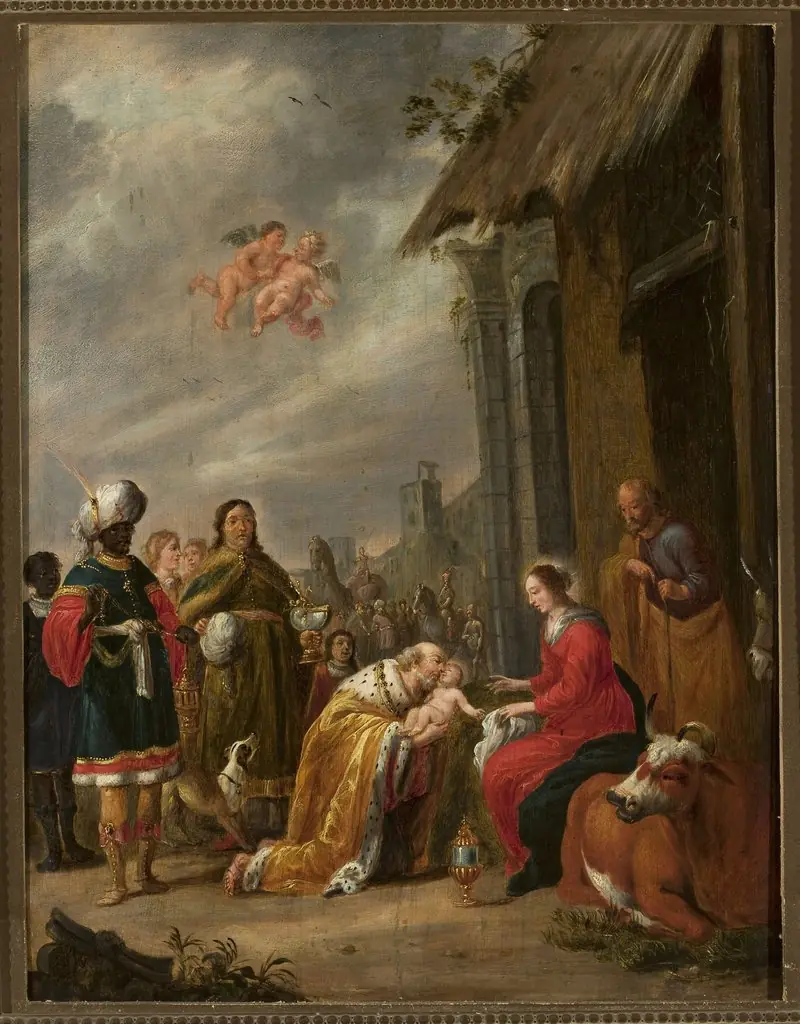 Adoration of the Magi (Matthew 2:10-11)
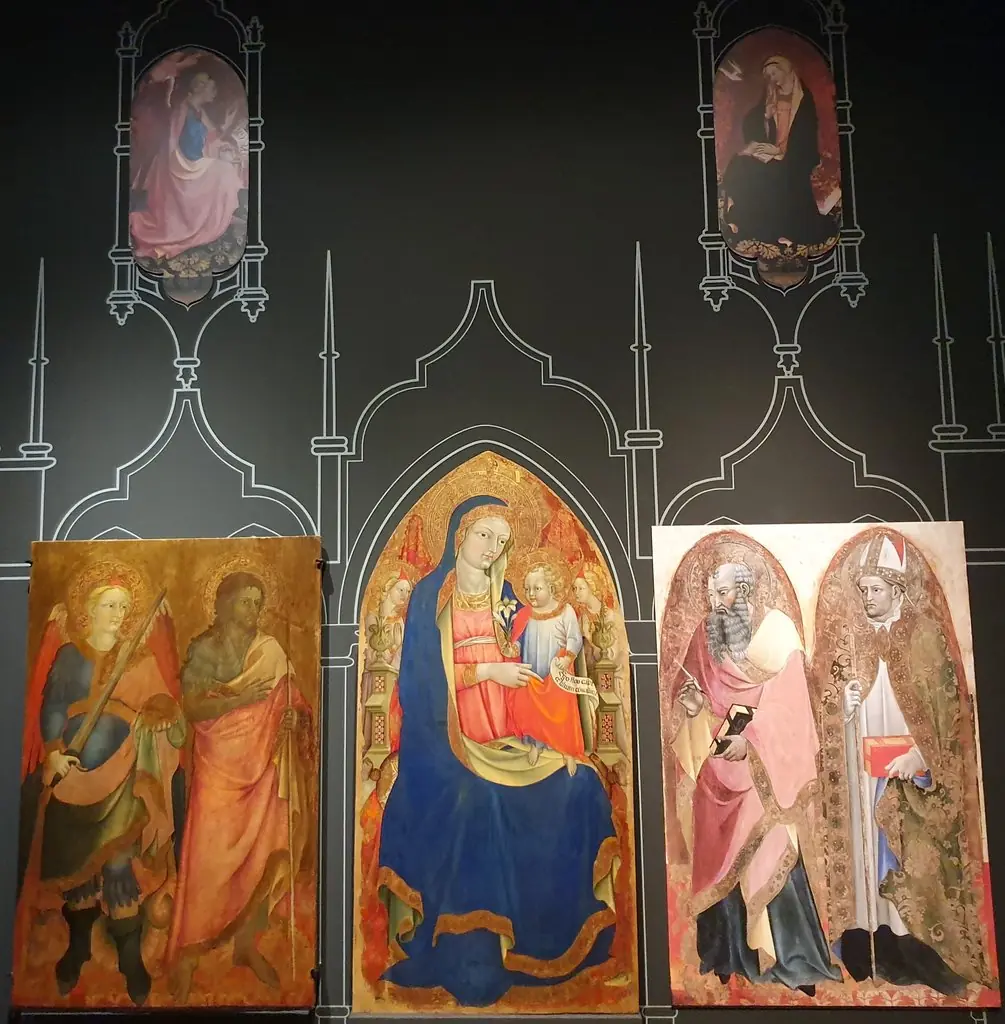 Polyptych of Sant'Agostino, Nicosia
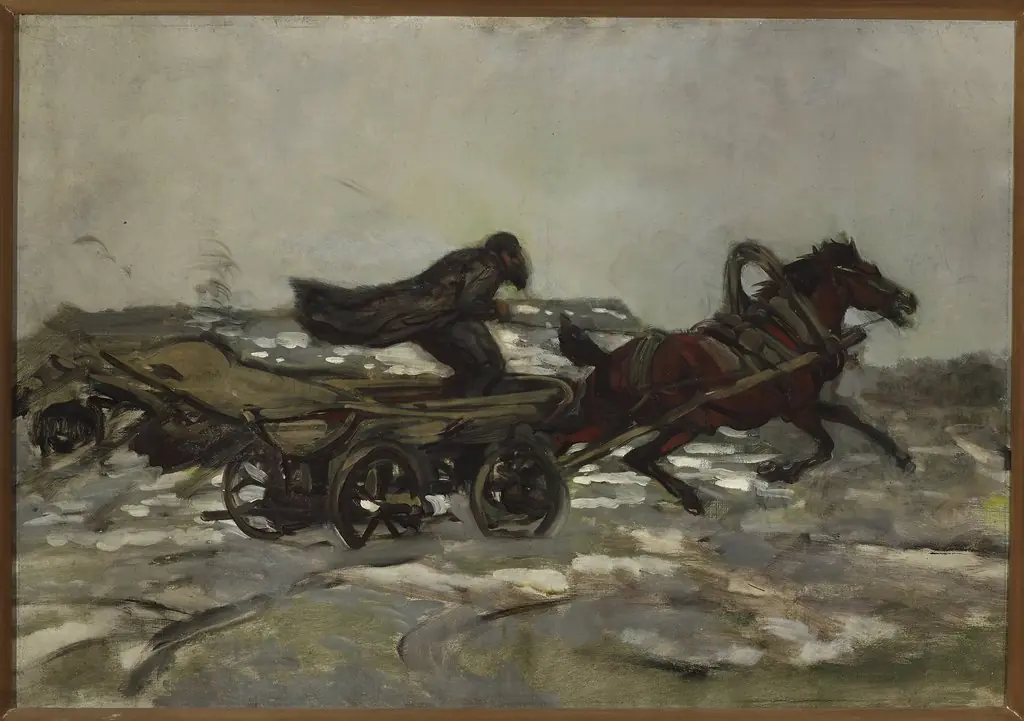 Rushing cart driven by a Jew
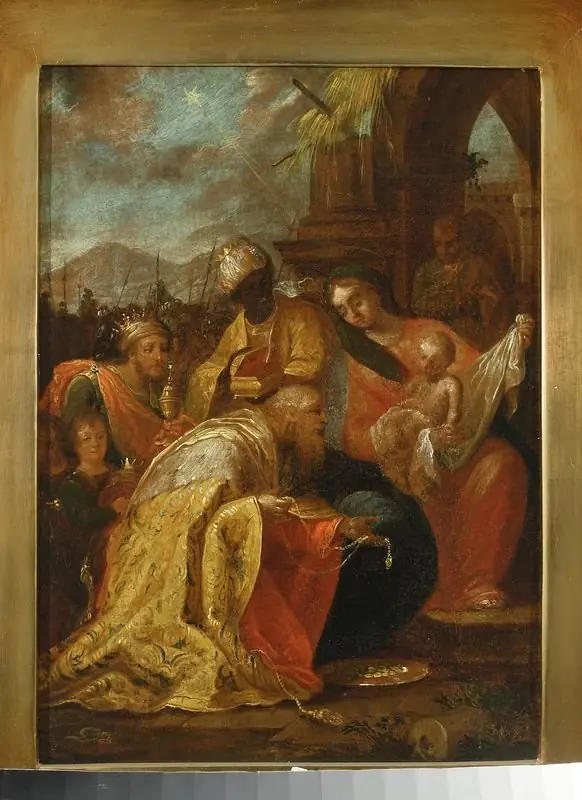 Adoration of the Magi
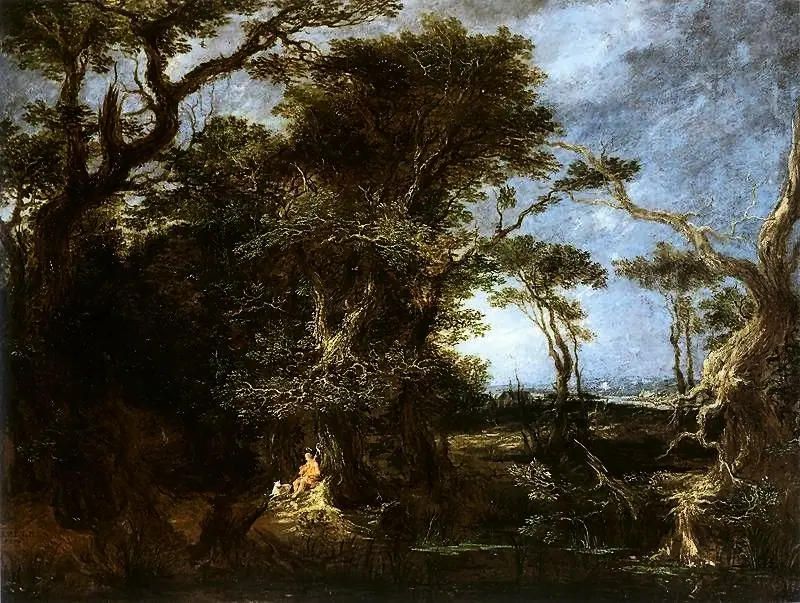 Landscape with St. John the Baptist
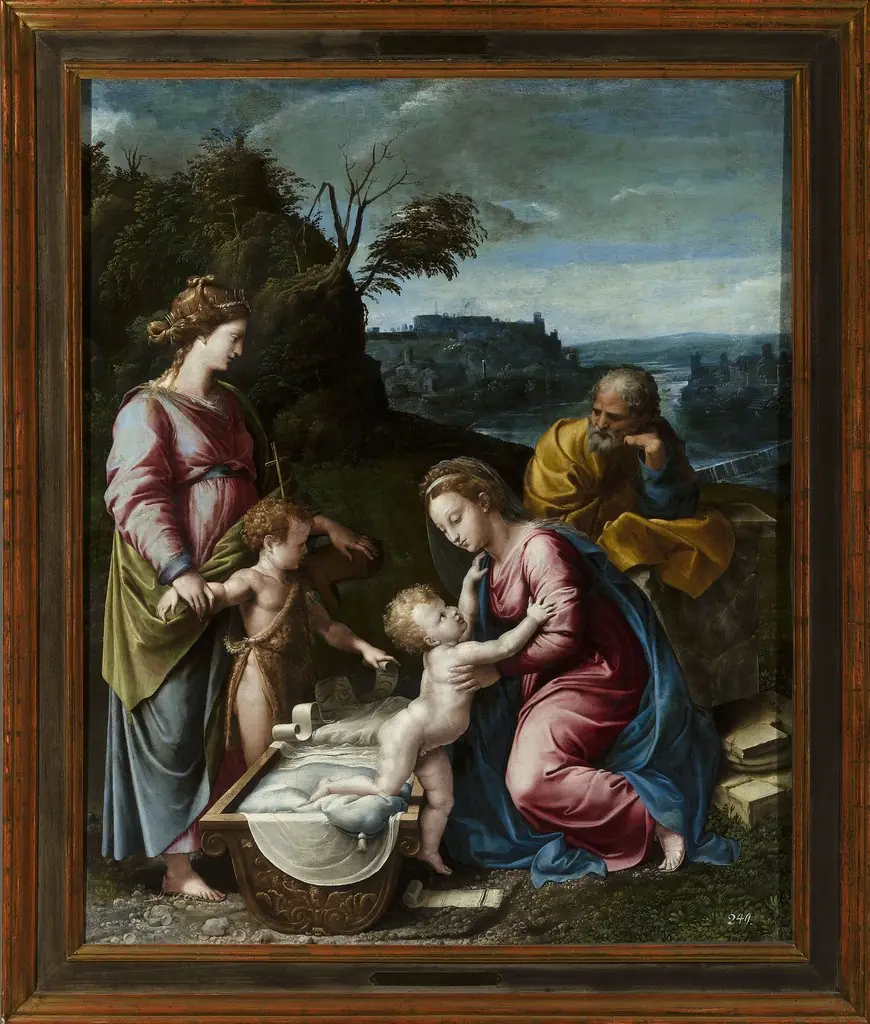 Holy Family with St. John the Baptist and St. Catherine of Alexandria
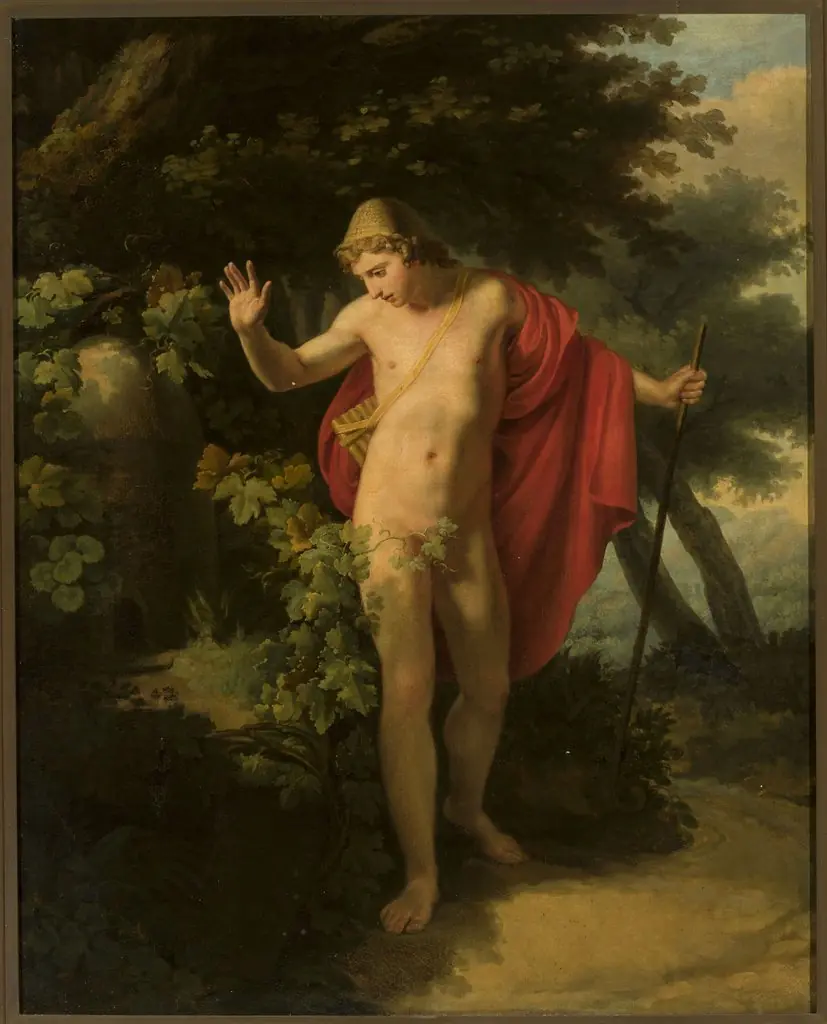 Aristaeus and dead bees
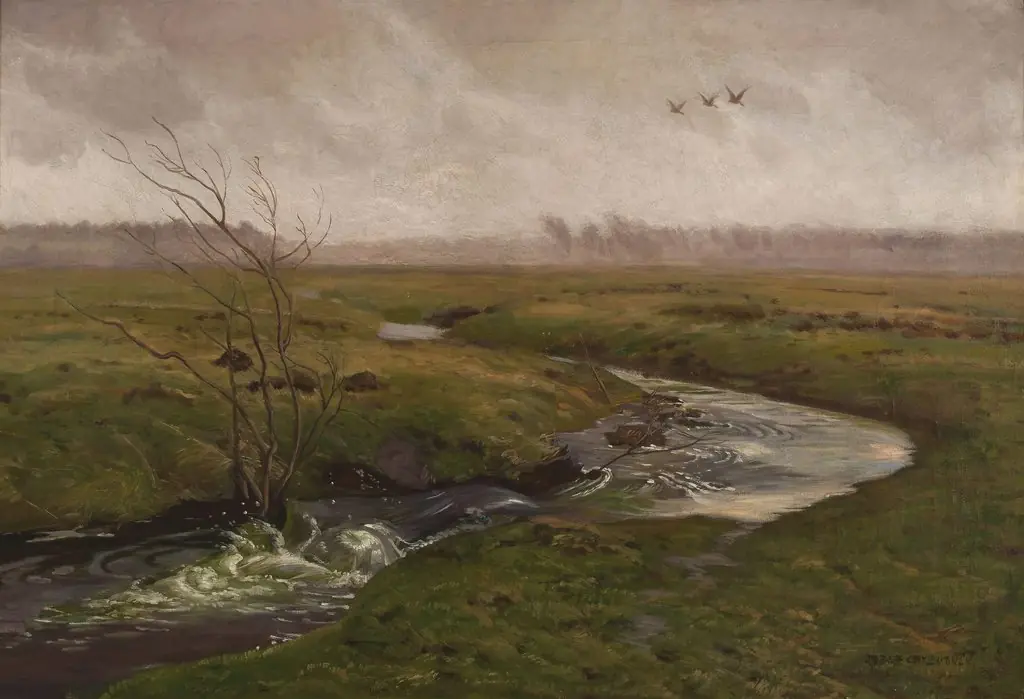 Springtime
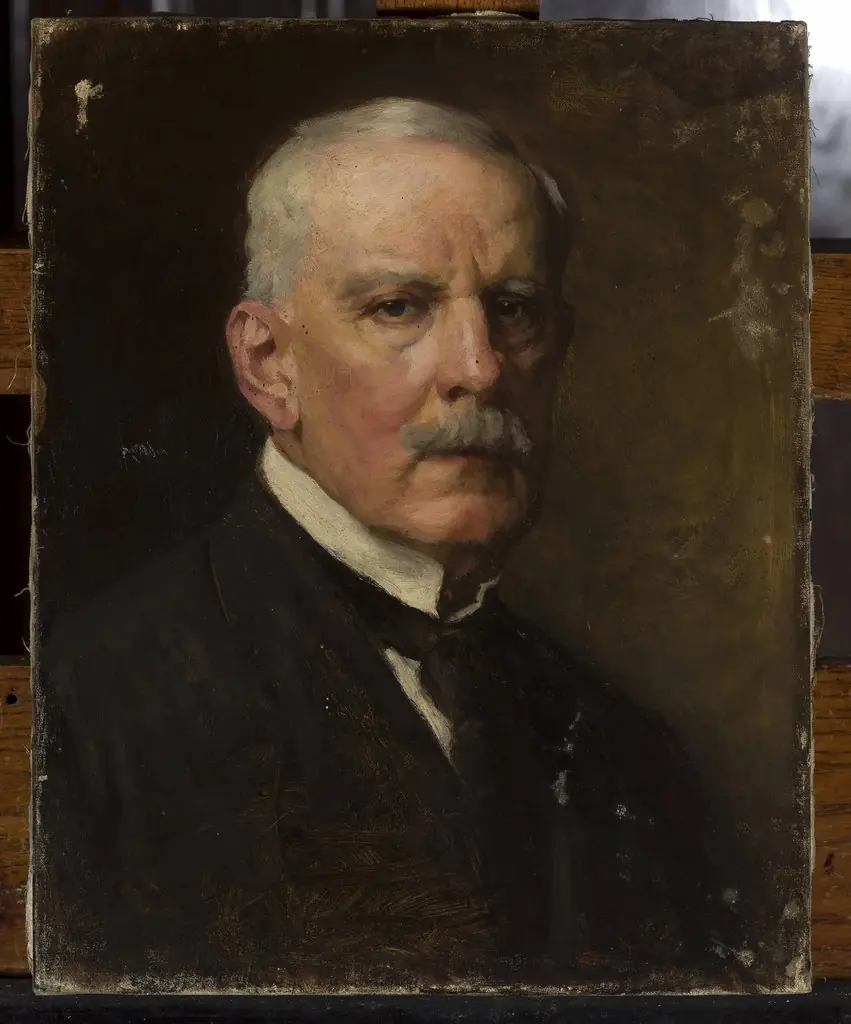 Portrait of an old man
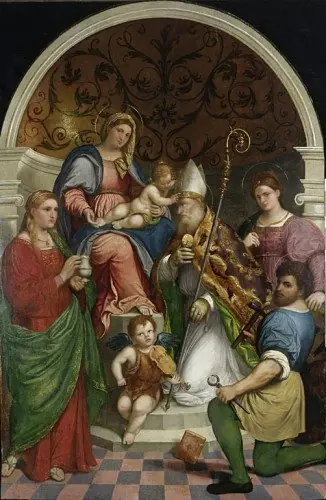 Sacra conversazione
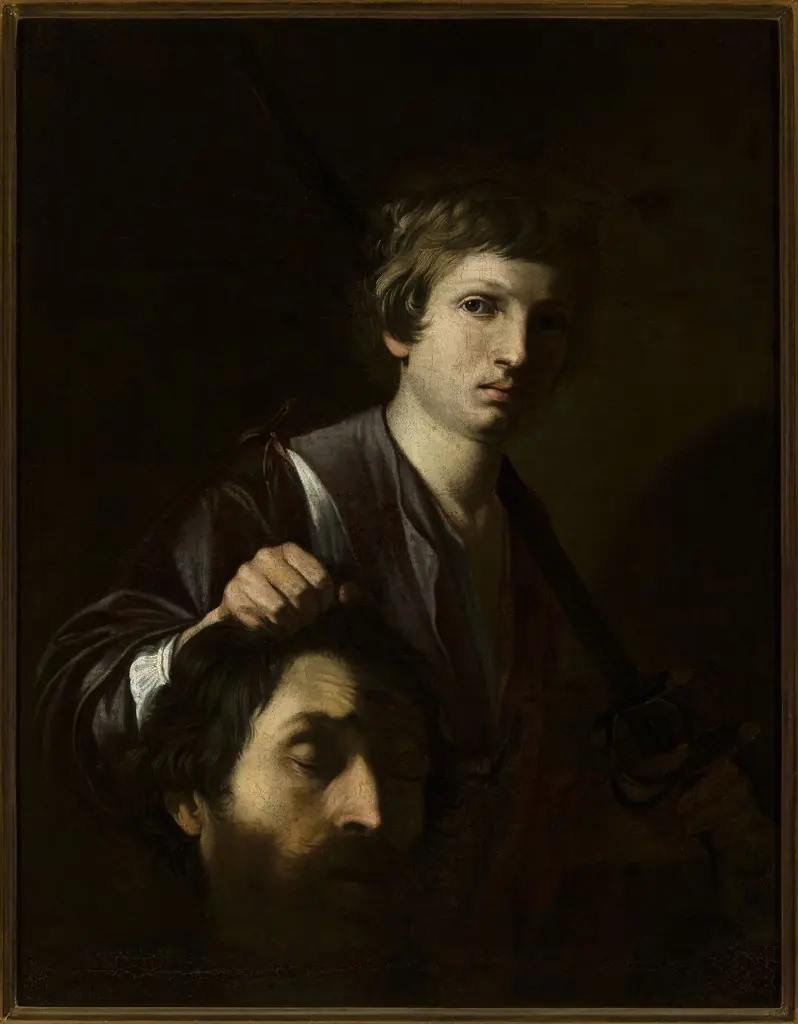 David with Goliath’s head
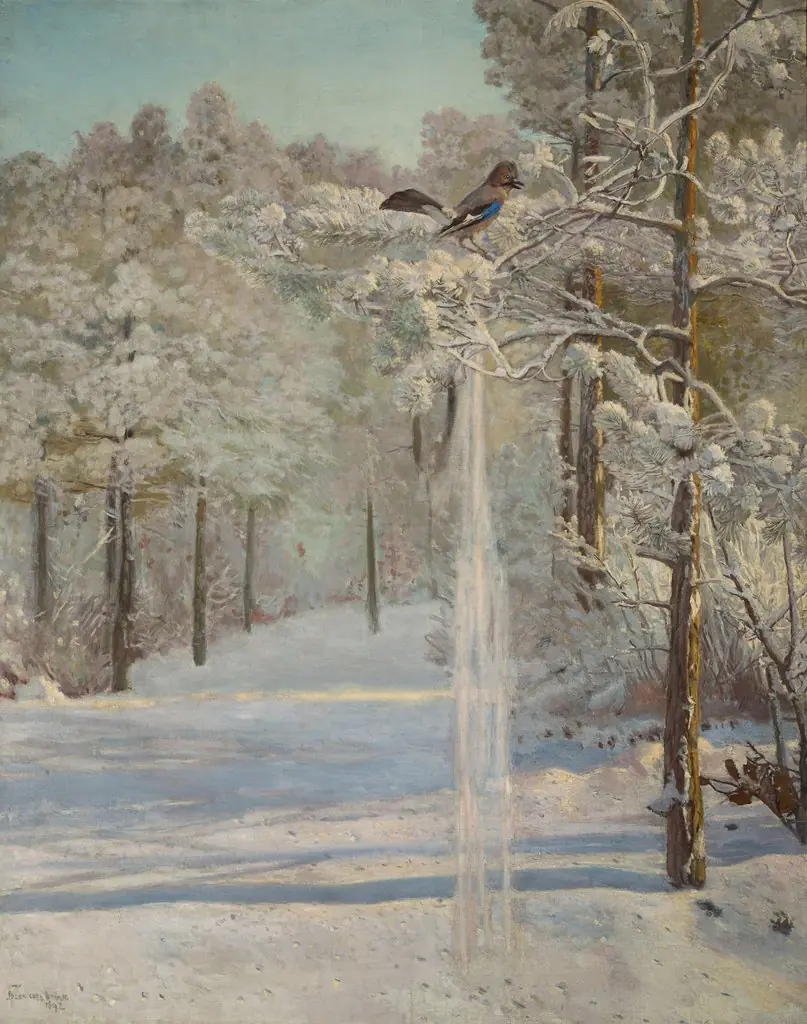 Jay
Jay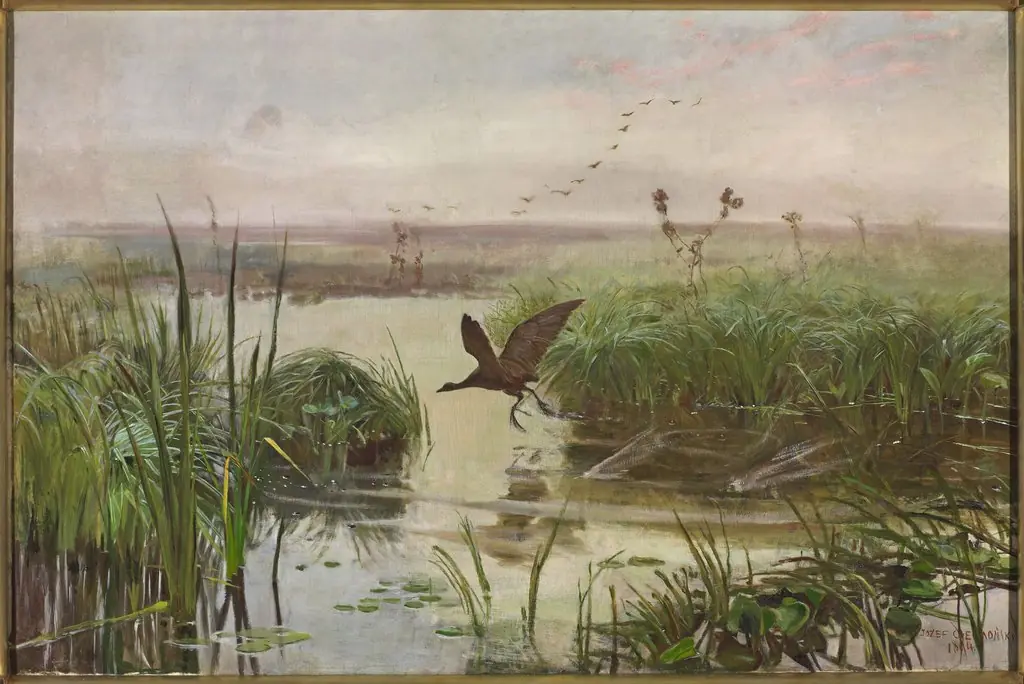 The Water Hen
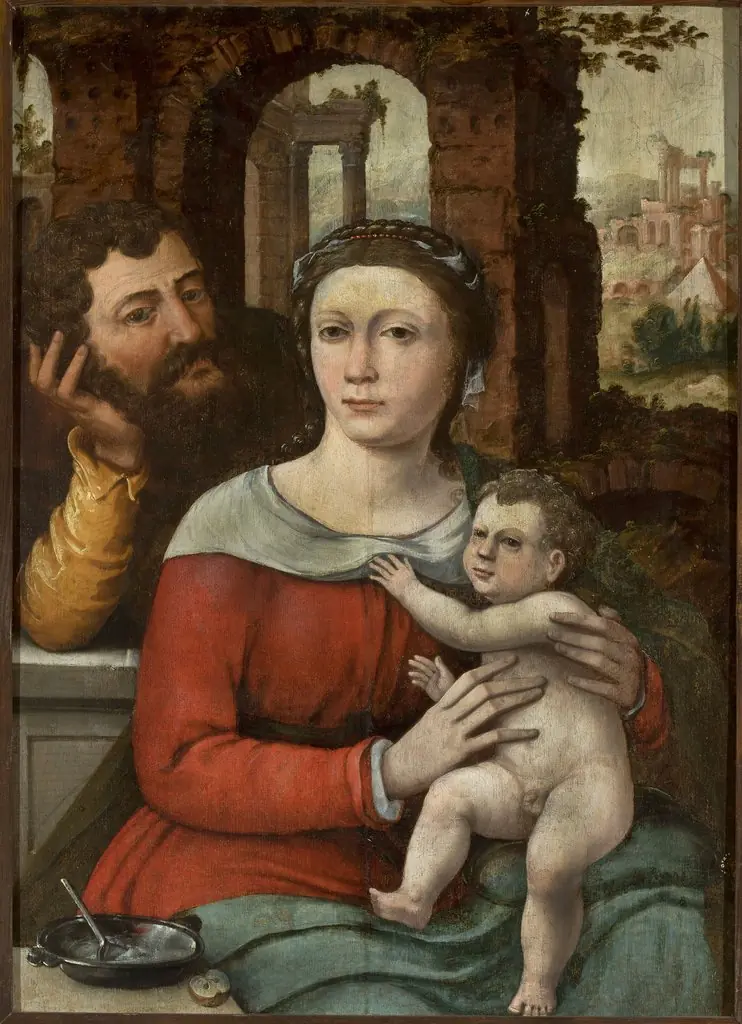 Holy Family
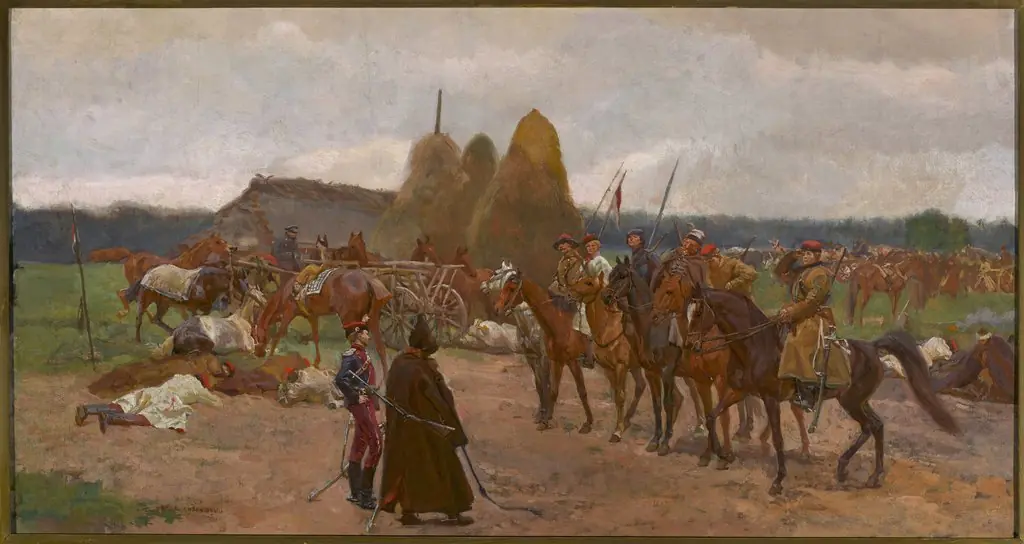 Insurrection episode
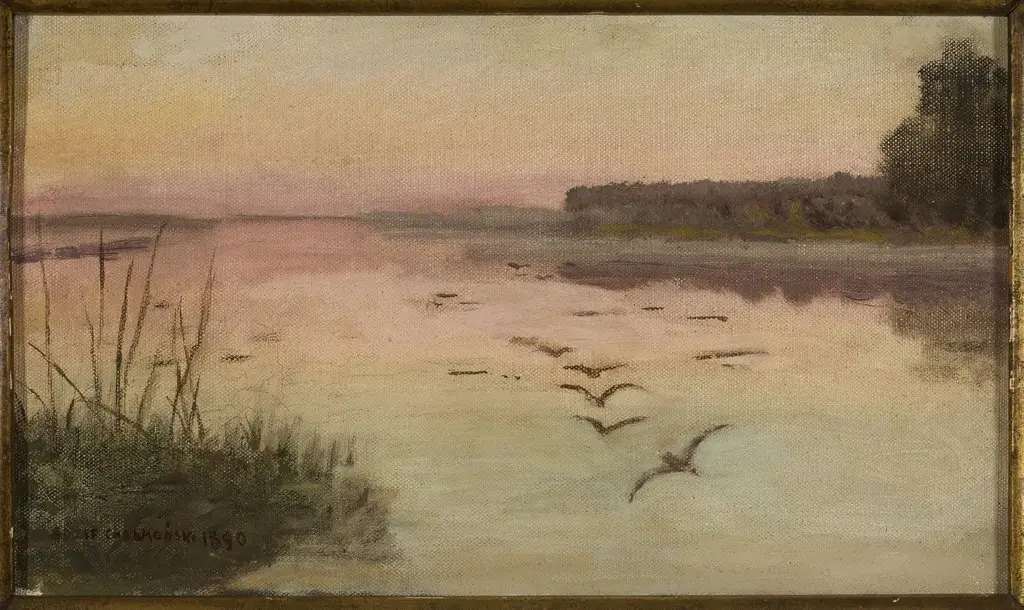 Lake at dusk
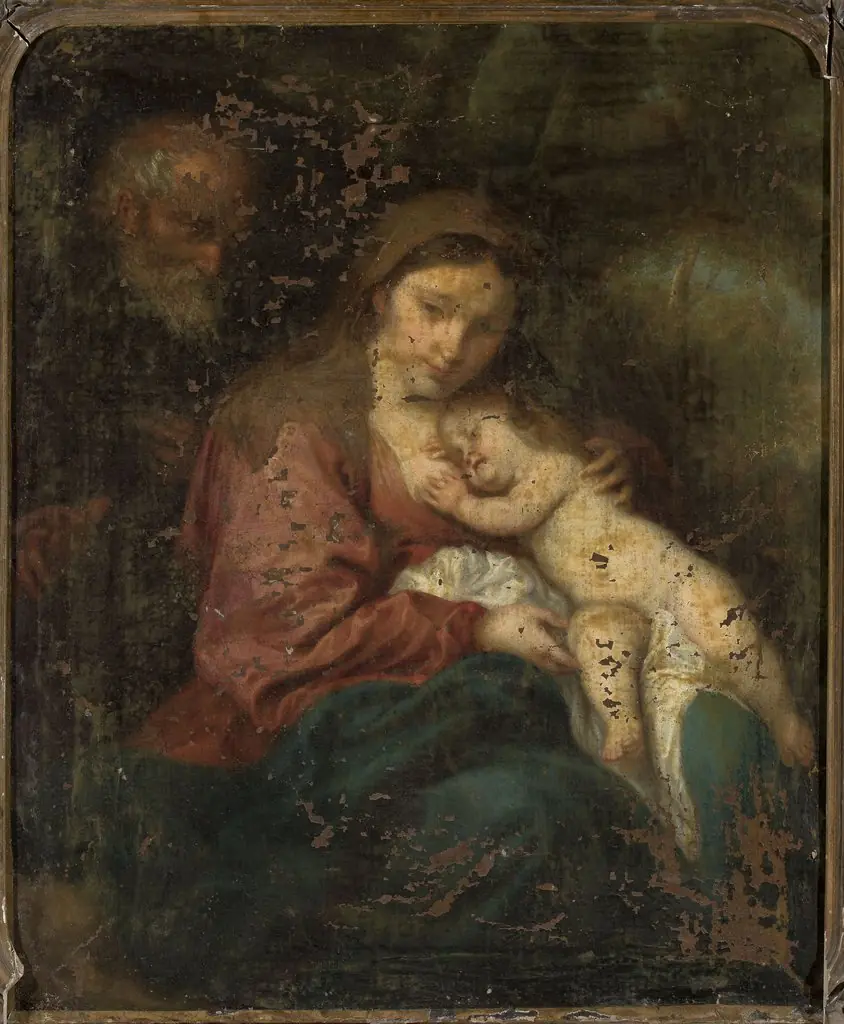 Holy Family
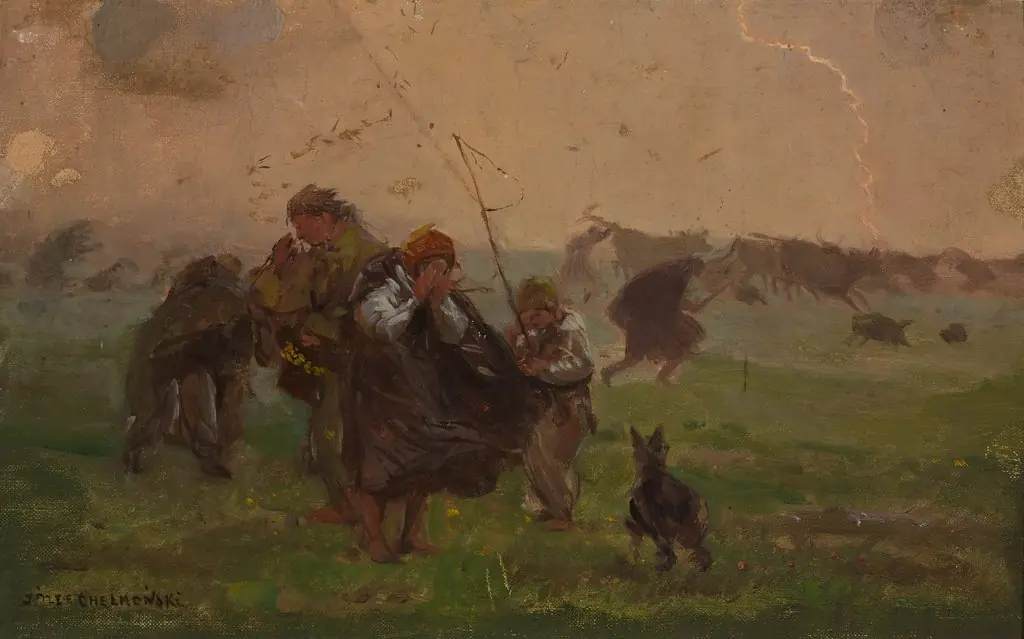 Before the storm, sketch for the painting “Storm”
Plan your visit
National Museum in Warsaw
- Website
- www.mnw.art.pl
What's on
- The Collector. Ignacy Korwin-Milewski (1846-1926)17 Apr 2026 – 13 Sep 2026